
International-News
Netanyahu Leads, but Israel Faces Another Fight for Power
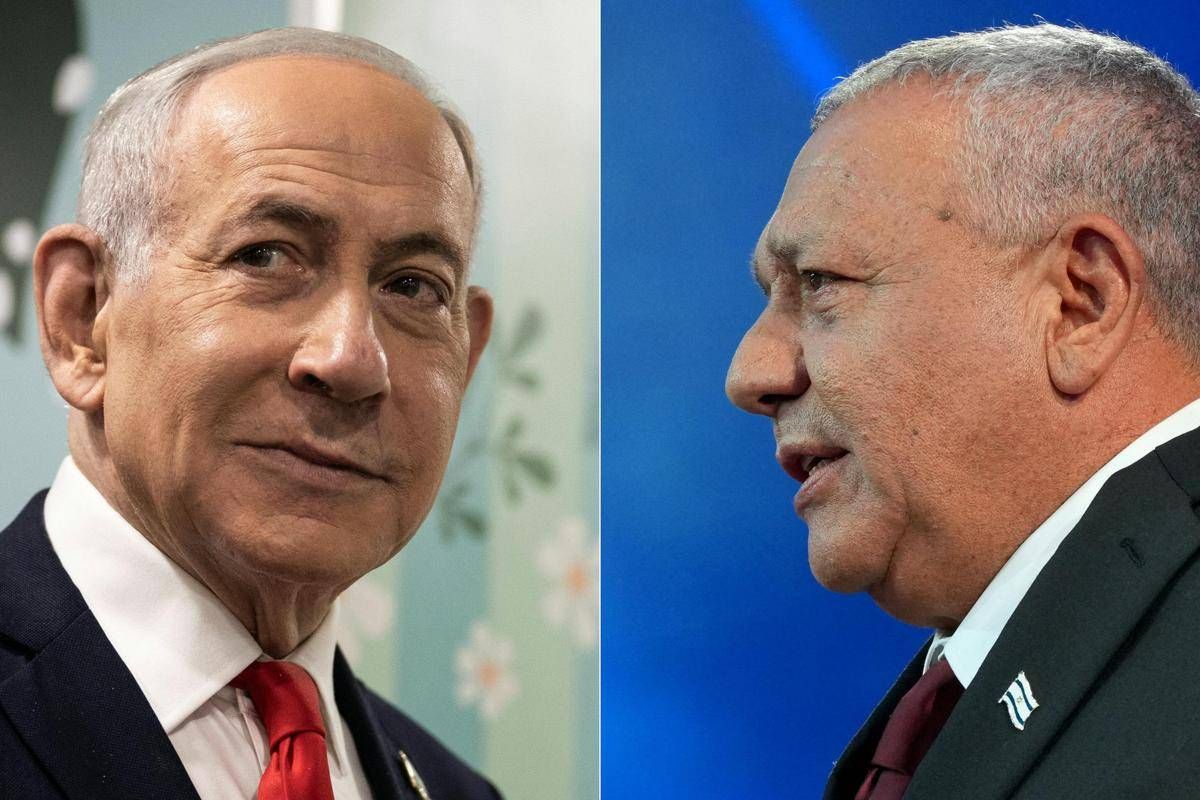
Neither major bloc is close to a governing majority after Israel’s election, prompting President Isaac Herzog to urge compromise as a record Arab vote and hundreds of thousands of uncounted ballots complicate coalition calculations
Israel’s latest election delivered a winner on paper but no obvious path to government, leaving the country once again staring at the prospect of prolonged coalition negotiations after voters produced another fractured parliament.
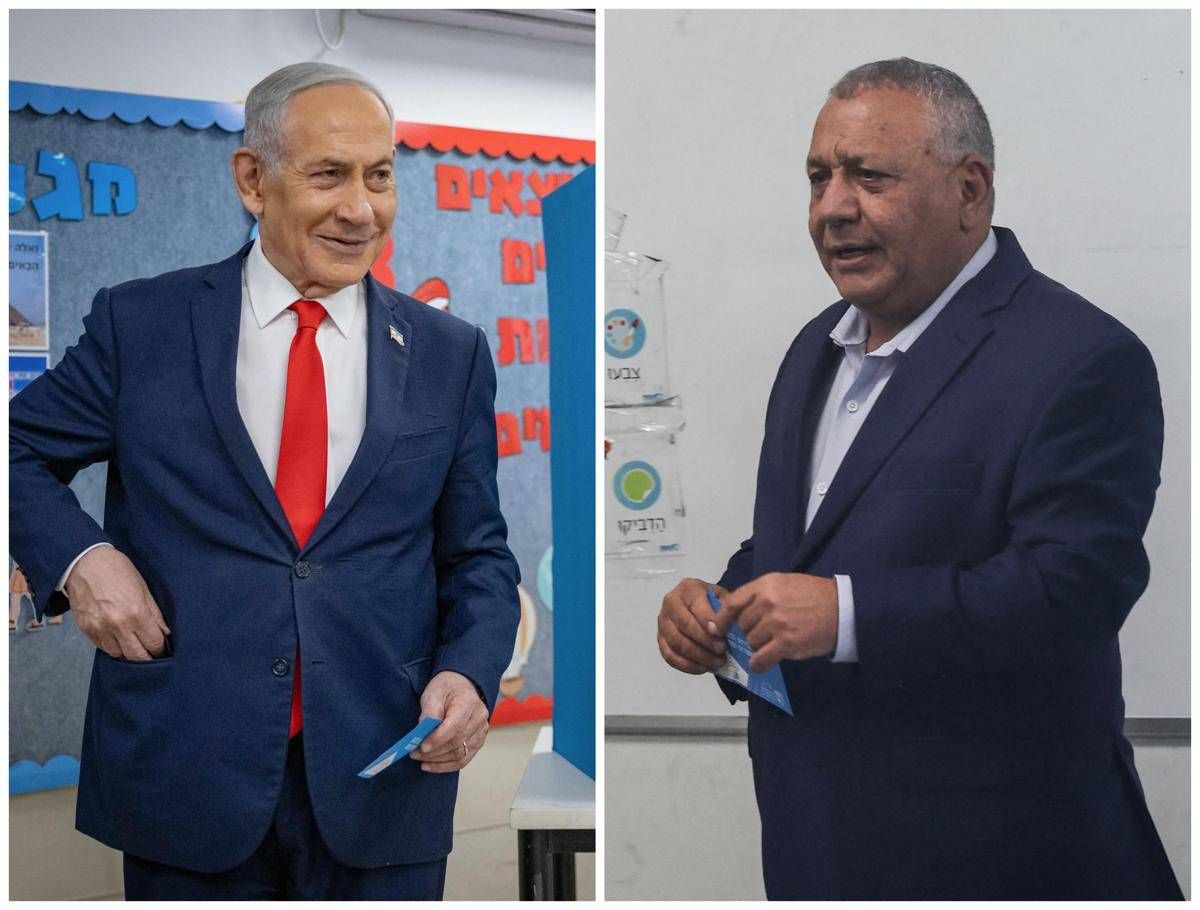
With roughly 93% of ordinary ballots counted, Prime Minister Benjamin Netanyahu’s bloc was projected to win 53 seats in the 120-member Knesset, ahead of the 48 seats captured by the camp led by Yashar chairman Gadi Eisenkot. The figures place Netanyahu in front, but still eight seats short of the 61 needed to command a majority, while Eisenkot remains even further from assembling a governing coalition.
The outcome immediately shifted attention from the ballot box to the bargaining that will determine who governs next. Adding to the uncertainty, roughly 600,000 double-envelope ballots have yet to be counted, while election officials say the remaining 7% of ordinary ballots require additional supervision before being added to the tally. Although the final numbers could still move, no rapid change in the overall picture is expected.
What has become clear already is the growing weight of Arab voters. Arab parties secured 19 seats, the strongest result ever recorded for those factions, giving them a larger presence in the next parliament at a moment when every seat could prove decisive in determining who can build a majority coalition.
The absence of a clear governing path prompted an unusually swift appeal from President Isaac Herzog, who used his first public remarks after the election to warn political leaders against pushing the country toward yet another trip to the polls.
“We must do everything possible, especially after yesterday, to avoid another election round. Therefore, I expect everyone who comes here to do so with an open mind,” Herzog said during a meeting at the President’s Residence in Jerusalem.
Herzog said he expects to receive the official election results next week from Supreme Court Justice Noam Sohlberg before beginning consultations with each parliamentary faction on the formation of a new government. He also praised the exceptionally high turnout, calling it a source of pride for Israeli society and evidence of the public’s enduring commitment to democratic participation.
Several smaller parties remain below the 3.25% electoral threshold, including Reservists at 2.6%, The People of Israel at 1.6% and Charedi Public at 0.2%, results that could further shape the final parliamentary map once the count is completed.
For Netanyahu, finishing first is only the start of the challenge. For Eisenkot, the numbers offer no clearer route to power. And for Israel, the election has produced the question that matters most in parliamentary politics: not who won the vote, but who can turn it into a government.
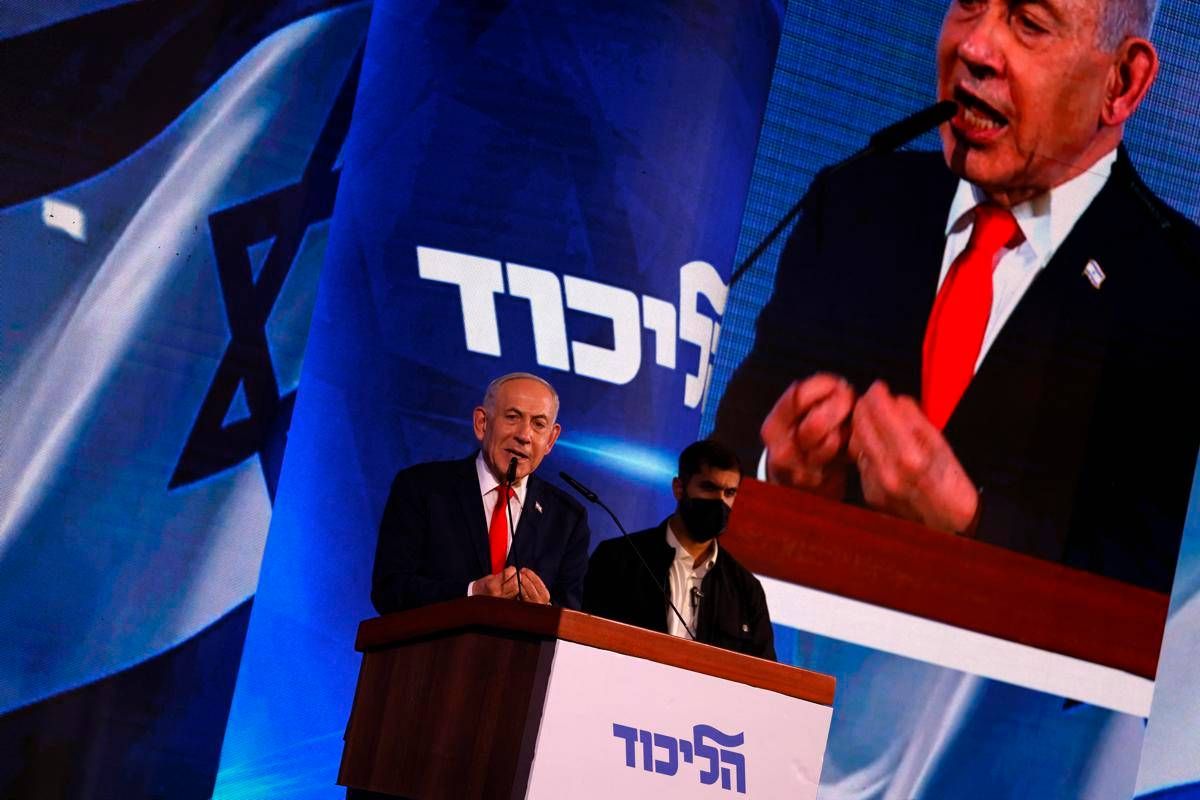
(Photo: © AndKronos)


Spain’s High-Speed Rail Dream Shattered by a Second Deadly Crash
At least 68 people were killed and around 160 injured when two high-speed trains collided near Toledo, turning Spain’s proudest...
Netanyahu Leads, but Israel Faces Another Fight for Power
Neither major bloc is close to a governing majority after Israel’s election, prompting President Isaac Herzog to urge compromise as...


Champagne, gli abbinamenti gastronomici che rendono preziosi i momenti di convivialità
Quando immaginiamo la freschezza dello champagne, con le sue inconfondibili bollicine, si aprono nella mente diverse finestre, tutte con la...

Siher scarcerato, Meloni attacca il Gip di Milano: «Decisione vergognosa»
La presidente del Consiglio critica la mancata convalida del fermo del 30enne, amministratore della chat Telegram e della pagina Instagram...
Netanyahu Bloc Leads Partial Israeli Election Count
With 84.5% of ballots counted, Prime Minister Benjamin Netanyahu’s alliance remains ahead, but neither major political bloc has secured the...


Elezioni in Israele, Netanyahu a 54 seggi con l’84,5% delle schede scrutinate
I risultati aggiornati della Commissione elettorale centrale assegnano 49 seggi al blocco di Gadi Eisenkot. Nessuno dei due schieramenti raggiunge...

Loria, famiglia di sei persone intossicata dal monossido: tutti in ospedale
I due genitori e i quattro figli sono stati soccorsi dal Suem 118 nella notte di mercoledì 28 ottobre. Il...

Spagna, scontro tra treni ad alta velocità a Toledo: 46 morti e 150 feriti
Secondo il bilancio provvisorio citato da La Razón, sono coinvolti un convoglio Renfe e uno Iryo. La circolazione sulla linea...

Flavio Bolsonaro, nuove versioni sulla fuga: dagli Usa all’Ecuador
Cnn e Washington Post lo danno arrivato negli Stati Uniti, citando fonti anonime. Le autorità argentine riferiscono invece che il...

Elezioni Israele, scrutinio in corso: alleanza Netanyahu avanti ma no maggioranza seggi
Con il 57,3% delle schede scrutinato, nessuno dei due blocchi raggiunge la soglia di 61 seggi necessaria per formare il...

Acqua minerale San Zaccaria, ritirato un lotto per rischio microbiologico
Il richiamo riguarda le bottiglie da un litro del lotto L26239221100, con scadenza 27 agosto 2028. La raccomandazione è di...

Melania Trump Announces Oleshky Ceasefire as Debate Erupts Over Credit
The First Lady says a Russia-Ukraine ceasefire has taken effect ahead of schedule in the Kherson region, while social media...

Sciopero nazionale dei taxi il 15 dicembre a Roma: tre proteste a novembre
Le organizzazioni sindacali annunciano una giornata di mobilitazione nella Capitale e manifestazioni a Milano l’11 novembre, Napoli il 17 e...
Israel Election Exit Polls Leave Power Balance Unresolved
Conflicting projections show neither Benjamin Netanyahu nor Gadi Eisenkot with a clear path to a parliamentary majority as voter turnout...
Elezioni in Israele, exit poll: testa a testa Netanyahu-Eisenkot
Gli exit poll di N12 e Channel 13 assegnano al blocco di Eisenkot 52 o 53 seggi, contro i 50...

Flavio Bolsonaro sarebbe in fuga negli Usa: «Volo verso la Florida»
Secondo Folha de São Paulo e Metrópoles, il senatore avrebbe lasciato il Brasile dopo il ritiro dei passaporti ordinato dal...
You must be logged in to post a comment Login