
International-News
Trump-Xi-Putin Summit: Ukraine Back on the Agenda as Leaders Prepare for Historic Talks
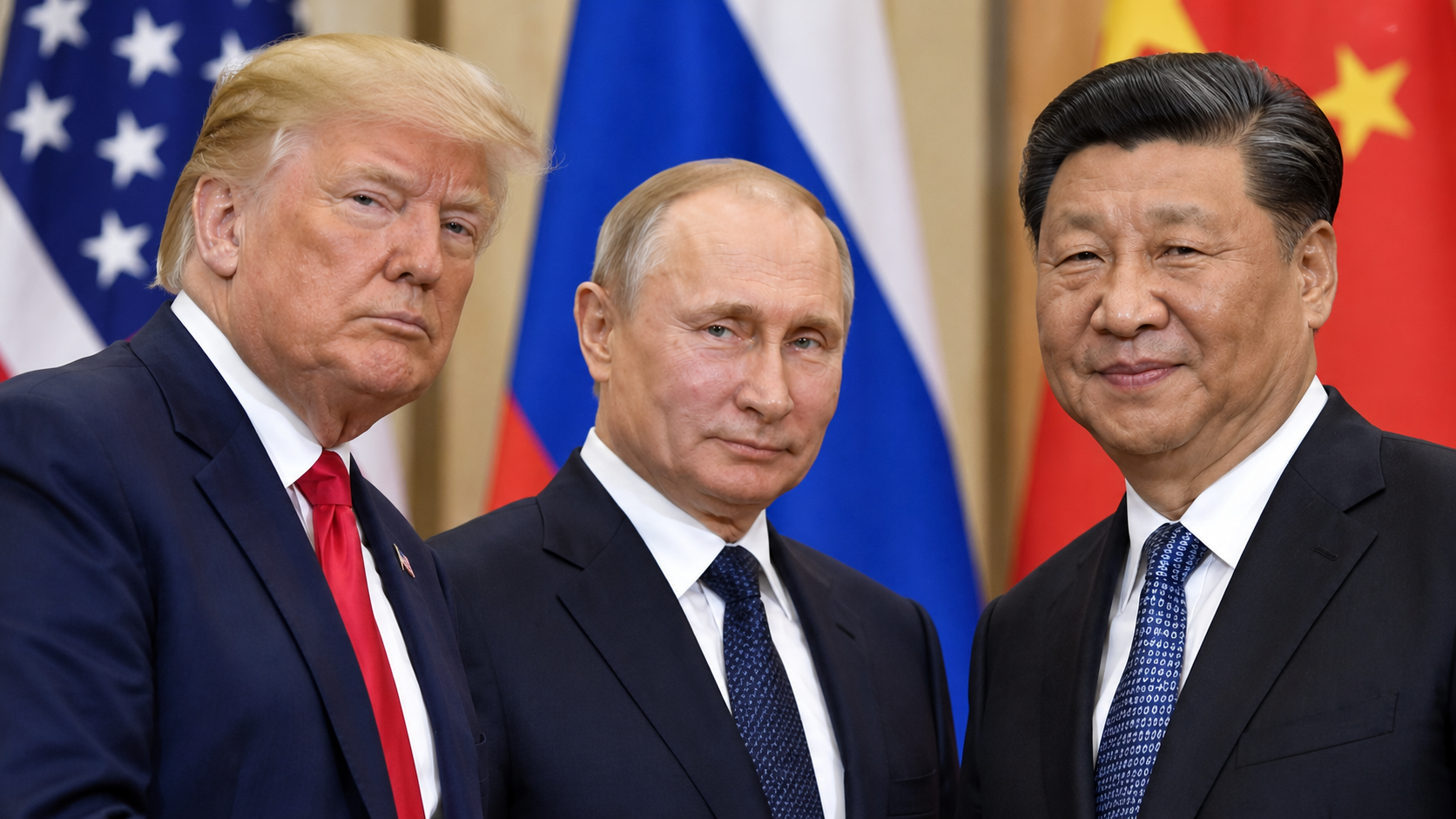
The first-ever face-to-face meeting between the U.S., Russian and Chinese presidents is scheduled for November 19 in Shenzhen. Trump has signaled a broader agenda than his administration initially outlined, raising the prospect of discussions on Ukraine, Iran, nuclear weapons and possibly North Korea
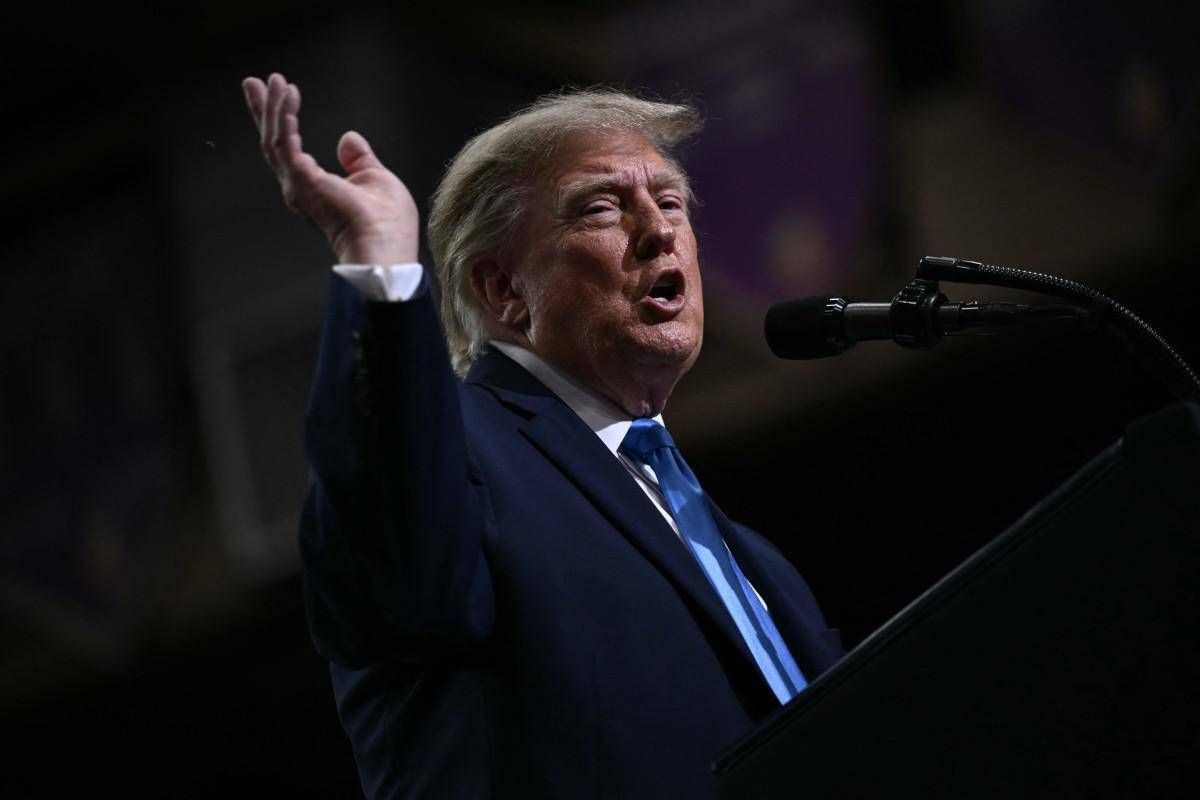
Donald Trump is heading into one of the most consequential diplomatic encounters of his presidency with an agenda that is already shifting. The U.S. president now says he intends to raise Russia’s war in Ukraine directly with Vladimir Putin and Chinese President Xi Jinping, contradicting earlier indications from his own administration that the conflict would be left off the table.
The meeting, confirmed by Beijing on November 16, will take place Thursday, November 19, in Shenzhen. It will be the first face-to-face trilateral summit involving the leaders of the United States, Russia and China, bringing together three powers whose competing interests will shape the outcome of discussions on global security, military competition and the future of international diplomacy.
According to the White House schedule, the meeting is set for 2:30 p.m. local time at Kylin Villa, following a separate bilateral meeting between Trump and Xi. The summit will take place on the sidelines of the Asia-Pacific Economic Cooperation (APEC) leaders’ gathering, scheduled for November 18-19.
The most significant uncertainty concerns Ukraine. Before leaving Washington on Monday, Trump explicitly reversed the position previously outlined by administration officials, who had indicated that discussions would focus on nuclear disarmament and the war involving Iran rather than the conflict between Moscow and Kyiv.
“We’ll talk about, my favorite subject, Ukraine,” Trump told reporters. He also claimed Russia was losing 25,000 soldiers a month, adding that the war would be discussed with both leaders.
The shift matters because it potentially places the future of Ukraine at the center of a conversation involving the two countries with the greatest influence over Moscow’s international position. It also raises questions about the extent to which Kyiv and its European allies will be represented in any diplomatic initiative emerging from Shenzhen.
Trump has offered a mixed assessment of Putin’s position. Speaking about the Russian president, he said he believed Moscow was beginning to make concessions.
“Putin is ceding a little. He could be much tougher,” Trump said, adding that he believed the Russian leader was giving ground.
The Kremlin, meanwhile, is approaching the meeting as an opportunity to reinforce the strategic relationship between Moscow and Beijing while engaging directly with Washington. Russian presidential aide Yuri Ushakov has described the trilateral encounter as potentially significant for international affairs, emphasizing the possibility of substantive and constructive discussions.
Putin is also scheduled to meet Xi separately on November 18, one day before the three-way summit. According to Ushakov, the talks will take place in an expanded format before the two presidents hold a working breakfast in a smaller group. Ukraine and the Korean Peninsula are among the subjects expected to feature in their discussions.
The bilateral meeting will be another indication of the depth of the relationship between Moscow and Beijing. The two leaders have maintained regular high-level contacts, with the Kremlin describing the upcoming encounter as their fifth contact of the year when telephone conversations and meetings on the sidelines of international summits are included.
China has framed the trilateral summit in broader terms. Foreign Ministry spokeswoman Mao Ning said the three presidents would exchange views on safeguarding world peace and promoting strategic stability in relations among major powers. Beijing described the meeting as having historic significance, although it did not publicly provide a detailed agenda.
Nuclear weapons are expected to be another central issue. White House officials have said Trump wants to discuss reducing nuclear arsenals, an objective that would require addressing the military balance between Washington, Moscow and Beijing. The war involving Iran is also expected to feature in the discussions, although the Chinese government has not confirmed the specific subjects to be raised.
North Korea could add another dimension to the encounter. Trump said he might also meet Kim Jong Un during his Asian trip, suggesting that such a meeting would depend on Xi.
“Could have Kim Jong Un,” Trump told reporters. “It could happen, depending on President Xi.”
The possibility remains speculative. There is no confirmed meeting on the published schedule, and Secretary of State Marco Rubio previously said that no Trump-Kim encounter had been arranged, although the president remains open to renewed dialogue with Pyongyang.
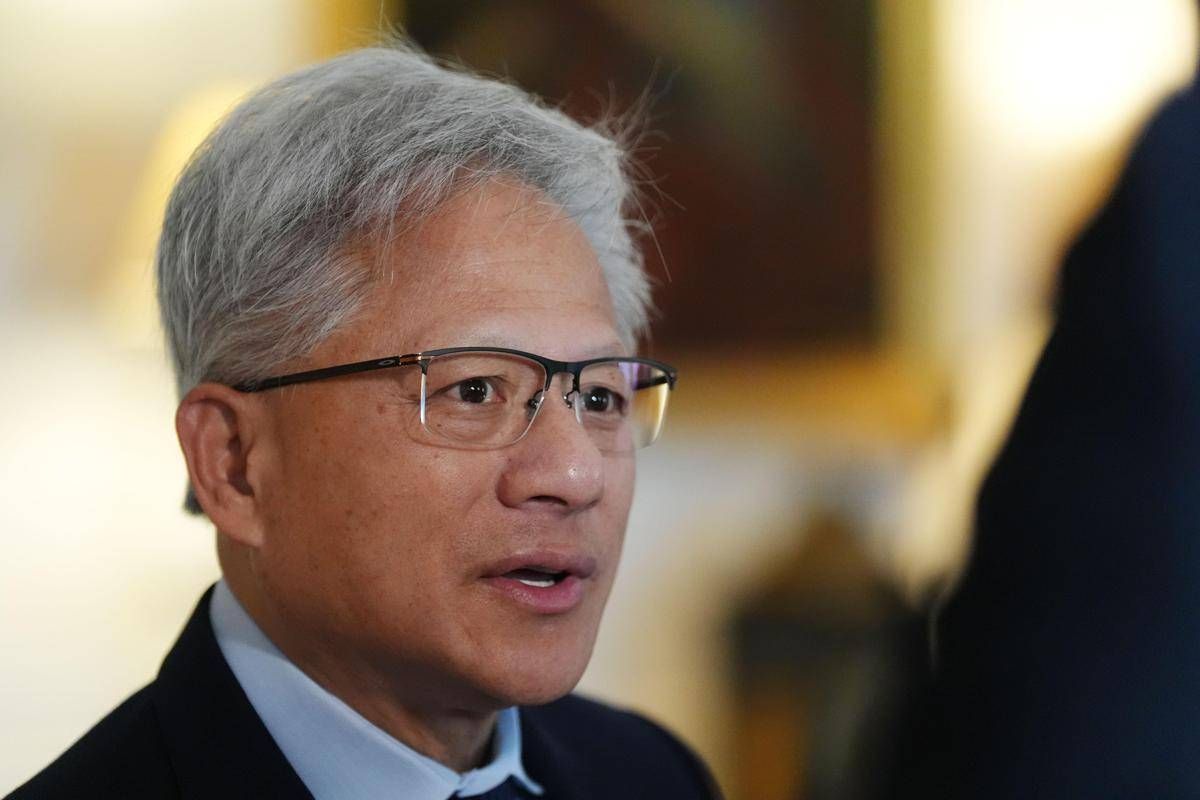
The diplomatic mission is unfolding against the backdrop of another sensitive issue involving China: the controversy surrounding Nvidia and its former chief executive, Jensen Huang.
Trump was asked about Alice Huang, the Chinese businesswoman whose alleged intelligence connections have become central to the investigation surrounding Jensen Huang’s departure from the technology company. U.S. intelligence officials have suspected that she worked for Chinese intelligence, but the allegations have not been conclusively established.
“I don’t know if the woman he had a relationship with was a spy. I really don’t know,” Trump said.
The president also denied having heard that Secretary of State Marco Rubio had warned him about the allegations. He suggested that Chinese women involved in relationships with prominent Americans were sometimes too readily labeled spies.
The investigation remains unresolved. Attorney General Todd Blanche said on November 12 that the Justice Department had not reached a conclusion about whether Alice Huang was working for the Chinese government, although the FBI was investigating the allegations. Beijing has denied that she was a spy.
Jensen Huang resigned as Nvidia chief executive on November 12. Trump indicated that he would not oppose a possible return, saying he had learned a significant lesson. The president also recalled having floated Tim Cook’s name as a possible alternative.
The Nvidia controversy is particularly sensitive because advanced semiconductors and artificial intelligence have become major points of friction between Washington and Beijing. On November 16, the Commerce Department introduced new interim restrictions on remote access to advanced computing chips and servers, tightening controls intended to prevent U.S. technology from reaching Chinese AI developers through overseas data centers.
Trump’s departure for Asia also followed a nationwide disruption to U.S. air travel. On Friday, federal aviation authorities imposed a ground stop that halted flights across the country after a communications failure disrupted the air traffic control system.
In his first public comments on the incident, Trump rejected suggestions that he or his administration bore responsibility, praising Transportation Secretary Sean Duffy and the officials involved in managing the disruption.
“Everyone was safe, nobody got hurt, no collisions, nothing,” he said, arguing that responsibility lay with administrations that had failed for decades to modernize the country’s aviation infrastructure.
“Essentially what you saw on Friday was very, very old equipment that had a heart attack,” Trump added.
He also expressed concern about the safety of journalists traveling with him, warning reporters to be careful in the event of a possible Iranian drone attack against his aircraft.
The Shenzhen summit therefore comes at a moment when Trump’s foreign policy priorities, domestic political difficulties and relations with two major geopolitical rivals are converging. What emerges from the November 19 meeting will depend not only on what the three presidents agree to discuss, but also on whether their competing positions on Ukraine, Iran and nuclear security leave room for a common diplomatic approach.



You must be logged in to post a comment Login