
International-News
U.S. Bank Outages Disrupt Online Access at Major Lenders
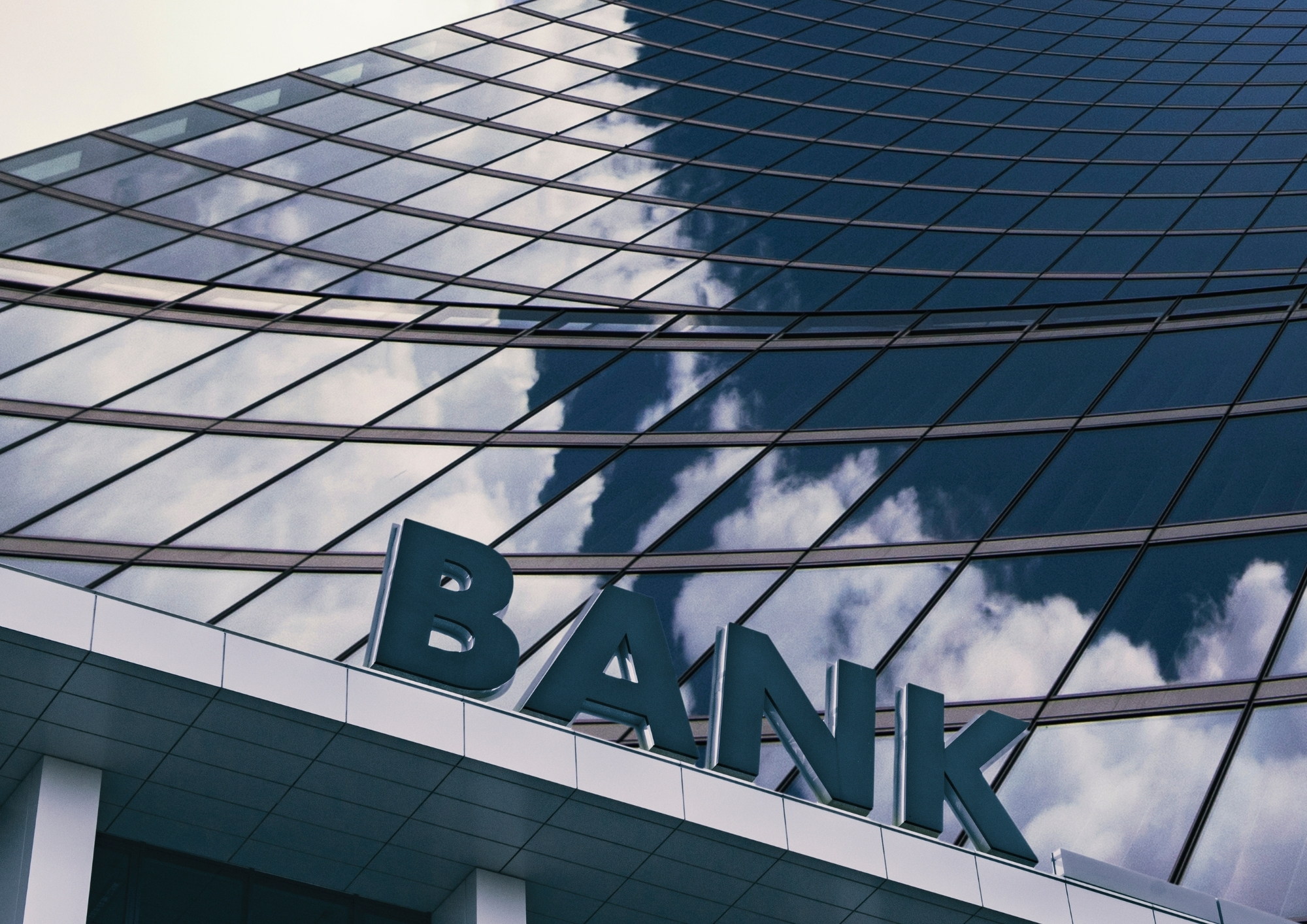
Chase, Wells Fargo and Bank of America customers reported widespread technical problems, while U.S. Bank said its own systems remained operational. The disruption follows separate failures affecting Microsoft services and U.S. air travel
A wave of technical disruptions hit the U.S. banking sector on Monday, leaving customers of several major financial institutions struggling to access online services and complete transactions. The problems were most pronounced at JPMorgan Chase, where thousands of users reported difficulties, but complaints also spread to Bank of America, Wells Fargo and other financial services.
The incidents raised fresh questions about the reliability of the country’s digital infrastructure, coming just days after a global Microsoft outage disrupted business communications and a separate technical failure brought U.S. air travel to a standstill. There is, however, no evidence that the incidents share a common cause.
Chase acknowledged that it was experiencing technical difficulties, although the bank sought to reassure customers that their deposits remained accessible.
“Due to a technical issue, some transactions are taking longer than usual to complete, but customers still have access to their accounts and funds,” a spokesperson said. “We are working to resolve this as quickly as possible.”
The bank’s customer support operation also acknowledged problems with online banking, advising affected users to try again later. Some customers encountered an automated message stating that certain services were temporarily unavailable.
The scale of the disruption was particularly evident in reports collected by Downdetector. Shortly before 2 p.m. Eastern time, the platform recorded 4,822 complaints involving Chase, making it the institution with the highest number of reported problems. Bank of America had more than 2,000 reports, while U.S. Bank recorded more than 1,000 and Wells Fargo nearly 1,000.
Those figures reflect user-submitted reports rather than verified numbers of affected customers. Nevertheless, the volume and geographic spread of complaints pointed to a significant disruption across online banking services.
Wells Fargo separately confirmed that its online banking platform was temporarily unavailable. The bank directed customers to alternative channels, including ATMs, physical branches and its telephone support service.
Bank of America did not immediately provide a public explanation for the reports. JPMorgan Chase, meanwhile, acknowledged a technical problem but did not disclose its precise cause, the number of customers affected or how long the disruption was expected to last.
The situation also exposed an important distinction involving U.S. Bank and Zelle, the digital payments network used by millions of Americans. Although Downdetector recorded complaints involving both services, U.S. Bank said its own systems had not been directly affected. Customers attempting to send or receive Zelle payments involving another financial institution could nevertheless experience delays.
Zelle’s network is operated by Early Warning Services, a company owned by a group of major financial institutions, including JPMorgan Chase, Bank of America, Wells Fargo and U.S. Bank. The company said its payment network was operating normally, pointing to problems at individual participating banks as a possible source of disruption for customers.
The distinction is significant: reports involving a payment service do not necessarily mean that the service’s underlying network has failed.
A difficult week for America’s digital infrastructure
The banking problems came after a separate disruption at Microsoft that affected businesses, government agencies and individual users around the world.
The outage began on Thursday, November 12, and continued for more than 24 hours, affecting Microsoft 365 services including Outlook, Teams and Copilot. On Saturday, November 14, Microsoft announced that it had completed work to address the underlying technical issue and restored service to the remaining affected customers and regions.
The company said the incident was not the result of malicious activity or a cyberattack. It apologized for the disruption, which affected organizations relying on Microsoft’s cloud-based communication and productivity services.
U.S. air travel had also been hit by a major technical failure on Friday, November 13. A nationwide ground stop imposed by the Federal Aviation Administration caused widespread disruption to airline operations, with delays and cancellations affecting passengers across the country.
Transportation Secretary Sean Duffy attributed the aviation incident to a contractor’s work on aging FAA telecommunications infrastructure.
The sequence of events has intensified public attention on the vulnerability of essential services that depend on interconnected technology systems. Banking, air traffic control and corporate communications operate on different infrastructures, however, and the available evidence does not establish a technical connection between the incidents.
For customers affected by Monday’s banking problems, the immediate concern remained access to accounts, balances and payments. Chase said funds remained accessible despite delays to some transactions, while Wells Fargo advised customers to use alternative banking channels.
As of Monday afternoon, the banks had not provided a comprehensive explanation of the disruptions or a common timetable for the full restoration of all affected services.






You must be logged in to post a comment Login