
With just one week remaining before Brazil's presidential runoff, personal attacks, corruption allegations and family controversies overshadowed policy discussions in...
Read More
International-News
Lula and Flavio Bolsonaro Clash in Bitter Debate as Brazil Race Tightens
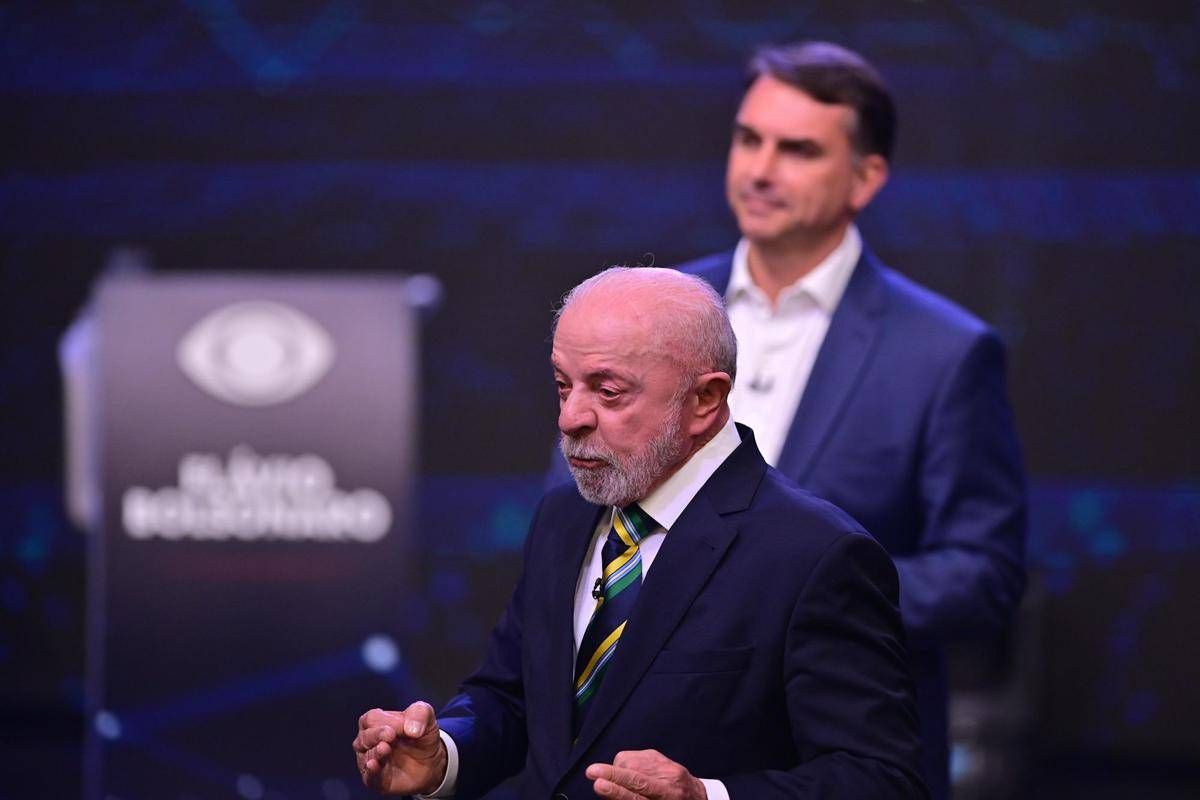
With just one week remaining before Brazil’s presidential runoff, personal attacks, corruption allegations and family controversies overshadowed policy discussions in the first head-to-head confrontation between Luiz Inácio Lula da Silva and Flavio Bolsonaro
Brazil’s fiercely contested presidential runoff entered its final stretch Sunday with an explosive televised debate that quickly descended into personal attacks, corruption allegations and bitter exchanges between President Luiz Inácio Lula da Silva and conservative challenger Flavio Bolsonaro.
The confrontation, broadcast by Band television from São Paulo, offered voters their first direct face-off between the two candidates since the first round of voting and underscored the deep political polarization shaping the race.
Far from focusing on policy proposals, both campaigns spent much of the evening attacking each other’s record, family members and political allies.
Lula, seeking a fourth nonconsecutive term at age 80, staged one of the debate’s most memorable moments when he deliberately stepped away from Bolsonaro during a segment on stage. Wearing a tie in Brazil’s national colors, the leftist leader said he wanted to “keep his distance from a militiaman,” referencing allegations linking the senator to paramilitary criminal groups that operate in parts of Rio de Janeiro.
Bolsonaro immediately countered with a visual attack of his own, displaying the word “corrupt” written on the palm of his hand. The gesture referred to corruption convictions that sent Lula to prison in 2018 and 2019 before those rulings were later overturned.
Throughout the debate, the conservative senator repeatedly positioned himself behind Lula while his rival addressed the cameras, shaking his head in visible disagreement. Off camera, supporters of both candidates punctuated the event with applause and shouted reactions.
The exchanges grew increasingly confrontational as Lula pressed Bolsonaro over an investigation into suspected corruption involving financing for a film about his father. Bolsonaro declined to answer the questions directly and was subsequently labeled a “clown” by the incumbent president.
The challenger responded by invoking allegations involving one of Lula’s sons, known publicly as “Lulinha,” who has previously been associated with a corruption case.
The legacy of former President Jair Bolsonaro, now serving a 27-year prison sentence for an attempted coup, hovered over much of the debate. When Flavio Bolsonaro questioned why so many inmates had supported Lula in the election, the president replied with sarcasm, suggesting that Bolsonaro’s father should vote for him as well.
On issues with direct resonance among voters, Bolsonaro focused his attacks on public security and the rising cost of living.
“How long has it been since you’ve put meat, a piece of meat, in your freezer?” he asked viewers, seeking to highlight economic hardship faced by many Brazilian families.
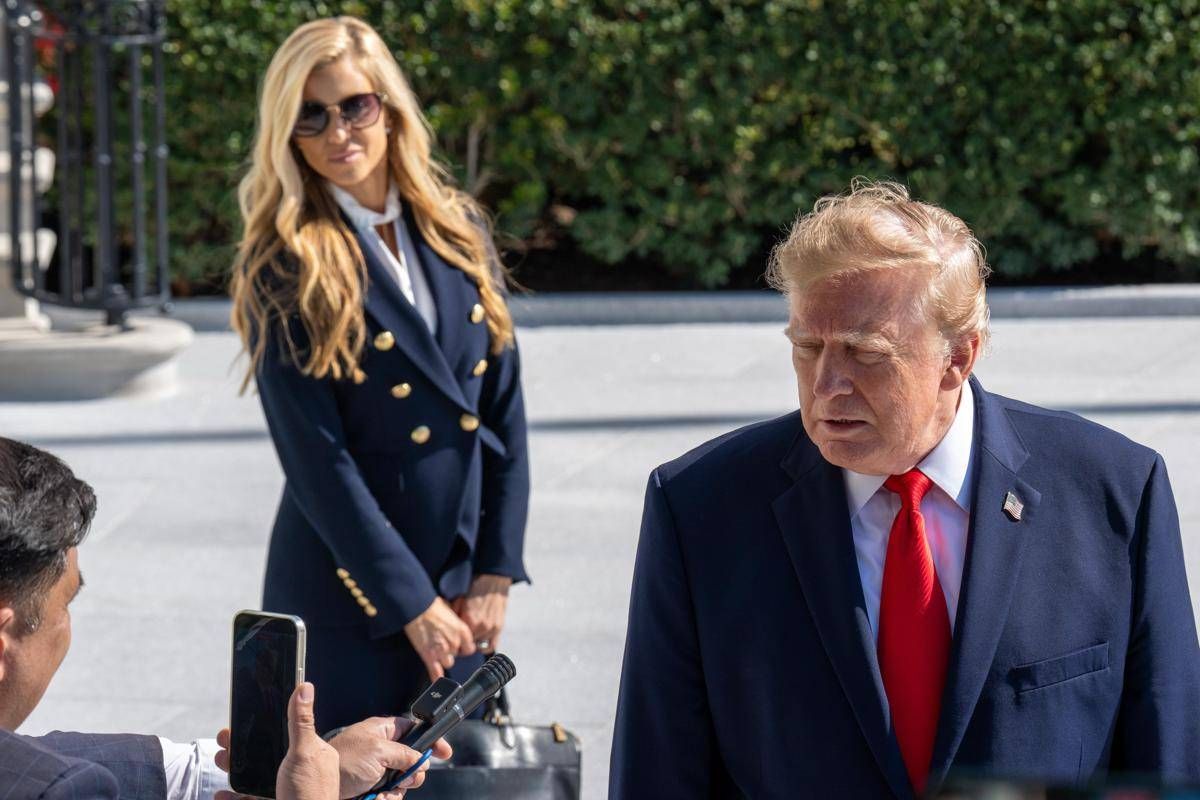
Lula, meanwhile, targeted his opponent’s relationship with the administration of U.S. President Donald Trump, whose government imposed several rounds of tariffs on Brazilian goods.
“The Bolsonaro family is subservient to American interests,” Lula said, accusing them of being “traitors to the homeland.”
The battle for public support extended beyond the television studio.
Thousands of Bolsonaro supporters gathered along São Paulo’s iconic Avenida Paulista to demonstrate backing for the conservative candidate. Among them was 36-year-old Sara Machado, who described the country’s economic situation as dire.
“The country is in a catastrophic situation. To make it through the month or buy anything, you need two or three jobs,” she told AFP.
Researchers at the University of São Paulo estimated the gathering drew roughly 71,000 people.
In Rio de Janeiro, progressive activists organized a separate demonstration on Copacabana Beach featuring musician Caetano Veloso and dozens of artists in what organizers described as a rally for democracy.
The event attracted approximately 56,000 people, according to the same research group. Elsewhere along the city’s coastline, beachgoers formed Lula’s name in the water in a symbolic show of support.
“I think this is the most important election in Brazil’s history,” said Marcel Bosa, 61. “Flavio Bolsonaro is part of an authoritarian and fascist family clan.”
The increasingly combative atmosphere reflects the extraordinarily narrow margins separating the candidates.
Flavio Bolsonaro stunned pollsters by finishing first in the opening round on Oct. 4 with 47% of the vote, compared with 45% for Lula. A new Datafolha survey now gives Bolsonaro 51% support compared with 49% for the incumbent president. The gap has narrowed by two points, leaving the race statistically tied within the poll’s margin of error and setting the stage for a highly competitive final week of campaigning.
THE LATEST NEWS
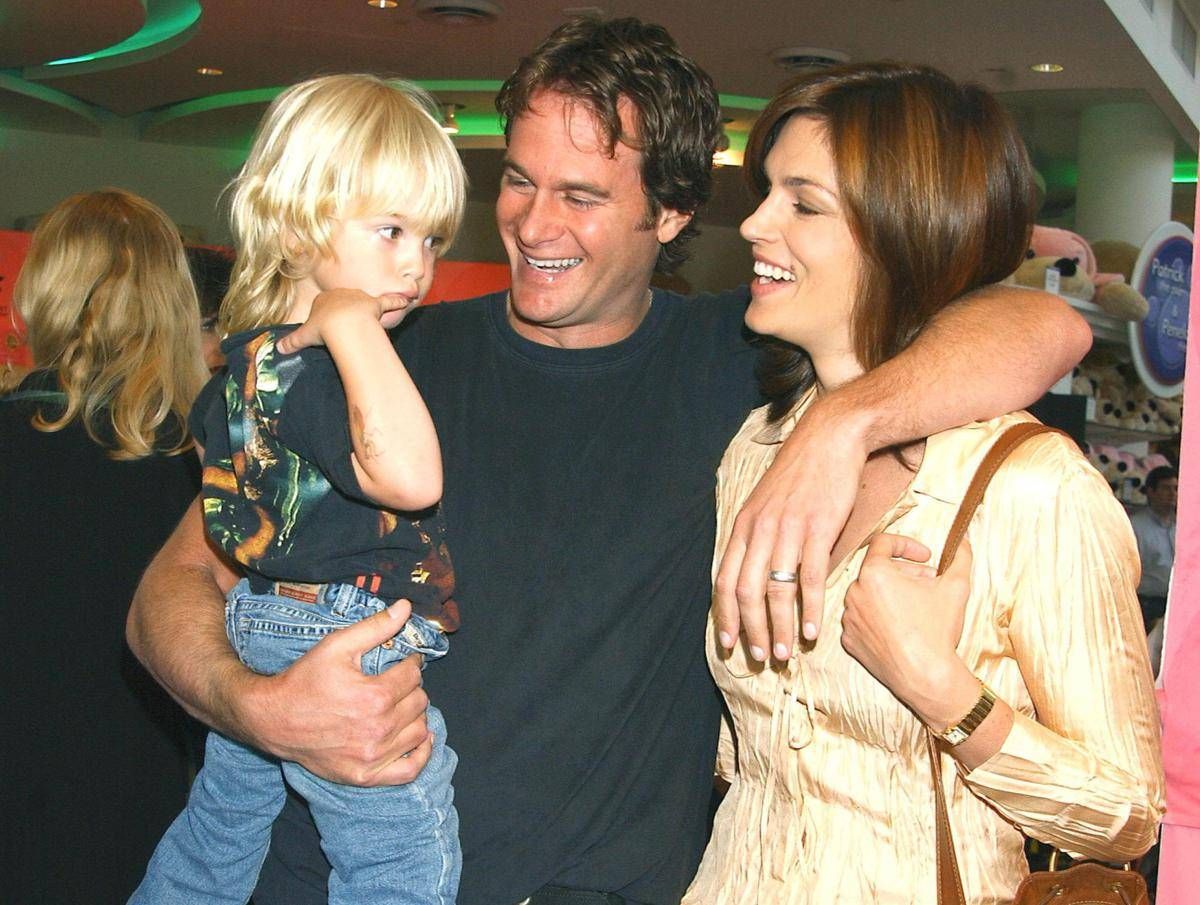
Cindy Crawford Family Breaks Silence After Presley Gerber’s Death
19 October 2026
The model's parents and sister Kaia Gerber share their first public tributes as investigators continue examining the circumstances surrounding his...
Read More
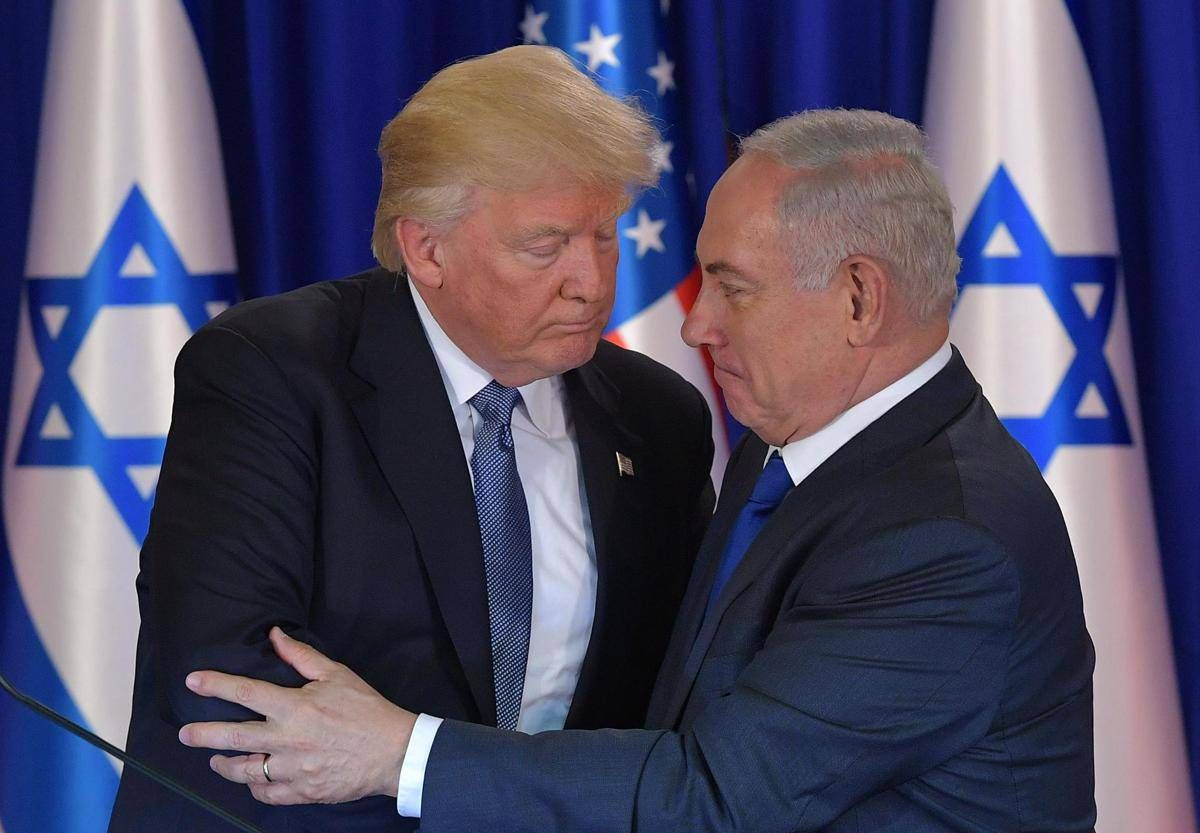
Trump Backs Netanyahu Ahead of Israeli Vote, Warns Against New Leadership
18 October 2026
With Israelis set to vote on October 27, the U.S. president delivers an unusually direct endorsement of Benjamin Netanyahu, tying...
Read More
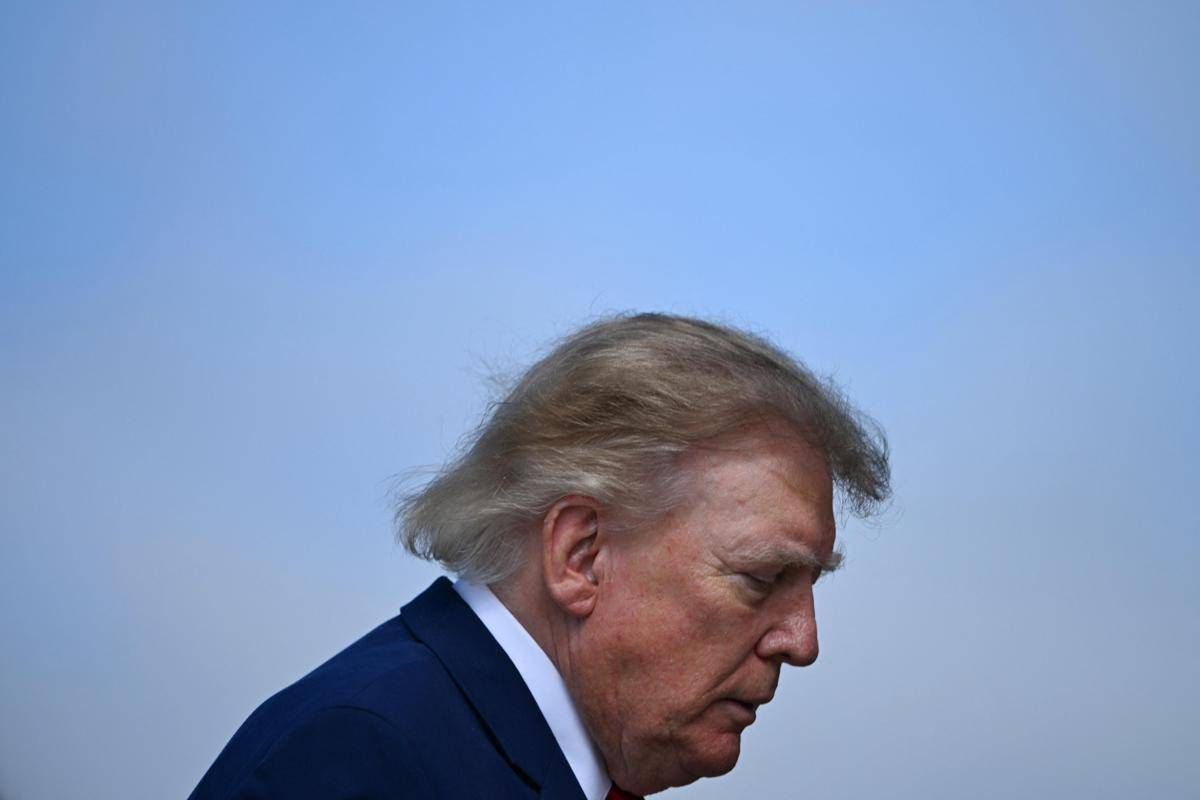
Trump Jokes About His Makeup Use While Mocking Georgia Democrat Ossoff
17 October 2026
At a campaign rally in Dalton, Georgia, the president offered a rare personal admission about cosmetics before turning the moment...
Read More
UK Storm Shadow Support for Ukraine Aims to Boost Pressure on U.S. Aid
16 October 2026
A British defense analyst says London’s latest military assistance package is unlikely to alter the battlefield in the short term...
Read More

White House Spokeswoman Katie Zacharia May Exit Role Days After Appointment
16 October 2026
Just five days into her tenure, Katie Zacharia is facing mounting pressure after allegations she falsely claimed to be a...
Read More
(Photo: © AndKronos)








You must be logged in to post a comment Login