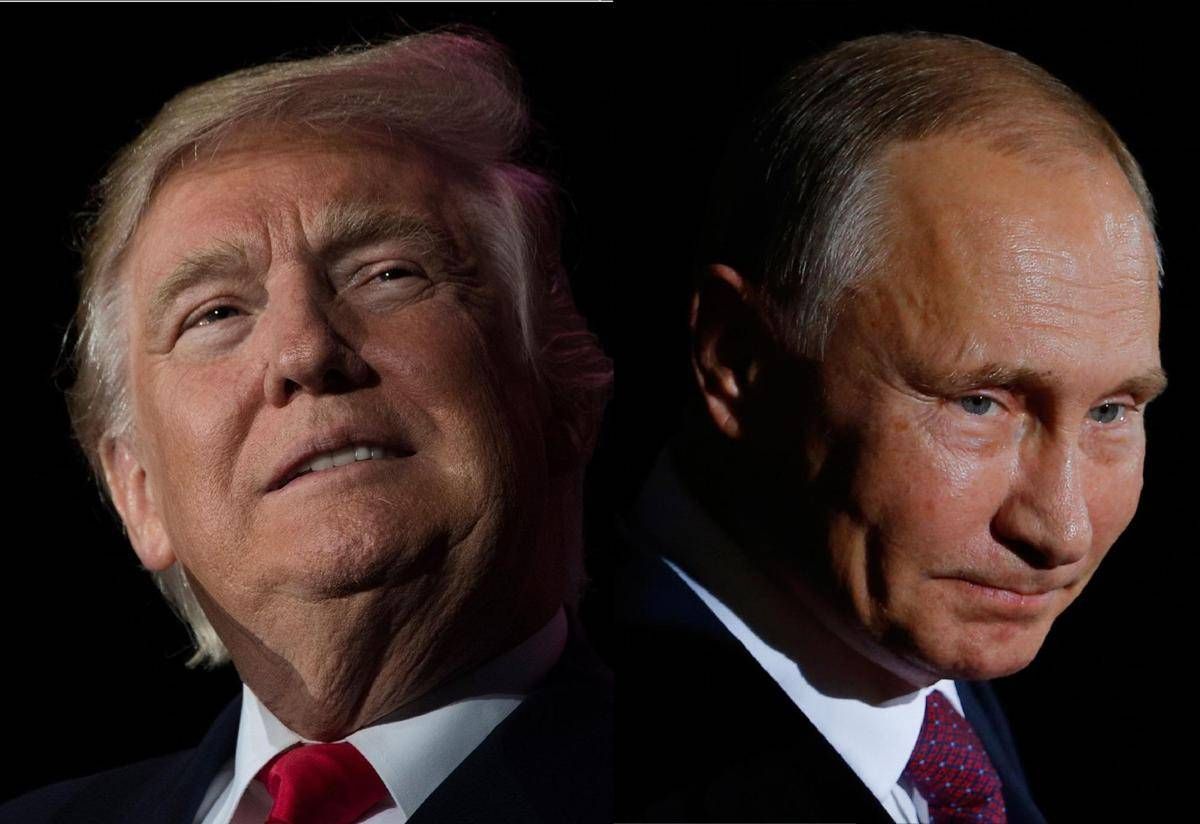
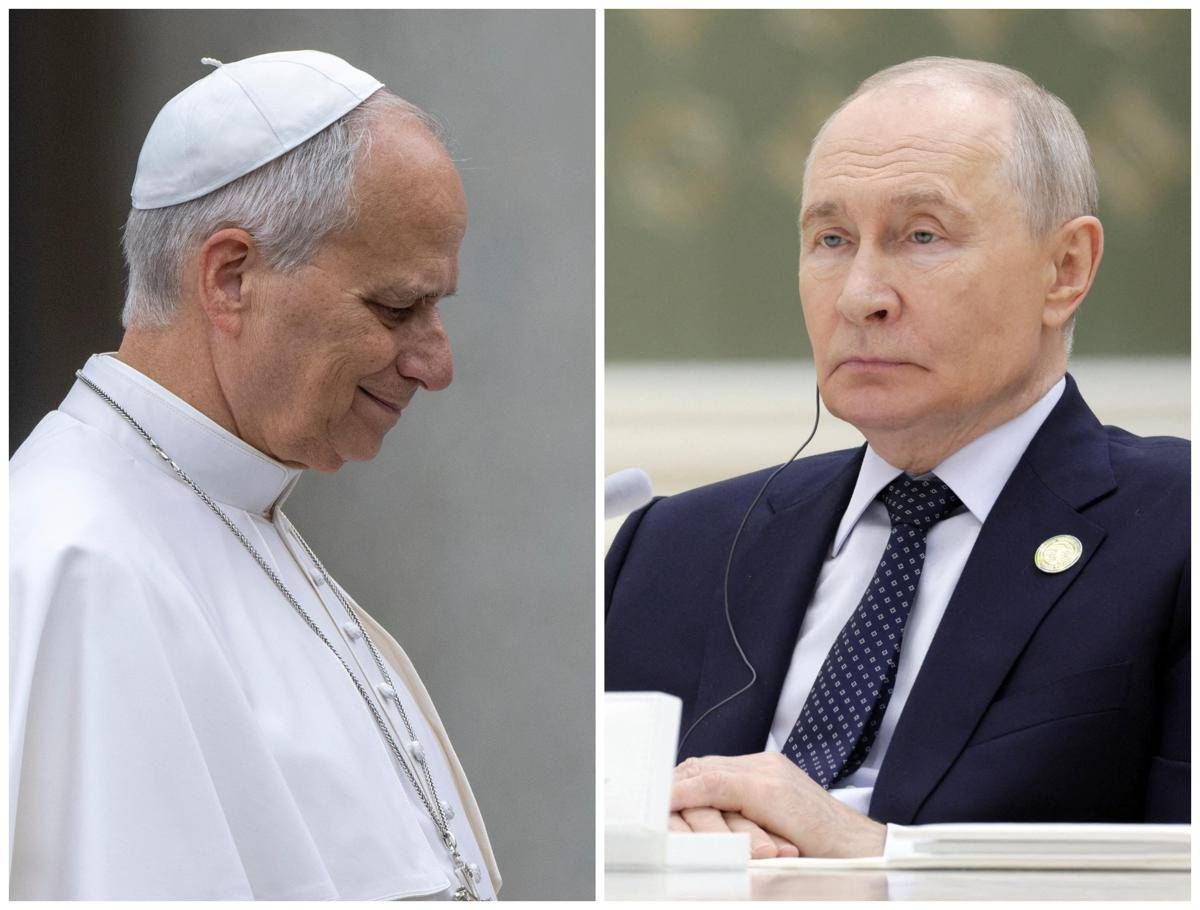
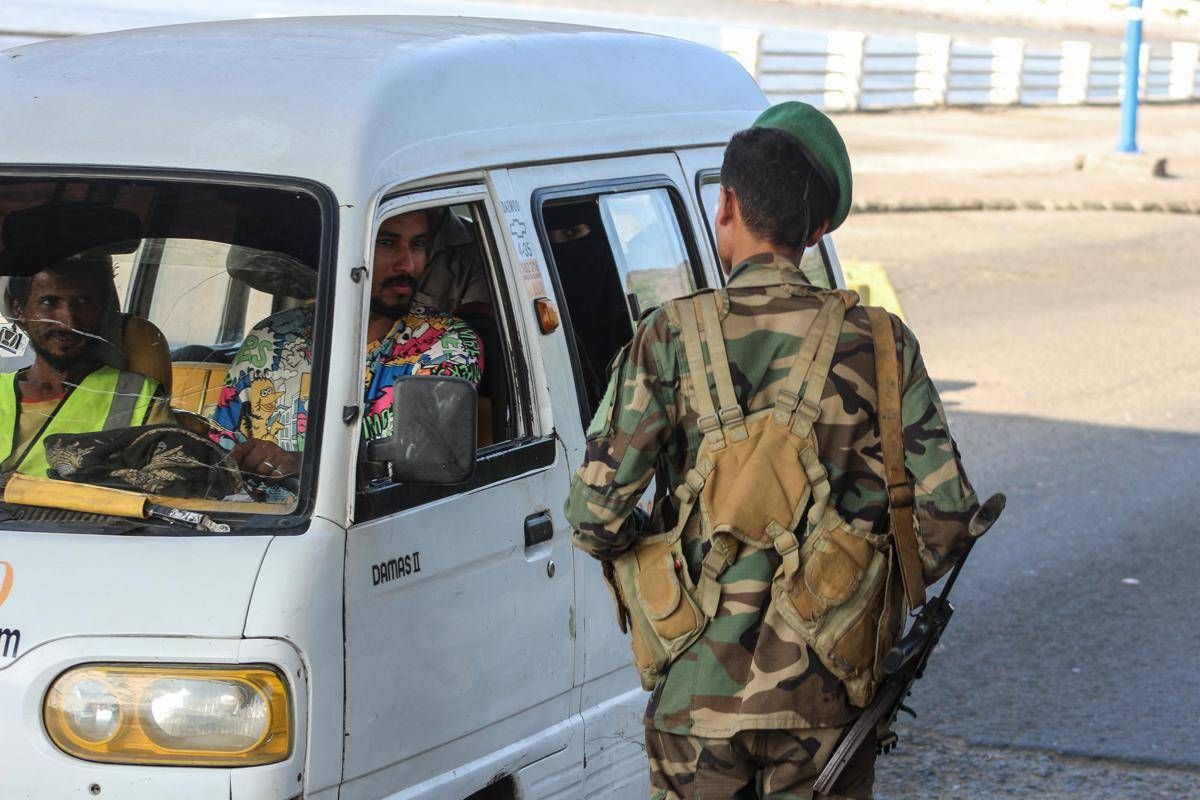
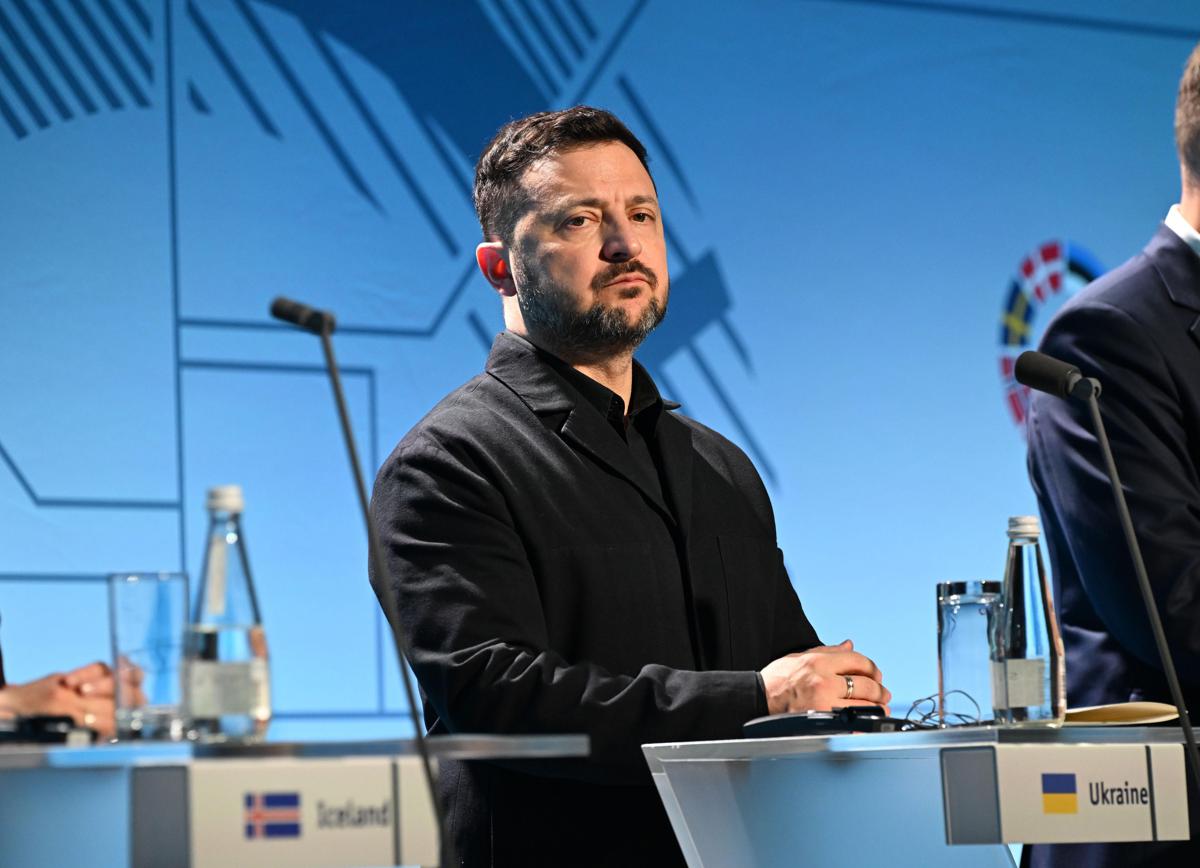
At a campaign rally in Dalton, Georgia, the president offered a rare personal admission about cosmetics before turning the moment...
Read More
International-News
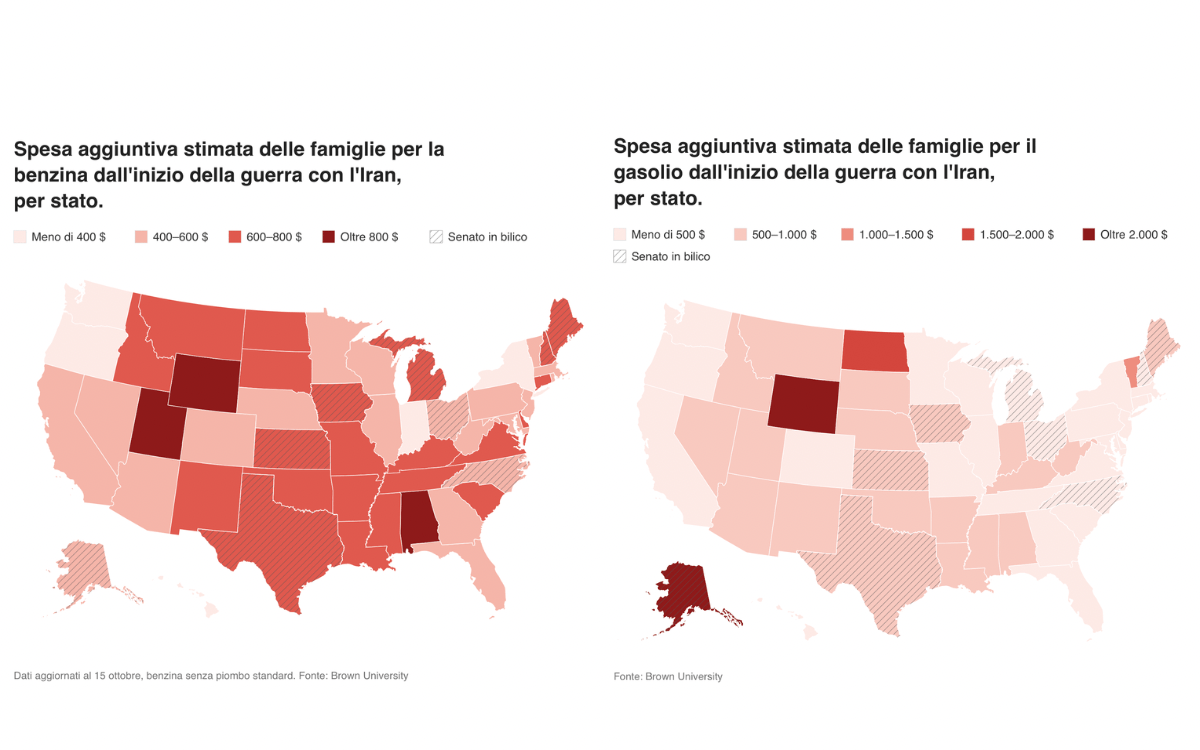
U.S. operations against Iran are not a “war,” Vance says
The vice president insists major combat has ended and warns Tehran over attacks on commercial ships
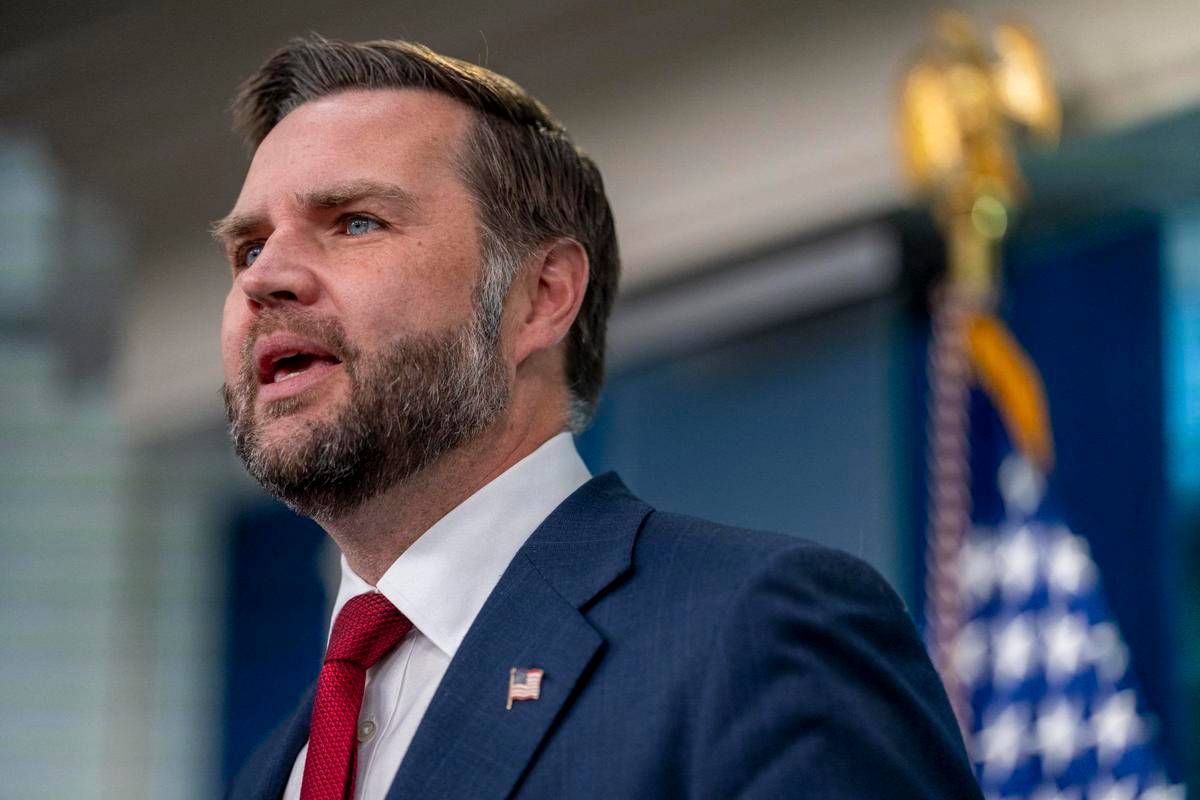
Vice President JD Vance is drawing a clear line around the nature of U.S. operations against Iran. Speaking at the White House, he rejected the idea that the confrontation amounts to a “war,” arguing that the current phase no longer involves active firefights. “I wouldn’t define it as a war. Right now, there are no ongoing firefights,” he said, responding to questions about whether the conflict could end before the Midterm elections.
Vance acknowledged that tensions have “flared up” at moments but maintained that the main combat operations are over. “When you ask me when it will end, you’re really asking: when will the Iranians stop firing at ships? I don’t know the answer. You’d have to ask the Iranians.”
He emphasized that Washington is keeping “all options on the table,” from economic pressure to military tools, diplomatic leverage and covert activity. But one point, he said, is non‑negotiable: “There will be no dialogue with Tehran as long as Iran keeps attacking commercial vessels in the Strait of Hormuz.” According to Vance, Iran’s grip on the strait has “effectively collapsed,” and Tehran is “losing capability day by day.”
Energy flows, he noted, have nearly returned to pre‑conflict levels. “My advice to the Iranians is to stop acting crazy and stop firing at commercial ships.”
Vance also pushed back against Iranian claims that a U.S. strike hit a wedding celebration, causing civilian casualties. “The United States never targets civilians. We are investigating thoroughly,” he said, adding that any mistakes are examined to improve operations.
He argued that U.S. efforts have prevented a global energy crisis. The mission, he said, has two priorities: stopping Iran from acquiring a nuclear weapon and protecting commercial navigation. Yesterday alone, 15 million barrels of oil passed through Hormuz. “No large‑scale combat operations are underway,” he added.
Despite the absence of direct diplomatic channels, Vance said the United States will continue using every available tool to prevent Iran from becoming a nuclear‑armed power. He noted that China has been “far more responsible” than Tehran in responding to attacks on commercial shipping, and that Gulf states, Turkey and Azerbaijan are quietly helping ensure that “the Iranians pay a price” for targeting commercial vessels — a pressure campaign that, according to Vance, will remain central as U.S. operations against Iran move forward.
THE LATEST NEWS
UK Storm Shadow Support for Ukraine Aims to Boost Pressure on U.S. Aid
16 October 2026
A British defense analyst says London’s latest military assistance package is unlikely to alter the battlefield in the short term...
Read More

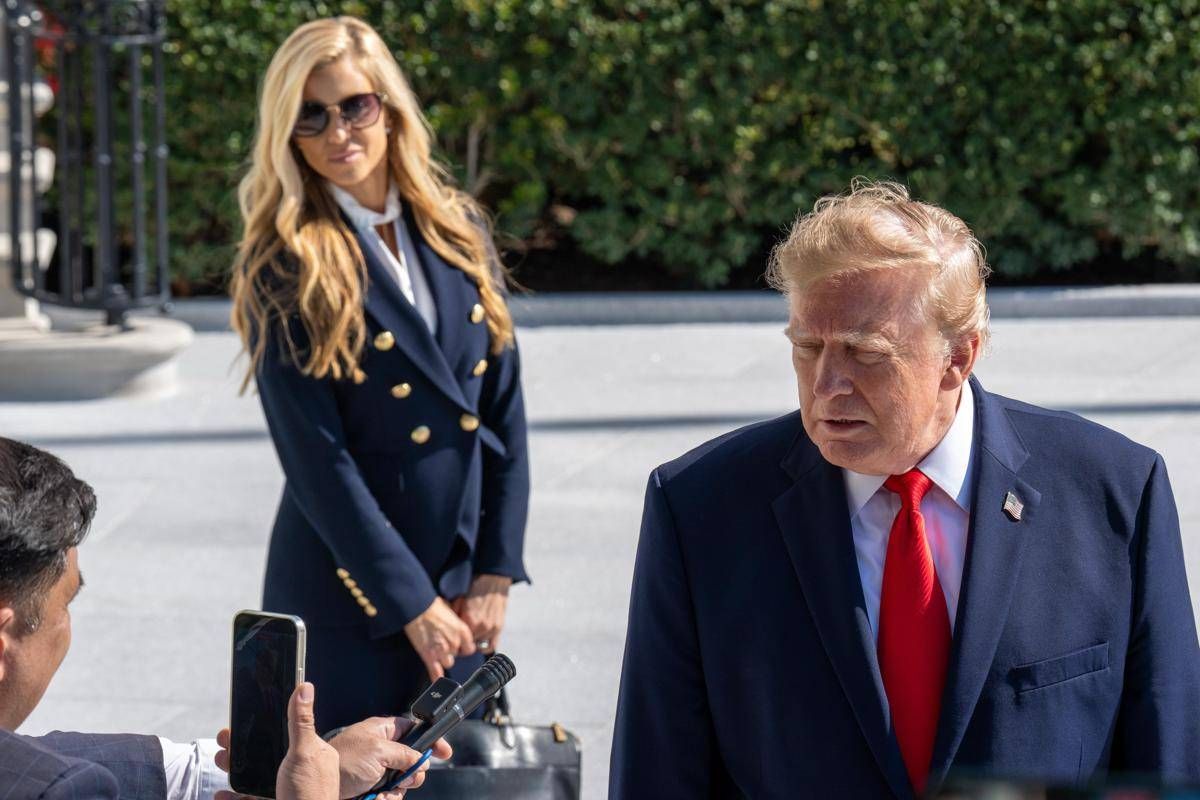
White House Spokeswoman Katie Zacharia May Exit Role Days After Appointment
16 October 2026
Just five days into her tenure, Katie Zacharia is facing mounting pressure after allegations she falsely claimed to be a...
Read More
Pope Leo XIV Urges Oleshky Humanitarian Truce in Call With Putin
16 October 2026
Speaking from Rome’s Gemelli Hospital while recovering from lung cancer surgery, the pontiff pressed for humanitarian access to the embattled...
Read More

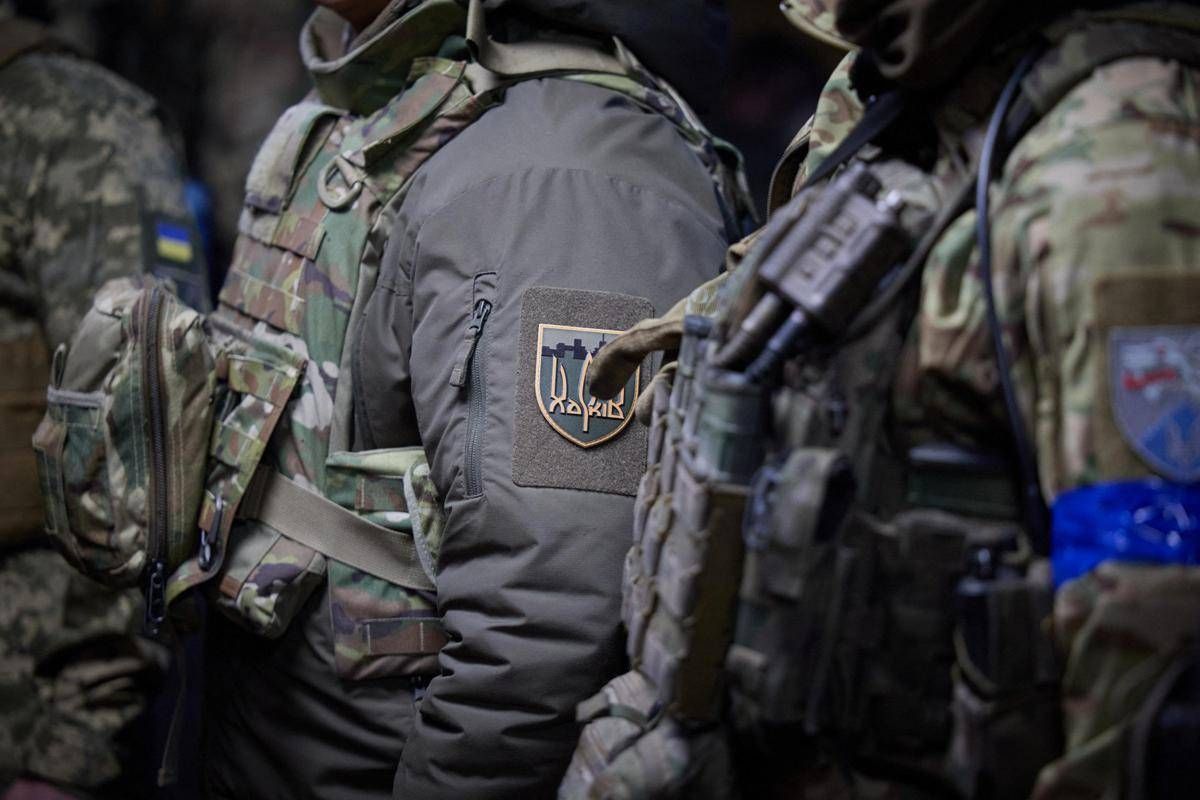
Russian Defector Who Aided Ukrainian Strikes Joins Anti-Putin Unit
16 October 2026
After helping Ukrainian forces target Russian positions responsible for more than 300 casualties, former communications officer Lev Stupnikov crossed the...
Read More
Princess Diana’s Secret Nighttime Missions in London Revealed by Former Royal Aide
16 October 2026
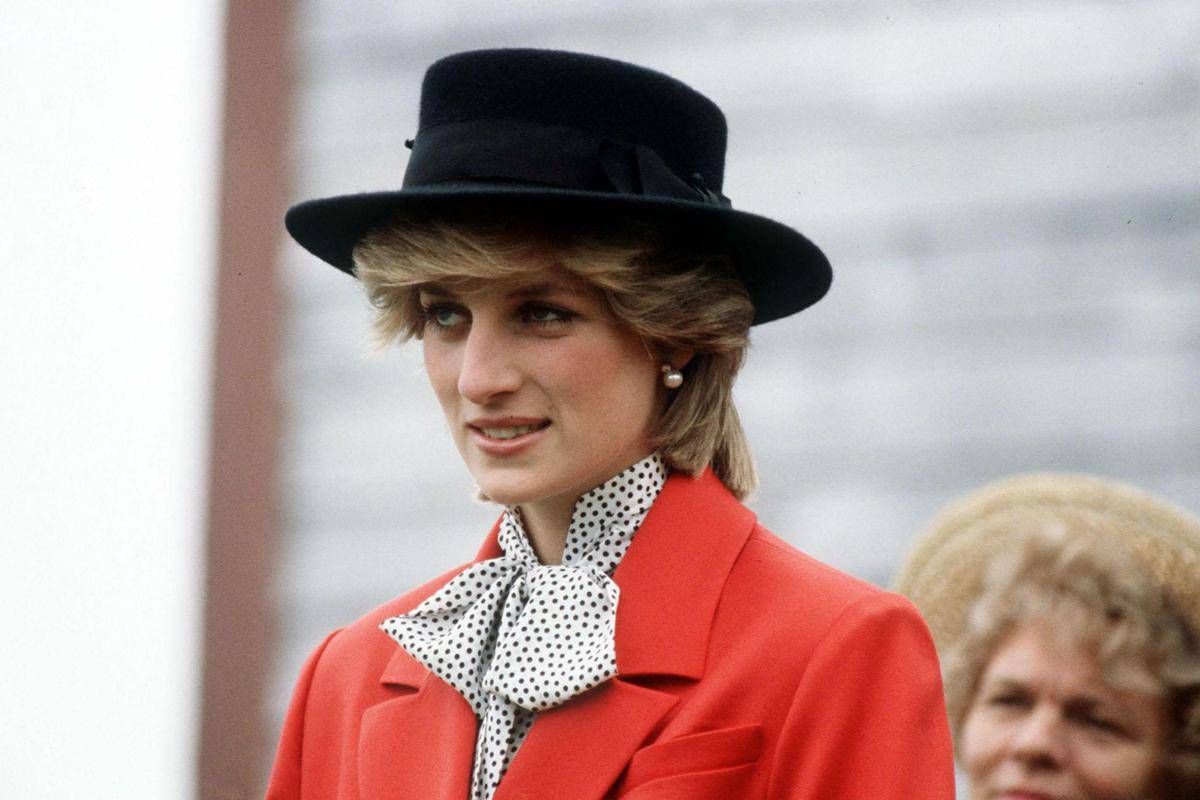
Former royal press secretary Dickie Arbiter says Princess Diana regularly slipped away from Kensington Palace at night to check on...
Read More
(Photo: © AndKronos)