At a campaign rally in Dalton, Georgia, the president offered a rare personal admission about cosmetics before turning the moment...
Read More
International-News
US Weapons Stockpile Reports Draw Denials Amid Iran Crisis
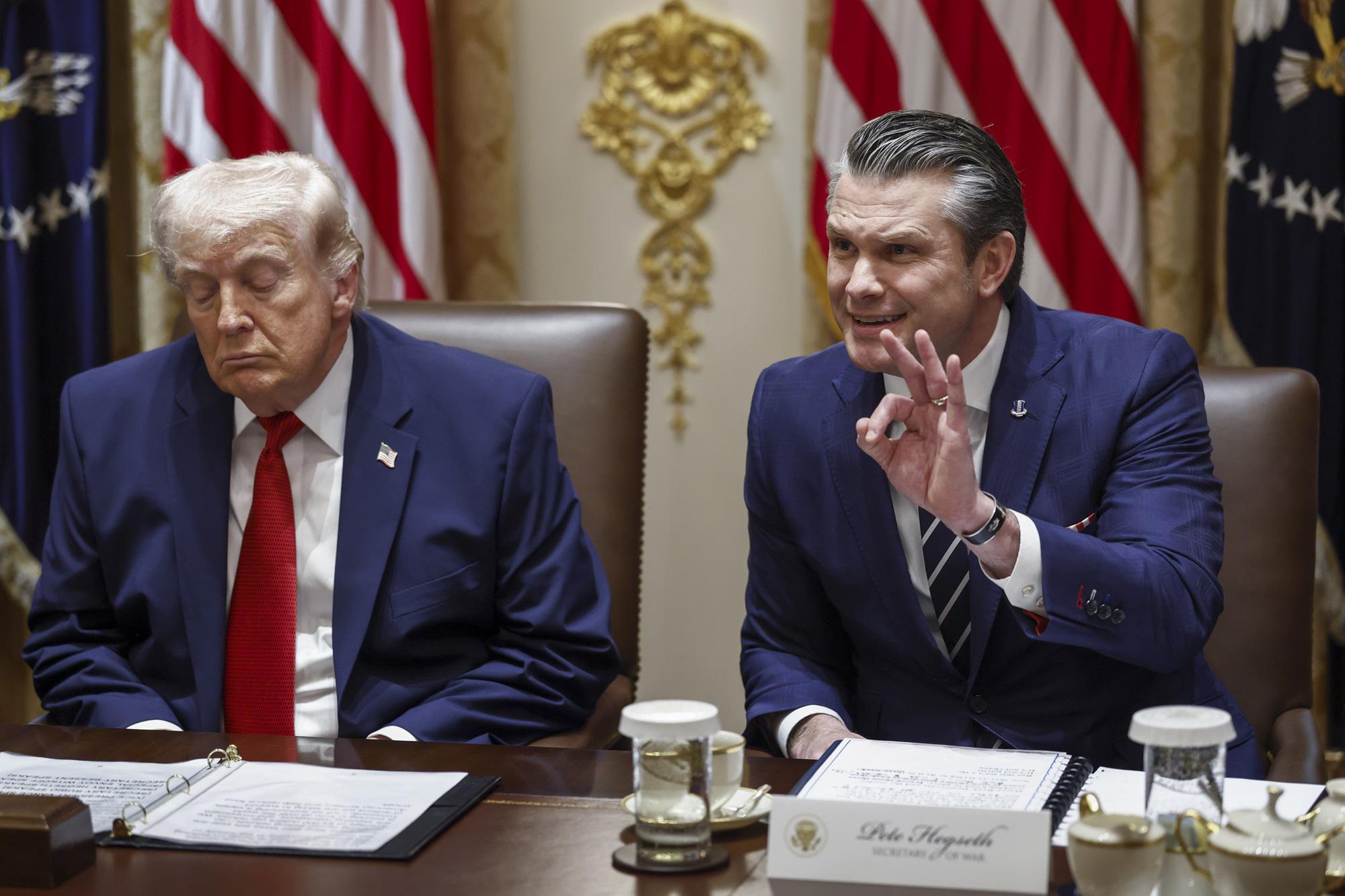
Conflicting accounts have emerged over the state of U.S. weapons stockpiles as the Trump administration balances military pressure and diplomacy during the standoff with Iran
US weapons stockpile reports have fueled conflicting narratives in Washington at a sensitive moment in the confrontation with Iran, with anonymous accounts describing shortages that senior administration officials strongly deny.
According to a report by The Washington Post, President Donald Trump expressed frustration with Defense Secretary Pete Hegseth during a meeting at Camp David last week after seeking an update on the nation’s weapons reserves. Citing unnamed sources, the newspaper said Trump believed supply issues had already been resolved but was told that concerns remained, particularly regarding air defense systems and interceptor missiles.
The report also claimed that limitations in available stockpiles influenced Washington’s approach to the crisis with Tehran. According to those accounts, Hegseth attributed responsibility for the situation to Deputy Defense Secretary Stephen Feinberg.
The White House has firmly rejected that version of events.
Press Secretary Karoline Leavitt described the report as “100% false,” stating that President Trump retains “full confidence” in Hegseth.
The Pentagon also dismissed the allegations. Spokesman Sean Parnell said there had been neither critical shortages nor internal disputes, calling reports of depleted stockpiles and tensions among senior officials entirely fabricated.
Meanwhile, the administration has pursued a more cautious strategy toward Iran, favoring diplomatic efforts over further military escalation. The stated objective is to reach an agreement that reduces tensions and helps safeguard security in the Strait of Hormuz.
Trump has also said he halted what he described as “the biggest attack since World War II,” while publicly insisting that the U.S. military possesses “enormous quantities of ammunition.”
Even so, figures cited by The Washington Post point to an extensive use of weapons during the early stages of the confrontation. In the first month of fighting alone, in March, U.S. forces reportedly launched more than 850 Tomahawk cruise missiles and used over 1,000 Patriot and THAAD air defense interceptors.
The report also said that more than 1,300 Army tactical ballistic missiles were fired during the opening weeks of the conflict. According to U.S. sources cited by the newspaper, stockpiles of ATACMS short-range missile systems were nearly exhausted.
Trump has also sharply criticized what he called “leakers” for providing information to the media, accusing them of “treason” and warning about the risks of disclosing sensitive military information.
The competing accounts leave an uncertain picture, with anonymous reports alleging supply concerns and official statements categorically denying any shortages, as the United States continues to navigate the Iran crisis through a combination of military deterrence and diplomatic engagement.
THE LATEST NEWS
UK Storm Shadow Support for Ukraine Aims to Boost Pressure on U.S. Aid
16 October 2026
A British defense analyst says London’s latest military assistance package is unlikely to alter the battlefield in the short term...
Read More

White House Spokeswoman Katie Zacharia May Exit Role Days After Appointment
16 October 2026
Just five days into her tenure, Katie Zacharia is facing mounting pressure after allegations she falsely claimed to be a...
Read More
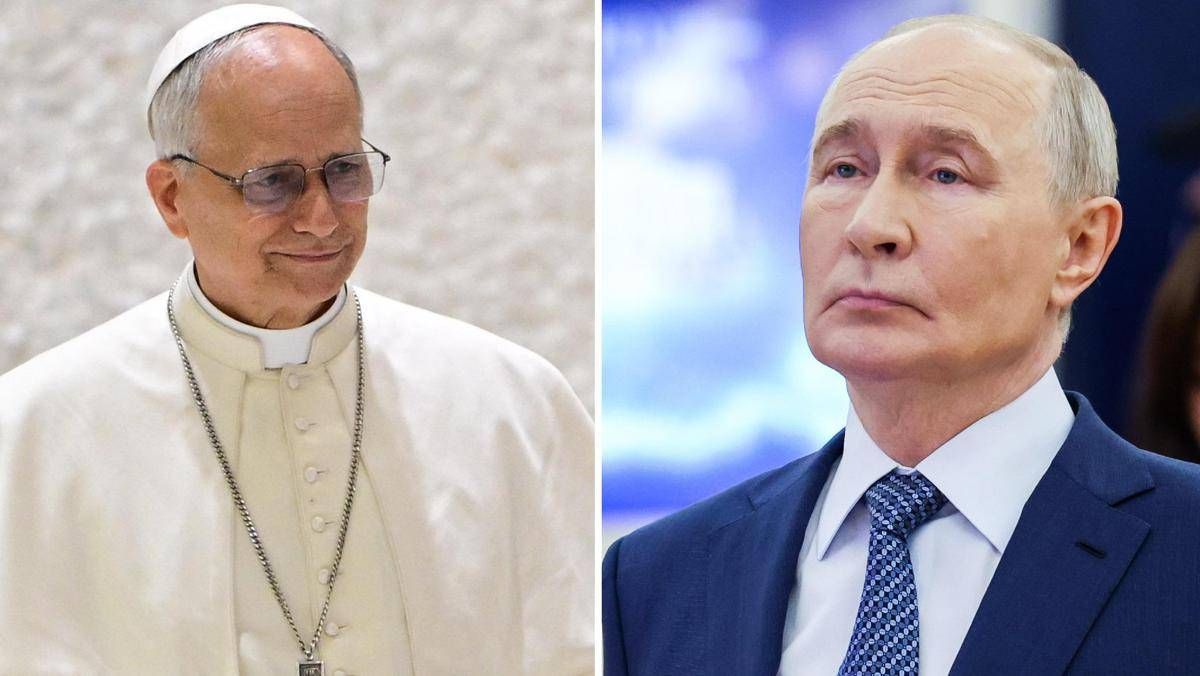
Pope Leo XIV Urges Oleshky Humanitarian Truce in Call With Putin
16 October 2026
Speaking from Rome’s Gemelli Hospital while recovering from lung cancer surgery, the pontiff pressed for humanitarian access to the embattled...
Read More
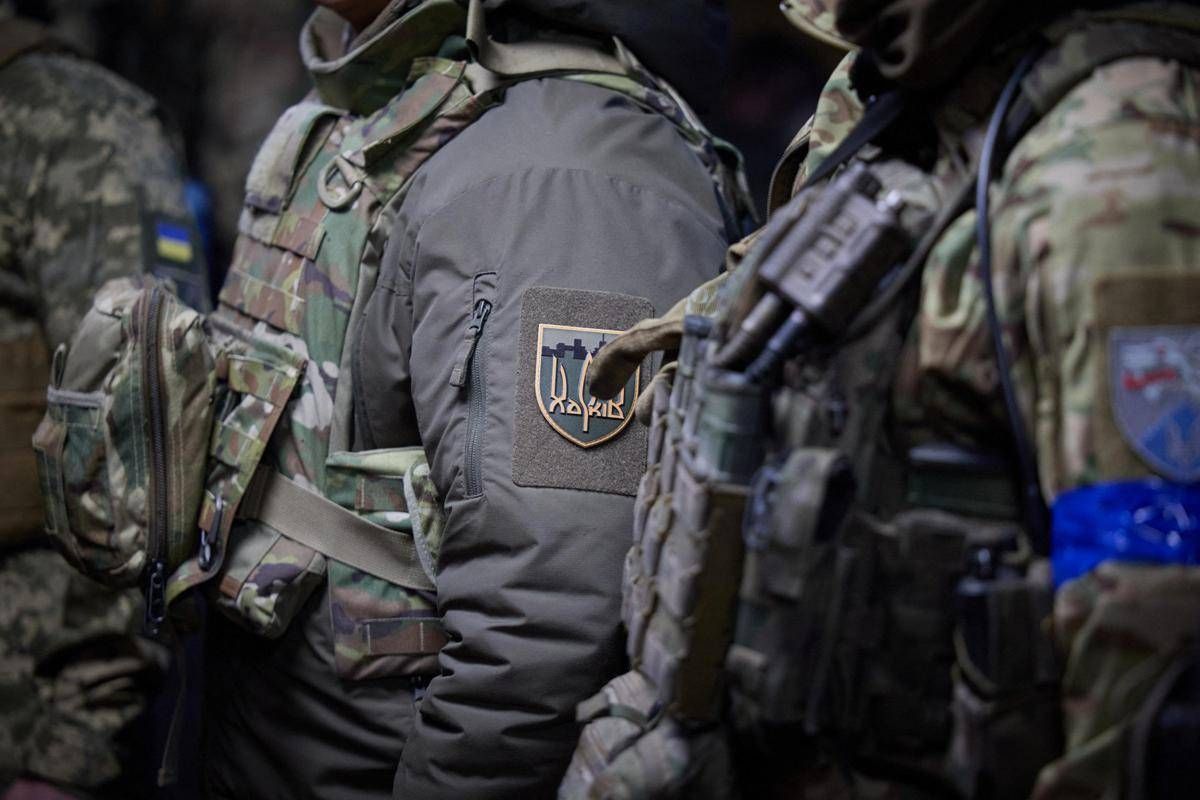
Russian Defector Who Aided Ukrainian Strikes Joins Anti-Putin Unit
16 October 2026
After helping Ukrainian forces target Russian positions responsible for more than 300 casualties, former communications officer Lev Stupnikov crossed the...
Read More
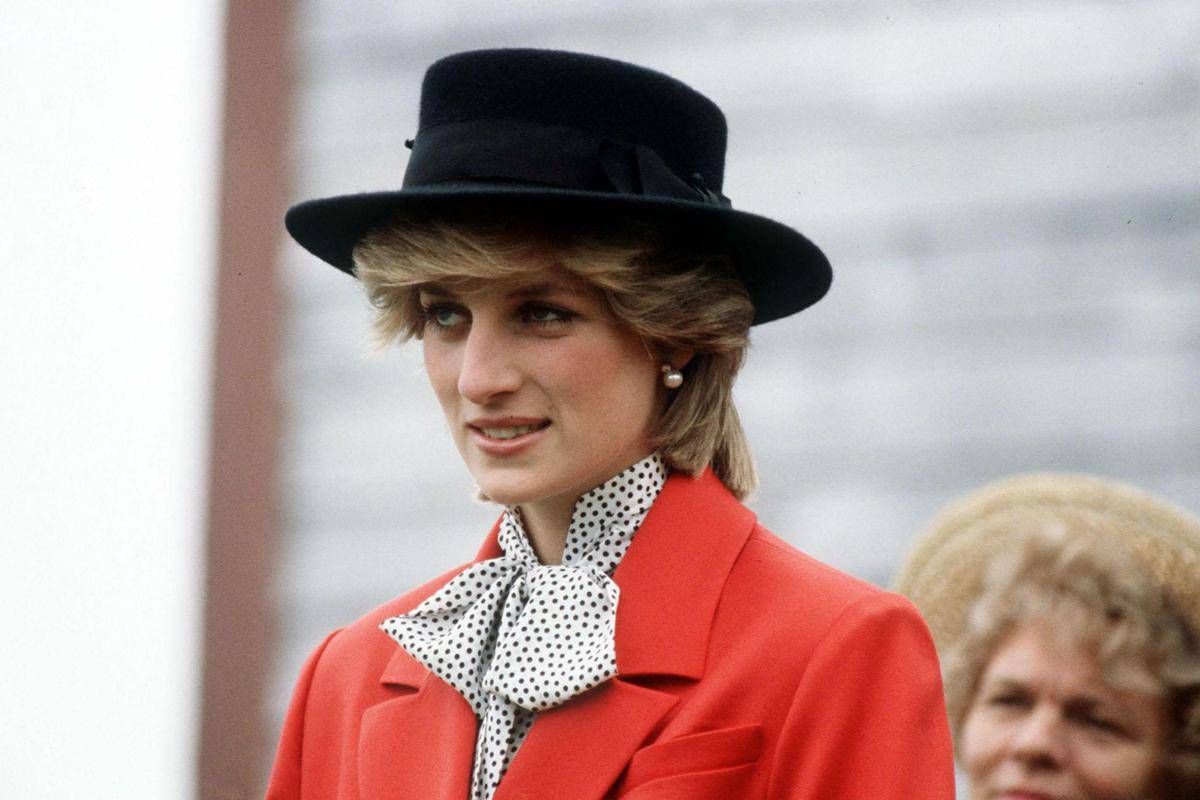
Princess Diana’s Secret Nighttime Missions in London Revealed by Former Royal Aide
16 October 2026
Former royal press secretary Dickie Arbiter says Princess Diana regularly slipped away from Kensington Palace at night to check on...
Read More
(Photo: © AndKronos)