
International-News
Trump wins Supreme Court ruling on mail-in voting limits
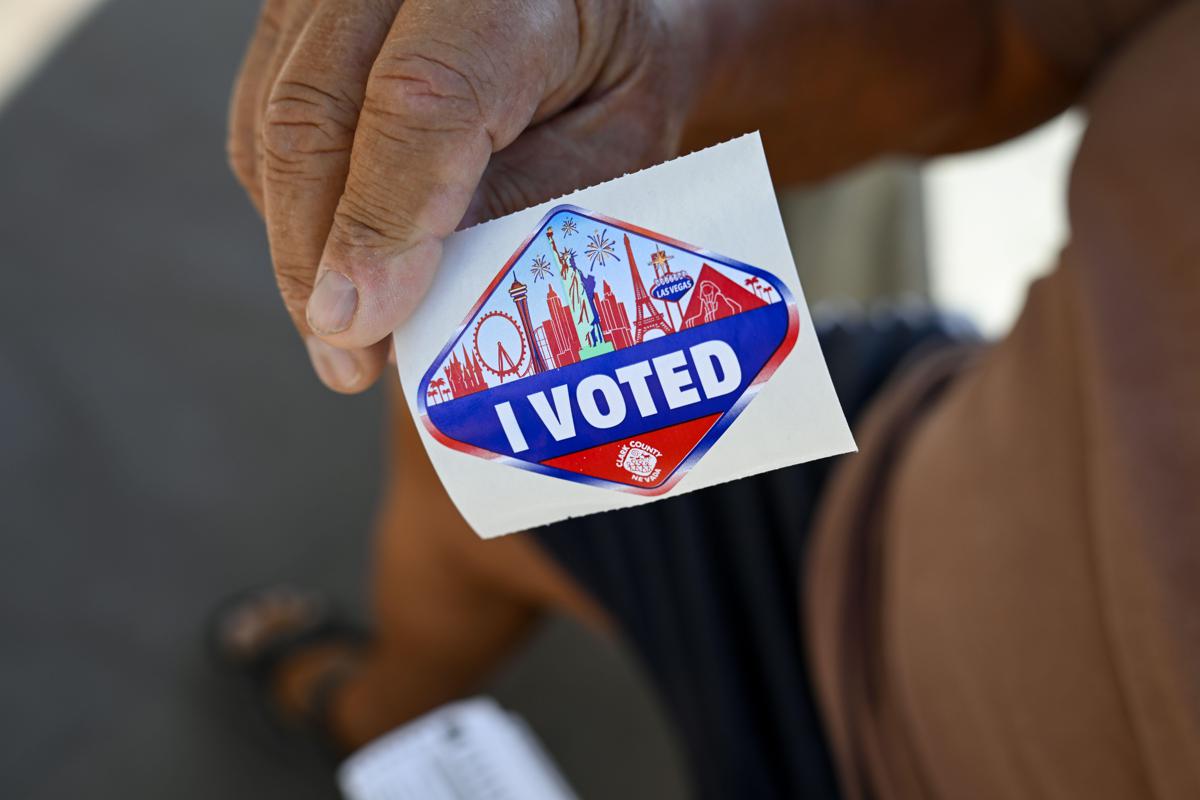
The conservative majority lifts a lower-court order blocking the president’s restrictions ahead of the November 2026 midterm elections, while leaving open a future legal challenge
President Donald Trump has secured an initial victory at the Supreme Court in his effort to restrict mail-in voting ahead of the November 2026 midterm elections. The court’s conservative majority, over the dissent of its three liberal justices, lifted a federal judge’s order that had blocked implementation of Trump’s executive order restricting the U.S. Postal Service from sending mail-in ballots to voters who do not appear on federally compiled lists of American citizens.
The ruling overturns a decision issued last June by a federal judge in Massachusetts, who had sided with Democratic-led states challenging the president’s order. The Supreme Court majority did not rule on whether Trump’s executive order itself is lawful. Instead, the justices held that the federal judge had acted without sufficient authority to block the policy before the Postal Service had actually implemented the new rules.
The federal lists of citizens created by the administration have raised concerns because election administration has traditionally been controlled by individual states. Trump has justified the measure by repeatedly alleging, without supporting evidence, that large numbers of noncitizens voted in recent elections and that their votes contributed to his defeat in 2020.
The conservative justices emphasized that states would still be able to challenge the Postal Service’s final measures if those rules cause them harm. The decision therefore leaves the central legal question unresolved: whether the administration can lawfully impose the restrictions contained in Trump’s executive order.
Justice Ketanji Brown Jackson sharply criticized the ruling, describing it as a “Kafkaesque nightmare” that could inject “unnecessary chaos” into the electoral process. Justices Sonia Sotomayor and Elena Kagan also stressed that the court had not determined whether Trump’s attempts to interfere with the states’ administration of the November 2026 elections are legal.
The White House welcomed the decision, praising what it called the “common-sense measures” contained in Trump’s executive order. “This administration will continue to lawfully implement President Trump’s election agenda, which includes securing our elections,” White House spokeswoman Lauren Bis said.
Democratic-led states immediately vowed to continue their legal challenge to Trump’s effort to restrict mail-in voting, a method that has traditionally benefited Democrats. New York Attorney General Letitia James called the ruling “a painful defeat,” but added that it “will not be the last word.”
California is also preparing another legal challenge. Democratic Gov. Gavin Newsom said on X that the state would again sue to block what he described as Trump’s attack on mail-in voting, insisting that California voters would continue to receive their ballots by mail.
The Supreme Court’s conservative majority nevertheless made clear that its decision was narrowly focused. The justices said the lower court’s injunction had been premature because it was issued before the federal government had actually put Trump’s order into effect. At the same time, they acknowledged that the measures eventually adopted to implement the order could still face legal scrutiny.
That leaves open the possibility of another court battle over the regulations ultimately adopted by the Postal Service. Richard Hasen, a UCLA law professor and head of the Safeguarding Democracy Project, told The Washington Post that the issue is likely to return to the Supreme Court after what he described as a “narrow and technical” ruling.
A renewed Supreme Court case could come much closer to the midterm elections, potentially increasing uncertainty over how mail-in voting will be administered in November 2026.
THE LATEST NEWS
[recent_post_slider design=”design-07″ show_author=”false” slider_height=”390″ lazyload=”progressive” limit=”6″ category=”11728″]
(Photo: © AndKronos)

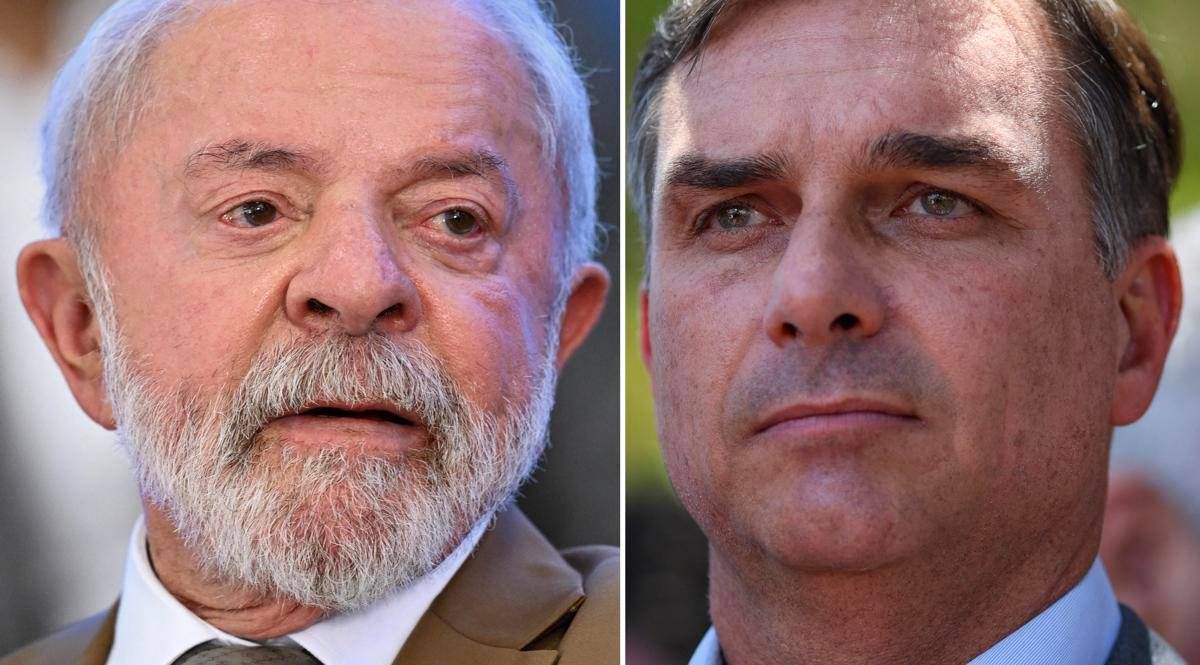
Brasile al voto, Lula e Bolsonaro testa a testa: cosa dicono i sondaggi
Il ballottaggio si apre con un margine minimo tra i due candidati. Datafolha registra una parità al 50%, mentre le...


Riscaldamento, le mosse per spendere meno
Secondo uno studio Enea, ripristinare le misure adottate durante la crisi energetica del 2022 potrebbe ridurre il consumo di gas...

Ostia senza internet, connessione in tilt anche ad Acilia e Infernetto
Dalle prime ore di domenica 25 ottobre numerose segnalazioni sui gruppi Facebook. Il disservizio sembra coinvolgere utenze domestiche di diversi...

F1, GP Stati Uniti 2026: Antonelli in pole, griglia e orari tv
A Austin il leader del Mondiale parte davanti a Max Verstappen. Gara alle 21, in diretta su Sky e in...
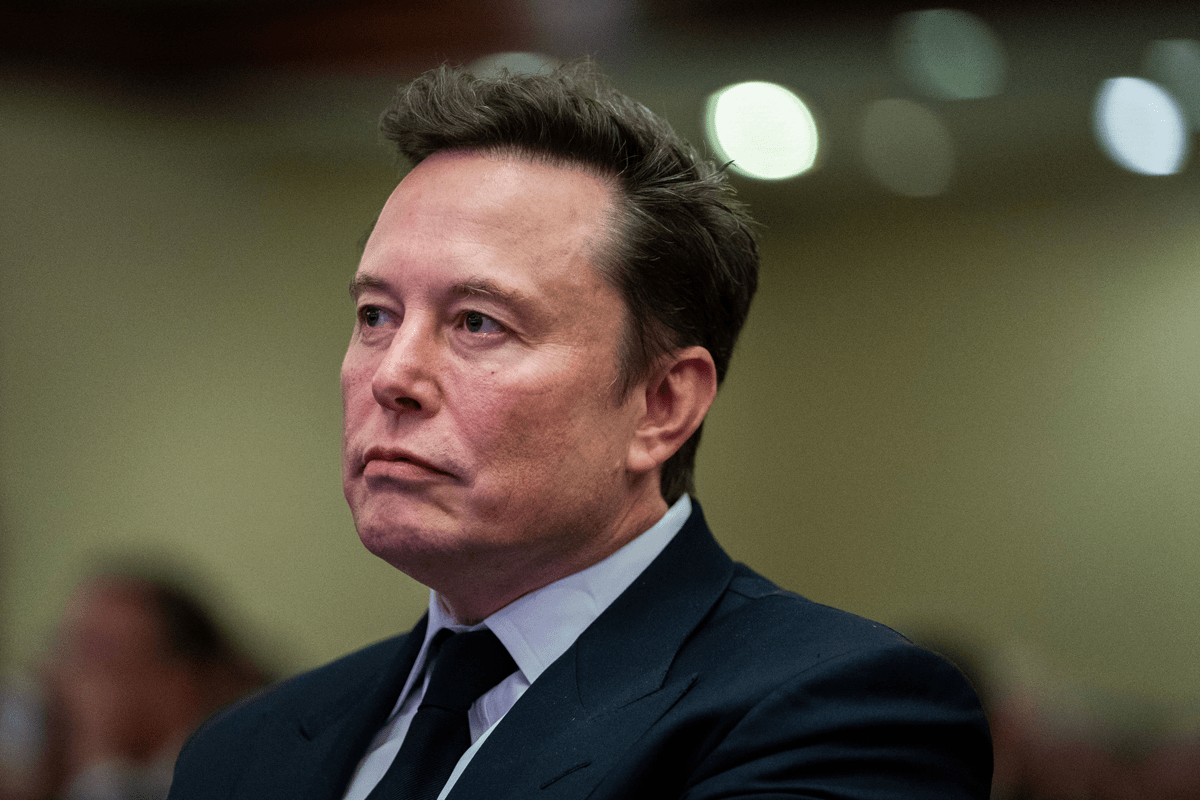
Musk accusa Kiev: «Ha usato Starlink per uccidere con i droni»
Il patron di SpaceX sostiene che l’esercito ucraino abbia violato le condizioni del servizio satellitare. Zelensky aveva denunciato rallentamenti della...

MotoGP Australia, Marquez in pole: griglia di partenza e orari tv
Il GP di Phillip Island scatta domenica 25 ottobre alle 4 ora italiana. Diretta esclusiva su Sky, differita in chiaro...

Torino, scontri al corteo contro il riarmo: cariche e lancio di oggetti
I manifestanti hanno tentato più volte di superare i blocchi delle forze dell’ordine nel centro città. Nuovi momenti di tensione...

Cassano allo Jonio, agguato al boss Damiano Pepe: uccisa la moglie
L’uomo, 64 anni, è rimasto gravemente ferito ed è ricoverato all’ospedale di Cosenza. I sicari hanno aperto il fuoco contro...


Ora solare, lancette indietro stanotte: risparmi e novità per il 2027
Nella notte tra sabato 24 e domenica 25 ottobre si torna all’ora solare. Intanto, alla Camera si valuta il superamento...

Movimento 17 ottobre, indagato Youssef Siher: perquisito a Milano
Il trentenne, giornalista freelance e attivista pro Pal originario di Brescia, è indagato per istigazione a delinquere. Piantedosi lo indica...
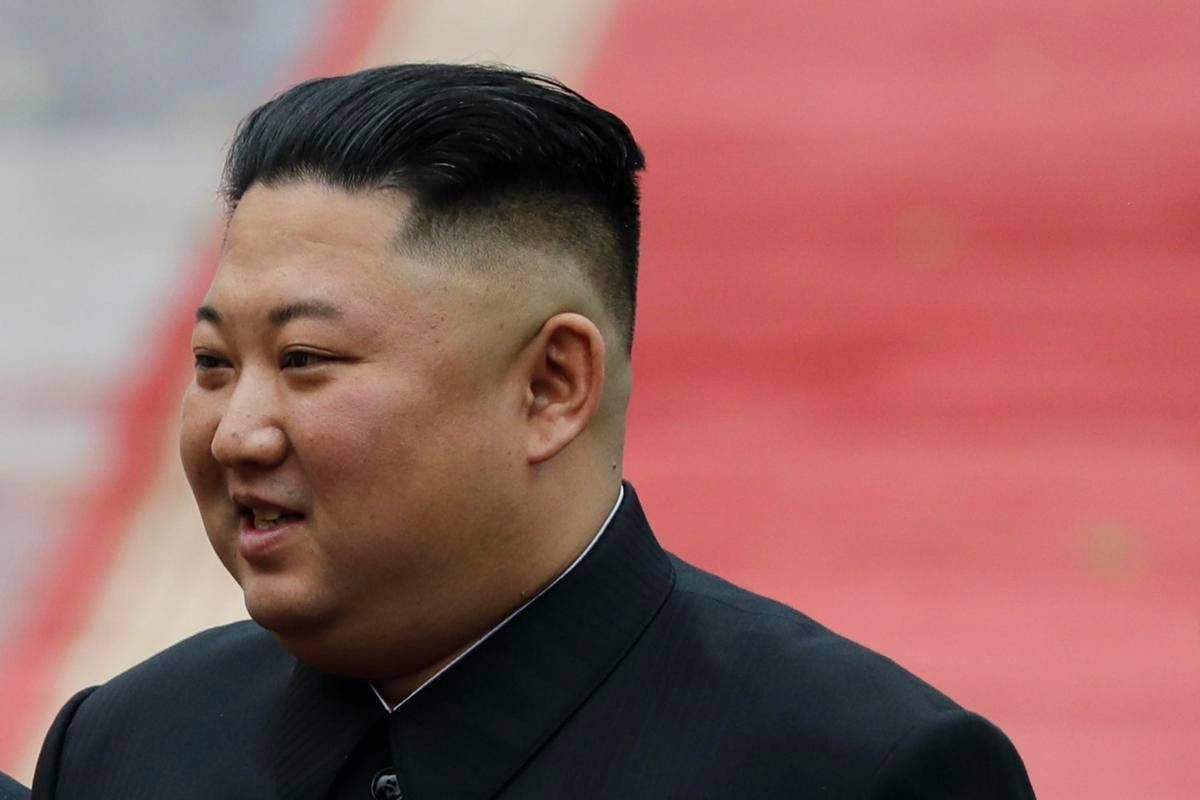
Kim Jong-un riappare in Cina dopo le voci sulla sua possibile morte
Il leader nordcoreano è arrivato a Dandong attraversando il nuovo ponte sul fiume Yalu. La notizia è stata riferita da...

Ostia, esplosione in una palazzina di cinque piani: evacuate 11 famiglie
L’incidente è avvenuto ieri sera, intorno alle 21.40, in via dei Velieri. Una persona è rimasta ferita Undici famiglie sono...
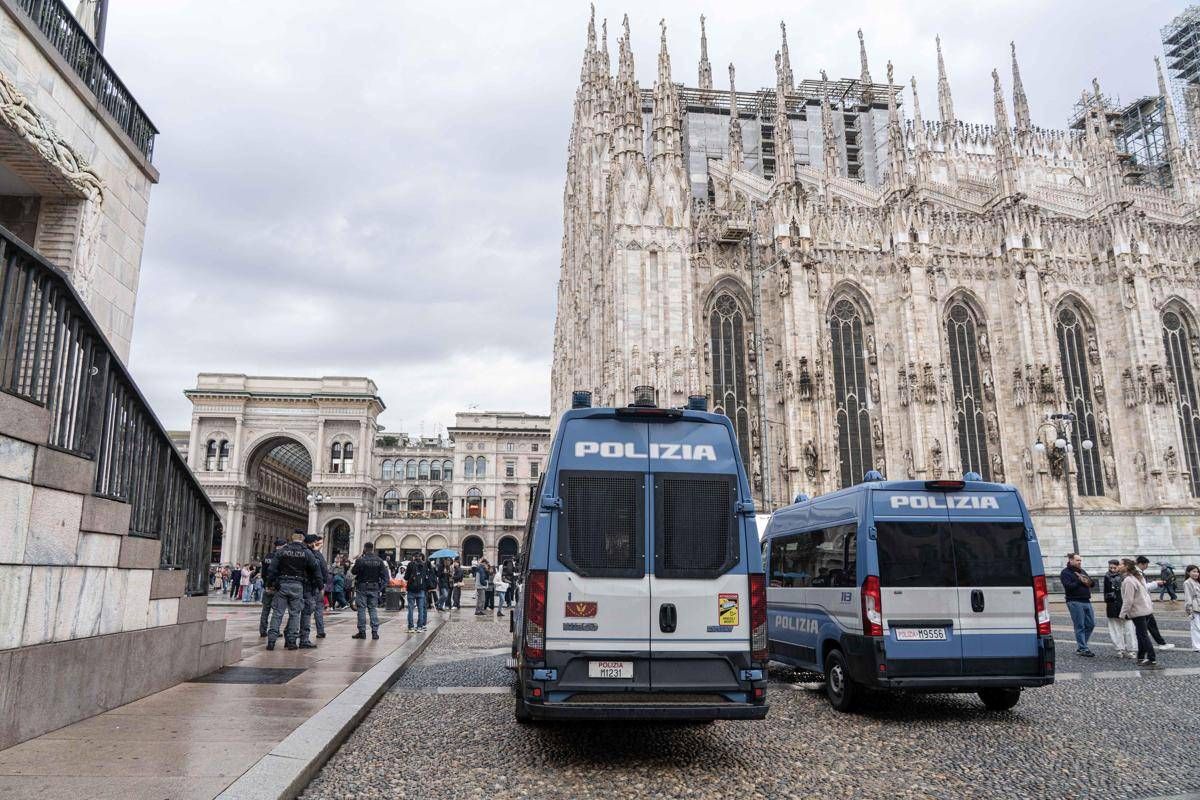
Manifestazioni del 24 ottobre, allerta sicurezza in tutta Italia: 100 perquisiti
Circa cento persone, tra cui 51 minorenni, sono state perquisite in 18 città dopo i disordini del fine settimana scorso....
Mondiale MotoGp, Marquez allunga in vetta dopo il successo australiano
Il pilota Ducati sale a 365 punti, mentre Alex Marquez chiude secondo la Sprint. Il duello per la testa della...
UPDATE Ukraine Confirms Oleshky Ceasefire as Humanitarian Corridor Set to Open in Russian-Occupied Town
Kyiv formally backs the localized truce announced by the White House, paving the way for civilian evacuations and aid deliveries...
AGGIORNAMENTO Ucraina, accordo per il cessate il fuoco a Oleshky: c’è la conferma di Kiev
La tregua è prevista dal 27 ottobre nella cittadina sulla riva sinistra del Dnipro, di fronte a Kherson, a soli...