
International-News
Iran Dirty Bomb Plot: U.S. Intelligence Raises Alarm Over Washington Threat
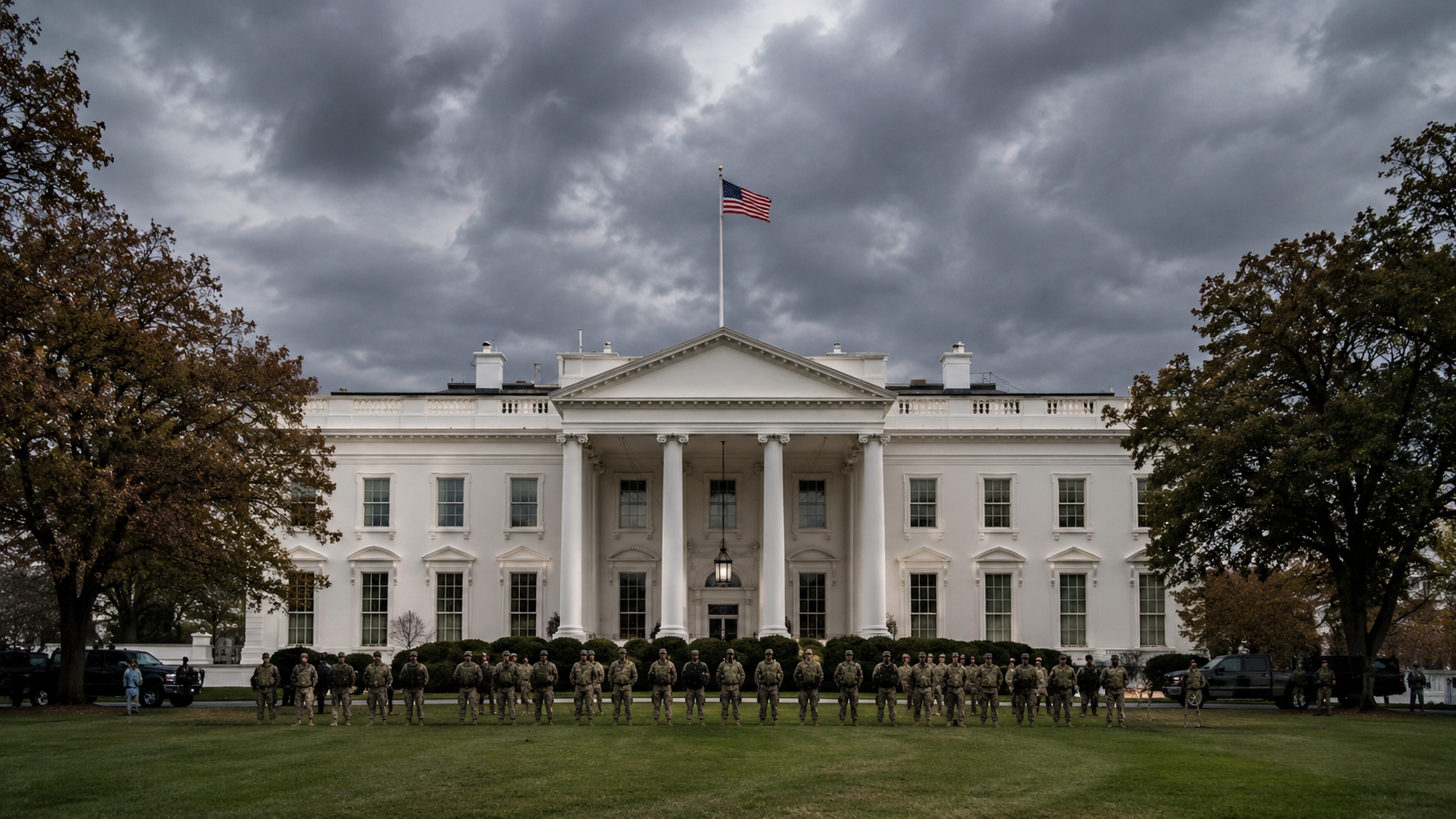
Intercepted intelligence reportedly identifies potential targets and locations in the U.S. capital, prompting contingency planning. The White House says there is currently no credible threat to the American homeland, while Tehran rejects allegations involving chemical weapons
Washington is confronting a new security concern as U.S. intelligence agencies assess information indicating that Iran may be developing plans to strike senior Trump administration officials on American soil using a radioactive dirty bomb or chemical weapons. The reported preparations have triggered contingency planning across the federal government, although intelligence officials have not established that Tehran has decided to carry out an attack.
The warning, first reported by CNN on November 16 and based on information from seven U.S. officials, points to a potential escalation in the confrontation between Washington and Tehran. Unlike previous concerns centered primarily on American military and diplomatic personnel overseas, the latest intelligence focuses on possible targets inside the United States, including locations in the nation’s capital.
Two officials familiar with the intelligence told CNN that the planning was unusually specific, identifying potential locations and targets in Washington. The information has prompted a series of meetings among U.S. officials over the past week to assess the threat and prepare possible responses.
But the distinction between planning and an imminent operation remains critical. Sources familiar with the intelligence described Iran’s efforts as an attempt to develop options rather than evidence that an attack was about to happen. American officials are also divided over whether Tehran has the personnel and operational capabilities necessary to execute such a plot.
The White House has sought to prevent the intelligence report from being interpreted as an indication of an immediate threat to the public.
“We are monitoring any and all potential threats, but at this time there are no credible threats to the homeland,” White House spokesperson Lauren Bis said in a statement.
That assessment does not mean the intelligence has been dismissed. Officials have instead treated the information as sufficiently serious to warrant additional security measures and contingency preparations.
One particularly concerning element involves intercepted communications in which Iranian sources allegedly claimed that bomb-making materials had already been concealed inside the United States. According to CNN, U.S. intelligence agencies have picked up this information, although officials disagree over how credible the claims are.
A dirty bomb is not a nuclear weapon. It combines conventional explosives with radioactive material, dispersing contamination when detonated. Its destructive power is primarily associated with the explosion itself and the potential contamination of the surrounding area, rather than a nuclear chain reaction.
U.S. officials have expressed concern that an operation of this kind would not necessarily require Iranian operatives to enter the country. One possibility under consideration is that Tehran could attempt to recruit or persuade someone already living in the United States to carry out an attack.
The intelligence has also raised questions about the possible presence of radioactive or chemical materials inside the country. Officials have not publicly established that such materials have been positioned for an attack, and the credibility of some of the intercepted claims remains disputed.
Security concerns extend beyond Washington
The reported threat against senior administration officials is not the only Iranian activity being monitored by American intelligence agencies.
According to two U.S. officials cited by CNN, intelligence services are also examining indications that Iran could consider using chemical weapons against American military personnel stationed in the Middle East.
That possibility has prompted a separate contingency-planning effort aimed at ensuring that U.S. diplomatic and intelligence personnel in the region have adequate protective equipment and training.
Some officials have raised concerns about whether American troops currently possess sufficient equipment and preparation to respond effectively to a chemical weapons attack.
The security implications have also reached the highest levels of the administration. Treasury Secretary Scott Bessent was moved into military housing last week following threats linked to Iran, according to reports published on November 17. He is among several senior members of the Trump administration whose security arrangements have been tightened amid concerns about potential Iranian retaliation.
The reported preparations reflect a broader concern within the U.S. government that the confrontation with Tehran could extend beyond conventional military operations and affect American officials and personnel in multiple locations.
Tehran rejects chemical weapons allegations
Iran has rejected the accusations concerning the possible use of chemical weapons.
In a statement issued through its diplomatic mission to the United Nations in New York, Tehran said that the use of chemical weapons under any circumstances was illegitimate and categorically denied the allegations, describing them as false and fabricated.
The statement addressed the chemical weapons claims but did not specifically respond to the intelligence reporting about a potential dirty bomb operation in Washington.
The Office of the Director of National Intelligence declined to comment on the intelligence described by CNN. The lack of an official public assessment leaves important questions unanswered, including whether the alleged materials exist inside the United States and whether Iranian authorities have established any operational network capable of carrying out an attack.
The intelligence concerns come as Iran faces continued U.S. military strikes and an increasingly restrictive economic blockade. Senior officials in the Trump administration have described the economic pressure as devastating for the country.
Diplomatic efforts to end the conflict remain stalled, with Washington and Tehran divided over the conditions required to stop hostilities, the blockade and the future of the Strait of Hormuz.
Against that backdrop, American intelligence officials are examining whether Iran’s reported planning represents an attempt to prepare additional means of retaliation. For now, however, the U.S. government’s public position remains that there is no credible imminent threat to the American homeland.






You must be logged in to post a comment Login