
International-News
Russia’s Ukraine War Death Toll May Exceed 450,000, Leaked Data Suggest

A breach of Russia’s state statistics agency has exposed a vast accounting of wartime deaths, including military personnel and civilians. The figures remain difficult to verify in full, but appear consistent with other estimates of Russian losses
The human cost of Russia’s invasion of Ukraine may be far higher than the Kremlin has acknowledged. Data stolen from Russia’s state statistics agency suggest that more than 450,000 Russians have died since the full-scale invasion began in 2022, in what could be the country’s deadliest conflict since World War II.
The figures come from a data breach attributed to two Belarusian hacker groups, Cyber Partisans and Silent Crow, which carried out attacks on Oct. 29 and Nov. 1. The groups are banned in Russia and designated as extremist organizations. The Moscow Times reported on the leaked material, which appears to provide the most extensive accounting yet of Russian deaths in the war.
Moscow has not officially released battlefield casualty figures since September 2022 and has repeatedly dismissed independent estimates as unreliable. If the leaked numbers are broadly accurate, the death toll would dwarf the roughly 13,000 Soviet troops killed during the nine-year war in Afghanistan.
“This is the most significant data leak ever recorded concerning Russian casualties,” Janis Kluge, head of the Russia and Eurasia division at the German Institute for International and Security Affairs, told the Moscow Times. “I think it is now an established fact that the war has never been this lethal as it is right now.”
The total compiled by Silent Crow includes not only active-duty military personnel but also civilians killed in airstrikes and during Ukraine’s 2024 incursion into Russia’s Kursk region. Even so, the overall toll could be higher: the data do not account for soldiers missing in action or an estimated 27,000 foreign fighters recruited into the Russian armed forces.
The Moscow Times tested the material against a random sample of 50 names from the public Counting the Dead database, maintained by Mediazona and BBC Russian, which documents Russian military deaths. The comparison did not allow the newspaper to verify the entire archive, but the figures were consistent with other assessments of Russian losses.
Those estimates point to an extraordinary human toll. In early September, Britain’s Defense Ministry said that more than 500,000 people had died fighting for Russia. The total number of casualties, including the wounded, could reach 1.5 million, according to the ministry.
The leaked figures also offer a measure of the cost of Russia’s territorial gains. Since the start of the full-scale invasion, 6.2 Russian soldiers have died for every square kilometer of territory captured. The death toll has risen year after year even as the pace of the Russian advance along the front has slowed.
Not all the deaths recorded in the database occurred in combat. More than 14,000 cases involve Russian military personnel who died from causes not directly related to military operations, including illness, traffic accidents and suicide. Another 32,000 soldiers died from wounds sustained at least a year earlier, the Moscow Times reported.
Cyber Partisans published a lower figure of 393,881 deaths, using a different methodology that counts only military personnel and civilians killed in combat or who died from the conflict’s long-term consequences. The Moscow Times said roughly 72 percent of the deaths in the leaked data were registered in the self-proclaimed Donetsk People’s Republic, an entity not internationally recognized as a state. More than 20,000 Russian soldiers were killed during the 10-month battle for Bakhmut alone.
The distribution of losses also points to sharp regional disparities. Russia’s ethnic republics have borne a disproportionate share of the deaths as a result of mobilization and military recruitment, the newspaper said, while major cities such as Moscow account for a smaller proportion of casualties than their population might suggest.
For Kluge, the economic consequences of the losses may be less significant than their political meaning. The deaths amount to about 0.5 percent of Russia’s 80 million working-age population, he said, a share too small on its own to cause a major economic impact. Many of those sent to fight, he added, had not previously held particularly productive jobs.
But the scale of the losses raises a more fundamental question about the course of the war. “The main significance is political,” Kluge said. “The question is who is winning this war. And you cannot say that Russia is winning if it is losing population at this rate.”
(Photo: © AndKronos)

Russell Brand Sentenced to 10½ Years in Prison for Sexual Offenses
A London judge called the British comedian a “sexual predator” and said his celebrity status had fostered a belief that...
Russia’s Ukraine War Death Toll May Exceed 450,000, Leaked Data Suggest
A breach of Russia’s state statistics agency has exposed a vast accounting of wartime deaths, including military personnel and civilians....

Domeniche ecologiche a Roma: si parte il 15 novembre, cinque date fino a marzo 2027
Accanto al blocco del traffico nella Fascia Verde, il Campidoglio organizza una giornata di eventi per sensibilizzare i cittadini sulla...
Difesa ed energia, via libera alla deroga per l’Italia fino all’1,5% del Pil
Il Consiglio economia e finanza approva la clausola di salvaguardia nazionale per quattro anni. Roma potrà superare i limiti di...
Trump Renews Attacks on Midterm Election Results After GOP Defeat
The president questions the integrity of the Nov. 3 vote on Truth Social, targeting early ballot counts and voting machines...
Energia, completato il Dl Bollette: cosa cambia da gennaio
Il Consiglio dei ministri approva il nuovo meccanismo di rimborso dei costi del gas usato per produrre elettricità, dopo il...
Israele, Eisenkot cerca una maggioranza ma Lieberman può far saltare tutto
Il leader di destra sarebbe pronto a far cadere un eventuale esecutivo di minoranza sostenuto dalla Lista Araba Unita. Sullo...
Car Crashes Near White House, Triggering Secret Service Lockdown
The vehicle struck an information sign near Lafayette Park, prompting agents to secure the area and move journalists indoors. President...
Cyberattacchi in Europa, la Francia punta il dito contro Teheran
Parigi denuncia una nuova offensiva contro le infrastrutture nazionali e chiede una risposta coordinata. Tajani invoca l’unità del G7 e...
Climate Extremes Enter a New Era as El Niño Raises Global Risks
At COP31 in Turkey, U.N. Secretary-General António Guterres is urging governments to accelerate climate action An exceptionally powerful El Niño...
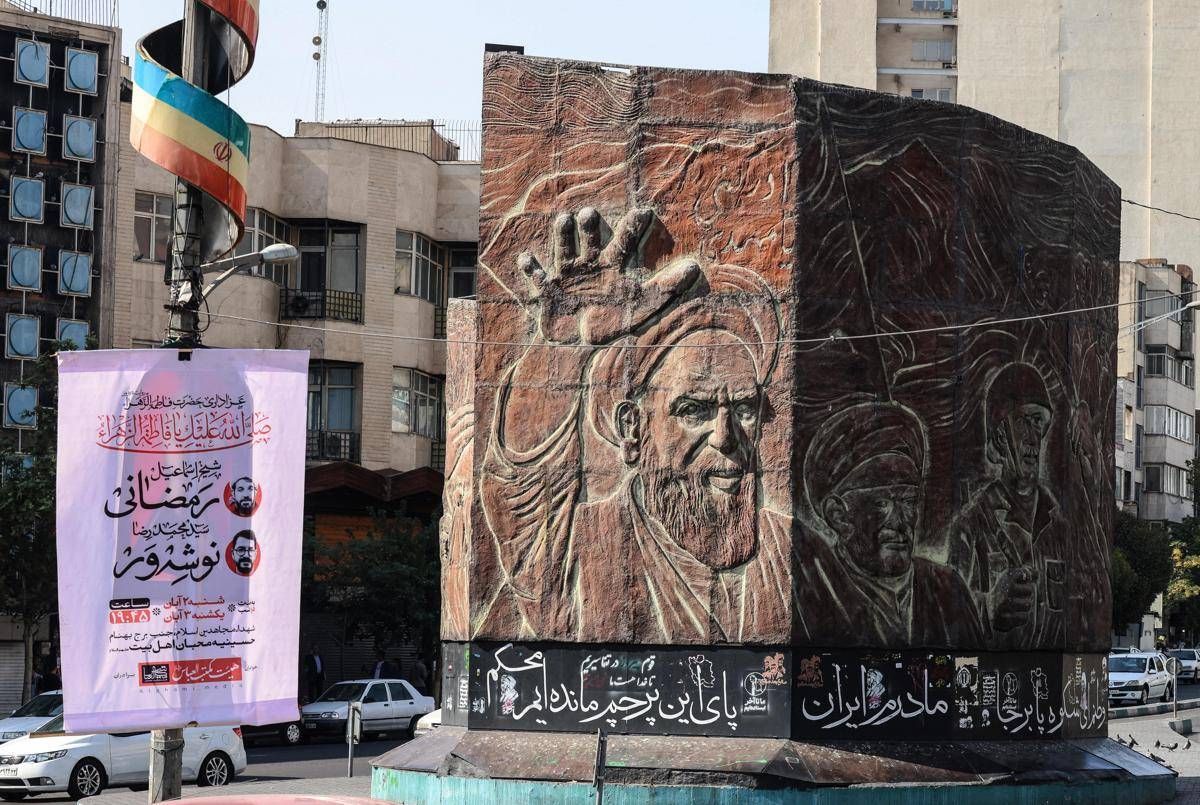
Iran Signals Openness to Talks as Trump Weighs New Military Options
Supreme Leader Mojtaba Khamenei has instructed Tehran to end its standoff with Washington, President Masoud Pezeshkian says. But disagreements over...
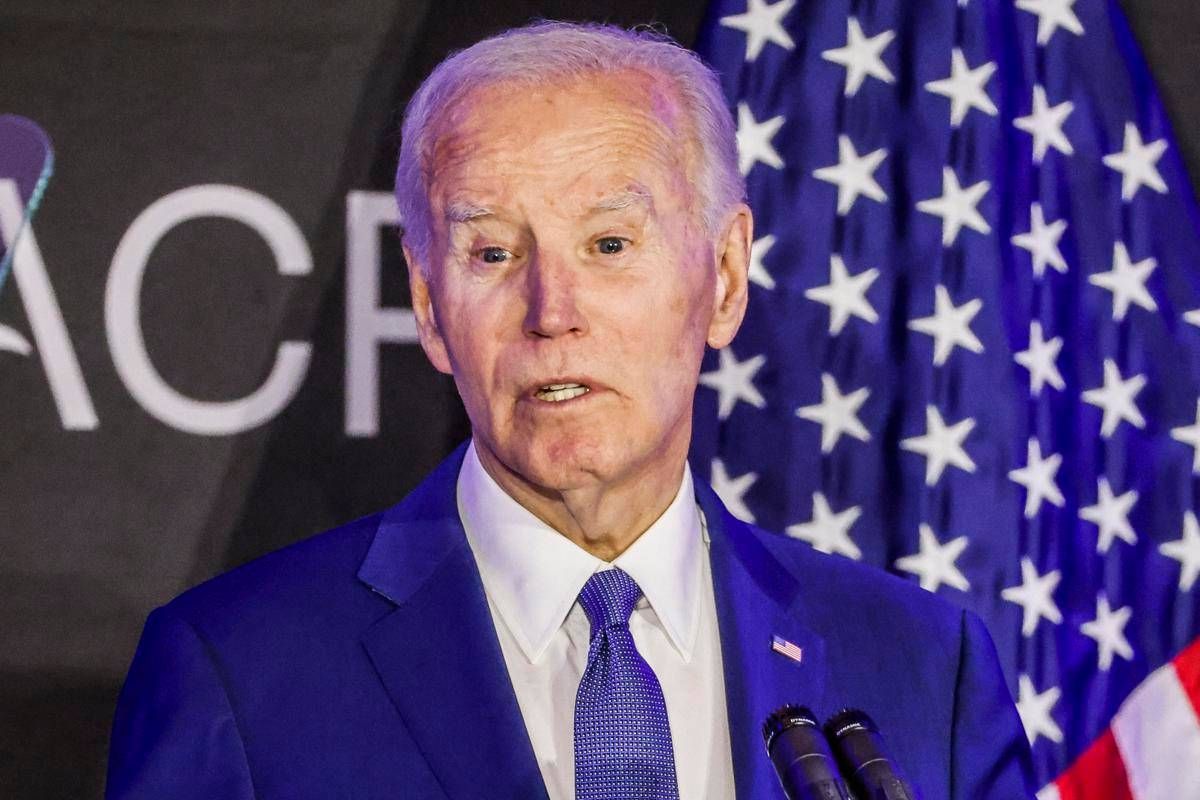
Joe Biden memoir takes aim at Trump as cancer limits book tour
An advance excerpt published by The Atlantic reveals Biden’s account of his post-election meeting with Trump in 2024 and delivers...
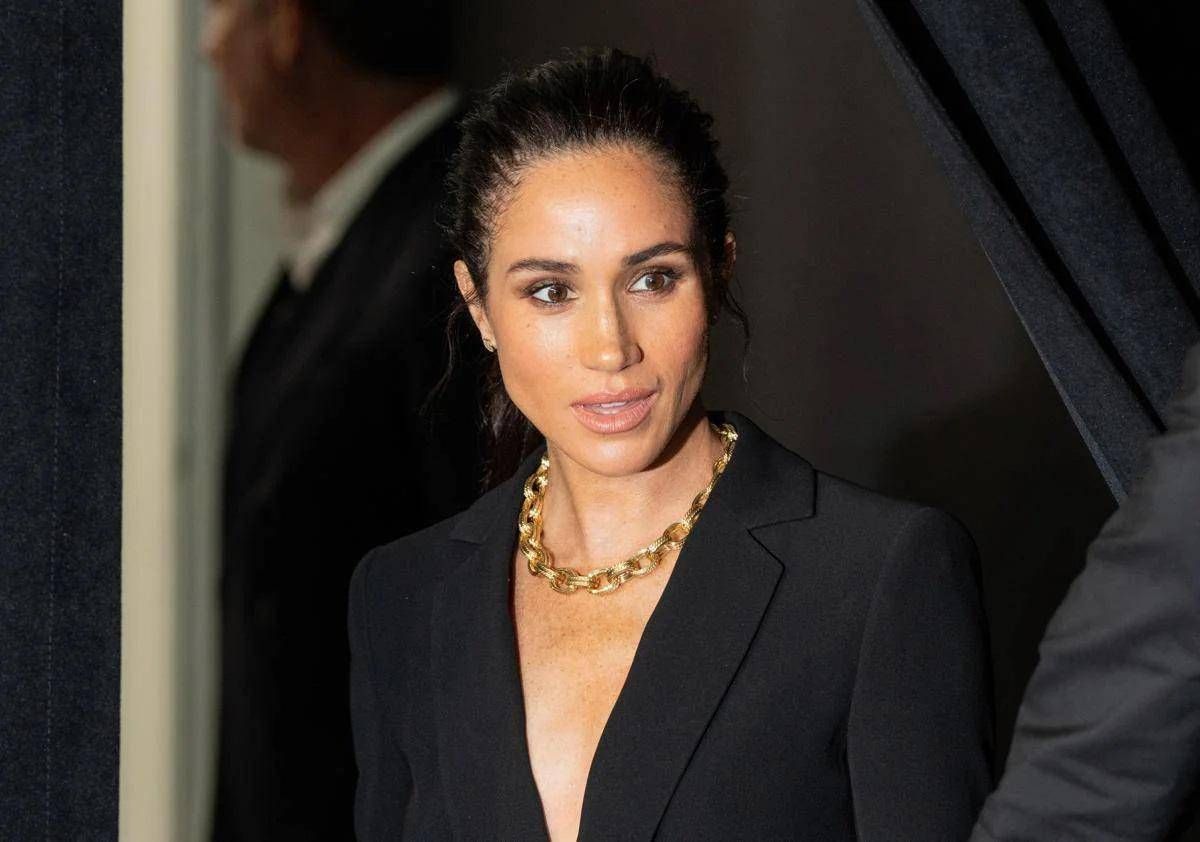
Meghan Markle Offers to Help FBI in Case Against Her Father
The investigation into Thomas Markle Sr. spans three countries and involves allegations of child sexual abuse material. The Duchess of...
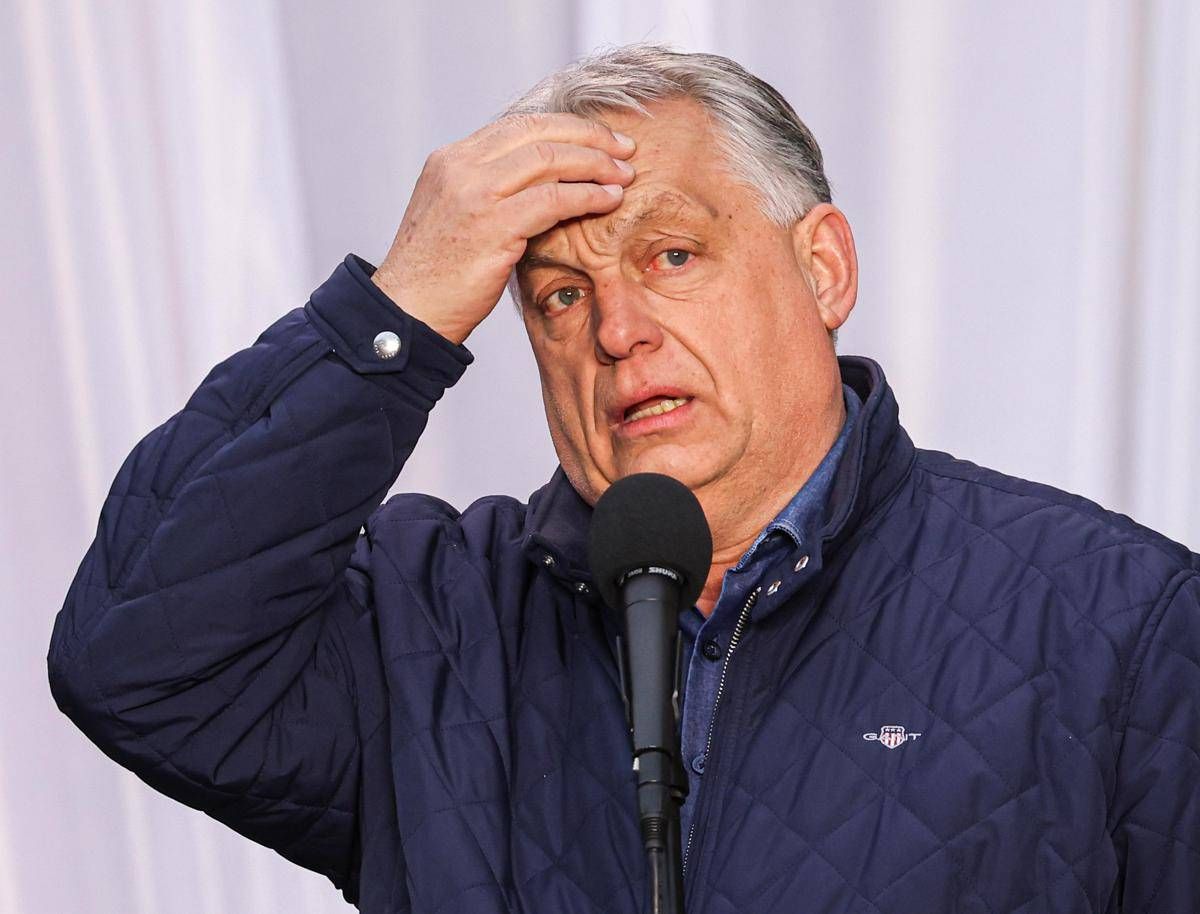
Ungheria, arrestato il fratello di Viktor Orbán per tratta di esseri umani
Áron Orbán è stato fermato nell’ambito di un’inchiesta su un presunto traffico di influenze legato al rilascio di visti di...

Operaio investito sull’A11 durante i lavori in un cantiere
L’incidente è avvenuto nella notte nei pressi di Prato Est, in direzione Mare. L’automobilista si è fermato per soccorrere il...
Trump esclude nuovi attacchi all’Iran: «Altamente improbabili» ma…
La Casa Bianca punta a un accordo sul nucleare e sulla riapertura dello Stretto di Hormuz. Tre portaerei Usa sono...
You must be logged in to post a comment Login