
International-News
Iran Signals Openness to Talks as Trump Weighs New Military Options
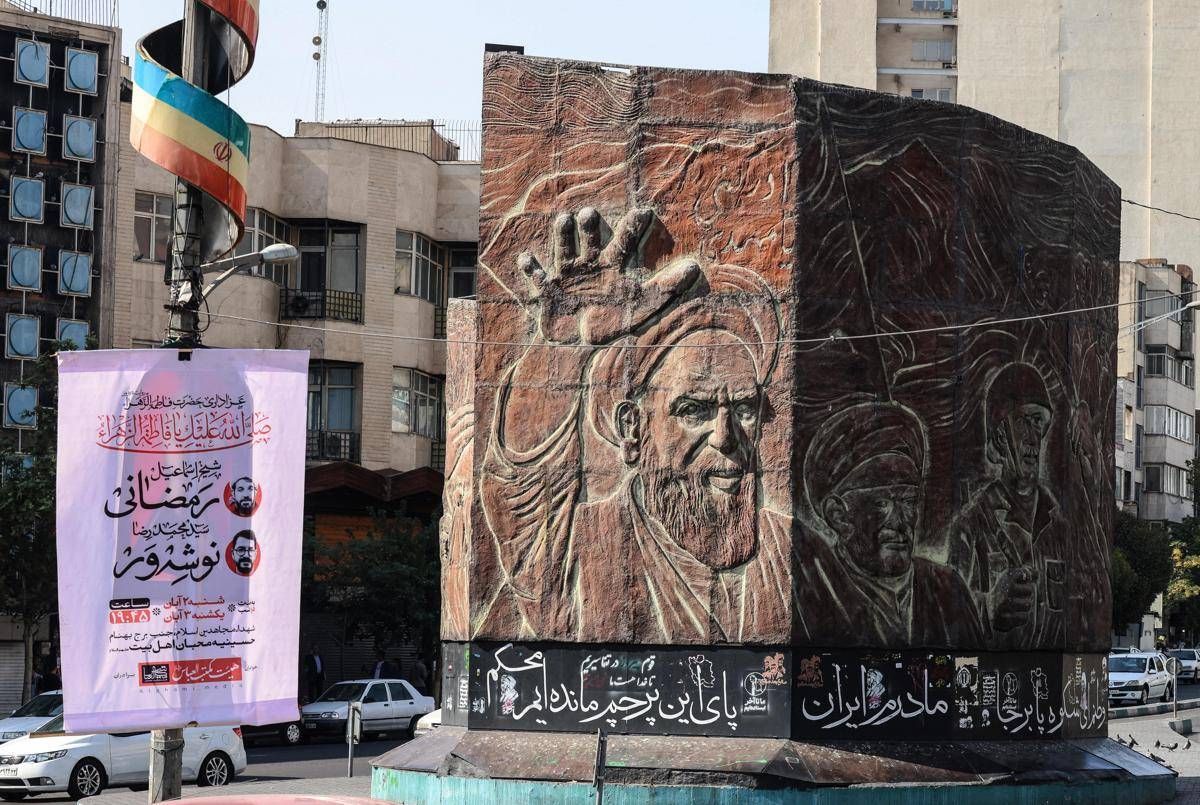
Supreme Leader Mojtaba Khamenei has instructed Tehran to end its standoff with Washington, President Masoud Pezeshkian says. But disagreements over the Strait of Hormuz, Iran’s nuclear program and the risks of renewed military action leave diplomacy on uncertain ground
Donald Trump faces a choice between accepting a difficult diplomatic compromise with Iran and reopening a military campaign that could trigger a wider regional confrontation, without guaranteeing that Washington achieves its strategic objectives. Tehran, meanwhile, appears increasingly willing to negotiate, but is showing little inclination to make concessions without concrete commitments from the United States.
The diplomatic opening comes from the highest level of Iran’s leadership. Supreme Leader Ayatollah Mojtaba Khamenei has instructed the country’s political authorities to end the prolonged confrontation with Washington, President Masoud Pezeshkian announced.
“The Supreme Leader has ordered us to put an end to this stalemate, in which there is neither war nor peace. We can negotiate with dignity and resolve the issue with dignity,” Pezeshkian said.
The statement signals a possible shift in Tehran’s approach, but it does not mean an agreement is close. The central obstacles remain the reopening of the Strait of Hormuz, the future of Iran’s nuclear program and the conditions under which Washington would ease its economic pressure. Behind those negotiations lies a more fundamental question: what does Trump actually want to achieve, and how far is he prepared to go to get it?
Hormuz becomes the test of diplomacy
Washington has reportedly put forward a phased proposal designed to secure the reopening of the Strait of Hormuz, beginning with a partial lifting of the naval blockade. According to Emirati news outlet Erem News, in a report cited by The Times of Israel and based on diplomatic sources familiar with the mediation efforts, a second phase would address Iran’s controversial nuclear program.
The proposed arrangement would include a gradual easing of sanctions and the phased release of Iranian funds frozen abroad.
Tehran has not formally accepted the reported offer. Iranian officials are seeking clear written guarantees from Washington, together with concrete measures rather than assurances alone.
The two sides also disagree over who should make the first move. According to a diplomatic source, the United States believes Iran violated the memorandum of understanding announced last June and therefore argues that Tehran must take responsibility for reopening the strait before negotiations can advance on other issues.
That disagreement leaves Hormuz at the center of a standoff with consequences far beyond the two countries. The waterway is a critical passage for international energy supplies, and any prolonged disruption risks feeding into higher oil prices and global inflation.
For Trump, however, the problem is not simply how to reopen the strait. It is how to do so without allowing Iran to retain the strategic leverage that has made the waterway such a powerful bargaining tool.
Trump’s military options carry different risks
An analysis by The New York Times describes an administration struggling to agree on what its next move should accomplish. American officials and Trump’s advisers are divided over the objectives of a renewed confrontation, while Iran may be betting that time is working in its favor.
The newspaper identifies several possible paths, none without significant costs.
The most ambitious military option, developed by American and Israeli military planners, would involve several days of intensive strikes against Iranian energy infrastructure, nuclear facilities and missile and drone arsenals.
The operation would be designed to inflict substantial additional damage on Iran’s military capabilities and potentially force Tehran to accept restrictions on its nuclear program and guarantees for the reopening of Hormuz.
But American officials cited by the Times do not expect even several days of fighting to bring down the Iranian government. That is one reason Washington has continued to rely on sustained economic pressure rather than assuming military action alone could produce a political breakthrough.
A large-scale campaign would involve aircraft operating from two US aircraft carriers currently in the region, with a third expected to arrive within three weeks. Additional strikes could be launched by jets stationed at American bases across the Middle East and by B-1 and B-2 bombers.
US and Israeli forces have also intensified their military exercises in recent weeks, including training flights over Iraq. According to American officials cited by the newspaper, Washington has recently supplied Israel with an additional Patriot missile battery.
The political calculation is equally important. William F. Wechsler, director of Middle East programs at the Atlantic Council and a former senior Pentagon official responsible for counterterrorism policy, warned that Trump could become increasingly concerned about being remembered as a loser if the confrontation remains unresolved.
“The fear is that Trump will conclude he is facing his worst nightmare for the next two years: going down in history as a loser,” Wechsler said. He added that the president might eventually decide that winning the war is the only way out, potentially leading to a resumption of large-scale military operations, if not immediately, then in the coming months.
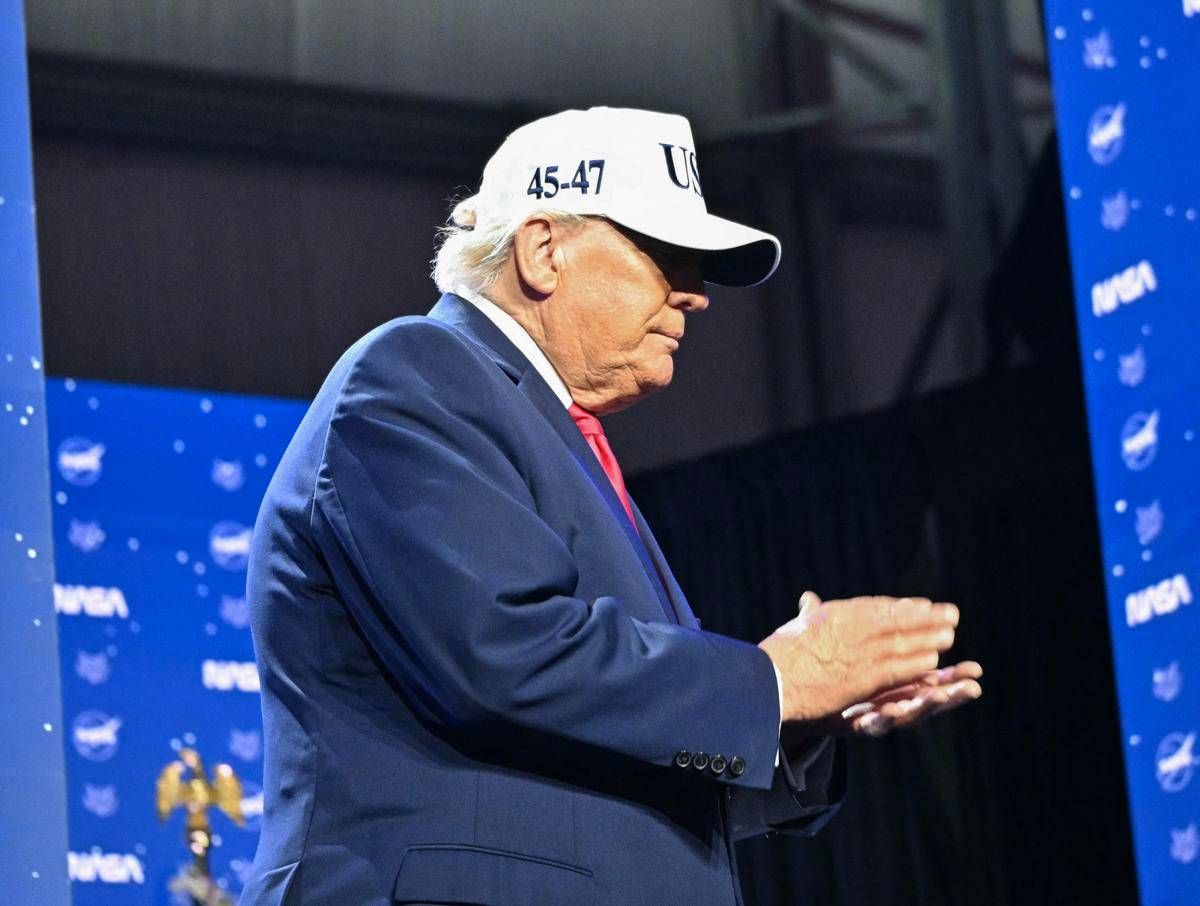
Trump, however, told CNN that new strikes against Iran were “highly unlikely” provided progress was made in negotiations over the nuclear program and the reopening of Hormuz.
Pickaxe Mountain and the limits of American firepower
One of the most discussed potential targets is Pickaxe Mountain, a site believed to be associated with Iran’s underground nuclear infrastructure. Speculation has focused on whether the United States could use the GBU-43/B Massive Ordnance Air Blast bomb, commonly known as the MOAB or the “Mother of All Bombs,” against underground facilities and related infrastructure.
Experts cited by the New York Times have questioned whether such a weapon would be effective against a deeply buried installation. The MOAB detonates above ground, producing an enormous explosion, but that does not mean it could destroy a facility concealed deep underground, as is believed to be the case at Pickaxe Mountain.
The limitations of the weapon illustrate a broader problem facing American military planners: even a powerful bombing campaign may not eliminate the capabilities Washington wants to neutralize.
A second military option would involve a more restricted version of the broader operation, concentrating primarily on military and nuclear installations while excluding many energy-related targets.
The calculation would be that a narrower campaign would make Iran less likely to retaliate against energy infrastructure in Gulf countries. It would also allow Trump to claim that American forces had further weakened Iran’s missile arsenal while preserving the Pentagon’s stockpile of interceptors.
But a limited operation would leave several of the president’s original objectives unresolved. Most importantly, Iran would retain considerable leverage over the Strait of Hormuz.
The risks of a broader campaign are more serious. Tehran could respond by attacking Gulf countries, almost certainly driving up energy prices and contributing to another wave of global inflation. Iranian authorities have also explicitly threatened to target data centers and the undersea cables carrying internet traffic.
Previous military pressure has not produced the lasting concessions Washington is seeking, the New York Times notes. There is therefore no guarantee that another round of strikes would change Tehran’s calculations.
The diplomatic alternative and the cost of waiting
A longer-term strategy would rely on maintaining the naval blockade and economic pressure while avoiding an immediate return to large-scale combat.
Under this scenario, Iran would be prevented from exporting its oil, while US patrols would ensure the daily passage of between 11 million and 18 million barrels of non-Iranian oil through the region.
Such an arrangement could allow Trump to postpone a decision on military escalation. Washington could also pursue a narrower agreement focused exclusively on reopening Hormuz, keeping sanctions in place and leaving Gulf Arab countries to negotiate with Iran over the future management of the waterway.
That approach, however, would leave the nuclear issue and Iran’s missile program unresolved.
Many experts believe diplomacy remains the only way to impose durable restrictions on a country’s nuclear ambitions. Trump could therefore find himself having to settle for limitations comparable to those contained in the 2015 international nuclear agreement with Iran, from which he withdrew the United States during his first term.
Even that outcome would be difficult to secure. It remains unclear who ultimately makes the decisions inside Iran, adding another layer of uncertainty to negotiations.
The New York Times argues that patience could prove more effective than another immediate military campaign in gradually weakening Iran’s leadership. But patience has its own costs. Maintaining the blockade is expensive, while European and Arab allies are unlikely to participate enthusiastically in an indefinite standoff. The confrontation could continue throughout the remaining years of Trump’s presidency, prolonging economic hardship for Iranians and uncertainty across the region.
Reopening Hormuz would not resolve the wider regional crisis
Even a diplomatic breakthrough between Washington and Tehran would leave much of the Middle East’s security architecture untouched.
An analysis by Israeli newspaper Haaretz warns that reopening the Strait of Hormuz would not dismantle the Iran-backed militias operating in Iraq, resolve the issue of Hezbollah’s weapons arsenal in Lebanon or eliminate the threat posed by Yemen’s Houthi movement around the Bab el-Mandeb Strait.
Gulf countries would still have to confront the consequences of the conflict and determine what kind of regional order could emerge afterward.
The immediate economic damage is already being felt. Tankers continue to come under attack in the Persian Gulf, while Houthi drones have targeted critical infrastructure in Saudi Arabia. Even if diplomatic progress emerges in the coming days, Haaretz cautions, the underlying security threats will not simply disappear.
“The solution to the Hormuz problem is still a long way off, and we have no idea what the United States wants to achieve with another round of conflict, or how,” a Western diplomat in a Gulf country told the newspaper.
Trump has sought to project a sense of normality, claiming that normal volumes of oil are leaving the Gulf. The reality, the diplomat argued, is considerably different.
The unresolved question is therefore not just whether the strait can be reopened, but what Washington intends to do with the leverage it has accumulated and what security guarantees, if any, will follow a possible agreement.
Explosions reported on Qeshm island
Meanwhile, Iran has reported an American attack on Qeshm island, near the Strait of Hormuz and a short distance from the port city of Bandar Abbas on the country’s southern coast.
Ahmad Nafisi, deputy governor of Hormozgan province, said the latest US attack caused no damage to critical infrastructure. His remarks were reported by the Iranian news agency Mehr following reports of explosions heard on the island the previous evening.
According to Nafisi, the strikes targeted locations away from residential areas, commercial zones and essential services. He said the island’s situation was under control and that all emergency services had been placed on maximum alert.
The episode adds another element of uncertainty to an already fragile situation, as Washington and Tehran publicly maintain that they are prepared for any scenario while the diplomatic effort to end the confrontation remains unresolved.
(Photo: © AndKronos)

Iran Signals Openness to Talks as Trump Weighs New Military Options
Supreme Leader Mojtaba Khamenei has instructed Tehran to end its standoff with Washington, President Masoud Pezeshkian says. But disagreements over...
Joe Biden memoir takes aim at Trump as cancer limits book tour
An advance excerpt published by The Atlantic reveals Biden’s account of his post-election meeting with Trump in 2024 and delivers...
Meghan Markle Offers to Help FBI in Case Against Her Father
The investigation into Thomas Markle Sr. spans three countries and involves allegations of child sexual abuse material. The Duchess of...
Ungheria, arrestato il fratello di Viktor Orbán per tratta di esseri umani
Áron Orbán è stato fermato nell’ambito di un’inchiesta su un presunto traffico di influenze legato al rilascio di visti di...

Operaio investito sull’A11 durante i lavori in un cantiere
L’incidente è avvenuto nella notte nei pressi di Prato Est, in direzione Mare. L’automobilista si è fermato per soccorrere il...
Trump esclude nuovi attacchi all’Iran: «Altamente improbabili» ma…
La Casa Bianca punta a un accordo sul nucleare e sulla riapertura dello Stretto di Hormuz. Tre portaerei Usa sono...
Sparatoria di Cracovia, morto in ospedale l’attentatore
Michal Oksinski era stato ferito dalla polizia dopo aver sparato sulla folla nella piazza del Mercato. Sei le persone uccise...

Norris vince in Brasile, la Mercedes conquista il Mondiale Costruttori
Verstappen e Hadjar completano il podio, mentre Antonelli chiude quinto. Ferrari lontane dai primi La Mercedes ha un nuovo titolo...

Bezzecchi vince il Gran Premio del Qatar, Marquez rimanda il titolo
L’Aprilia conquista Lusail dopo la caduta nella Sprint. Lo spagnolo della Ducati chiude secondo e precede Raul Fernandez Dalla caduta...
Missile Attack Damages Saudi Aramco Building in Riyadh
Falling debris from intercepted missiles struck an administrative building in the Saudi capital, causing limited damage and no casualties. Yemen’s...
Krakow Shooting: Poland Declares Two Days of National Mourning
Prosecutors have opened a terrorism investigation after nine people were killed and 16 wounded in an attack that included a...
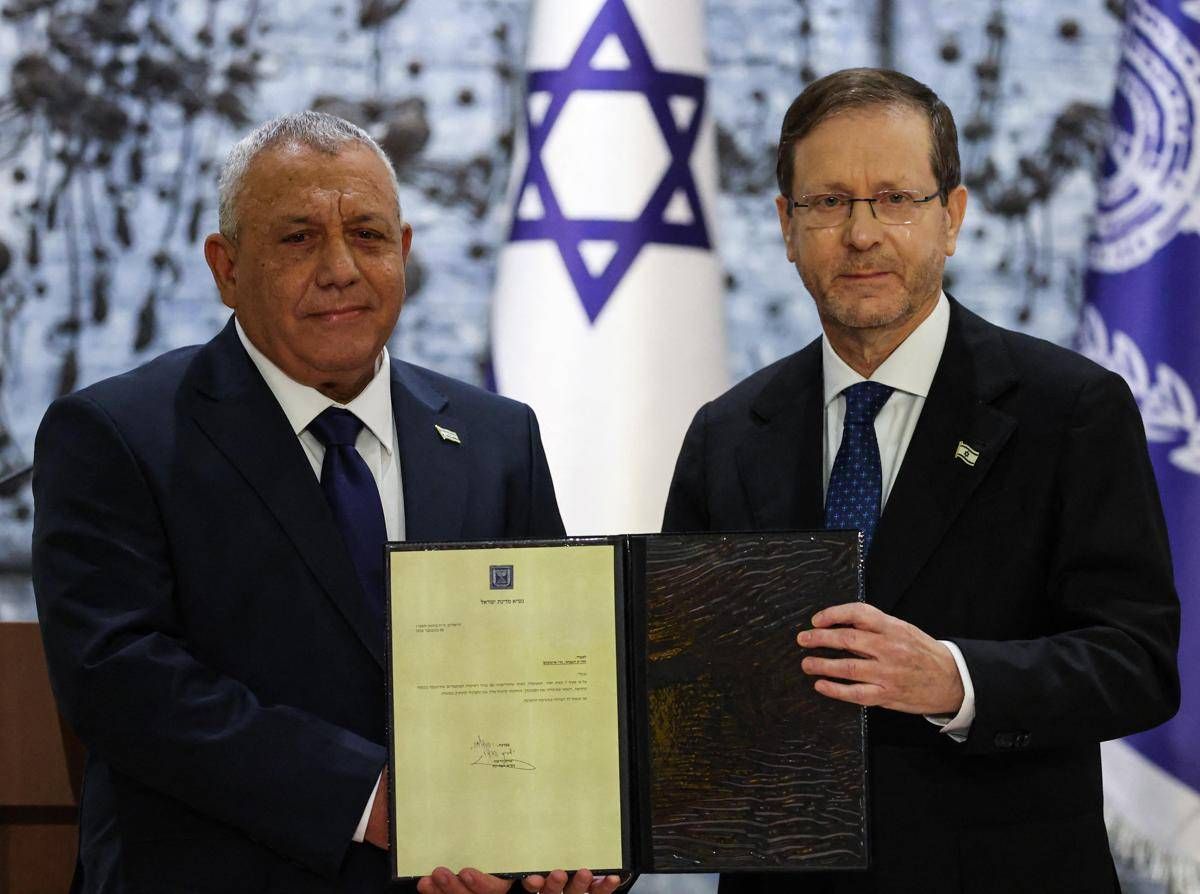
Governo israeliano, lo scontro con Lieberman complica il piano di Eisenkot
Il leader di Yisrael Beytenu esclude un esecutivo sostenuto dai partiti arabi, ma apre al dialogo con gli ultraortodossi. Domani...
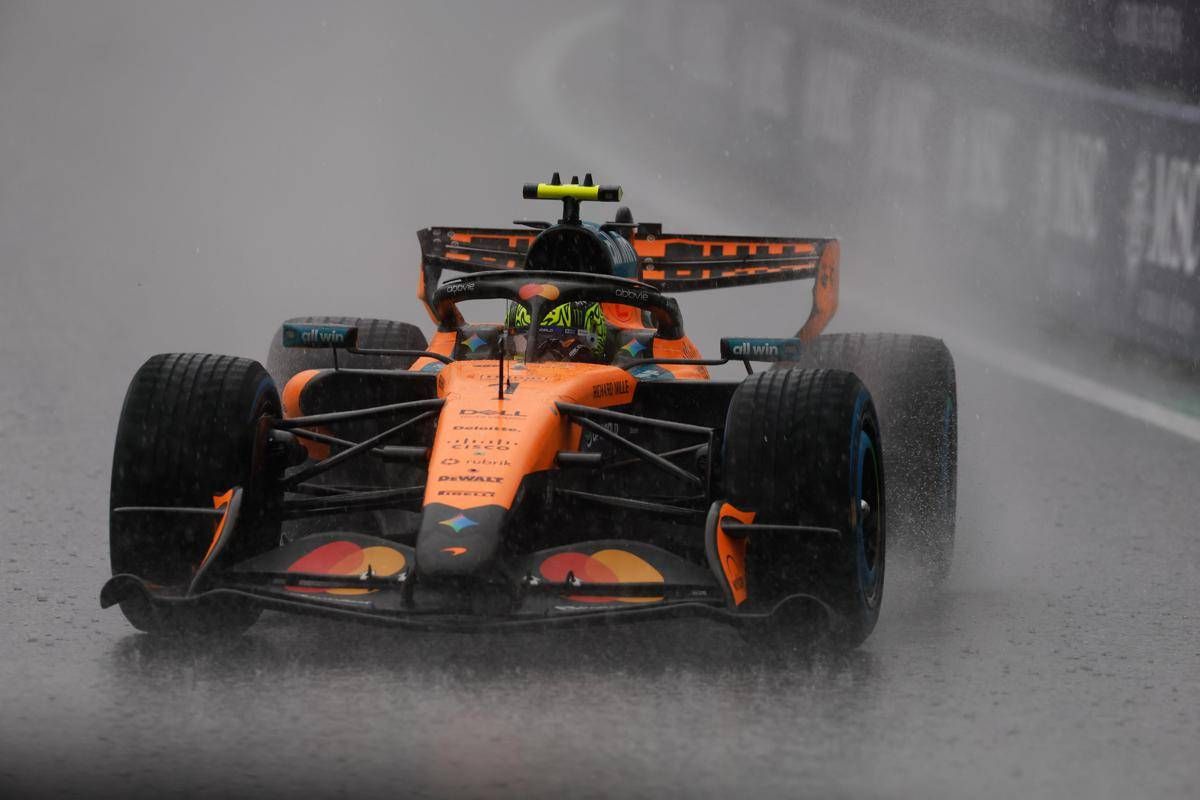
F1 Brasile, Norris in pole: Mercedes a un passo dal titolo costruttori
Antonelli parte dalla prima fila nel giorno in cui la scuderia tedesca può chiudere matematicamente il Mondiale a squadre. Ferrari...

MotoGP Qatar, Marquez vede il Mondiale: orario e griglia di partenza
Il terzultimo appuntamento della stagione può assegnare il titolo piloti. Jorge Martin parte undicesimo, Bagnaia non prenderà il via Il...
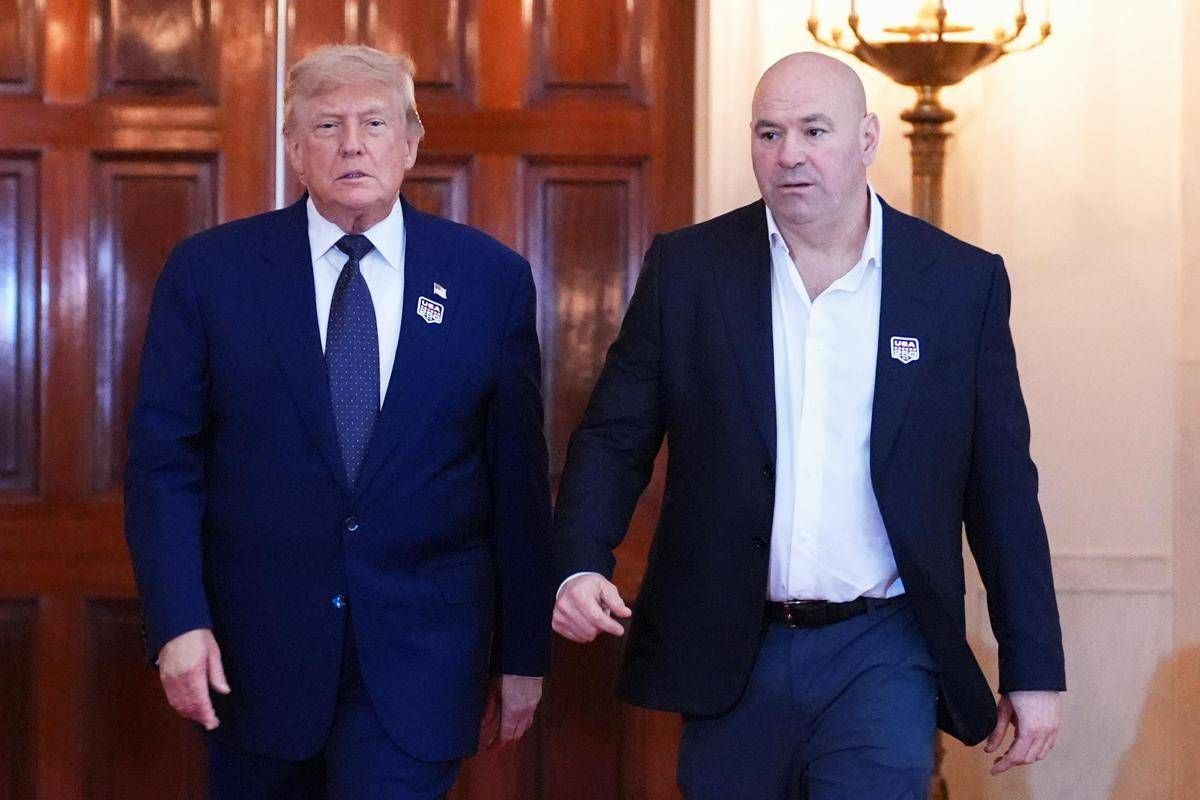
Trump Says Dana White Is His Pick for White House Press Secretary
The UFC president has reportedly turned down the offer, according to CNN, but has not publicly confirmed his decision. A...
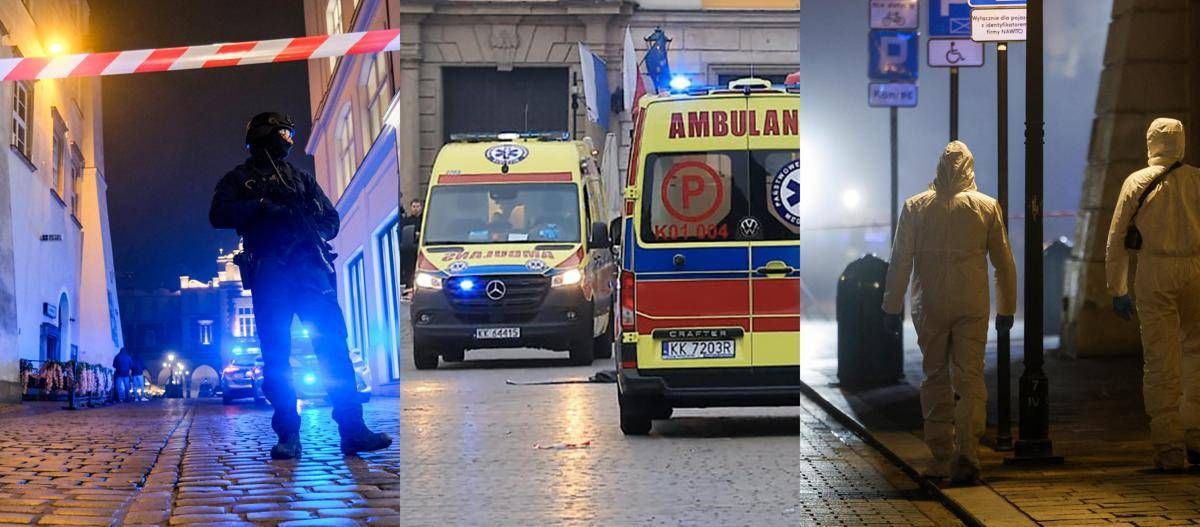
Cracovia, killer aveva già colpito in famiglia: trovati morti padre, madre e sorella
Dopo la sparatoria nella Piazza del Mercato, la polizia ha raggiunto l’abitazione del ventiquattrenne: lì, gli agenti, hanno ritrovato senza...
You must be logged in to post a comment Login