
Warnings of possible Hamas attacks, heightened threats abroad and contingency plans for a wider conflict in the West Bank place...
Read More
International-News
Christa Pike May Never Fully Recover After Failed Execution

Attorneys say the Tennessee death row inmate remains unconscious and on a ventilator after surviving two rounds of lethal injection
The most urgent question surrounding Christa Pike may never fully recover after failed execution is no longer whether she survived the procedure, but what condition she may be left in if she survives it.
Pike, 50, remains unconscious in a Nashville hospital and has been on a ventilator since last Wednesday after surviving two rounds of lethal injection with pentobarbital during an execution attempt in Tennessee. According to her attorneys, doctors have not yet determined the extent of the damage she may have suffered, and they warn that a full recovery cannot be assumed.
The uncertainty has raised concerns not only about Pike’s health but also about her future legal status. Her attorneys say it could take days before doctors are able to offer a meaningful prognosis, leaving open the possibility that she could emerge from the episode with lasting impairments.
“We do not yet know the prognosis, and we may not know it for several days,” attorney Stephen Ferrell said Sunday during an appearance on CNN’s program hosted by Jake Tapper. “If she ever recovers, there may not be a complete recovery. There could also be questions regarding her competency. We simply do not know.”
Pike is the first woman sentenced to death in Tennessee in 200 years. She received the death sentence for the 1995 murder of fellow student Colleen Slemmer, committed when Pike was 18 years old.
Her legal team says it still has not been allowed to meet with her at the hospital. As a result, attorneys have little direct information about her neurological condition following the failed execution.
Ferrell also questioned what Pike endured during the procedure itself.
“At this point, we do not know, and we may never know, what kind of torture she experienced during that process,” he said.
The possibility of permanent cognitive damage could have major legal consequences. Capital punishment experts note that an inmate must be capable of understanding the nature of an execution and the reason it is being carried out.
“If she has sustained a brain injury and does not understand the proceeding, she cannot be executed,” said Deborah Denno, a professor at Fordham School of Law.
With Pike’s condition still uncertain, Ferrell has asked Tennessee Gov. Bill Lee to commute her death sentence to life imprisonment. Legal experts say the prospect of another execution attempt could become increasingly unlikely if she does not fully recover or is found unable to understand the proceedings against her.
The fallout from the failed execution is already affecting state institutions. Frank Strada, who headed Tennessee’s prison system, has resigned amid scrutiny over the case.
For now, however, the central issue remains unresolved. Days after surviving a procedure intended to end her life, Pike remains unconscious, her prognosis unknown and her future clouded by the possibility that she may never regain the physical or mental condition she had before the execution attempt.
THE LATEST NEWS

Christa Pike May Never Fully Recover After Failed Execution
7 October 2026
Attorneys say the Tennessee death row inmate remains unconscious and on a ventilator after surviving two rounds of lethal injection...
Read More
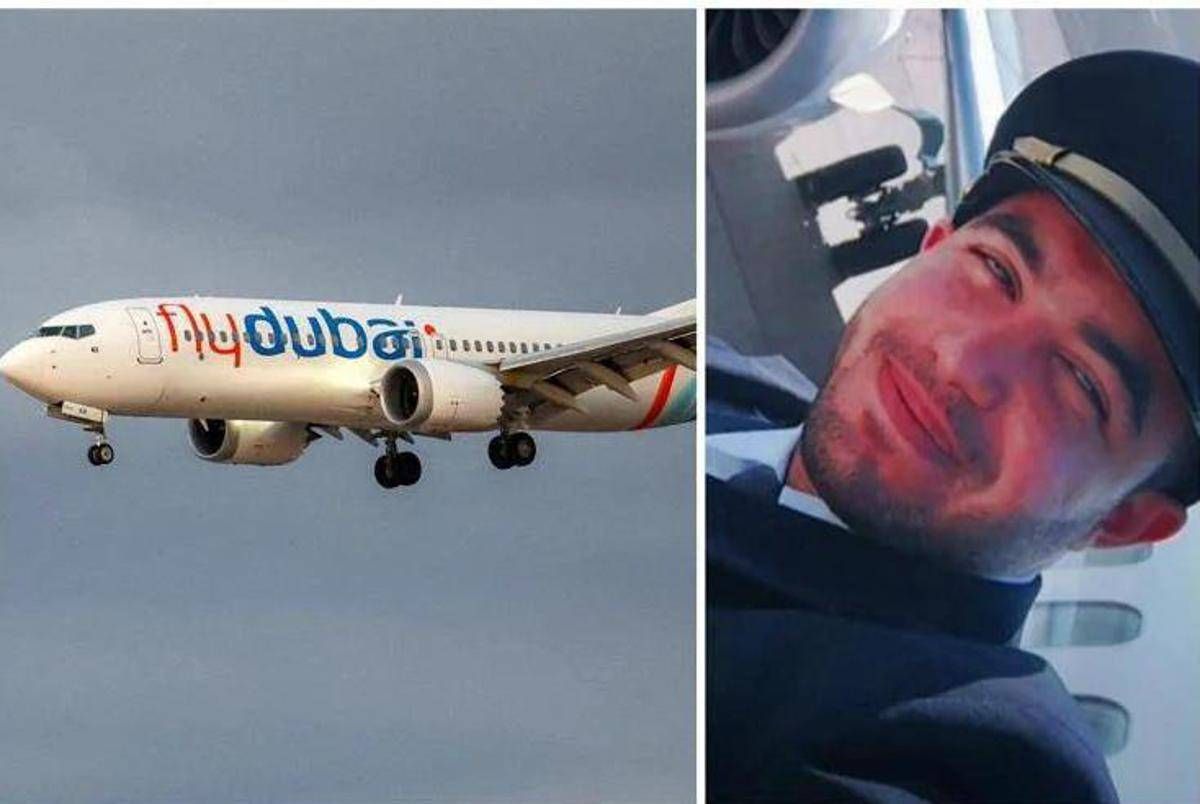
Flydubai Copilot Planned Ben Gurion Crash, Report Says
5 October 2026
Hamam al-Hammami allegedly told investigators he acted to “avenge Gaza” and wanted to “die as a martyr”; Israel is investigating...
Read More
DOGE Cuts Leave U.S. Paying $1.6 Million a Week for VOA Staff
5 October 2026
More than 400 Voice of America employees remain on paid leave as the Trump administration’s effort to dismantle the broadcaster...
Read More

Prince William and Diana’s 30th Anniversary: Why He Is Staying Away
5 October 2026
The Prince of Wales is said to have turned down several documentary offers, while Prince Harry considers a project to...
Read More

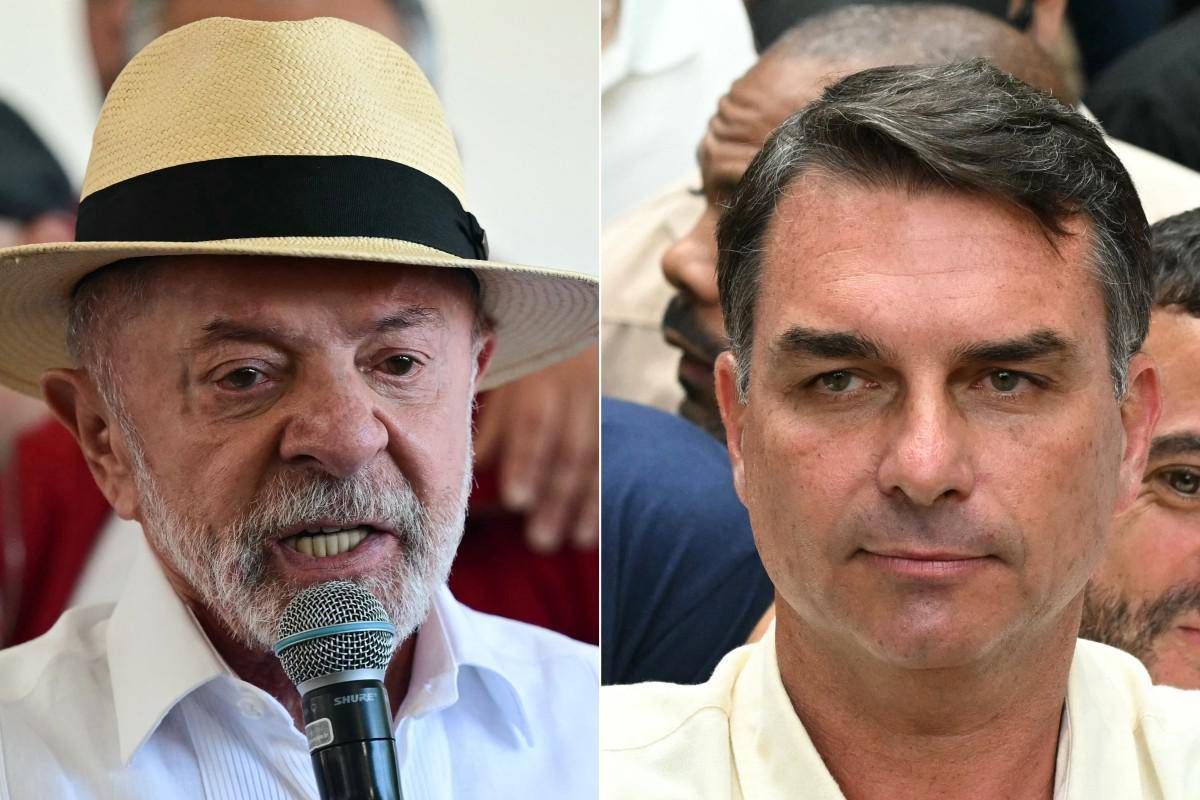
Flavio Bolsonaro Shocks Brazil, Overtakes Lula and Turns Presidential Race Upside Down
5 October 2026
The son of former president Jair Bolsonaro outperformed expectations and emerged as the frontrunner in Brazil's presidential election, forcing Lula...
Read More
(Photo: © AndKronos)















You must be logged in to post a comment Login