
International-News
Banned, Prosecuted, Exiled. Maria Corina Machado Is Back in Venezuela
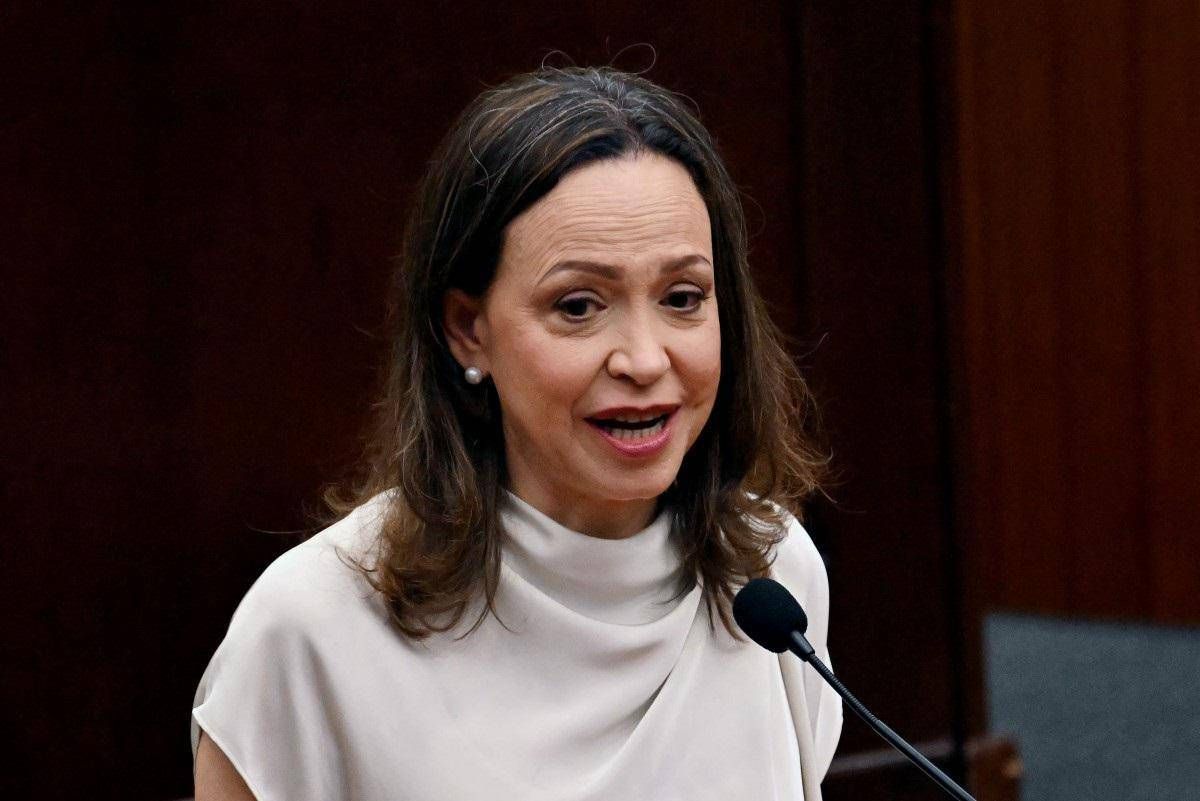
After nearly a year abroad, repeated attempts to block her return and years of bans, prosecutions and political exclusion, Venezuela’s most prominent opposition leader says she is back in the country
For years, Venezuela’s government tried to remove Maria Corina Machado from the country’s political equation.
She was barred from office, prevented from running for president, accused of treason, terrorism, conspiracy and murder, pushed into hiding and eventually forced abroad. Yet despite each effort to sideline her, Machado remained the dominant figure of the opposition movement.
Now she says she is back.
“Estoy aquí. Con ustedes,” Machado wrote on X, announcing her return to Venezuela after nearly a year outside the country.
The announcement marks a dramatic new chapter for a politician who has spent more than two decades confronting the governments of Hugo Chávez and Nicolás Maduro and who, despite legal bans and political restrictions, emerged as the most influential voice of the Venezuelan opposition.
Edmundo González Urrutia, the former opposition presidential candidate backed by Machado, confirmed her return in a message of his own.
“Venezuela! I am thrilled to announce that our leader, my dear Maria Corina, is on Venezuelan soil,” he wrote.
The Opposition Figure Maduro Could Never Neutralize
Machado had been living abroad since December of last year, when she left Venezuela to travel to Oslo and receive the 2025 Nobel Peace Prize.
Returning proved far more difficult.
Attempts to re-enter the country in June and again in September, by air and by sea, were blocked. Venezuelan authorities continue to accuse her of crimes including treason, terrorism, conspiracy and murder.
Long before she left, her movements had already been restricted. Since 2014 she had effectively been prevented from traveling abroad freely. After Maduro’s presidential victory, she lived in hiding as pressure on opposition leaders intensified.
Yet neither the criminal accusations nor the political restrictions diminished her standing.
If anything, they reinforced it.
The Candidate Who Won but Could Not Run
Machado’s influence reached its peak during the presidential race when she won the opposition primary by a landslide, capturing 90 percent of nearly three million votes.
The victory should have made her the opposition’s presidential nominee.
Instead, she was barred from the ballot.
Unable to compete, she transferred her support to González Urrutia, turning him into the standard-bearer for a movement that had largely united behind her leadership.
He, too, would later be forced into exile.
The episode transformed Machado from a leading opposition politician into the central figure of the anti-government movement, the person around whom much of the opposition’s strategy, energy and public support came to revolve.
From Engineer to Government Critic
Born in Caracas in 1967, Machado trained as an industrial engineer at Universidad Católica Andrés Bello and later specialized in finance at the Instituto de Estudios Superiores de la Administración.
Her political career began in 2002 with the creation of Súmate, an organization dedicated to election monitoring and democratic participation.
The initiative quickly placed her on a collision course with the government. Authorities accused her of treason because the organization received funding from the United States. She also received death threats.
Machado later entered parliament and was elected to the National Assembly with the highest vote total of the 2010-2015 legislative term.
Her break with the political establishment became complete in 2014.
After appearing before the Permanent Council of the Organization of American States to denounce human-rights violations under Maduro’s government, she was expelled from the National Assembly by legislative leader Diosdado Cabello.
A Symbol of the Anti-Chavista Movement
Over the following decade, Machado became one of the defining figures of Venezuela’s opposition.
She co-founded the liberal party Vente in 2013 and later launched the Soy Venezuela platform alongside Antonio Ledezma and Diego Arria, bringing together groups seeking a democratic transition.
Supporters began referring to her as “La Libertadora,” a title invoking the legacy of Simón Bolívar.
The government responded by banning her from holding public office for 15 years after she supported international sanctions against Venezuela.
The prohibition did not end her political relevance. It became part of the case her supporters made against the country’s institutions.
The Promise of Change
Machado has consistently argued that Venezuela’s crisis cannot be resolved without dismantling the political and economic model established under Chávez and maintained under Maduro.
A pro-market liberal, she has advocated privatizing state oil giant PDVSA, whose production has deteriorated after years of mismanagement and corruption.
Her speeches have frequently focused on the millions of Venezuelans who have left the country during the prolonged economic crisis.
“We will free our country and bring our children home,” she said, referring to the Venezuelan diaspora, estimated by the United Nations at roughly seven million people.
The subject is also deeply personal. Her three children, Ana Corina, Henrique and Ricardo, live outside Venezuela.
With her return, the woman who became the face of the country’s opposition is once again inside Venezuela, returning to the political battleground from which authorities spent years trying to exclude her.
(Photo: © AndKronos)

Flavio Bolsonaro sarebbe in fuga negli Usa: «Volo verso la Florida»
Secondo Folha de São Paulo e Metrópoles, il senatore avrebbe lasciato il Brasile dopo il ritiro dei passaporti ordinato dal...
Elezioni in Israele, affluenza record al 66,7% ore 18: oltre 4,8 milioni al voto
La partecipazione supera di quasi nove punti percentuali quella registrata alla stessa ora nel 2022. La Commissione elettorale avverte che...
Olbia, uomo ucciso a coltellate in pieno centro: caccia all’aggressore
L’omicidio è avvenuto nel pomeriggio di oggi martedì 27 ottobre. La vittima sarebbe originaria del Barese Un uomo è stato...
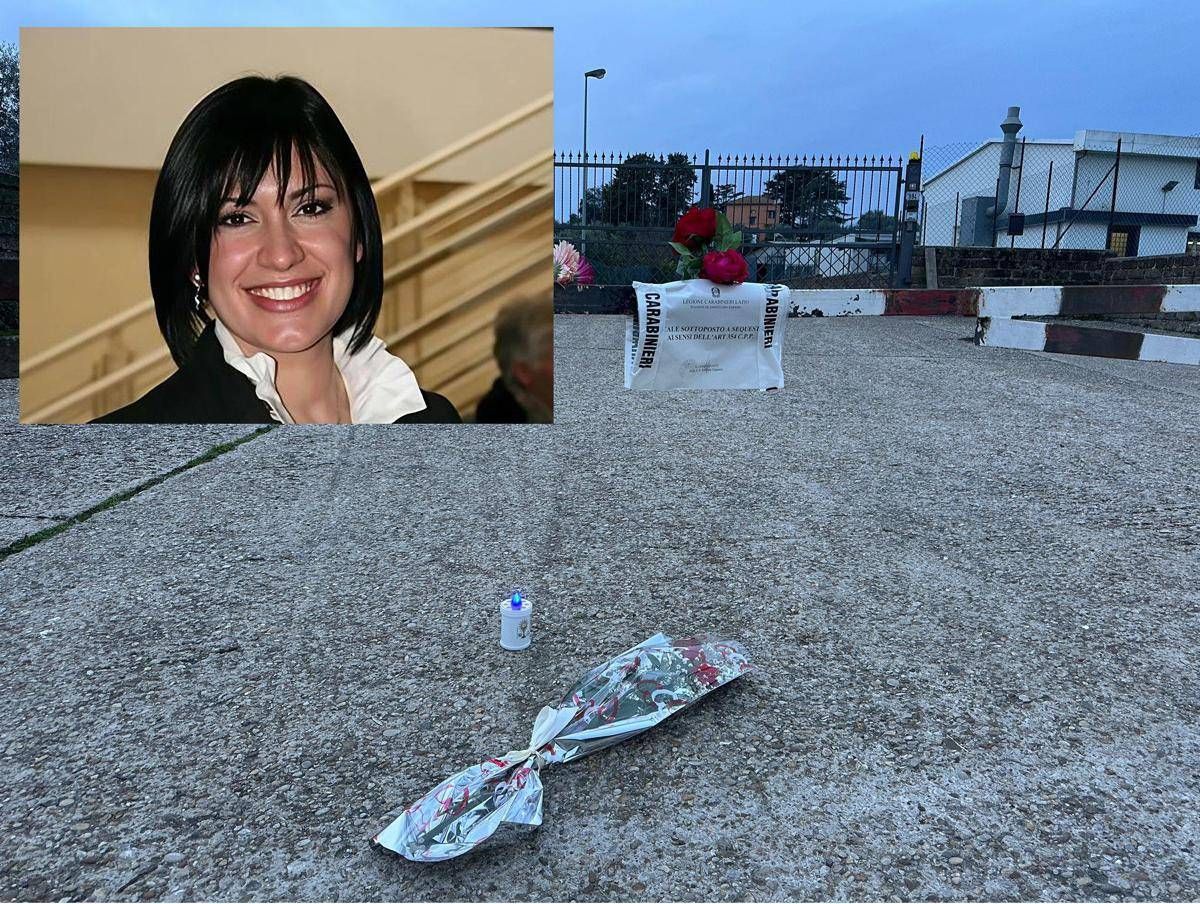
Caso Torzullo, la difesa contesta la legge sul femminicidio: il processo va avanti
Gli avvocati di Claudio Carlomagno hanno invocato il principio di uguaglianza e denunciato «opacità» nella norma. Le parti civili si...


Putin sente Finlandia e Norvegia, l’Italia: «L’Europa non sa chi la rappresenta»
Dopo il colloquio di 90 minuti con Alexander Stubb e Jonas Gahr Store, Palazzo Chigi denuncia l’assenza di un mandato...


Reggio Emilia, tentata violenza sessuale nei bagni di un centro commerciale: arrestato 22enne
L’uomo, già sottoposto al divieto di dimora in città per una tentata rapina, è stato identificato dalla Squadra Mobile dopo...
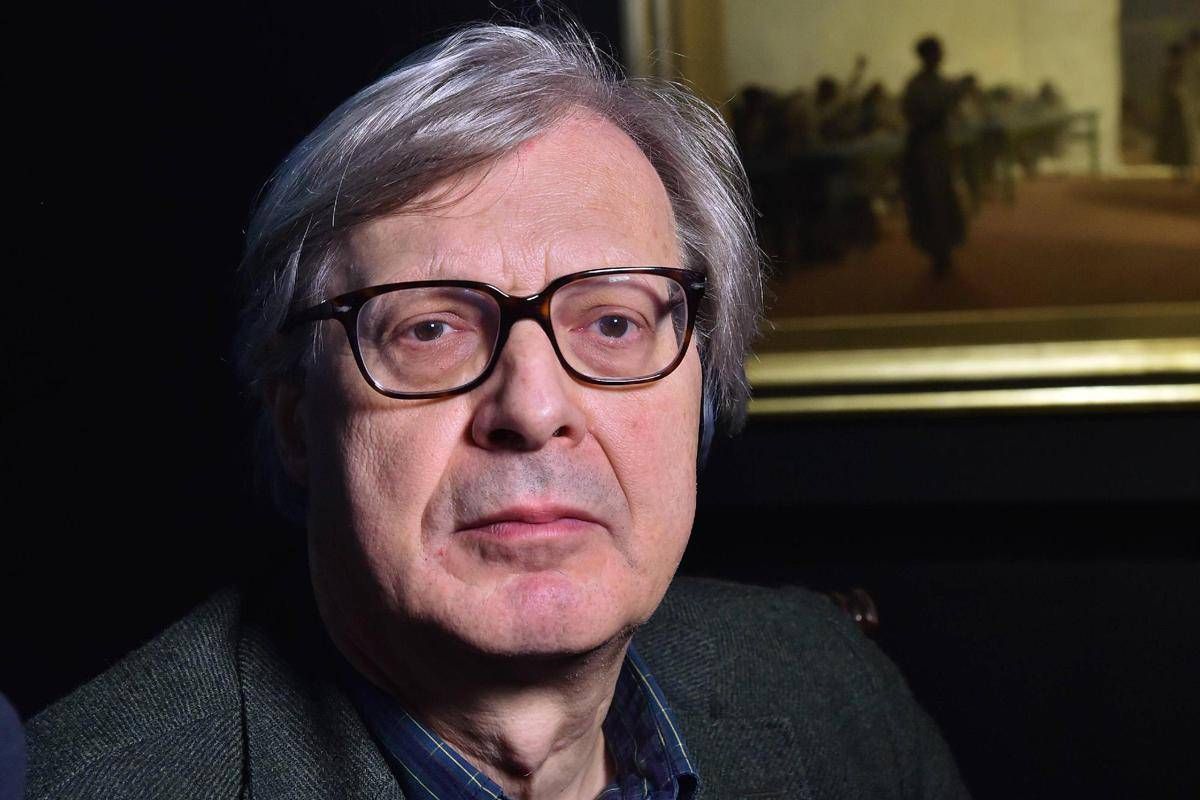
Sgarbi, migliora la respirazione dopo il ricovero: al via la riabilitazione
Il 74enne è ancora sottoposto a tracheostomia, ma i medici hanno disposto il trasferimento dalla Terapia intensiva al reparto di...

UK Emergency Preparedness Campaign Triggers Run on Survival Supplies
After the British government urged households to prepare for potential national emergencies, retailers selling emergency gear saw demand surge almost...

Marano, bambino di 5 anni afferrato davanti casa: la madre lo salva e dà l’allarme
La donna si è precipitata in strada dopo aver visto uno sconosciuto trattenere il figlio. I carabinieri hanno identificato un...
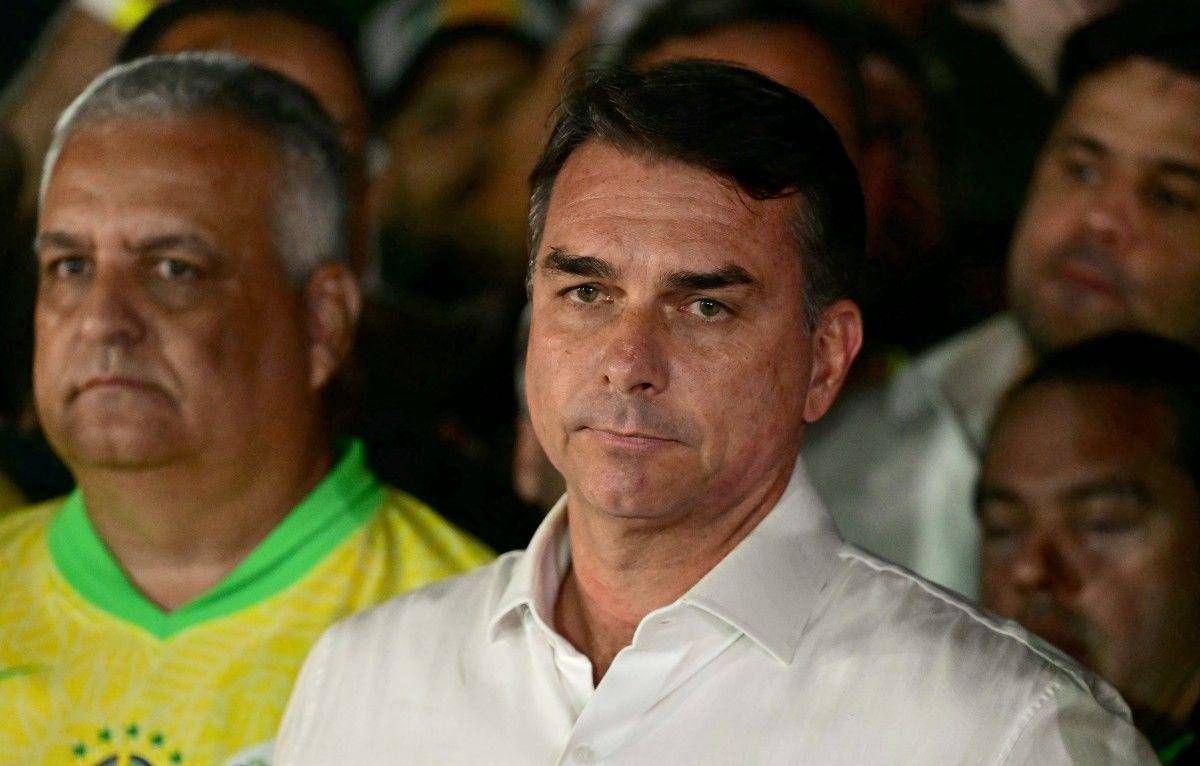
Brasile, il partito di Bolsonaro riconosce la vittoria di Lula
Flavio Bolsonaro rinuncia a chiedere l’annullamento del voto, ma annuncia un ricorso per invalidare la candidatura del presidente rieletto. Il...
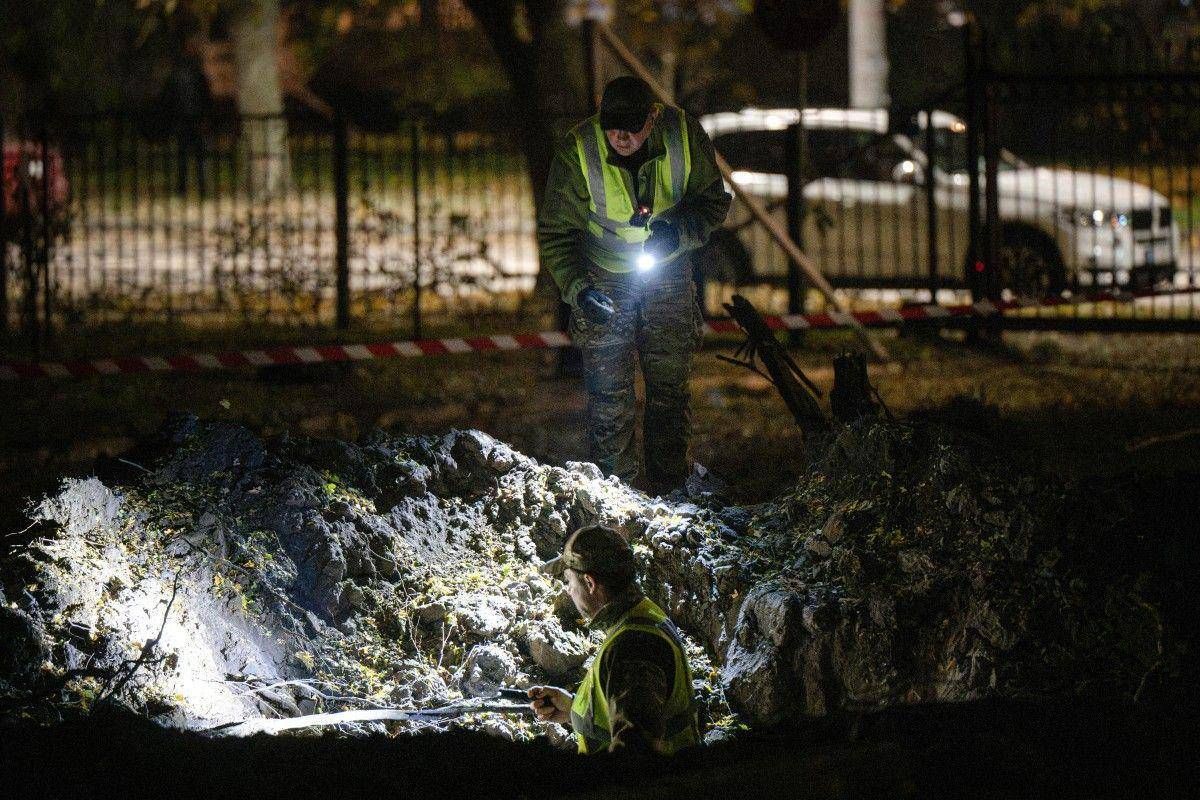
Oleshky, cessate il fuoco dal 27 ottobre: nuovi attacchi russi a Kiev
Oleshky, cessate il fuoco dal 27 ottobre per un’operazione umanitaria. Intanto gli attacchi russi provocano morti e feriti a Kiev...
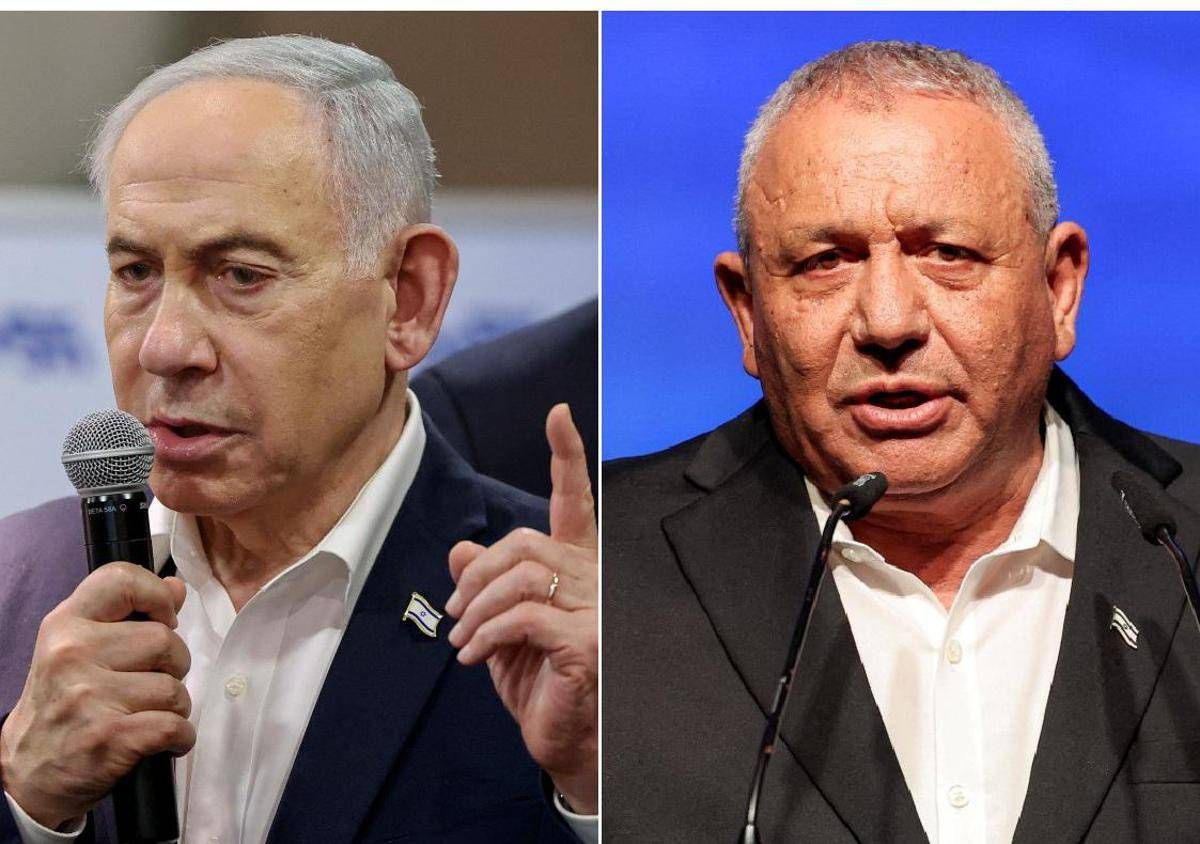
Israele al voto, Netanyahu si gioca il futuro: Likud sfidato da Eisenkot
Oltre 7,3 milioni di elettori sono chiamati a rinnovare i 120 seggi della Knesset. Gli ultimi sondaggi indicano una corsa...


Treni, voli e scuole: venerdì 30 ottobre l’Italia si ferma per lo sciopero
La mobilitazione proclamata da Usb contesta il carovita, l’economia di guerra e le condizioni di lavoro. Per i treni l’agitazione...
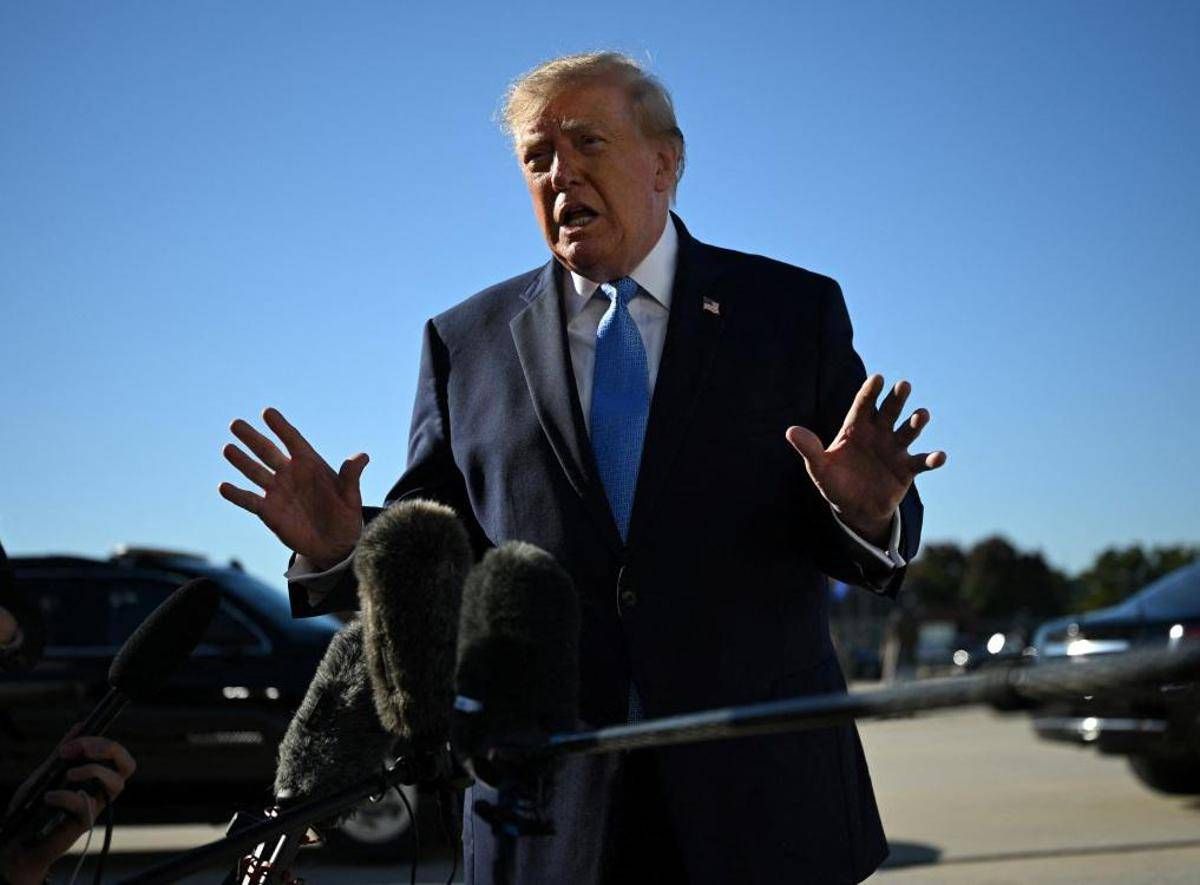
Trump Puts a $1 Million Bounty on Election Fraud Claims
As the 2026 midterms draw closer, Donald Trump is offering a seven-figure reward to anyone whose allegations of election fraud...

Tortoreto, bimbo di 10 mesi non respira: il padre lo salva guidato dal 118
Il piccolo era poco cosciente e aveva gravi difficoltà respiratorie. L’operatore Mario Quaranta ha spiegato al genitore come eseguire le...
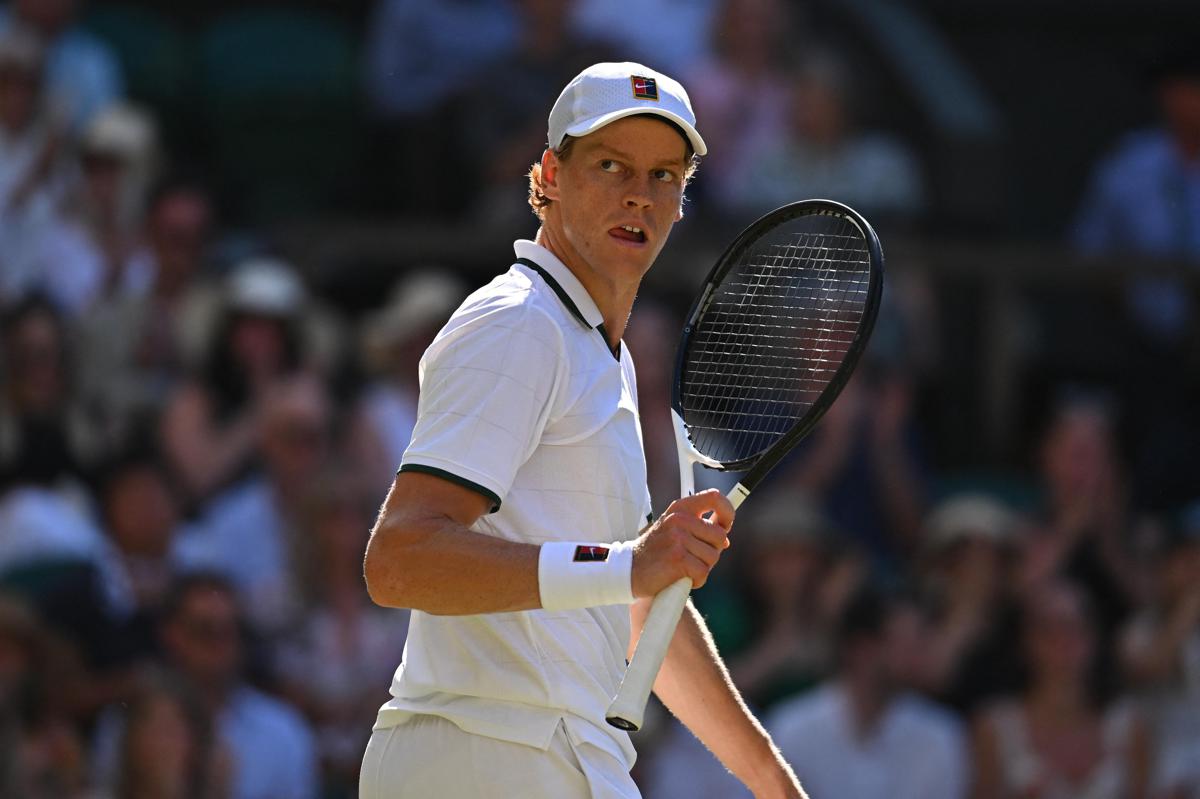
Jannik Sinner torna in campo a dicembre: giocherà il Six Kings Slam
L’azzurro ha annunciato a sorpresa la partecipazione all’esibizione di Riad, in programma dal 27 al 30 dicembre. Resta da chiarire...