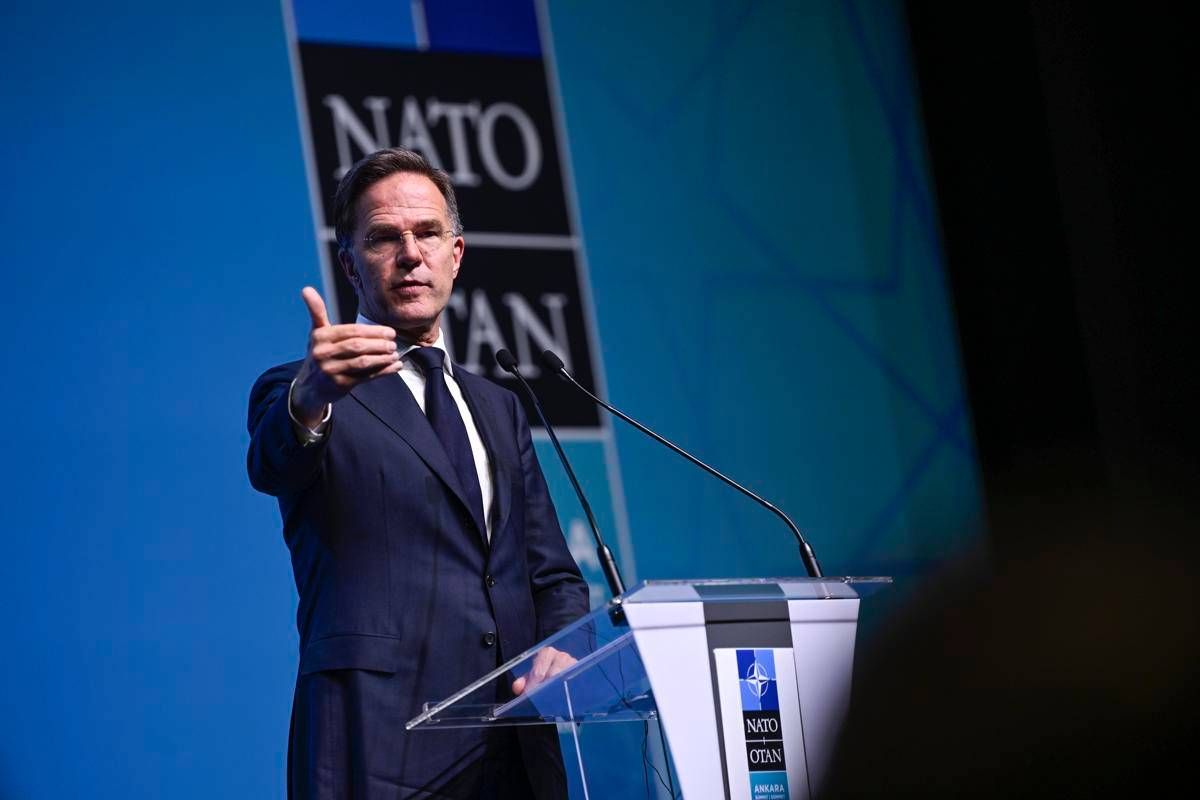
The NATO secretary general says there is no imminent threat to alliance territory, argues Moscow's nuclear rhetoric should not alter...
Read More
International-News
Ratko Mladic funeral in Belgrade draws thousands and EU condemnation
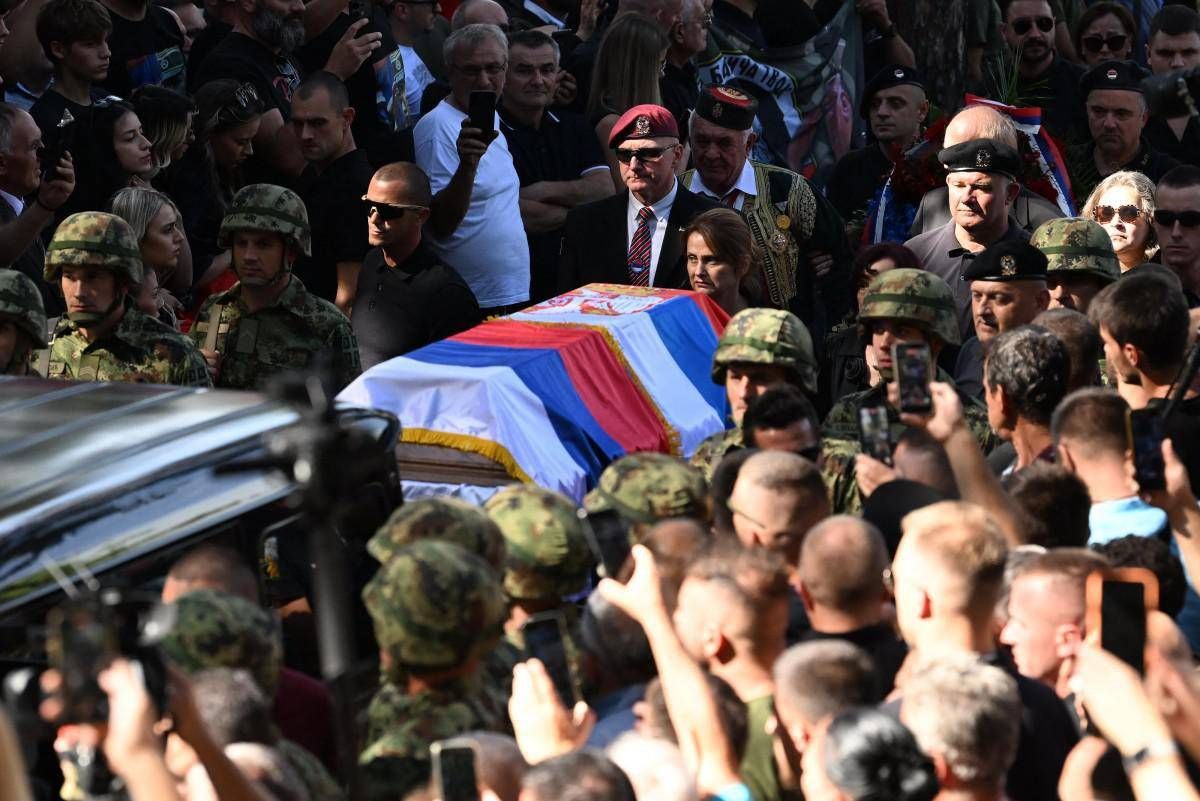
Senior Serbian officials, Russia’s ambassador and Milorad Dodik attend the ceremony for the former Bosnian Serb commander convicted of genocide
Thousands gathered in Belgrade for the funeral of Ratko Mladic, the former Bosnian Serb military commander who died on August 27 at age 84 while serving a life sentence in The Hague for genocide, war crimes and crimes against humanity committed during the Bosnian war. The ceremony at St. Luke’s Church drew several Serbian ministers, Russia’s ambassador and former Republika Srpska president Milorad Dodik. President Aleksandar Vucic did not attend.
Patriarch Porfirije praised Mladic during the service, declaring that “his name will remain deeply engraved in the memory and prayers of the majority of our Serbian Orthodox people.” As soldiers carried the coffin out of the church, thousands waved Serbian flags and banners bearing Mladic’s image during the procession to the Topcider cemetery.
The gathering in Belgrade prompted a sharp reaction from the European Union. “Any glorification of war criminals, genocide denial and revisionism contradicts the most fundamental European values and has no place in the EU or in countries aspiring to join the EU,” said Christian Wigand, spokesperson for the European External Action Service. He described Mladic as “a convicted war criminal” responsible for “war crimes, genocide and crimes against humanity” linked to the Srebrenica genocide.
Wigand noted that the conflicts of the 1990s in the Western Balkans “were among the darkest moments in Europe’s recent history,” expressing solidarity with victims, survivors and families affected by wartime atrocities across the former Yugoslavia. He stressed that reconciliation and good‑neighborly relations remain essential for the region’s future.
The EU statement did not single out any specific country, despite Mladic having been repatriated to Serbia. It emphasized that the EU supports Western Balkan partners in efforts to promote reconciliation, regional stability and lasting, inclusive solutions to disputes rooted in the legacy of the past, in line with international law.
THE LATEST NEWS
Police Hunt Suspect After Three Workers Shot at Virginia Rental Company
30 September 2026
Three United Rentals employees suffered potentially life-threatening injuries after a colleague allegedly opened fire at the company's Manassas facility before...
Read More

Tennessee Set to Execute Christa Pike, the Only Woman on Death Row for a Crime Committed as a Teenager
30 September 2026
The scheduled execution of a woman convicted of murder at 18 has reignited debate over capital punishment, trauma, and justice...
Read More

Queen Camilla angered by Harry and Meghan’s silence on Diana memoir
30 September 2026
Reports suggest Queen Camilla views the Sussexes' lack of public response to Earl Spencer's new memoir as a betrayal amid...
Read More
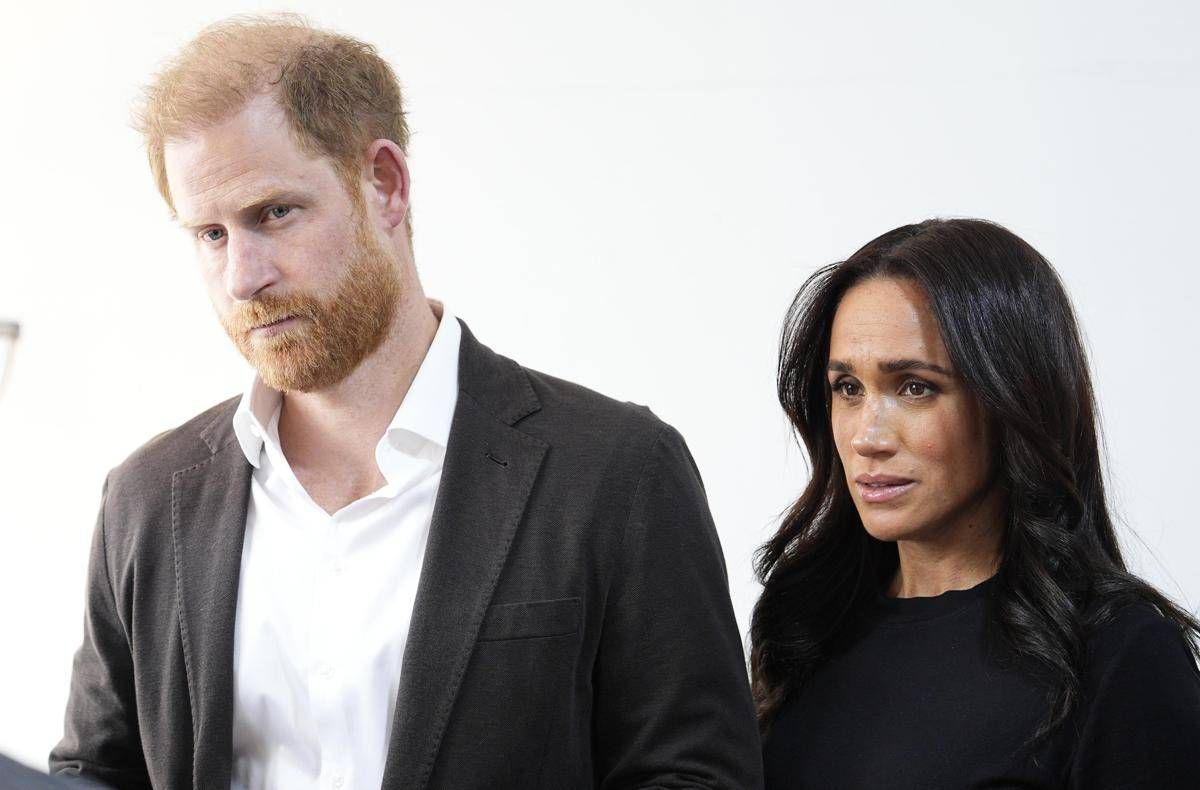
OECD Warns of Potentially Severe El Niño as Food Price Risks Mount
29 September 2026
A very strong El Niño could hit harvests across Africa, Southeast Asia and Central America, adding fresh inflationary pressures to...
Read More
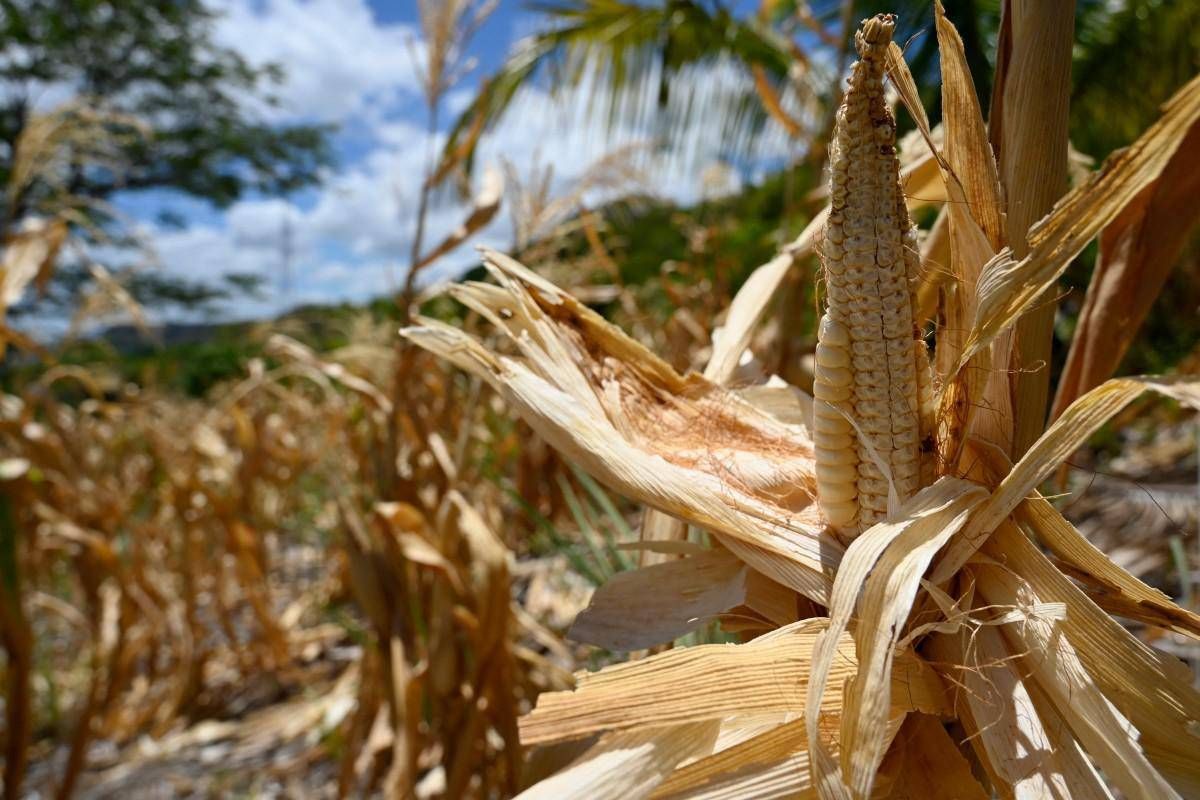
Russia Warns NATO Over Kaliningrad Isolation Scenario
29 September 2026
Moscow says any attempt to sever the Baltic exclave from the Russian mainland would trigger a response using all available...
Read More
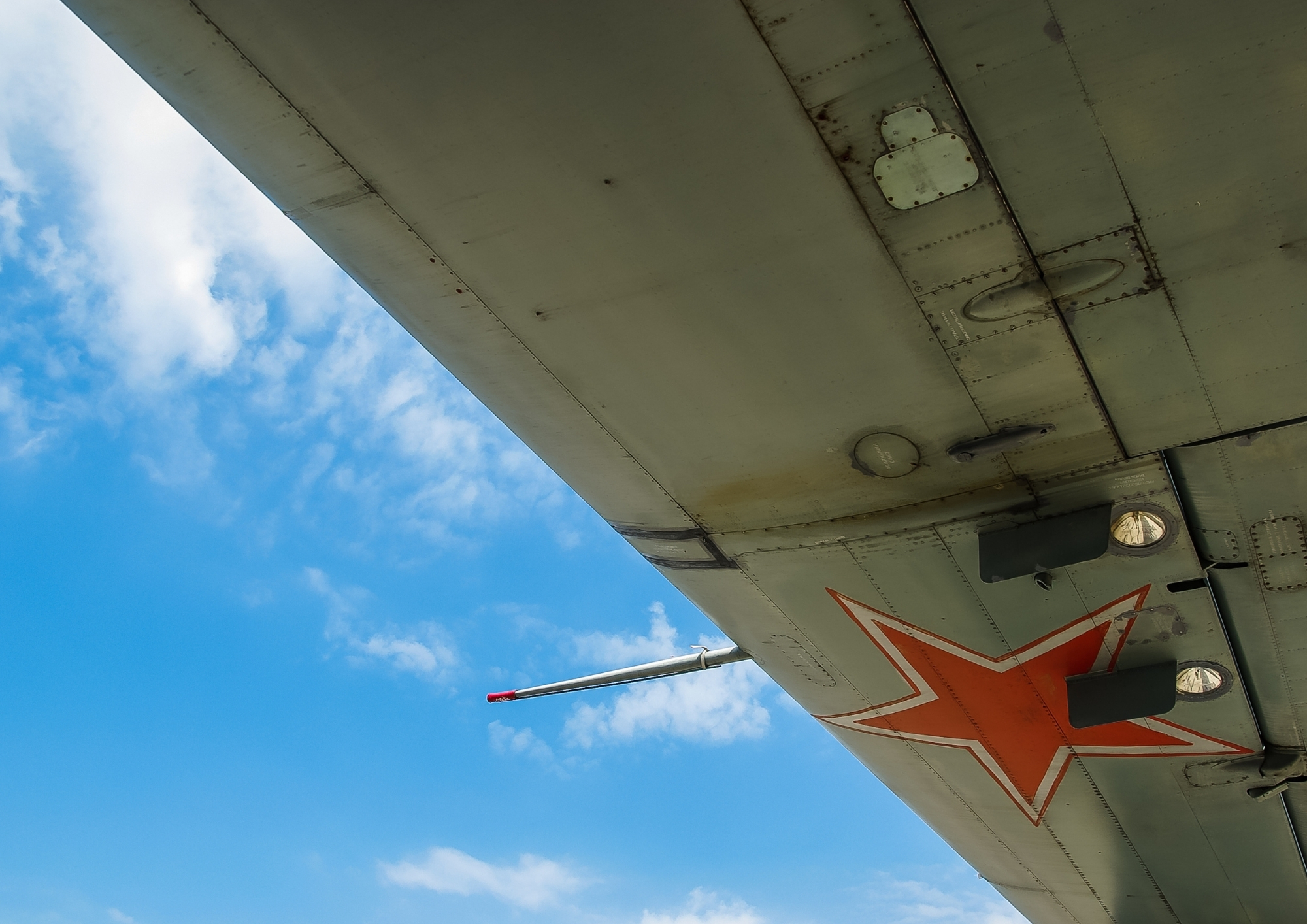
(Photo: © AndKronos)