Regional tensions intensified after Iranian authorities reported three tanker incidents near the Strait of Hormuz, even as mediators pushed a...
Read More
International-News
Russia Warns NATO Over Kaliningrad Isolation Scenario
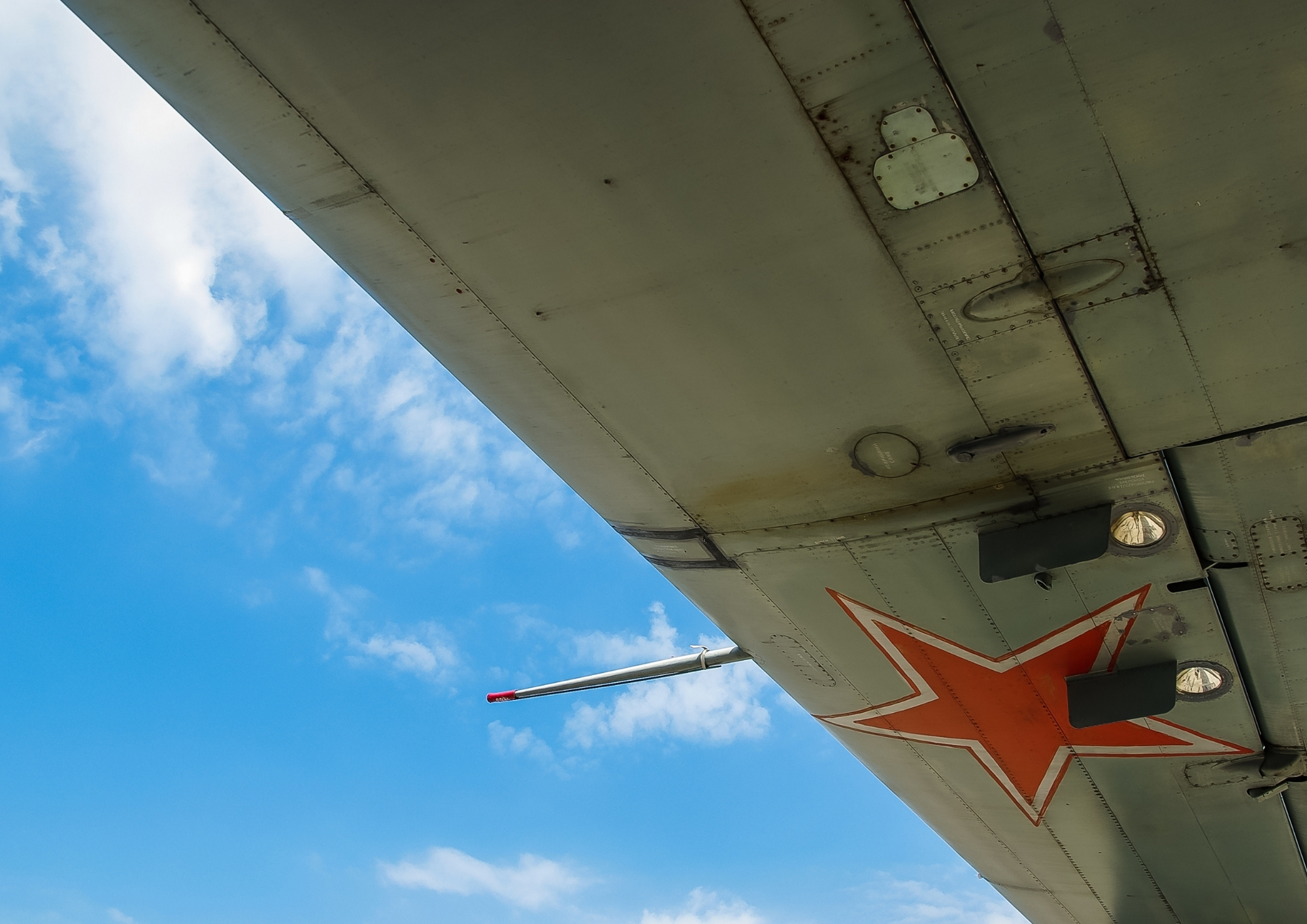
Moscow says any attempt to sever the Baltic exclave from the Russian mainland would trigger a response using all available military capabilities, as NATO rejects the accusation and condemns Kremlin threats
A new confrontation between Moscow and NATO has erupted over security in the Baltic region, with Russia warning that any effort to isolate Kaliningrad from the rest of the country would be met with the full range of weapons at its disposal.
The warning was issued by the Russian Embassy in Belgium, which accused the alliance of pursuing an increasingly confrontational approach along Russia’s western frontier. In a formal communication delivered to NATO’s International Secretariat and the Belgian Foreign Ministry, Russian diplomats argued that the alliance’s military posture is driving the region toward a far more dangerous phase of confrontation.
At the center of the dispute is Kaliningrad, the Russian exclave on the Baltic Sea that Moscow described as an inseparable part of the Russian Federation. The embassy claimed that NATO leaders and member states have engaged in what it called provocative actions and statements directed at the territory while simultaneously expanding military activity near Russian borders.
Russian officials argued that the scale of NATO deployments and exercises has reached unprecedented levels. According to the embassy, alliance drills increasingly rehearse offensive operations designed to counter the perceived Russian threat. Moscow also alleged that some Baltic exercises include scenarios involving the separation of Kaliningrad from mainland Russia and the military and political isolation of northwestern Russian ports.
Particular attention was directed at Baltic Sentry, an operation launched in January 2025. The Russian diplomatic mission asserted that the initiative serves as a mechanism for testing procedures that could eventually be used to impose a unilateral restriction on international maritime navigation.
The embassy further accused NATO, particularly countries on the alliance’s eastern flank, of deliberately intensifying political and military rhetoric. Russian diplomats argued that the cumulative effect of those actions is a sharp increase in the risk of a direct military collision between Russia and NATO forces.
The most consequential warning concerned the possibility of an attempt to cut off Kaliningrad from the rest of the Russian Federation.
“The Russian side has at its disposal the necessary means to repel potential aggression and is prepared to employ the entire arsenal of weapons available if NATO countries attempt to isolate the Kaliningrad region from the rest of our country,” the embassy stated.
Moscow also called on alliance members to refrain from additional initiatives or public statements that could further inflame tensions, presenting the appeal as an effort to prevent a wider military confrontation.
NATO rejected Russia’s characterization of events and dismissed the accusations directed at the alliance.
Spokesperson Allison Hart confirmed that Russia had submitted a non-paper to NATO and that the alliance had responded. She reiterated that NATO remains a defensive alliance and insisted that none of its exercises or activities pose a threat to Russian territory.
Hart also condemned what she described as threats involving the use of force, including irresponsible nuclear rhetoric, while renewing NATO’s demand that Russia end what the alliance considers its unprovoked war against Ukraine.
Linking the latest dispute to broader concerns about Russian behavior, Hart characterized Moscow’s hybrid tactics as a sign of desperation rather than strength and said NATO’s support for Ukraine would remain unchanged despite Russian pressure.
“We have the capabilities necessary to defend every inch of Allied territory and remain strong, ready and able to counter any threat,” Hart said.
THE LATEST NEWS
Prince Harry Says He Wants Reconciliation With the Royal Family
20 October 2026
The Duke of Sussex calls reconciliation "the most important thing" and urges people not to carry family conflicts forever After...
Read More

Is Britain Ready for War? Former Government Adviser Says No
20 October 2026
Former adviser to Chancellor Philip Hammond says the U.K.'s force structure and spending priorities leave the country ill-prepared for a...
Read More

Macron’s Election-Year Crisis: France Imposes Curfews After Unrest
20 October 2026
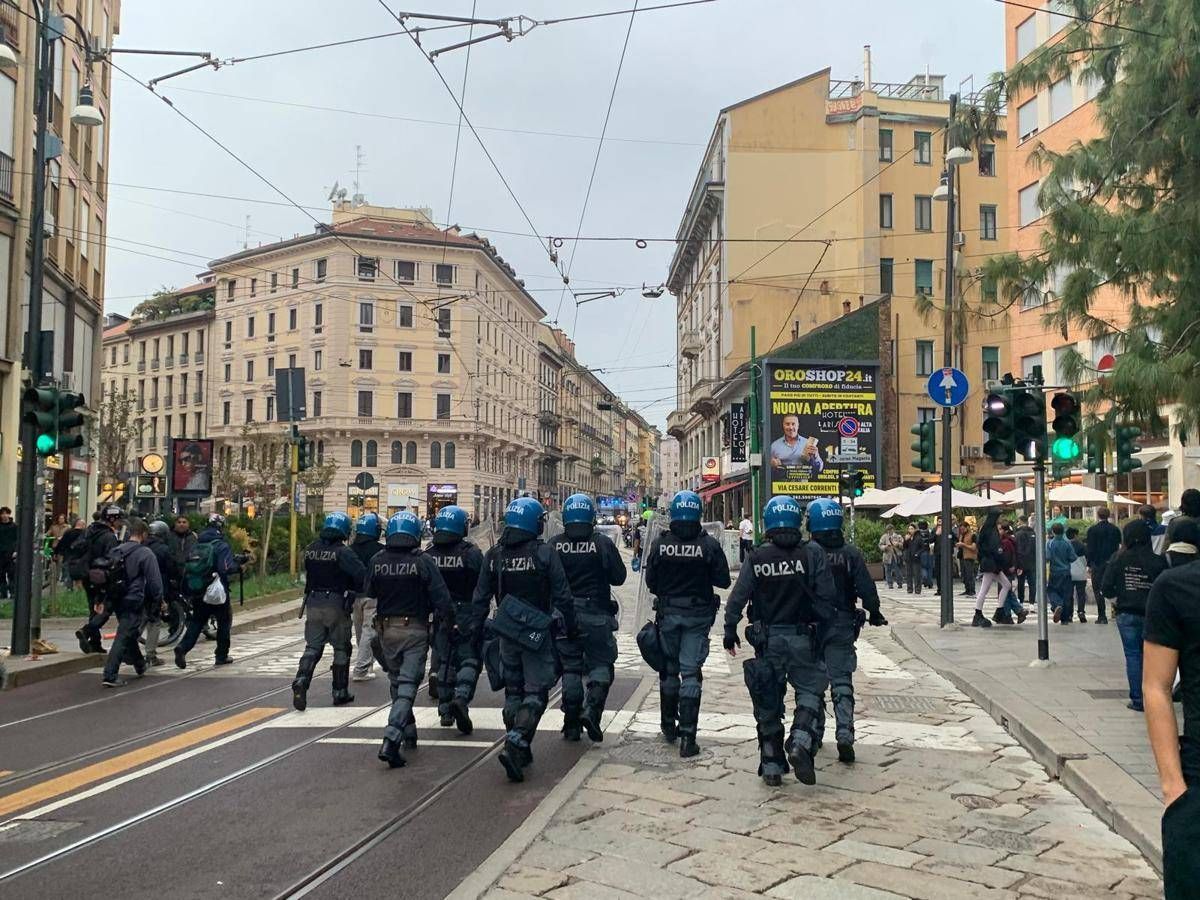
Violence, looting and mass arrests following nationwide cost-of-living protests have pushed the French government into emergency mode, with new demonstrations...
Read More
Trump Wants Ukraine Talks With Putin and Xi, Not Zelensky
20 October 2026
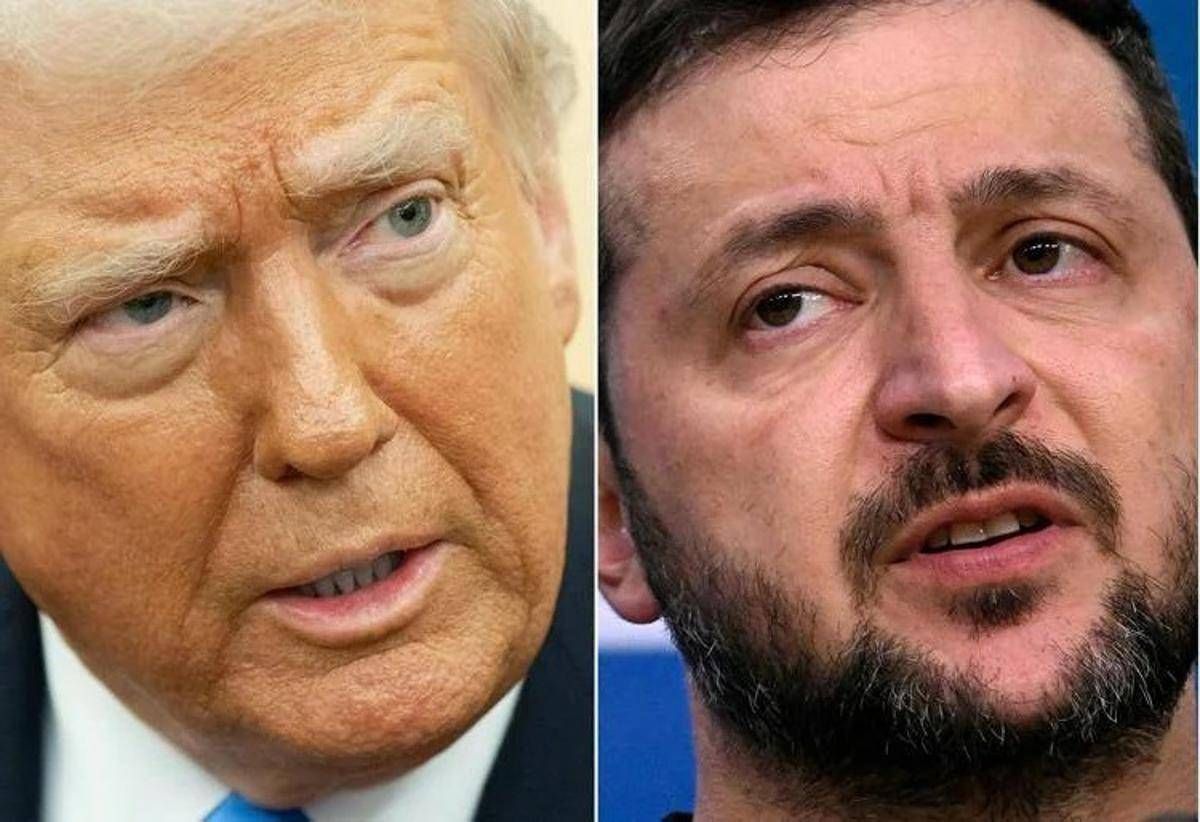
A potential trilateral summit in China would bring together the leaders of the United States, Russia and China while the...
Read More

Iran’s Nuclear Taboo Is Crumbling as Hardliners Push for the Bomb
20 October 2026
The death of Ali Khamenei, the war involving the United States and Israel, and uncertainty over the new supreme leader's...
Read More