
International-News
OECD Warns of Potentially Severe El Niño as Food Price Risks Mount
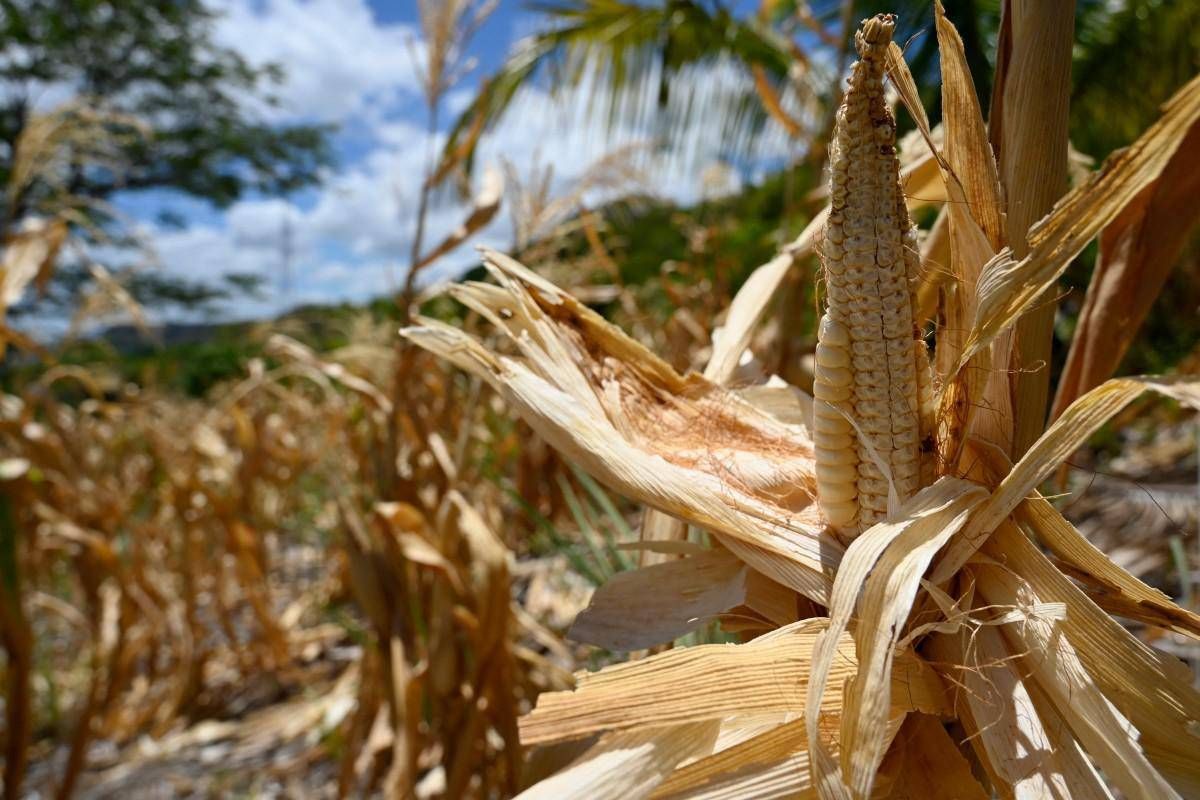
A very strong El Niño could hit harvests across Africa, Southeast Asia and Central America, adding fresh inflationary pressures to an already fragile global economy
There is a 95% probability that a very strong El Niño event will develop by the end of the year, raising concerns over agricultural production, food inflation, and broader economic stability, according to OECD Secretary-General Mathias Cormann.
Speaking during the presentation of the OECD’s Interim Economic Outlook, Cormann said the phenomenon could inflict further damage on global crop yields at a time when food markets are already under pressure.
Cormann and OECD Chief Economist Stefano Scarpetta noted that agricultural and food prices had already been moving higher due to the conflict in the Middle East. However, the growing likelihood of an intense El Niño event is now increasingly being factored into market expectations, contributing to a sharper rise in food commodity futures.
Compared with the OECD’s June projections, the outlook has deteriorated as traders reassess the risks facing global food supplies. The extreme heat recorded across the Northern Hemisphere during the summer has already damaged some grain harvests, adding another layer of uncertainty to agricultural markets.
According to OECD officials, an escalation from a strong El Niño to a very strong one would place additional pressure on crop production, particularly in Southern Africa, Southeast Asia, and Central America. These regions are especially vulnerable to weather disruptions that can severely affect agricultural output and food availability.
The consequences would be felt most acutely by low-income countries and poorer households, where food accounts for a larger share of consumer spending. Reduced harvests and tighter supplies could further undermine access to affordable food, increasing the risk of food insecurity in some of the world’s most vulnerable regions.
OECD officials also warned that the impact would likely extend beyond agriculture. Higher food costs could reinforce inflationary pressures, while climate-related disruptions may contribute to rising energy prices, creating additional challenges for policymakers and central banks already navigating a fragile global economic environment.
The organization stressed that stronger international cooperation may be required to mitigate the economic and social consequences of a severe El Niño event and to help vulnerable countries manage the potential shock to food and energy markets.
THE LATEST NEWS
[recent_post_slider design=”design-07″ show_author=”false” slider_height=”390″ lazyload=”progressive” limit=”6″ category=”11728″]
(Photo: © AndKronos)

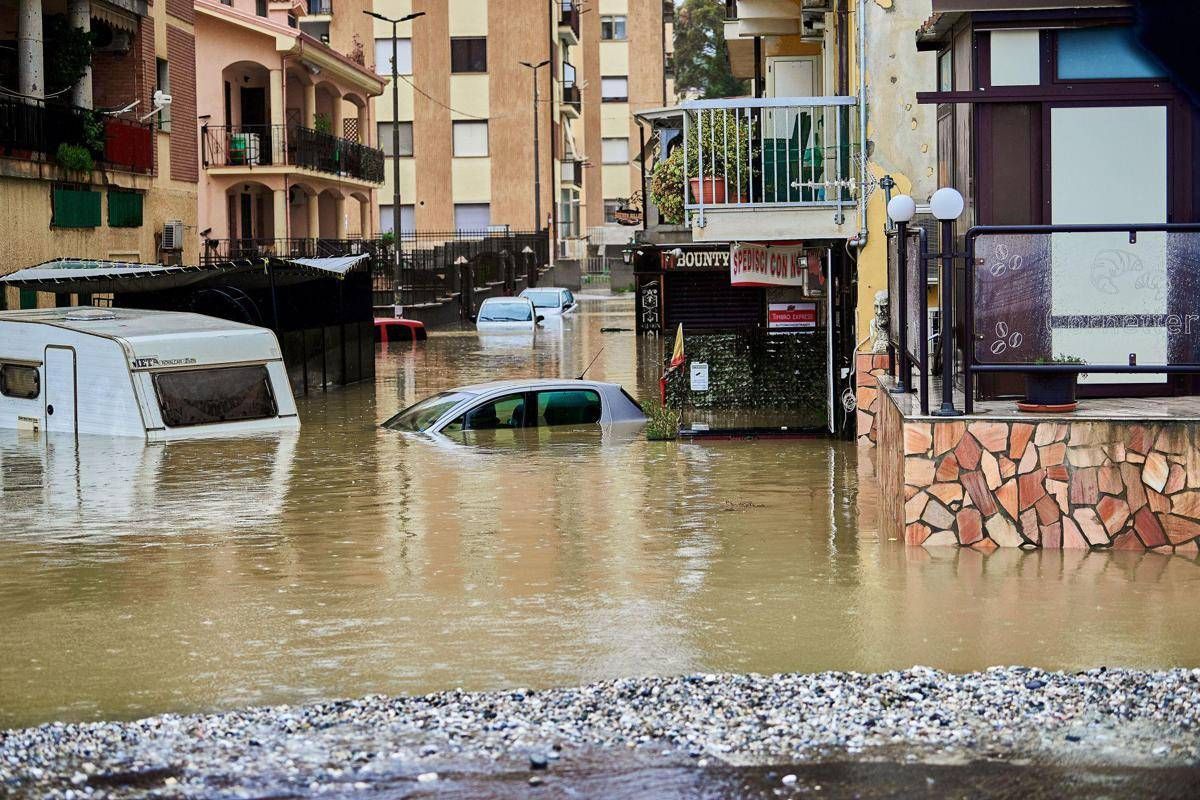
Tempesta Harry, all’Italia 74,9 milioni dall’Ue per quasi 3 miliardi di danni
Il Parlamento europeo approva il contributo per Sicilia, Sardegna e Calabria. Le risorse coprono una quota limitata delle perdite e...


Quattro anni di Governo Meloni, il bilancio ufficiale di Palazzo Chigi
Il 22 ottobre 2026 l’esecutivo raggiunge il traguardo dei quattro anni. Ecco le slide pubblicate da Palazzo Chigi con i...
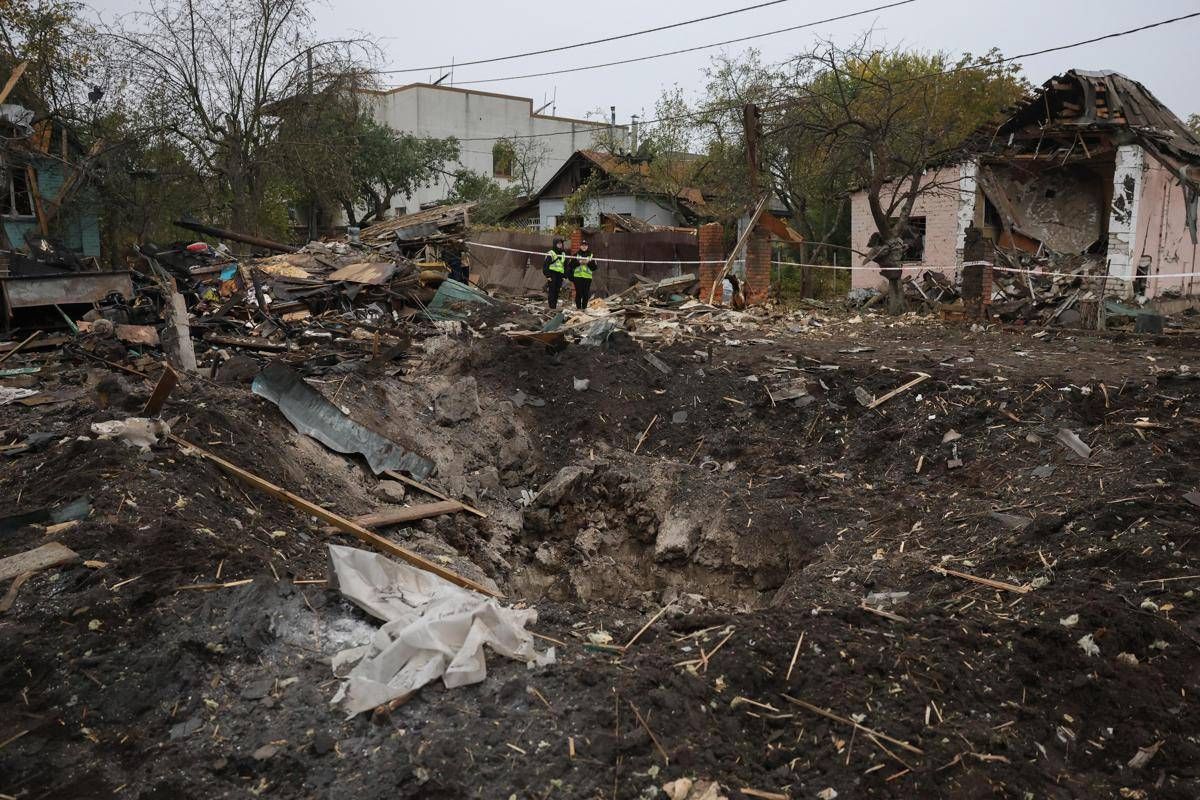
Zelensky, ironia amara su Witkoff dopo gli elogi a Putin: «Ecco gli “umanitari” a suon di razzi»
Il riferimento polemico è alle dichiarazioni di Steve Witkoff sullo «spirito umanitario» del presidente russo. Gli attacchi con 21 missili...

Italia e Spagna decidono stop ai controlli straordinari alle frontiere Schengen
L’intesa tra Matteo Piantedosi e Fernando Grande-Marlaska arriva dopo il confronto tra Giorgia Meloni e Pedro Sánchez. I due Paesi...


Russia’s Covert Disinformation Network Expanded Beyond Troll Farms, Investigation Finds
Internal documents reviewed by an independent investigative outlet detail how a Kremlin-linked operation evolved from traditional online influence campaigns into...

Trump e Putin ottimisti sulla fine della guerra, ma i dubbi restano
Il presidente americano sostiene che non si sia mai stati così vicini alla conclusione del conflitto. Intanto, a Kiev cresce...

Diritto alla riparazione, nuove regole in Italia: cosa cambia per i consumatori
Da oggi 22 ottobre entra in vigore il decreto legislativo n. 176/2026. Per i prodotti interessati sono previste più tutele...


Carburante a rischio negli scali del Sud, ai piloti chiesto di fare il pieno prima
Gesac invita gli equipaggi a imbarcare carburante negli aeroporti di provenienza per ridurre la necessità di rifornimenti negli scali campani,...
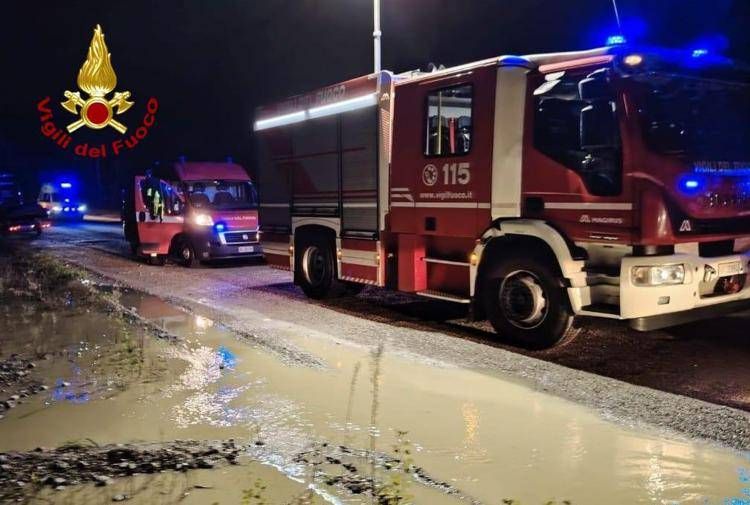
Meduna in piena, tre persone bloccate su un isolotto: salvate con l’elicottero
A Rauscedo, nel Pordenonese, l’auto è rimasta semisommersa nel torrente ingrossato. I vigili del fuoco hanno raggiunto i tre occupanti...

Netanyahu vuole rovesciare il regime iraniano, cresce la tensione con gli Usa
Il premier israeliano accusa Mojtaba Khamenei di seguire le orme del padre. Personale Usa via da ambasciate in Arabia Saudita,...
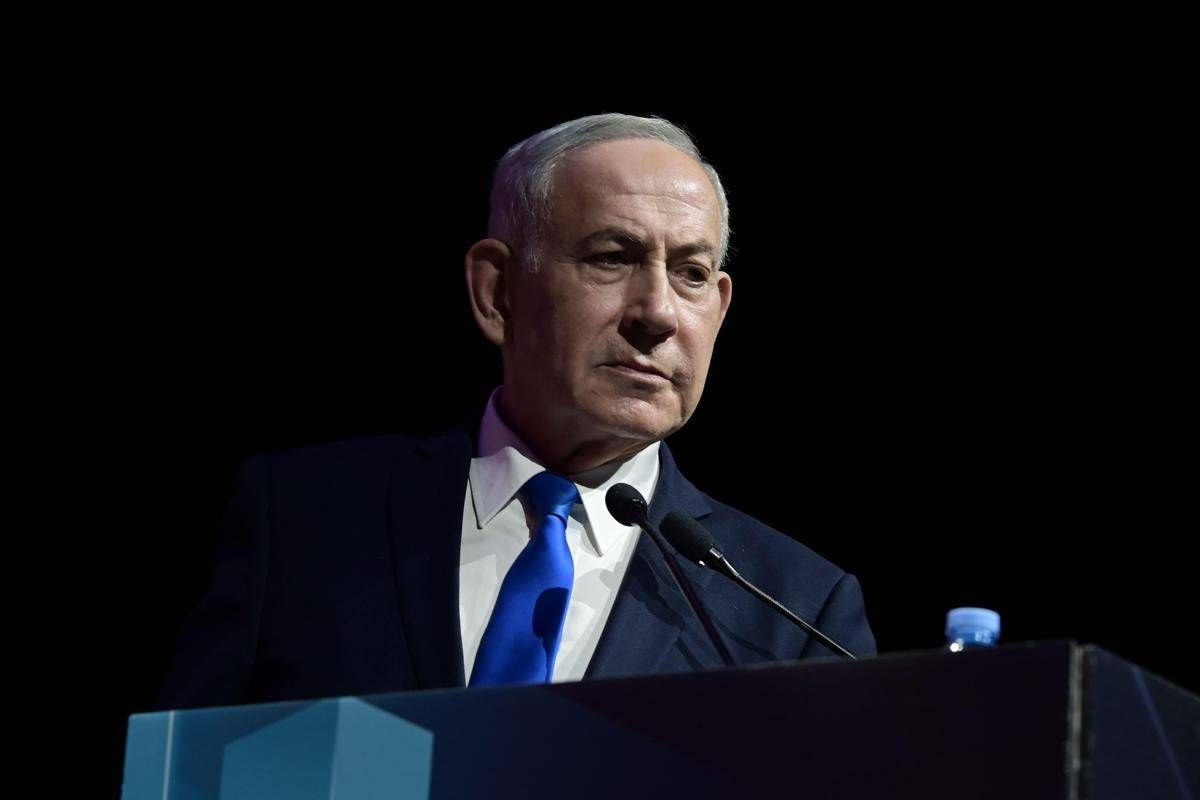
Netanyahu Blames Russia and Dugin for Fueling Antisemitism in the West
Israeli prime minister says Russian influence networks and nationalist ideologue Aleksandr Dugin are helping spread anti-Jewish sentiment, particularly among young...
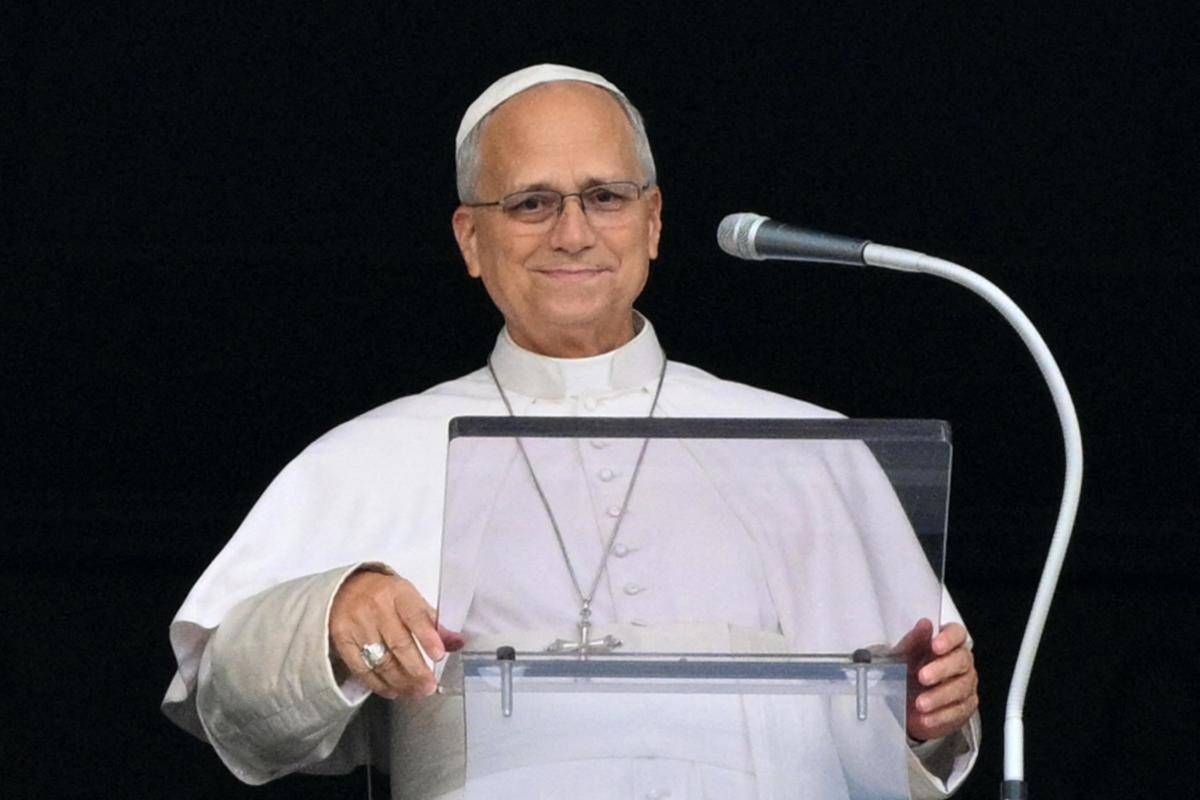
Papa Leone XIV, il tumore al polmone era localizzato: nessuna altra terapia
Gli esami istologici hanno confermato la diagnosi di adenocarcinoma. I medici escludono la necessità di ulteriori cure dopo l’intervento al...
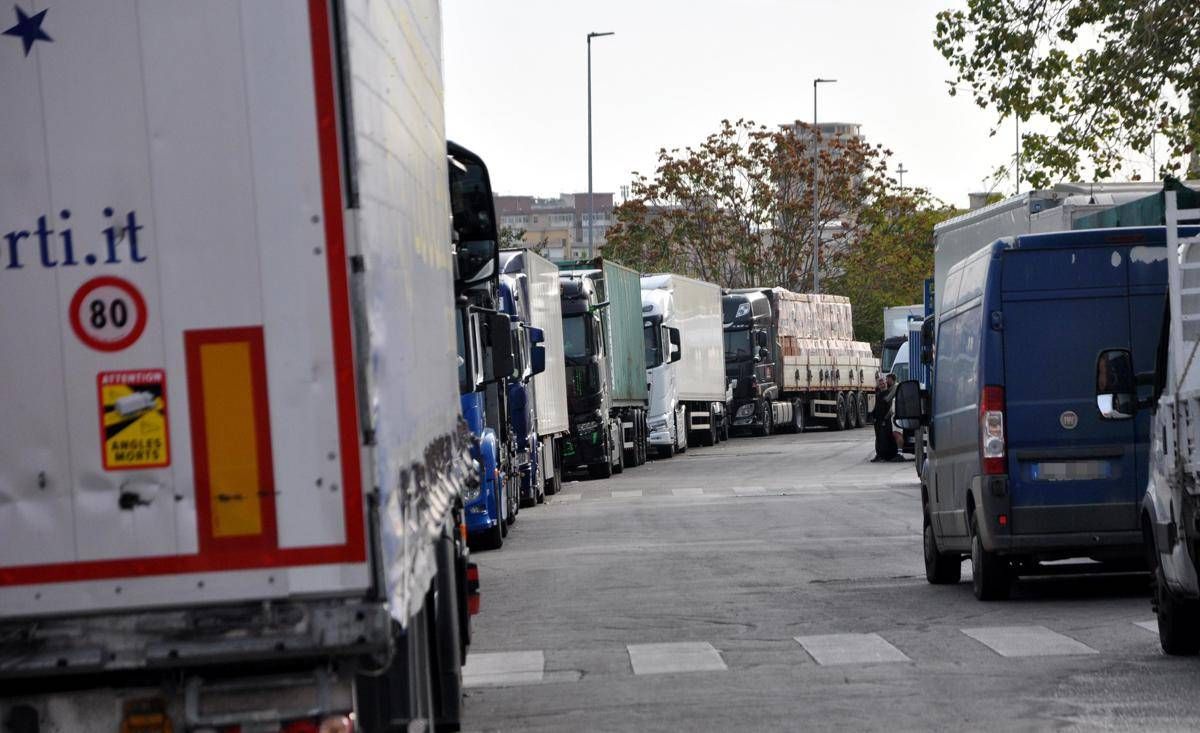
Caro carburanti, stretta sui blocchi dei Tir: 71 denunciati e 1.339 identificati
Il Viminale intensifica i controlli sui presidi illegali e dispone la scorta per 500 mezzi in Campania. Gli autotrasportatori tirano...

Netanyahu Says Only Regime Change in Iran Can End the Threat
Six days before Israel’s elections, Benjamin Netanyahu called for the overthrow of Iran’s ruling system, while reports emerged that Donald...

Vittorio Sgarbi in miglioramento, resta ricoverato in Terapia intensiva
Il critico d’arte, 74 anni, è al Policlinico Gemelli di Roma da circa tre settimane dopo una grave crisi respiratoria....
TikTok blocca le ricerche legate alle proteste e limita le LIVE
Disattivato il completamento automatico per le ricerche sulle manifestazioni e ridotti temporaneamente alcuni strumenti di monetizzazione delle dirette Una task...
-
 News1 day ago
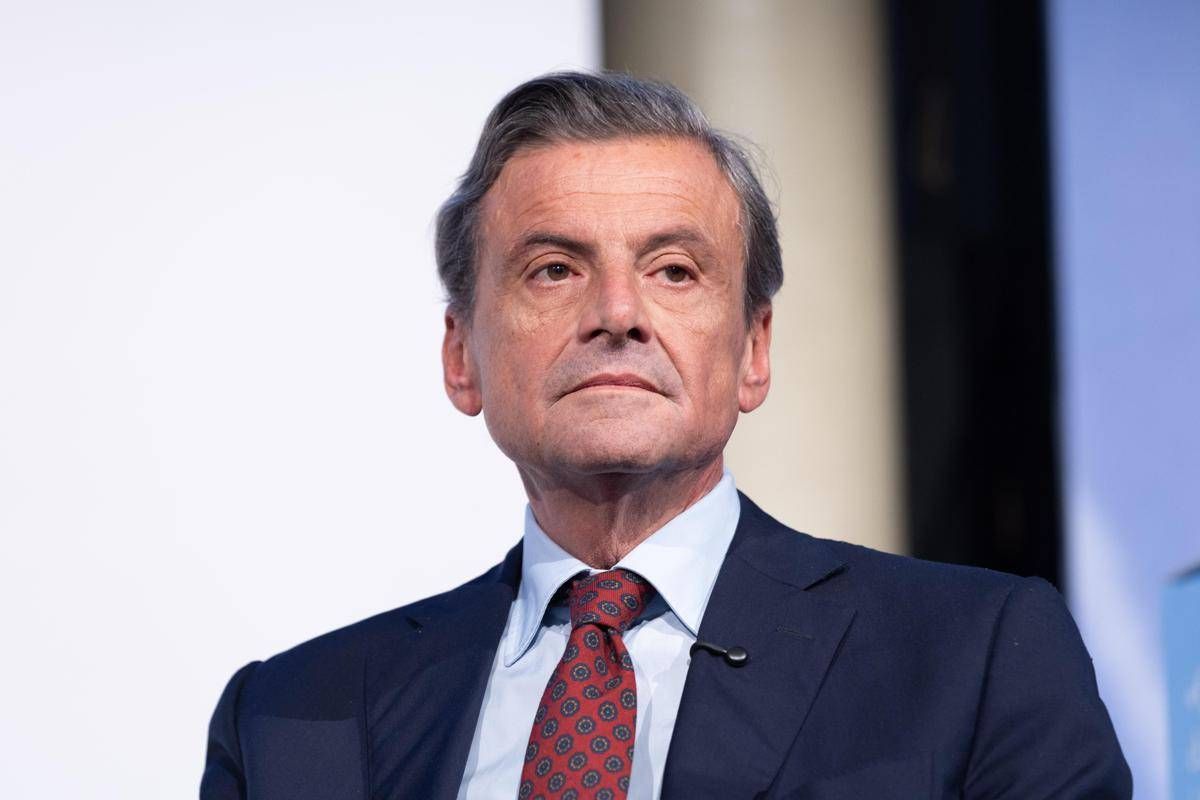
Carlo Calenda aderisce allo sciopero della fame per Oleshky
-
 International-News1 day ago
He Was Washing Dishes in New York. Now He’s About to Walk Across America
-
 News2 days ago
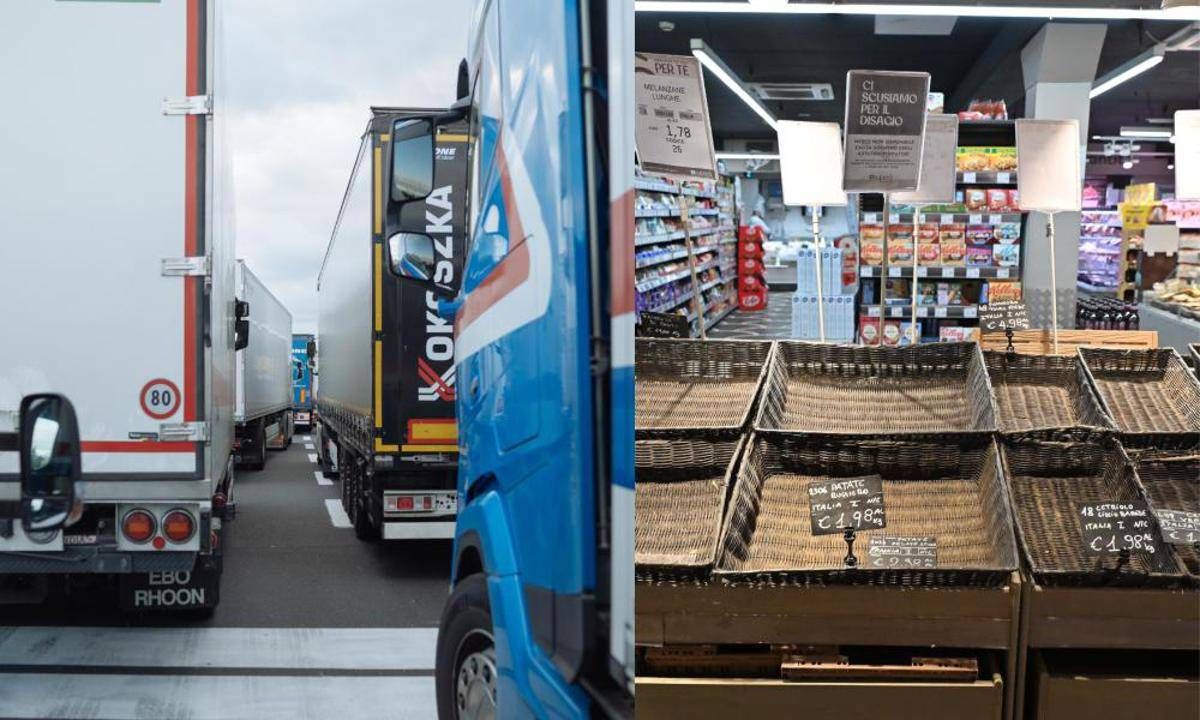
Protesta autotrasportatori, Sud Italia in difficoltà: carburante e trasporti a rischio
-
 In Evidenza2 days ago
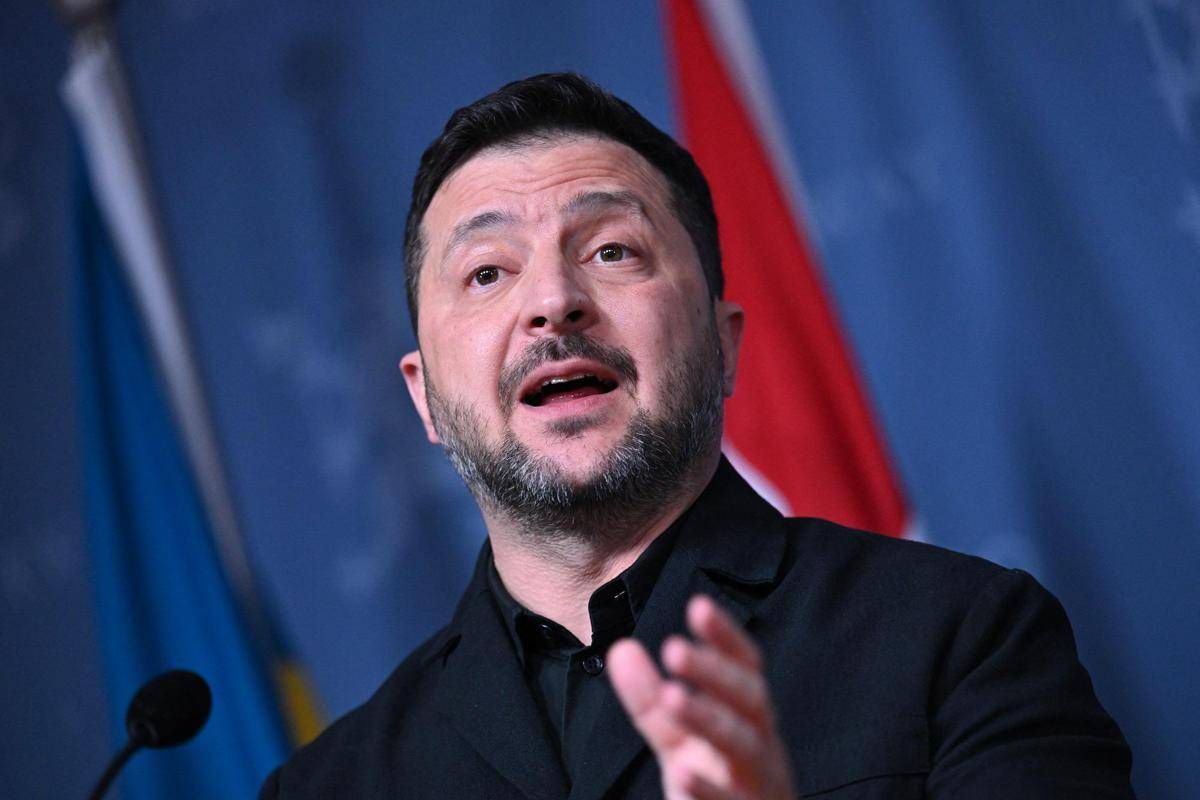
Zelensky avverte Trump: «Niente accordi sull’Ucraina senza Kiev»