
International-News
UN Secretary-General Race Enters Final Phase as Seven Candidates Compete
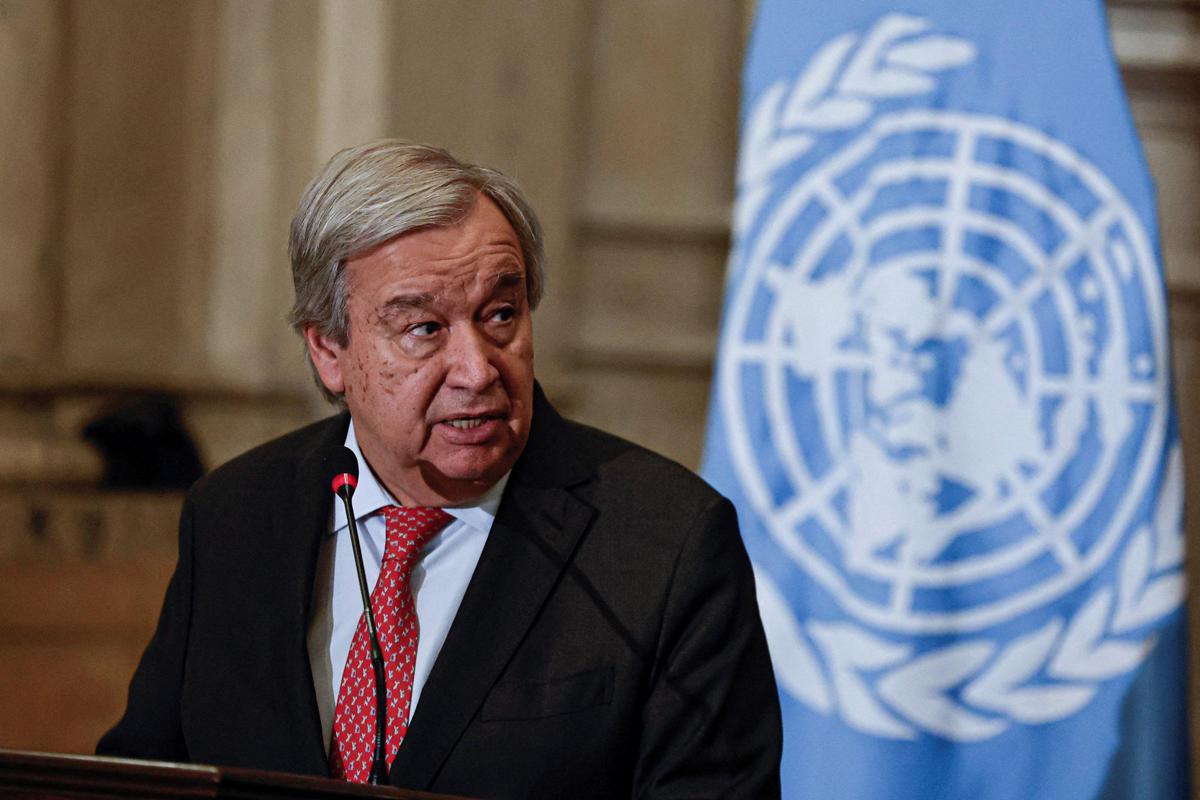
The United Nations Security Council will begin voting this week to choose Antonio Guterres’ successor, but the selection process remains dominated by the influence of the five permanent members and their veto power
The UN Secretary-General race enters a decisive phase this week as the United Nations Security Council begins voting to identify the candidates most likely to succeed Antonio Guterres, whose mandate expires after leading the organization since 2016. The process will determine which name is eventually submitted to the General Assembly for approval, but concerns over transparency continue to surround the selection procedure.
According to Geneva Solutions, a Geneva-based independent journalism platform citing sources familiar with the process, the vote will once again be marked by a high degree of confidentiality despite measures introduced in recent years to make the appointment more open.
Nearly nine months after the first candidates announced their intention to run, the Security Council will begin evaluating seven names. Most candidates come from the Americas, in line with the expectation that the next secretary-general should come from that region under the principle of geographic rotation. The group includes four women and three men.
At this stage, observers say it remains difficult to identify a clear favorite, although some candidates have attracted greater attention, including Rafael Grossi, according to AFP.
The selection process remains heavily dependent on the position of the five permanent members of the Security Council — the United States, Russia, China, France and the United Kingdom. Even if a candidate secures the support of at least nine members of the Council, the nomination can still be blocked by a veto from one of the permanent members before reaching the General Assembly.
The candidates for the UN leadership
Michelle Bachelet
The 74-year-old Chilean socialist, who opposed Augusto Pinochet’s dictatorship and later became Chile’s first female president, serving from 2006 to 2010 and again from 2014 to 2018, remains one of the most internationally recognized figures in the race.
Her tenure as United Nations High Commissioner for Human Rights faced criticism, including from China over a report on the treatment of the Uyghur minority and from the United States over her support for abortion rights.
Bachelet has argued that the next secretary-general should be “the voice of morality” even when facing pressure from major powers. She has also expressed hope that the world is finally “ready” for a woman to hold the position.
Her candidacy is supported by Mexico and Brazil, while Chile withdrew its backing after the election of right-wing president José Antonio Kast.
Maria Fernanda Espinosa
The 61-year-old former Ecuadorian foreign and defense minister presents herself as a defender of the United Nations, describing it as “the only universal platform to address humanity’s common challenges,” while calling for further reforms.
Espinosa, who previously served as president of the UN General Assembly, has proposed the creation of an early warning mechanism capable of collecting signals from the field to prevent conflicts before they erupt.
Her candidacy was put forward by Antigua and Barbuda rather than her own country.
Rafael Grossi
The Argentine diplomat, 65, has gained international visibility as director general of the International Atomic Energy Agency (IAEA), a position he has held since 2019.
His mandate has placed him at the center of two highly sensitive issues involving Security Council powers: Iran’s nuclear program and the Zaporizhzhia nuclear plant in Ukraine, occupied by Russia.
Grossi decided not to resign from his IAEA position during the campaign, arguing that doing so would represent “a dereliction of duty.”
According to some observers, he has adopted a more ambitious position on UN reform and on the role of the secretary-general, which he believes should be “truly” present on the ground.
Rebeca Grynspan
The 70-year-old former vice president of Costa Rica is currently head of the United Nations Conference on Trade and Development (UNCTAD), a role she left to run for secretary-general.
During her career, she helped negotiate the Black Sea Grain Initiative with Moscow and Kyiv in 2022 to facilitate Ukrainian grain exports after Russia’s invasion.
Referring to her family history, with Jewish parents who “barely survived” the Holocaust before emigrating to Costa Rica, Grynspan has criticized the United Nations for becoming “a conservative organization when it comes to risks” and for failing to exert enough influence over conflicts.
Carolyn Rodrigues-Birkett
The former foreign minister of Guyana, 52, is the youngest candidate in the race. She was nominated by her country and currently serves as Guyana’s ambassador to the United Nations.
Rodrigues-Birkett argues that the organization must restore its “credibility,” stressing that the UN should not be judged only on peace and security issues but also on development and human rights.
Macky Sall
The former president of Senegal, 64, is one of the two candidates not from Latin America. He has emphasized the close connection between peace and development.
His candidacy was initially proposed by Burundi and only recently received support from Dakar.
Senegalese authorities had previously accused him of harshly repressing political protests that resulted in dozens of deaths between 2021 and 2024.
Olara Otunnu
Ugandan opposition figure Olara Otunnu was nominated by the Ugandan government on July 24.
He previously served as United Nations under-secretary-general and as special representative for children and armed conflict from 1997 to 2005.
A process still controlled by the Security Council powers
The voting procedure remains highly structured and confidential. According to Geneva Solutions, representatives of the 15 Security Council members, including the five permanent members with veto power, will receive identical pens and blank ballots to prevent voters from being identified.
During a closed-door meeting, diplomats will choose among three options for each candidate: encourage, discourage or no opinion.
The initial rounds are designed to test positions. The process continues until the permanent members decide that the time has come to move to colored ballots, while non-permanent members continue using white ballots.
A clear favorite usually emerges only after negotiations among the permanent members, who traditionally play the decisive role in reaching an agreement.
In an effort to respond to criticism over past secrecy, the United Nations has organized public informal discussions with candidates. During the latest session on Thursday, the first six candidates — excluding Otunnu because his nomination came later — appeared before the General Assembly and answered questions.
Despite these changes, the final decision remains largely in the hands of the five permanent members of the Security Council, each of whom can block any candidate considered unacceptable.
Antonio Guterres has served as United Nations secretary-general since 2016. At the end of his first five-year term, he was confirmed by acclamation without a formal vote.
THE LATEST NEWS
[recent_post_slider design=”design-07″ show_author=”false” slider_height=”390″ lazyload=”progressive” limit=”6″ category=”11728″]
(Photo: © AndKronos)

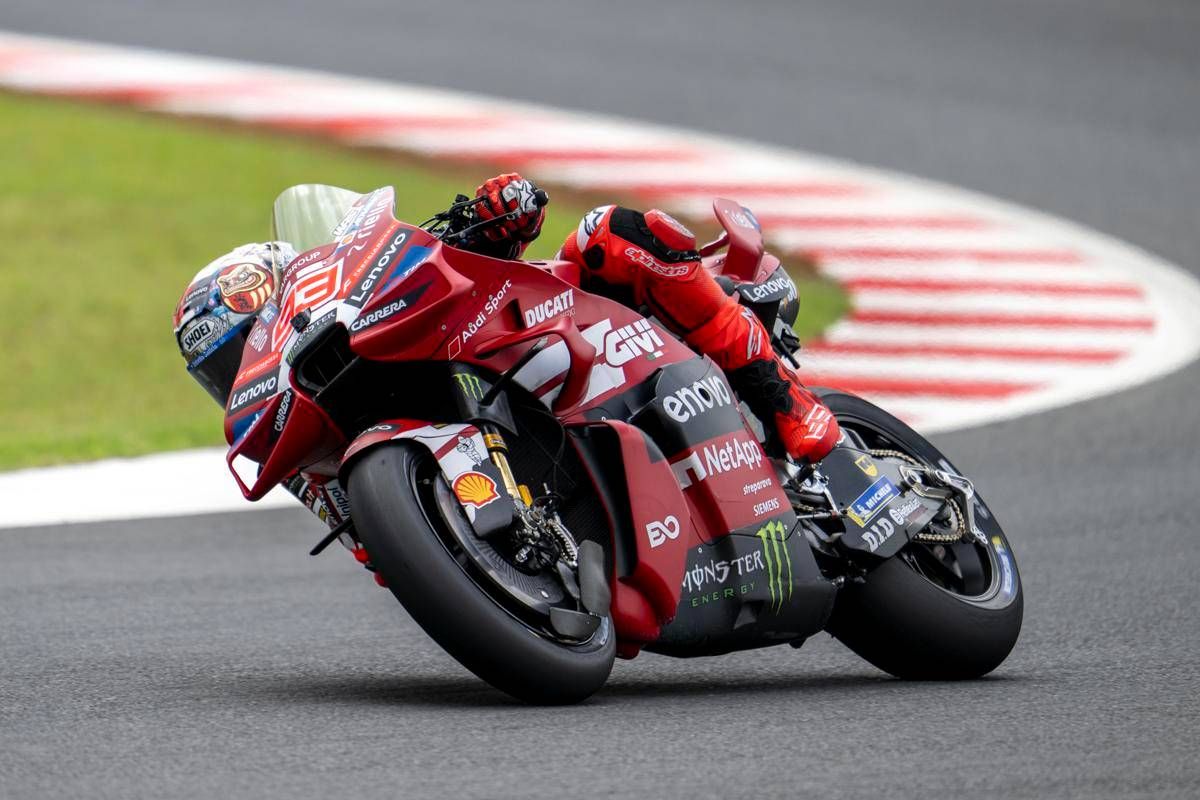
MotoGP Australia, Marquez in pole: griglia di partenza e orari tv
Il GP di Phillip Island scatta domenica 25 ottobre alle 4 ora italiana. Diretta esclusiva su Sky, differita in chiaro...
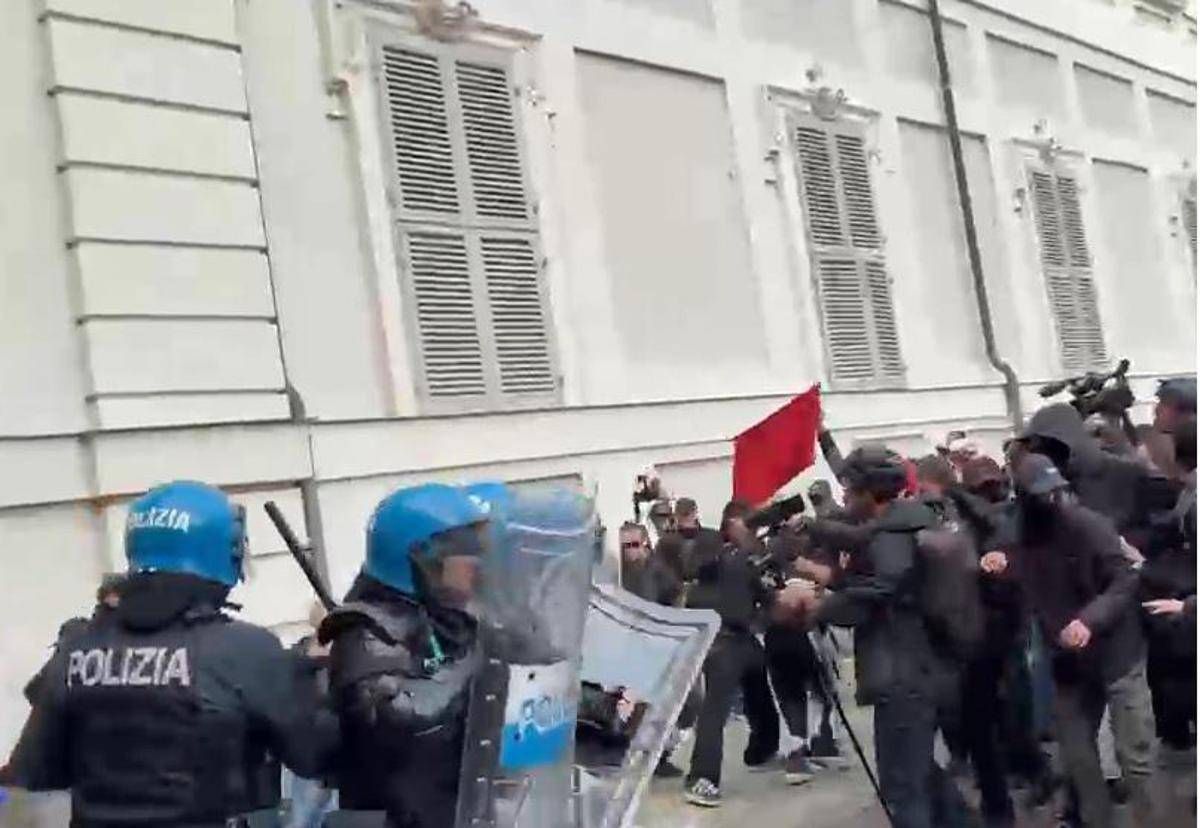
Torino, scontri al corteo contro il riarmo: cariche e lancio di oggetti
I manifestanti hanno tentato più volte di superare i blocchi delle forze dell’ordine nel centro città. Nuovi momenti di tensione...

Cassano allo Jonio, agguato al boss Damiano Pepe: uccisa la moglie
L’uomo, 64 anni, è rimasto gravemente ferito ed è ricoverato all’ospedale di Cosenza. I sicari hanno aperto il fuoco contro...


Ora solare, lancette indietro stanotte: risparmi e novità per il 2027
Nella notte tra sabato 24 e domenica 25 ottobre si torna all’ora solare. Intanto, alla Camera si valuta il superamento...
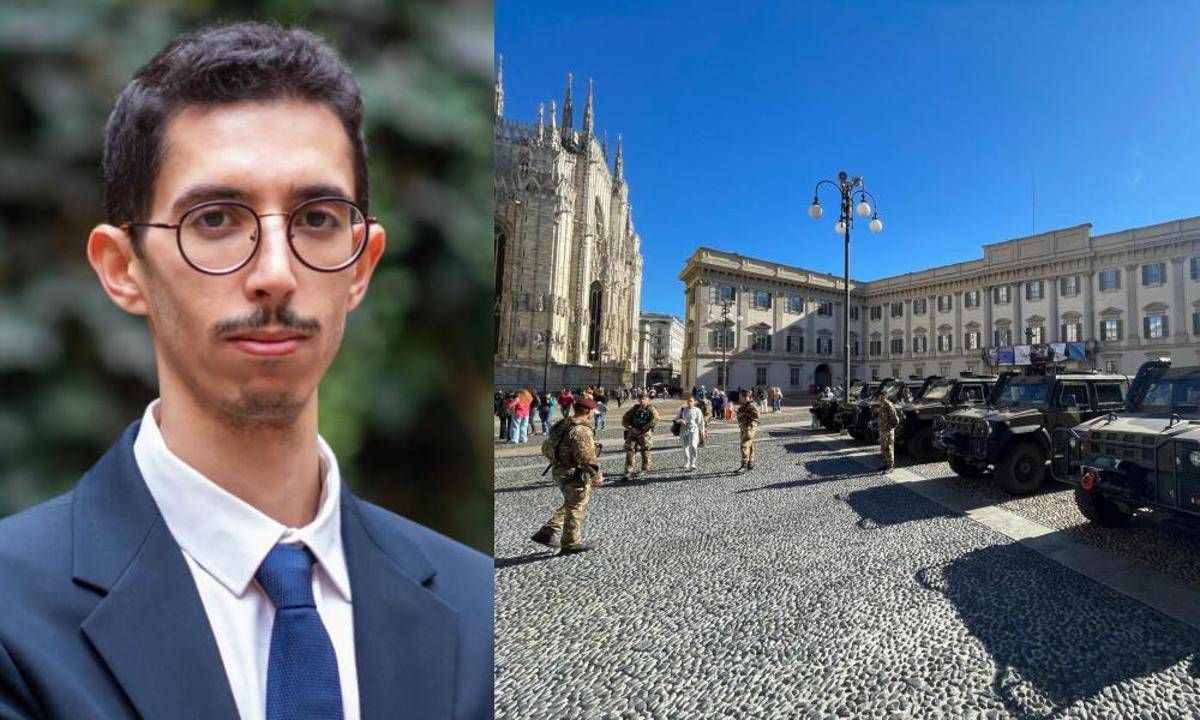
Movimento 17 ottobre, indagato Youssef Siher: perquisito a Milano
Il trentenne, giornalista freelance e attivista pro Pal originario di Brescia, è indagato per istigazione a delinquere. Piantedosi lo indica...
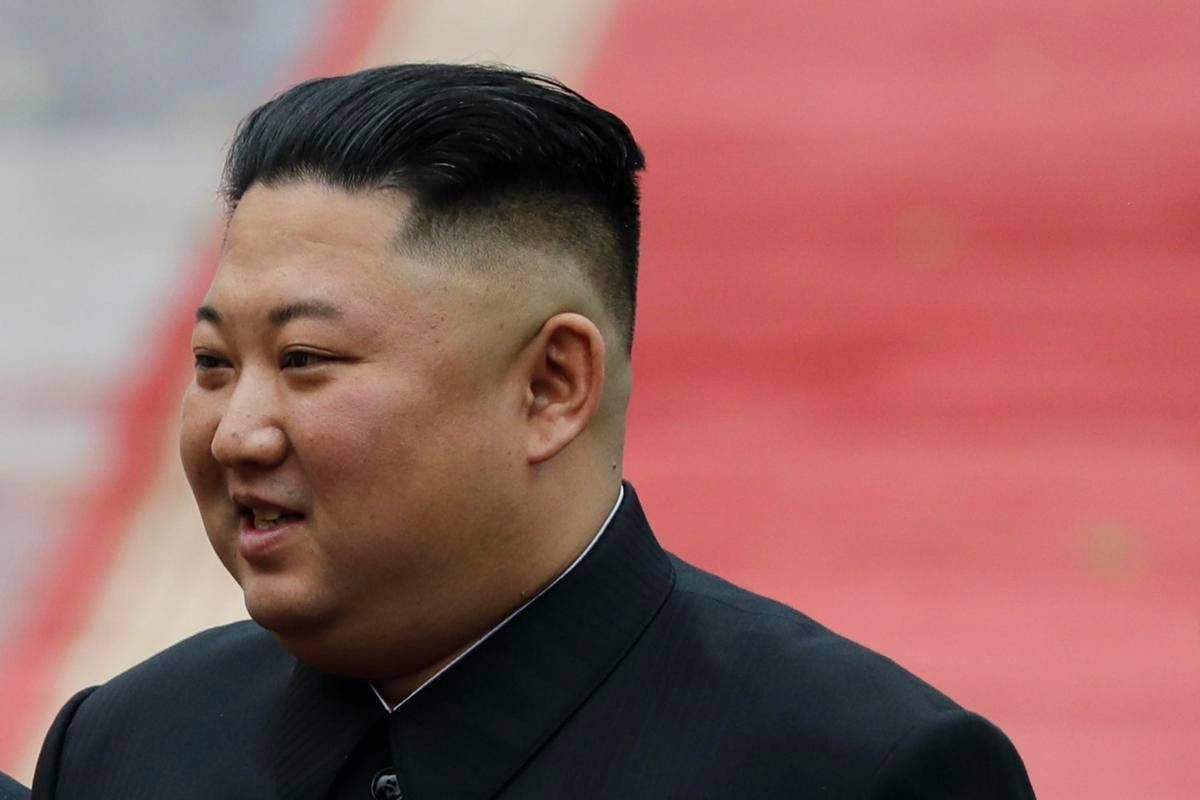
Kim Jong-un riappare in Cina dopo le voci sulla sua possibile morte
Il leader nordcoreano è arrivato a Dandong attraversando il nuovo ponte sul fiume Yalu. La notizia è stata riferita da...
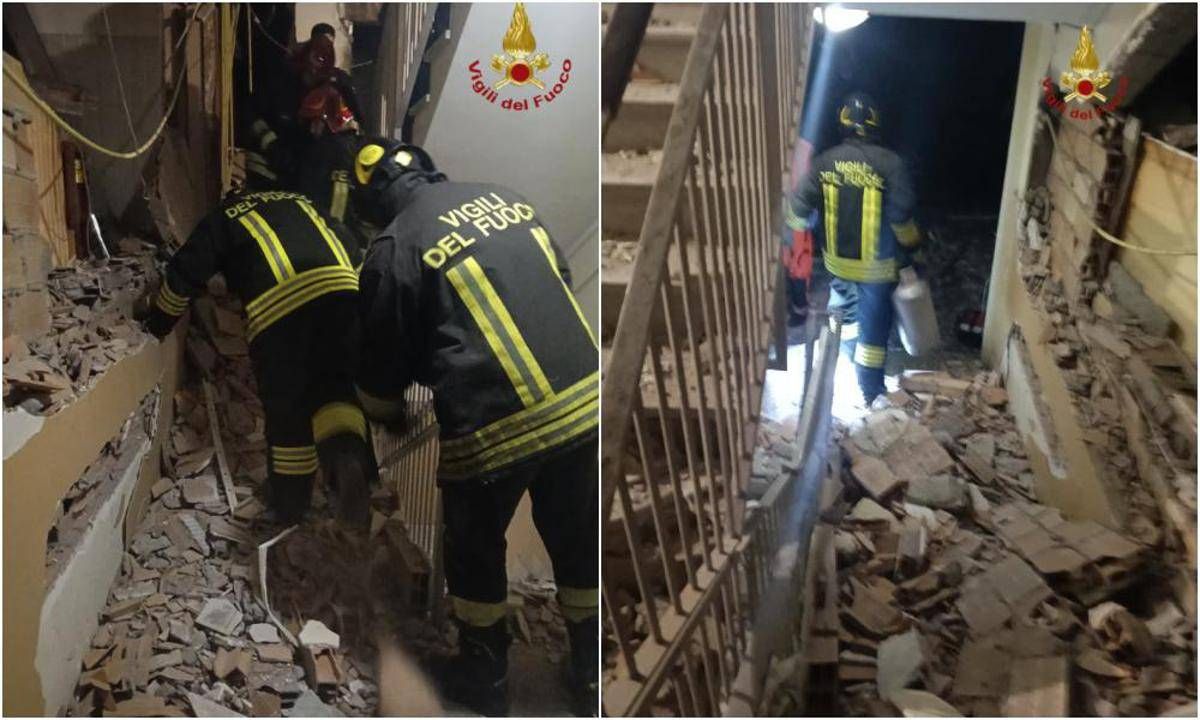
Ostia, esplosione in una palazzina di cinque piani: evacuate 11 famiglie
L’incidente è avvenuto ieri sera, intorno alle 21.40, in via dei Velieri. Una persona è rimasta ferita Undici famiglie sono...
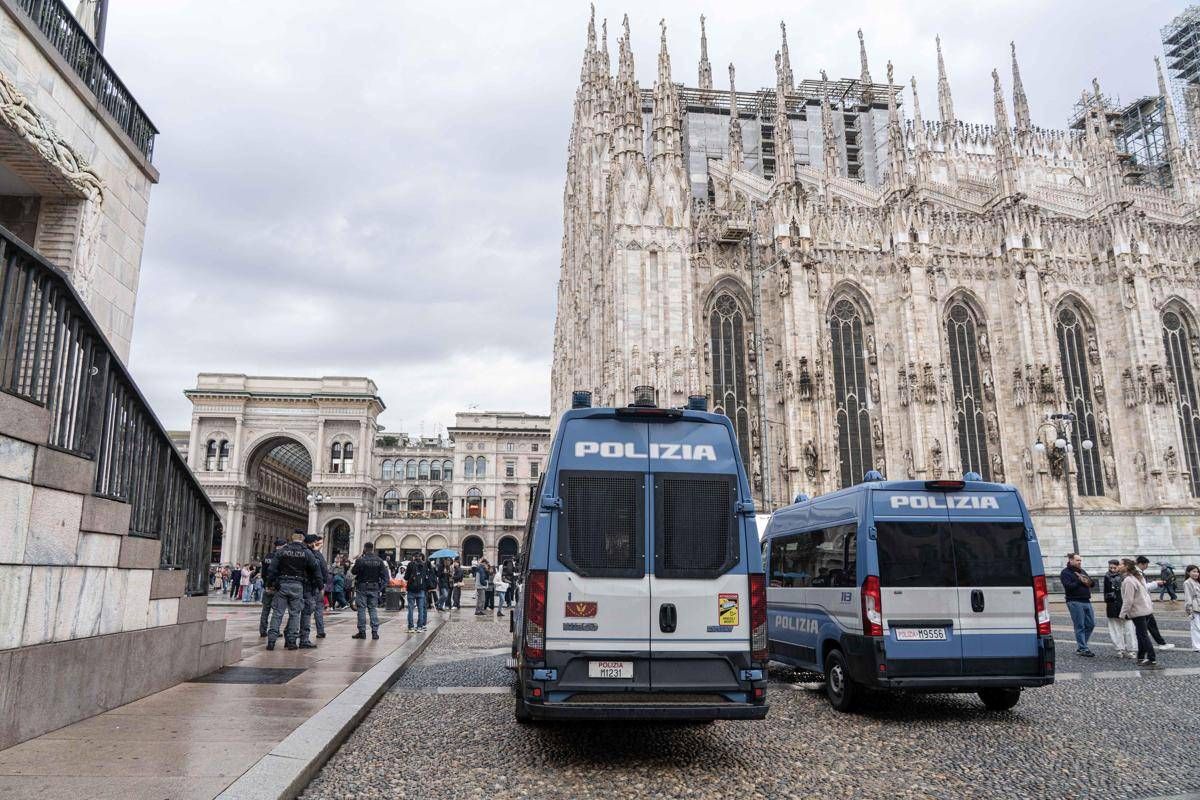
Manifestazioni del 24 ottobre, allerta sicurezza in tutta Italia: 100 perquisiti
Circa cento persone, tra cui 51 minorenni, sono state perquisite in 18 città dopo i disordini del fine settimana scorso....
Mondiale MotoGp, Marquez allunga in vetta dopo il successo australiano
Il pilota Ducati sale a 365 punti, mentre Alex Marquez chiude secondo la Sprint. Il duello per la testa della...
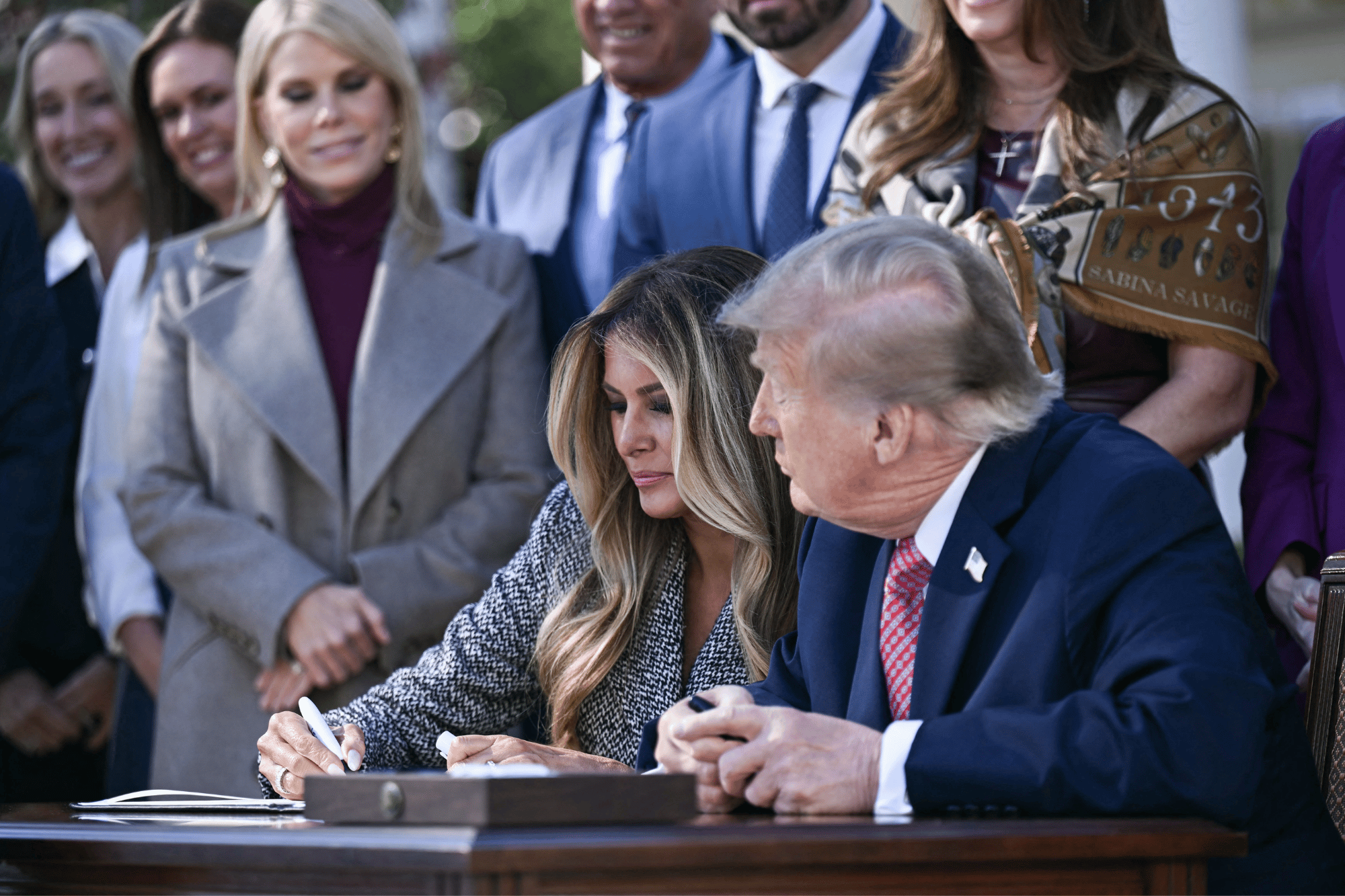
UPDATE Ukraine Confirms Oleshky Ceasefire as Humanitarian Corridor Set to Open in Russian-Occupied Town
Kyiv formally backs the localized truce announced by the White House, paving the way for civilian evacuations and aid deliveries...
AGGIORNAMENTO Ucraina, accordo per il cessate il fuoco a Oleshky: c’è la conferma di Kiev
La tregua è prevista dal 27 ottobre nella cittadina sulla riva sinistra del Dnipro, di fronte a Kherson, a soli...


Eni proroga il price cap, ma il gasolio è aumentato di 65 centesimi da febbraio
Il tetto resta fissato a 2,25 euro al litro per il diesel e a 1,99 euro per la benzina. La...
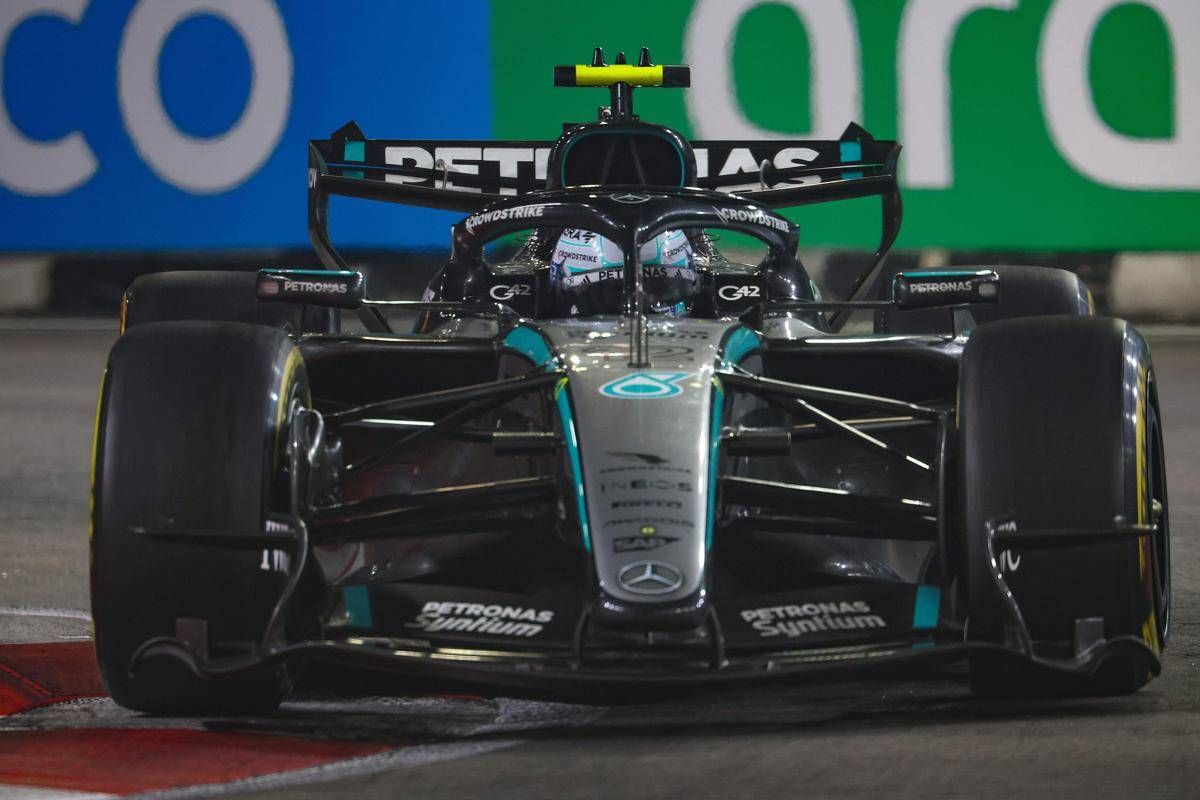
F1 Austin, orari e dove vedere le qualifiche Sprint in tv
Venerdì 23 ottobre la Formula 1 torna in pista negli Stati Uniti: appuntamento alle 23 per decidere la griglia della...


Omicidio a Vergiate, 53enne uccide la compagna e si costituisce
La donna, 36 anni e originaria della Colombia, è stata trovata morta nella camera da letto a Vergiate. L’uomo si...
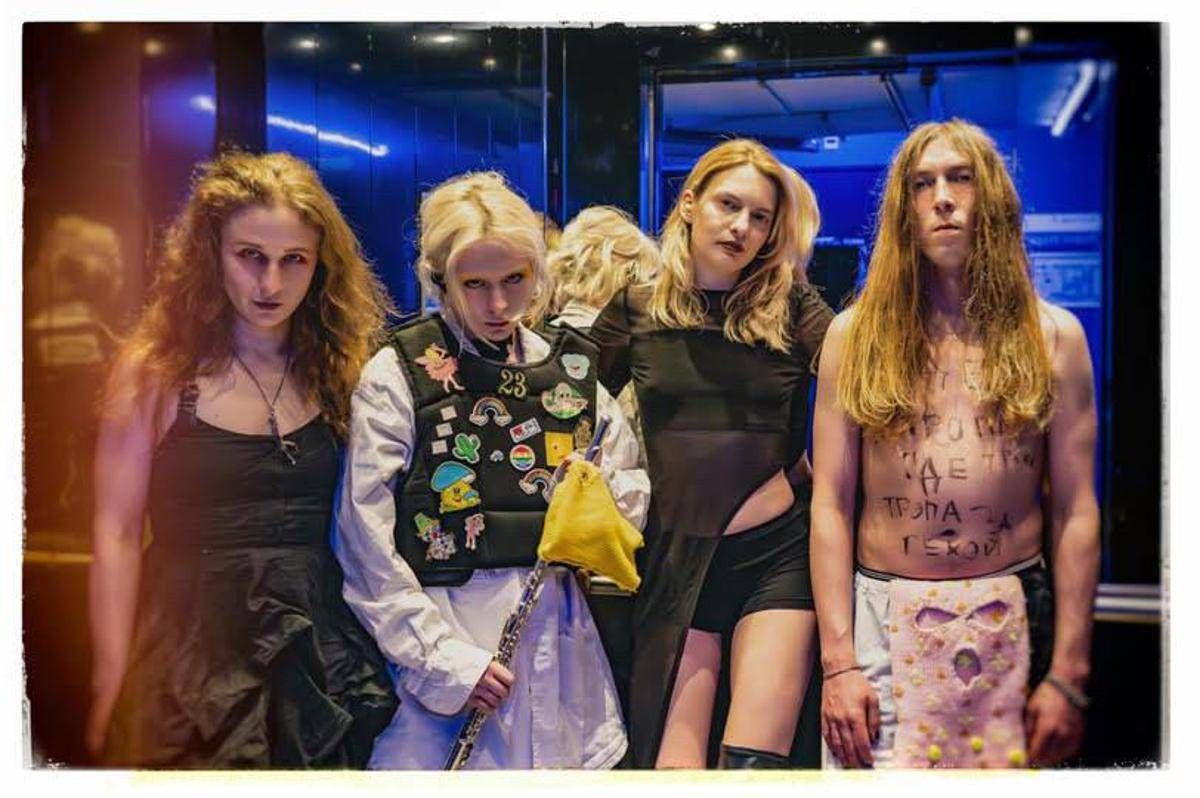
“Putin Can Kill Anyone”: Pussy Riot’s Warning to Europe
In an interview with Adnkronos ahead of the Italian return of Riot Days, Pussy Riot members Masha Alyokhina, Eric Breitenbach,...
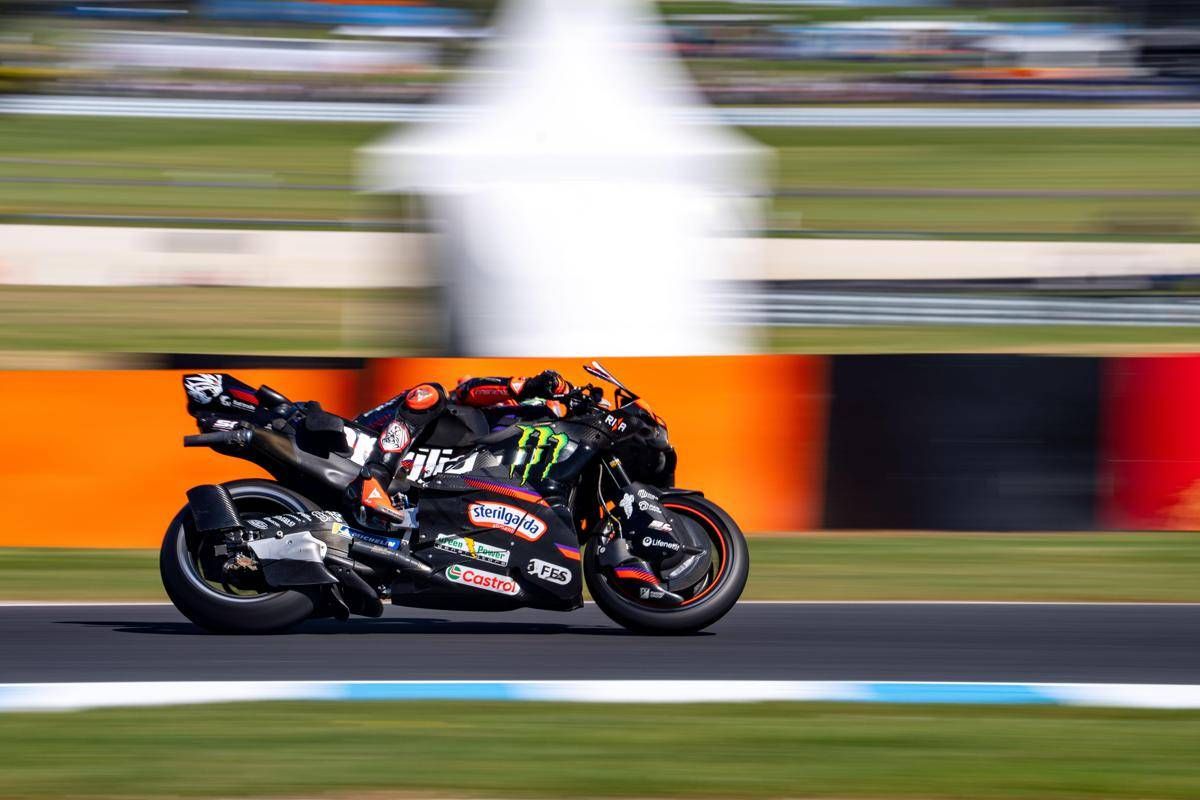
MotoGP Australia, orari e dove vedere qualifiche e Sprint in tv
Si corre a Phillip Island sabato 24 ottobre: in programma le qualifiche ufficiali e la gara che assegna i primi...