
International-News
London expands live facial recognition after Croydon trial
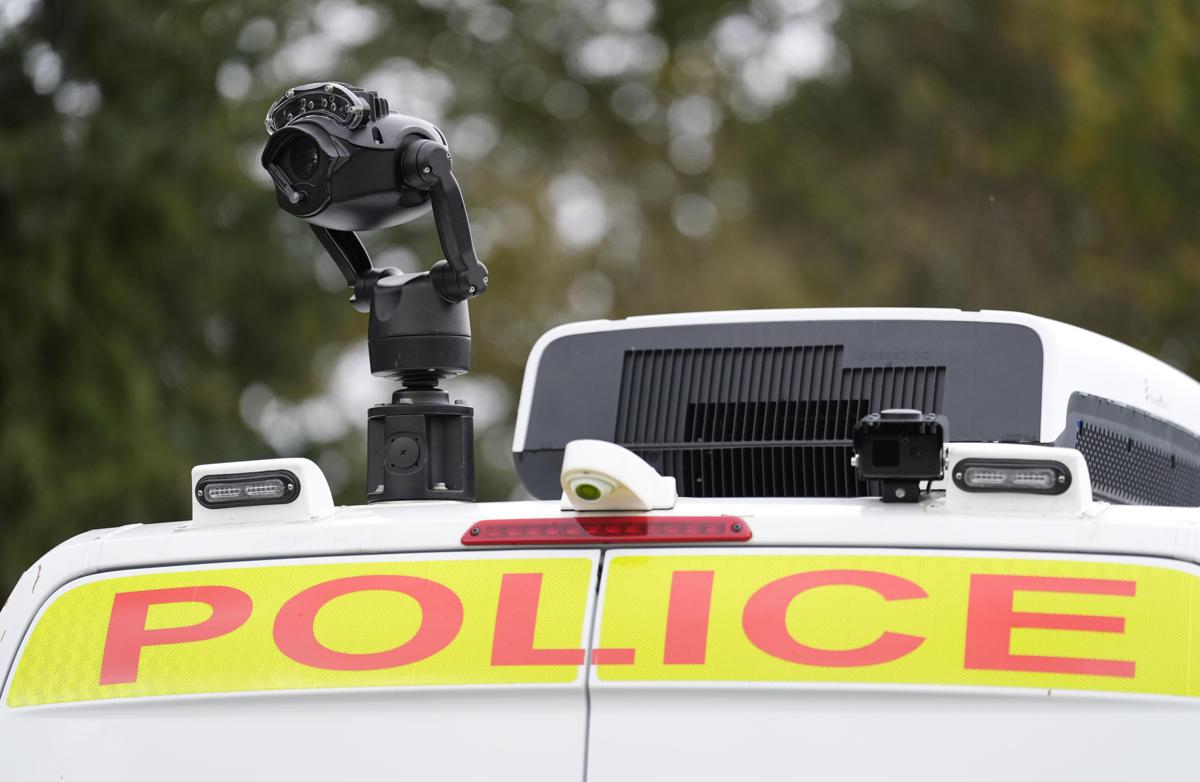
Police cite arrests and crime drop as UK civil rights groups warn of mass surveillance risks
London is moving toward a व्यापक expansion of live facial recognition technology after a six-month trial in Croydon, with police pointing to arrests, crime reduction, and high accuracy rates as justification for scaling up the system.
The Metropolitan Police reported that more than 2,000 individuals with prior convictions were identified during the trial period, leading to 173 arrests, including a woman who had evaded authorities for over two decades. Officers also recorded a 10.5% drop in crime across the test area. Out of approximately 470,000 faces scanned, only one misidentification was registered.
Based on these results, authorities have announced plans to install fixed cameras across central London by Christmas, beginning with high-traffic districts such as the West End and Soho. The rollout is expected to expand to six additional areas by 2027.
Metropolitan Police Commissioner Mark Rowley described the adoption of live facial recognition (LFR) as unavoidable. “We cannot step back from technological progress while criminals move ahead,” he said. “It reflects a simple truth: it works.”
For Scotland Yard, LFR is increasingly seen as a tool to accelerate investigations while addressing budget constraints. Rowley emphasized that the system is designed to support officers rather than replace them, adding that the Croydon trial also coincided with a reduction in violence against women and girls.
The expansion has drawn sharp criticism from civil liberties groups, which argue that the deployment of fixed cameras in busy urban areas effectively subjects large numbers of citizens to biometric monitoring without judicial oversight.
Advocacy organization Big Brother Watch has warned of significant risks tied to privacy, misidentification, and potential racial bias embedded in algorithmic systems. “This is an alarming escalation of an intrusive technology that has already scanned the faces of millions of innocent Londoners,” said Jack Coulson, a representative of the group. He called for a suspension of the program until the UK Parliament passes dedicated legislation on artificial intelligence, expected in the autumn.
The use of facial recognition is also expanding beyond law enforcement into the private sector. Supermarket chain Sainsbury’s has begun integrating the technology through platforms such as Facewatch, aiming to combat shoplifting and protect staff from assaults.
Currently, 40 Sainsbury’s stores are using facial recognition, with plans to increase that number to 200 by Christmas and expand further in 2027. However, the regulatory framework remains unclear. In the United Kingdom, private companies are not required to obtain specific licenses for such systems, instead relying on general provisions within the Data Protection Act related to crime prevention.
This legal gray area has intensified debate over the boundaries between legitimate security measures and intrusive consumer surveillance.
THE LATEST NEWS
[recent_post_slider design=”design-07″ show_author=”false” slider_height=”390″ lazyload=”progressive” limit=”6″ category=”11728″]
(Photo: © AndKronos)



Tortoreto, bimbo di 10 mesi non respira: il padre lo salva guidato dal 118
Il piccolo era poco cosciente e aveva gravi difficoltà respiratorie. L’operatore Mario Quaranta ha spiegato al genitore come eseguire le...

Jannik Sinner torna in campo a dicembre: giocherà il Six Kings Slam
L’azzurro ha annunciato a sorpresa la partecipazione all’esibizione di Riad, in programma dal 27 al 30 dicembre. Resta da chiarire...

From Resume to Rear View: How Trump Turned a White House Rumor Into a Conversation About Nicki Minaj’s Body
The qualifications for a White House press secretary are supposed to be obvious: communication skills, policy knowledge and the ability...

Papa Leone XIV, confermato il viaggio in America Latina dopo l’intervento
Il Pontefice sarà in Uruguay, Argentina e Perù dal 6 al 17 novembre. Il medico personale esclude controindicazioni alla partenza...

Mondiali di sollevamento pesi 2030 in Russia, l’Ucraina annuncia ricorso
Il ministro dello Sport Matviy Bidny contesta la decisione della Federazione internazionale e si rivolgerà anche al Comitato Olimpico Internazionale....

Trump Attacks Norway After Second Nobel Rejection
The president’s latest outburst targets a close NATO ally, the independent Nobel Committee and even Norwegian immigrants, after the 2026...

Kimi Antonelli a due punti dal Mondiale: l’Italia sogna dopo 73 anni
In Messico il pilota Mercedes può diventare campione del mondo anche senza conquistare punti, se né George Russell né Lewis...
Youssef Siher resta in carcere, la Procura: «Rischio di fuga e nuovi reati»
I pm di Milano ritengono insufficienti i domiciliari per il 30enne, accusato di istigazione a delinquere con finalità di terrorismo....

Eisenkot avanti nei sondaggi, Netanyahu resiste: la battaglia che tiene Israele con il fiato sospeso
Il 27 ottobre oltre 7,3 milioni di israeliani eleggeranno la nuova Knesset. I sondaggi premiano l’ex capo di Stato Maggiore...
Duplice omicidio a Villa Pamphili, chiesto l’ergastolo per Kaufmann
La Procura di Roma sollecita anche tre anni di isolamento diurno per la morte di Anastasia Trofimova e della figlia...

Brasile, Lula vince con il 51,7%: Bolsonaro contesta il voto e Trump parla di brogli
Il presidente supera Flavio Bolsonaro al ballottaggio con uno scarto ridotto. Il candidato sconfitto annuncia una richiesta di annullamento, mentre...

Milano, incendio in un appartamento al Vigentino: muore una donna
La vittima, anziana e disabile, è stata estratta dalle fiamme dai vigili del fuoco. Altre cinque persone sono rimaste ferite,...
Trump, per diventare portavoce della Casa Bianca serve un curriCULUm…
Le indiscrezioni sul possibile approdo di Nicki Minaj nello staff presidenziale riportano sotto i riflettori un’abitudine che accompagna Donald Trump...


Meloni: «L’Europa riveda l’Ets, la chimica non può reggere altri costi»
La premier interviene all’assemblea di Federchimica e chiede una revisione delle politiche climatiche europee: «Servono energia sostenibile e tempi realistici»...

Benzina e diesel, la stangata continua: il price cap non basta
Il Codacons chiede che il tetto applicato dalle compagnie non venga alzato. Sulla rete autostradale il gasolio self service raggiunge...
Agrigento, quattro operai morti nello scontro tra auto e tir
L’incidente è avvenuto poco prima delle 7 sulla statale 123, a Naro. Le vittime viaggiavano su una Fiat Punto diretta...