The NATO secretary general says there is no imminent threat to alliance territory, argues Moscow's nuclear rhetoric should not alter...
Read More
International-News
The seizure of the tanker Marinera raises tensions among major powers.
A rusting vessel suspected of belonging to shadow fleets has triggered diplomatic friction between Moscow, Washington, and London
The geopolitical debate surrounding the seizure of the tanker Marinera has intensified as Russia, the United States, and the United Kingdom exchange sharp reactions over the incident in the Atlantic. The vessel, more than twenty years old and sailing without any oil cargo at the time, had drawn the attention of British authorities because of its opaque ownership structure and frequent changes of flag.
British intelligence services had reportedly monitored the ship’s movements for an extended period, suspecting that it could be linked to so-called shadow fleets used by Russia, Iran, and Venezuela to circumvent Western sanctions. Although no official confirmation emerged regarding the transport of weapons or military equipment, the absence of commercial cargo reinforced concerns that the tanker might be operating outside normal trading patterns.
The ship is believed to be connected to a wider network of aging tankers and cargo vessels operating with limited insurance coverage, underpaid crews, and weak safety standards. These fleets are considered a key logistical tool for sustaining financial and supply flows despite international restrictions.
A turning point came when U.S. authorities intervened and carried out the seizure of the tanker Marinera, signaling Washington’s determination to disrupt not only energy shipments but also the maritime routes used to bypass sanctions and potentially move sensitive materials.
Originally built in 2002 as a tanker and chemical carrier, the vessel has operated under multiple names and flags over the years. In the past, it had been sanctioned for involvement in Iranian oil trade and was recently reported to have traveled between Iran and Venezuela before altering its route following an attempted boarding in the Caribbean.
Moscow strongly criticized the operation, accusing the United States of escalating international tensions and violating principles of maritime law. Russian officials stated that the ship was sailing as a civilian vessel and heading toward a Russian port, warning that any criminal prosecution of the crew would be unacceptable. Washington, however, maintains that enforcement actions are necessary to counter sanction evasion and protect international security frameworks.
The episode underscores how maritime enforcement has become an increasingly sensitive front in broader geopolitical competition, with shipping routes, logistics networks, and sanctions compliance now firmly embedded in strategic confrontation.
THE LATEST NEWS
Police Hunt Suspect After Three Workers Shot at Virginia Rental Company
30 September 2026
Three United Rentals employees suffered potentially life-threatening injuries after a colleague allegedly opened fire at the company's Manassas facility before...
Read More

Tennessee Set to Execute Christa Pike, the Only Woman on Death Row for a Crime Committed as a Teenager
30 September 2026
The scheduled execution of a woman convicted of murder at 18 has reignited debate over capital punishment, trauma, and justice...
Read More

Queen Camilla angered by Harry and Meghan’s silence on Diana memoir
30 September 2026
Reports suggest Queen Camilla views the Sussexes' lack of public response to Earl Spencer's new memoir as a betrayal amid...
Read More

OECD Warns of Potentially Severe El Niño as Food Price Risks Mount
29 September 2026
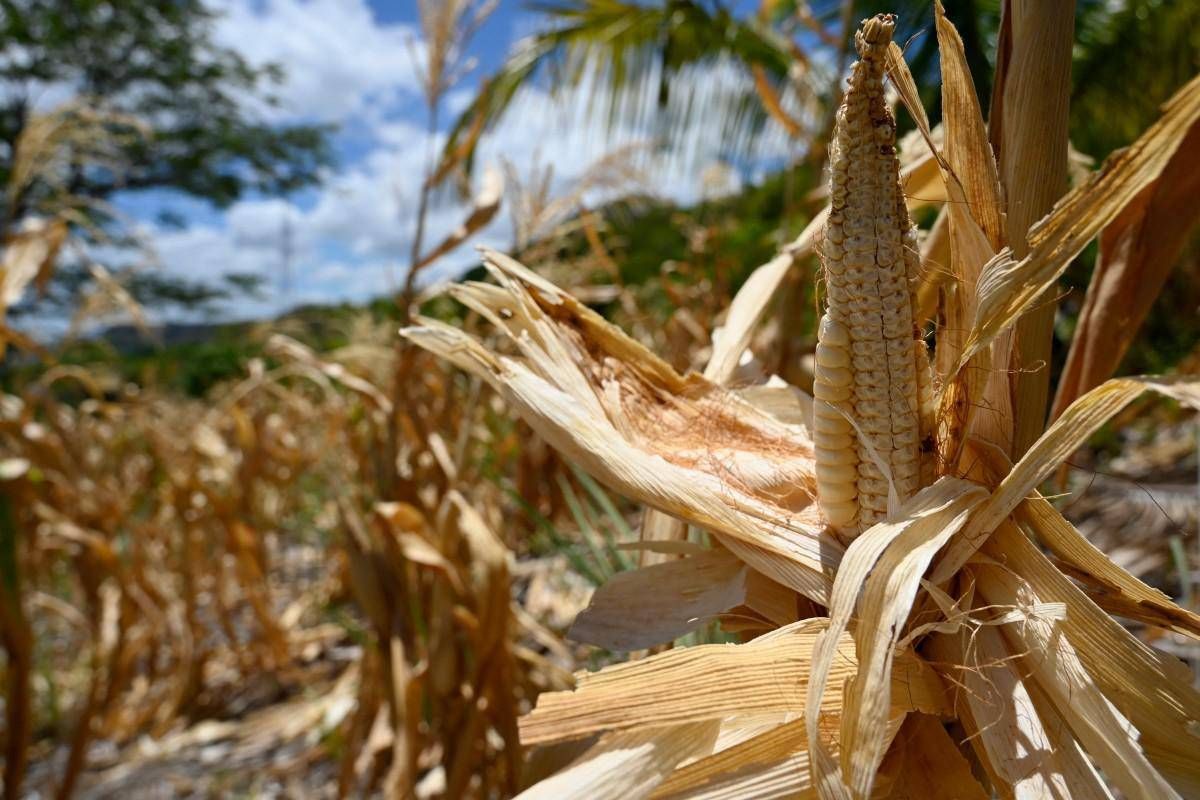
A very strong El Niño could hit harvests across Africa, Southeast Asia and Central America, adding fresh inflationary pressures to...
Read More
Russia Warns NATO Over Kaliningrad Isolation Scenario
29 September 2026
Moscow says any attempt to sever the Baltic exclave from the Russian mainland would trigger a response using all available...
Read More
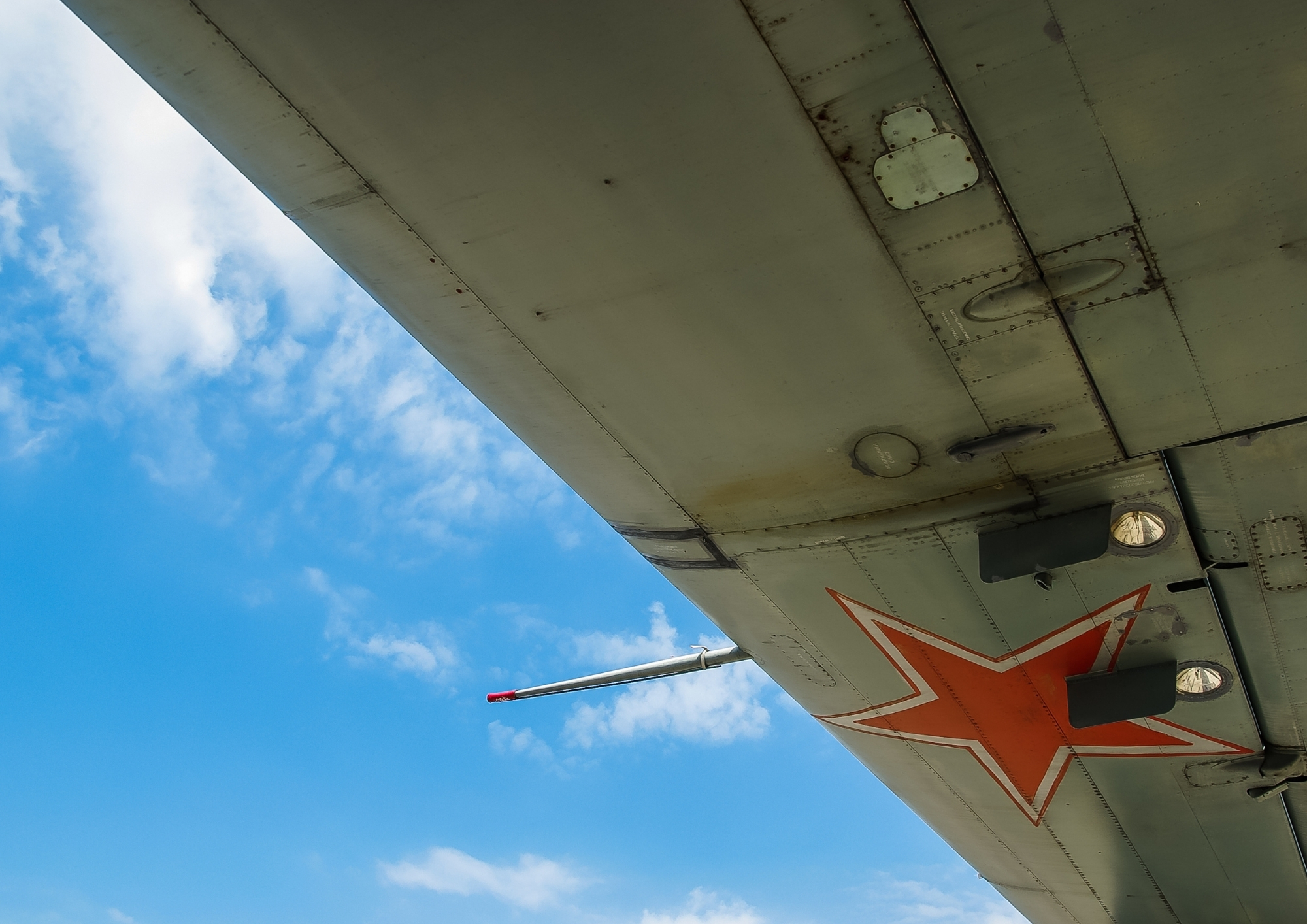
(Photo: © AndKronos)