
International-News
Stacy Keach, the Actor Behind Mike Hammer, Dies at 85
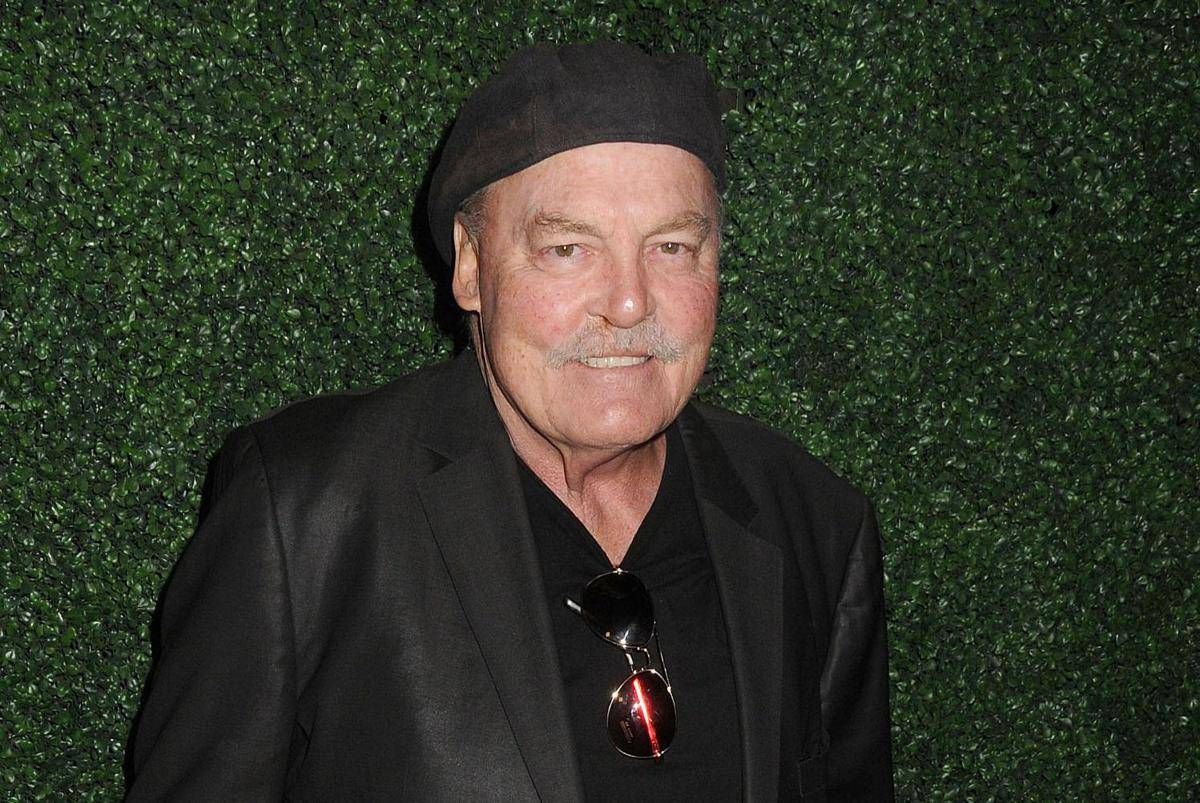
The American actor, who also held Polish citizenship, built a career spanning Broadway, Hollywood and television, earning a Golden Globe for his portrayal of Ernest Hemingway and winning a new generation of viewers as prison warden Henry Pope on Prison Break
Stacy Keach spent more than five decades moving between the worlds of American theater, film and television, creating characters as different as the hard-boiled detective Mike Hammer, Ernest Hemingway and the principled prison warden Henry Pope in Prison Break. He died at 85 at his home in Magdalenka, Poland, after a prolonged struggle with a serious heart condition and heart failure. His death was announced by his wife, Malgosia Tomassi, in a statement released to the American press.
“Stacy was not only a legendary actor, admired and loved by audiences around the world, but also my beloved husband, my companion and the heart of our family,” she said. “His passing leaves an immeasurable void in our lives. But his extraordinary spirit, unforgettable voice and the love he gave so generously will remain with us forever.”
For generations of television viewers, Keach was inseparable from Mike Hammer, the private investigator created by crime novelist Mickey Spillane. Beginning in 1984, he played the detective in a CBS series that helped establish him as one of the most recognizable faces on American television during the 1980s. Hammer was a solitary, uncompromising investigator operating in a world of violence, corruption and intrigue. Keach returned to the character in television movies and later reprised the role in Mike Hammer, Private Eye, which ran from 1997 to 1998.
The character had occupied a special place in his imagination long before he was cast. In his 2013 autobiography, All in All: An Actor’s Life On and Off the Stage, Keach recalled his youthful fascination with Spillane’s novels, an interest that persisted despite his parents’ reservations. He eventually developed a personal relationship with the writer, who advised him to wear Hammer’s unmistakable fedora whenever he played the detective. For Keach, portraying the character he had imagined as a boy was the fulfillment of an ambition that had followed him for decades.
Yet Mike Hammer was only one part of a career that had begun on the stage and earned Keach a reputation as one of his generation’s leading American classical actors. His performances were marked by a commanding physical presence, an intense expressive style and a deep, instantly recognizable voice.
From Shakespeare to Broadway
Born Walter Stacy Keach Jr. in Savannah, Georgia, on June 2, 1941, he grew up in a family already immersed in show business. His father, Stacy Keach Sr., was an actor and director. His younger brother, James, would also become an actor, director and producer.
Keach spent much of his childhood in California, where he developed an interest in acting during his school years. After graduating from Van Nuys High School in 1959, he attended the University of California, Berkeley, earning degrees in English and dramatic arts in 1963. He continued his training at the Yale School of Drama, where he received a Master of Fine Arts, before studying at the London Academy of Music and Dramatic Art on a Fulbright scholarship.
His professional breakthrough came in 1966 with MacBird!, a political satire that blended Shakespearean references with contemporary American politics. The performance earned him an Obie Award, recognizing outstanding work in off-Broadway theater.
The stage remained a central part of his career even as film and television brought him international recognition. Keach appeared in major Broadway productions and worked alongside Morgan Freeman. Shakespeare, in particular, became a recurring presence in his professional life. He played Hamlet several times and took on roles including Henry V, Coriolanus, Falstaff, Macbeth, Richard III and King Lear.
In 1970, he received a Tony Award nomination for his portrayal of Buffalo Bill in Arthur Kopit’s play Indians. More than three decades later, in 2006, he returned to Shakespeare as the title character in King Lear at Chicago’s Goodman Theatre. In 2008 and 2009, he played Richard Nixon in the American stage production of Frost/Nixon.
His standing in classical theater was recognized by critics as well as audiences. In 2003, The New York Times recalled critic Clive Barnes’s assessment of Keach in the early 1970s, when Barnes described him as “one of the great Hamlets of our time” and one of America’s most important classical actors. In 2015, Keach was inducted into the American Theatre Hall of Fame.
A career shaped by Fat City
His film career developed alongside his theater work, bringing him into collaboration with some of the most prominent directors in American and international cinema. After making his screen debut in 1968 with L’urlo del silenzio, he landed his first major roles in the early 1970s, including the title character in the 1971 Western Doc, about gunslinger Doc Holliday.
The defining early performance came a year later in John Huston’s Fat City. Keach played Billy Tully, a washed-up boxer struggling to find a reason to keep fighting. His character forms a connection with a younger aspiring fighter, played by Jeff Bridges, in a portrait of a marginal California far removed from Hollywood’s mythology of success.
Keach’s performance gave the film much of its emotional force. To prepare, he trained with former light heavyweight world champion José Torres. During one fight scene, Torres actually knocked him down with a punch. Huston decided to keep the footage in the finished movie.
Also in 1972, Keach appeared in Richard Fleischer’s The New Centurions, opposite George C. Scott, and Huston’s The Life and Times of Judge Roy Bean. His subsequent film credits included Ridley Scott’s 1977 debut The Duellists and Sergio Martino’s 1978 Italian production The Mountain of the Cannibal God, starring Ursula Andress and Claudio Cassinelli.
His filmography continued to expand through titles such as Gray Lady Down, The Ninth Configuration, The Long Riders and Roadgames. In The Long Riders, released in 1980, he played Frank James alongside his brother James, who portrayed Jesse James. The two also contributed to the film’s writing and production.
Keach later appeared in John Carpenter’s Escape from L.A. (1996) and Tony Kaye’s American History X (1998), playing one of the film’s more disturbing characters alongside Edward Norton.
His later credits included The Bourne Legacy, Alexander Payne’s Nebraska, Sin City: A Dame to Kill For, Gold, Gotti and Jay Kelly, released in 2025.
Comedy revealed another side of his versatility. Keach became a recurring presence in the Cheech & Chong films, playing Sergeant Stedenko in Up in Smoke and Cheech and Chong’s Next Movie. The role turned him into a deliberately exaggerated comic figure, far removed from the intense dramatic characters for which he was better known.
From Barabbas to the warden of Prison Break
Keach’s television career was equally varied. For Italian audiences, one of his most memorable early appearances came in Franco Zeffirelli’s 1977 miniseries Jesus of Nazareth, in which he played Barabbas. He also appeared as the artist Mistral in the 1984 miniseries Mistral’s Daughter and took part in The Blue and the Gray, the 1982 television production set during the American Civil War.
In 1986, he portrayed Ernest Hemingway in a television miniseries devoted to the American writer. The performance brought him one of the most important honors of his career: a Golden Globe in 1989, along with an Emmy nomination. His interpretation was praised for capturing the contradictions of Hemingway’s personality through an intense but controlled performance.
Between 2000 and 2002, Keach played Ken Titus in the sitcom Titus, portraying the protagonist’s alcoholic and deeply troubled father. Then came another role that introduced him to a new international audience: Henry Pope, the warden of Fox River prison in Prison Break, which he appeared in from 2005 to 2007.
Pope was a man of principles, capable of sensitivity and compassion, who developed a particular relationship with Michael Scofield. Although not one of the series’ central characters, the warden played an important part in the unfolding story.
There was a personal connection behind Keach’s portrayal. In 1984, he had been arrested at London’s Heathrow Airport on a cocaine possession charge and subsequently served time at Reading prison in England. During his incarceration, he had the opportunity to speak with the institution’s warden. That encounter later became part of the inspiration for Henry Pope, a prison director who believed in rehabilitation and the possibility of helping inmates change their lives.
After Prison Break, Keach continued working in television, appearing in productions including ER, Two and a Half Men, Lights Out, NCIS: New Orleans, Blue Bloods and Man with a Plan.
The voice behind the image
Keach’s deep voice became a professional asset in its own right, making him a sought-after narrator and voice actor. He worked extensively with National Geographic and PBS, lending his voice to numerous documentaries and episodes of the American Experience series, including The Kennedys.
For many years, he also narrated CNBC’s American Greed, the program devoted to major financial scandals and economic crimes. His voice extended beyond documentary television into animation and family entertainment. His credits included Batman: Mask of the Phantasm, several episodes of The Simpsons and both films in the Planes franchise, in which he voiced Skipper.
Narration, for Keach, was a natural extension of acting: an opportunity to build tension, shape a story and convey emotion without appearing on screen. His vocal presence became one of the most distinctive elements of his professional identity.
Personal struggles and a second chance
His life was not without difficult episodes, many of which he later discussed openly in interviews and in his autobiography.
On April 4, 1984, Keach was arrested at London’s Heathrow Airport on suspicion of possessing cocaine. The drug had been concealed inside a shaving-cream container. He pleaded guilty and was sentenced to nine months in prison, serving approximately six months at Reading before being released for good behavior.
He later disclosed that he had developed a cocaine addiction about a year before his arrest. He had been using the drug in an attempt to combat exhaustion and the pressures of his work. In a 2012 interview with Vulture, he recalled the fear that his career might never recover: “I thought my career was over. I really thought so.”
The opportunity to return to Mike Hammer after his release became an important moment of professional and personal recovery. He later used his experience to raise awareness about addiction and rehabilitation, speaking openly about the difficulties he had faced and the possibility of rebuilding a life after incarceration.
His health became a concern again in 2017. While performing in Pamplona, a play in which he portrayed Ernest Hemingway at Chicago’s Goodman Theatre, he began experiencing difficulty remembering his lines. The production was halted and subsequent performances were canceled. Days later, it emerged that he had suffered a mild heart attack.
Keach promised to return to Chicago and complete his theatrical commitment. He kept that promise in 2018, returning to the stage despite the health setback. His cardiac condition, however, deteriorated over the following years, eventually leading to the heart failure that caused his death.
His family and his ties to Poland
Keach’s connection to Poland was both personal and enduring. His wife, Malgosia Tomassi, was Polish, and the relationship eventually led him to spend part of his life in the country. In 2015, he acquired Polish citizenship, strengthening a bond that extended beyond family ties.
He had married four times. His previous wives were Kathryn Baker, Marilyn Aiken and Jill Donahue. In 1986, he married Tomassi, an actress and model of Polish origin, who remained his partner until his death. They had two children together, Shannon and Karolina.
His younger brother James was also among the family members who shared his professional journey. The brothers’ collaboration on The Long Riders, in which they portrayed Frank and Jesse James, was one of the most distinctive projects of their careers together.
In her statement announcing his death, Tomassi remembered not only the actor recognized by audiences around the world, but the husband and father at the center of their family. His career had taken him from Shakespearean theater to Hollywood, from the television noir of Mike Hammer to the prison corridors of Prison Break. His unmistakable voice, meanwhile, had continued to reach audiences even when he was nowhere to be seen.
(Photo: © AndKronos)



Trump-Netanyahu Iran Tensions Expose Rift Over Renewed War
A reportedly explosive phone call between the two leaders has highlighted disagreements over whether to resume military action against Tehran....
Stacy Keach, the Actor Behind Mike Hammer, Dies at 85
The American actor, who also held Polish citizenship, built a career spanning Broadway, Hollywood and television, earning a Golden Globe...
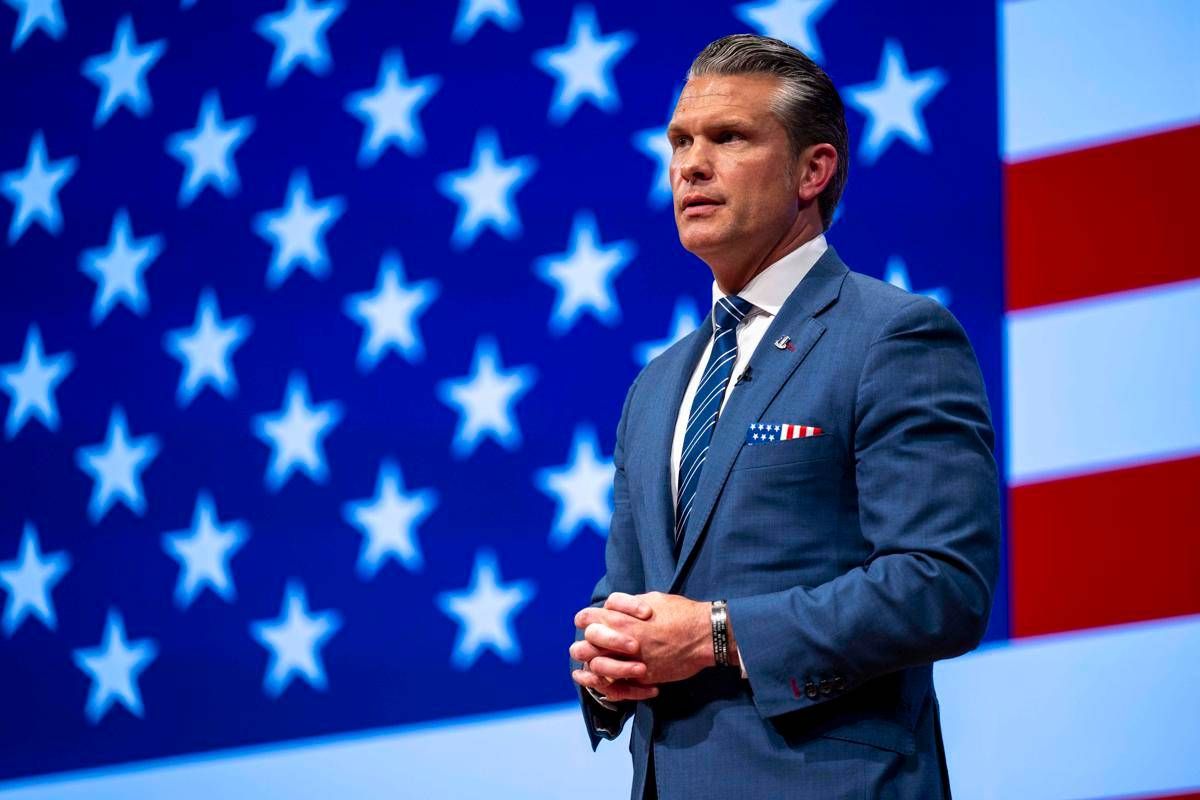
House Rejects Pete Hegseth Impeachment Bid; Trump Celebrates
The 211-204 vote defeats a resolution introduced by Republican Thomas Massie, who accused the defense secretary of abusing his authority...
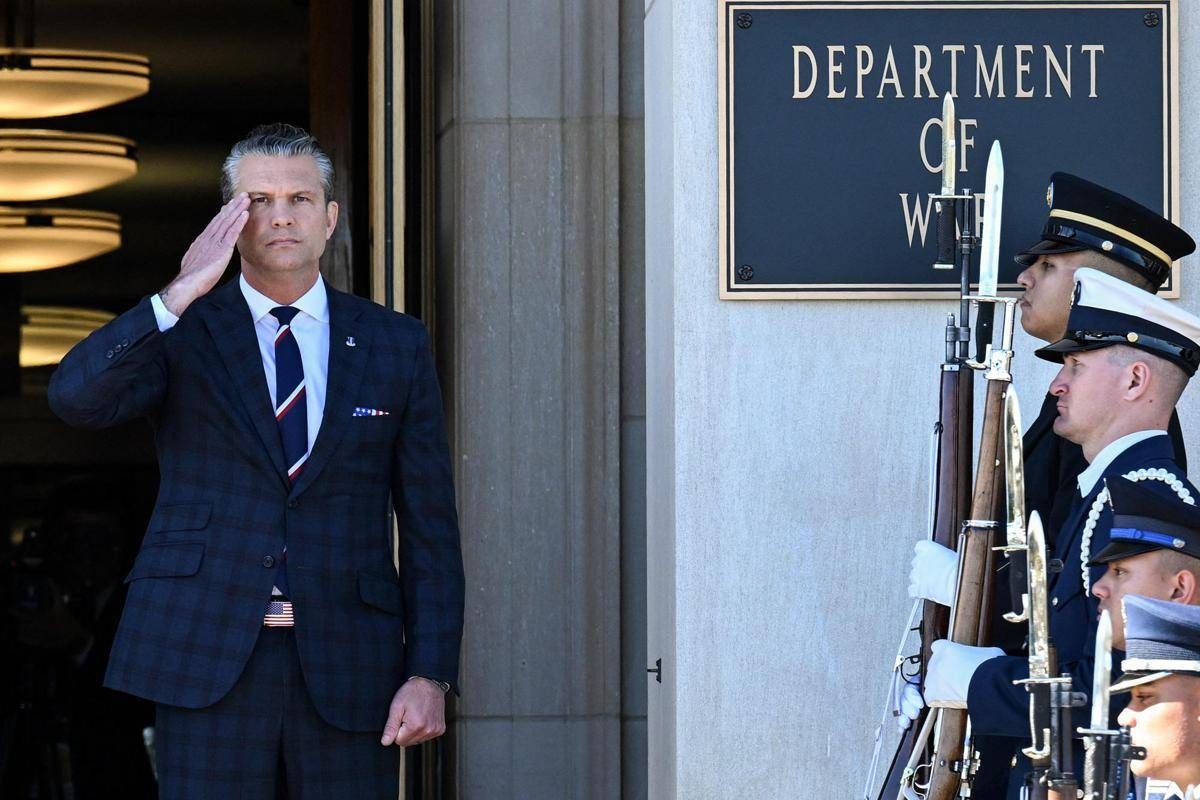
Impeachment di Pete Hegseth, la Camera boccia la procedura
La risoluzione è stata respinta con 211 voti contrari e 204 favorevoli. A favore del segretario alla Difesa quasi tutto...

Terremoto in Sicilia, scossa di magnitudo 4.1 al largo della costa
Il sisma è stato registrato alle 6.12 a una profondità di 8 chilometri. Nella stessa area altre cinque scosse, l’ultima...
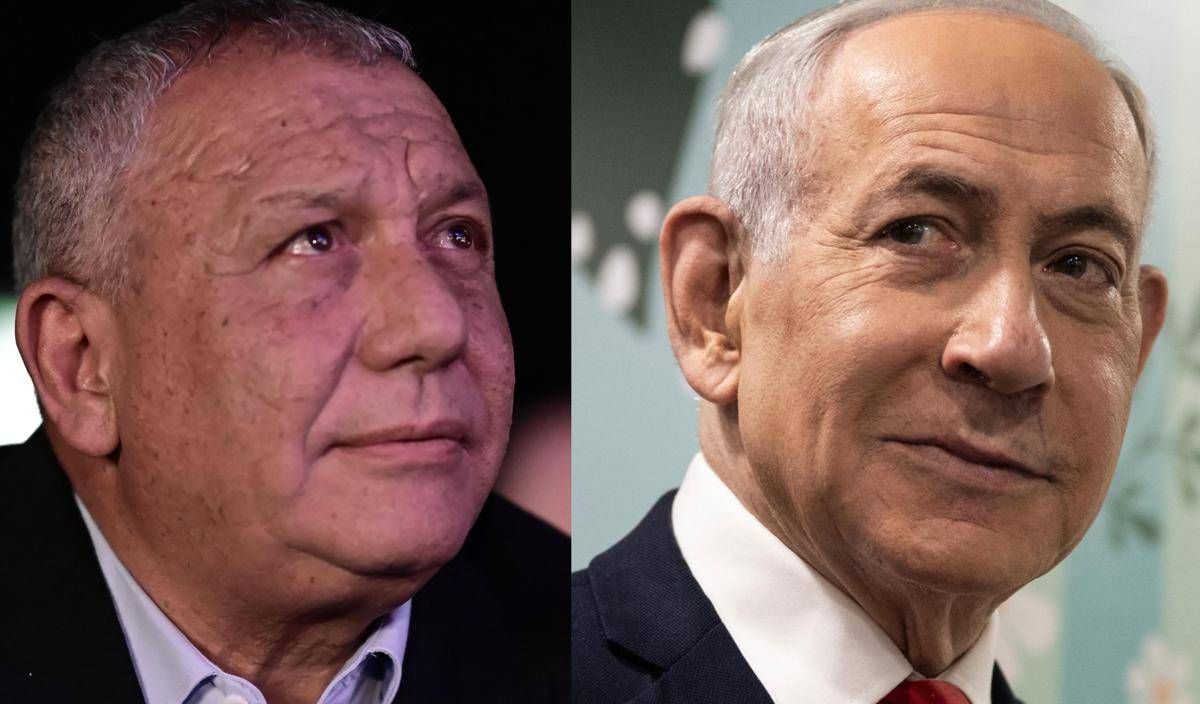
“Delusional, Divisive and Shameful”: Eisenkot Turns on Netanyahu
The Yashar leader says the caretaker prime minister is unfit to remain in office and has called off a meeting...


“Your Ratings Are a Loser”: Trump Mocks CNN’s Kaitlan Collins VIDEO
The president lashed out at the CNN correspondent after she asked whether he would keep Defense Secretary Pete Hegseth if...

Thomas Markle Ordered to Undergo Mental Competency Exam
The 82-year-old father of Meghan, Duchess of Sussex, faces federal charges involving alleged possession of child sexual abuse material. A...

Martina Carbonaro, in aula i genitori. Tucci: «Non ero in me»
La testimonianza si è svolta dietro un paravento. A fine udienza i familiari della ragazza hanno rivolto parole durissime all’imputato...


Allerta meteo 11 novembre, arancione in Emilia-Romagna
La Protezione civile segnala rischio idrogeologico sulla montagna emiliana centrale. Allerta gialla anche in Liguria e Toscana per temporali, rischio...
Card ricaricabili Atac, da oggi il debutto in tre stazioni
Si parte dalle biglietterie di Lepanto, Ottaviano e Conca d’Oro. Il nuovo supporto permette di caricare più titoli di viaggio...

Jensen Huang Scandal Tests Nvidia’s Dependence on Its Founder
An affair involving a Singapore-based executive under scrutiny over Nvidia chip exports has collided with U.S.-China technology policy. The crisis...
Pete Hegseth Calls Impeachment Motion a “Farce” as House Weighs Vote
The defense secretary accuses the media of hating Donald Trump more than they love the country and the armed forces....
Toukie Smith, Model Turned Actress, Dies at 74
A prominent face in 1970s fashion, Smith later became known to television audiences as Eva Rawley on the sitcom 227....

Parkinson, a Pisa arriva la tecnologia che tratta i tremori senza bisturi
Exablate Prime sarà consegnata il 13 novembre all’ospedale pisano: trattamento in una sola seduta e senza anestesia, con copertura del...
Minaccia iraniana, gli Usa spostano aerei dalla base di Mildenhall
Un velivolo è stato trasferito dalla base britannica della Raf. Altri aerei cisterna sono stati ridislocati in Germania e in...
You must be logged in to post a comment Login