
Washington has dismissed Tehran's latest offer, but diplomacy remains alive. Trump expects fresh contacts in the coming days as Qatari...
Read More
International-News
Trump Keeps Door Open to Iran Talks After Rejecting Hormuz Proposal
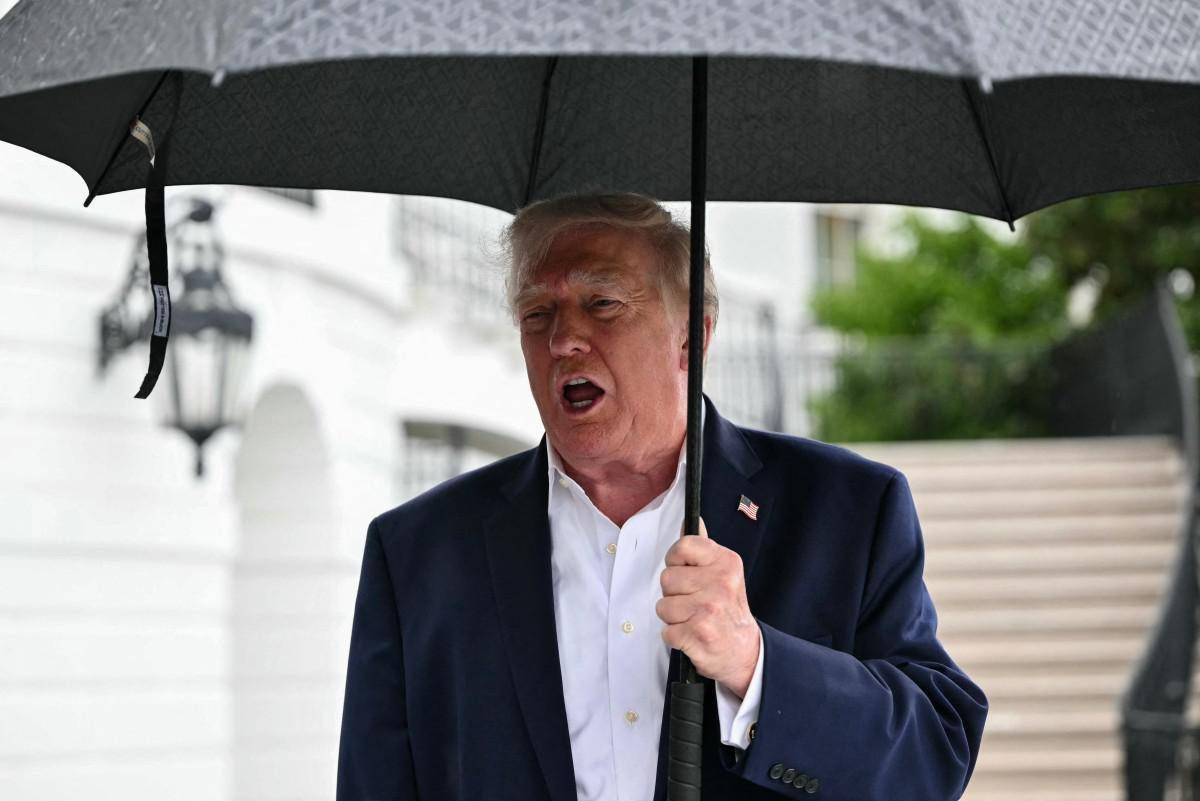
Washington has dismissed Tehran’s latest offer, but diplomacy remains alive. Trump expects fresh contacts in the coming days as Qatari mediators continue shuttling between the two sides
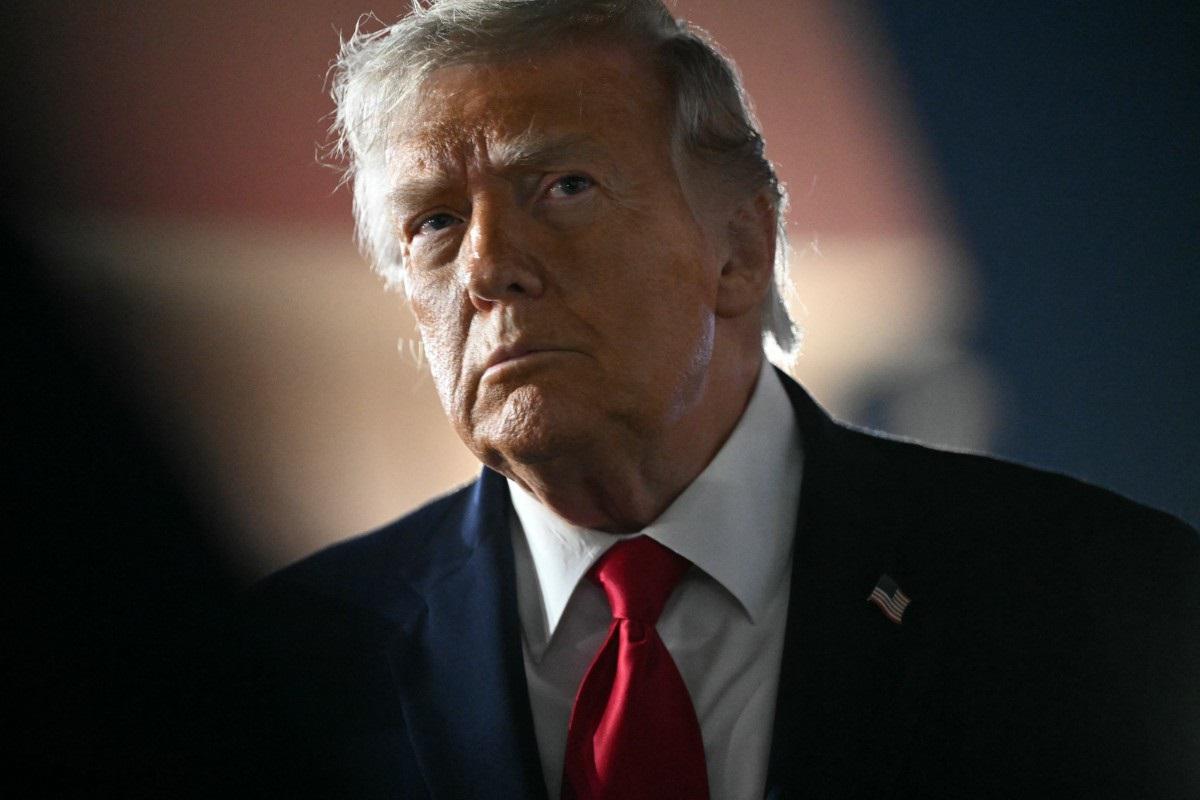
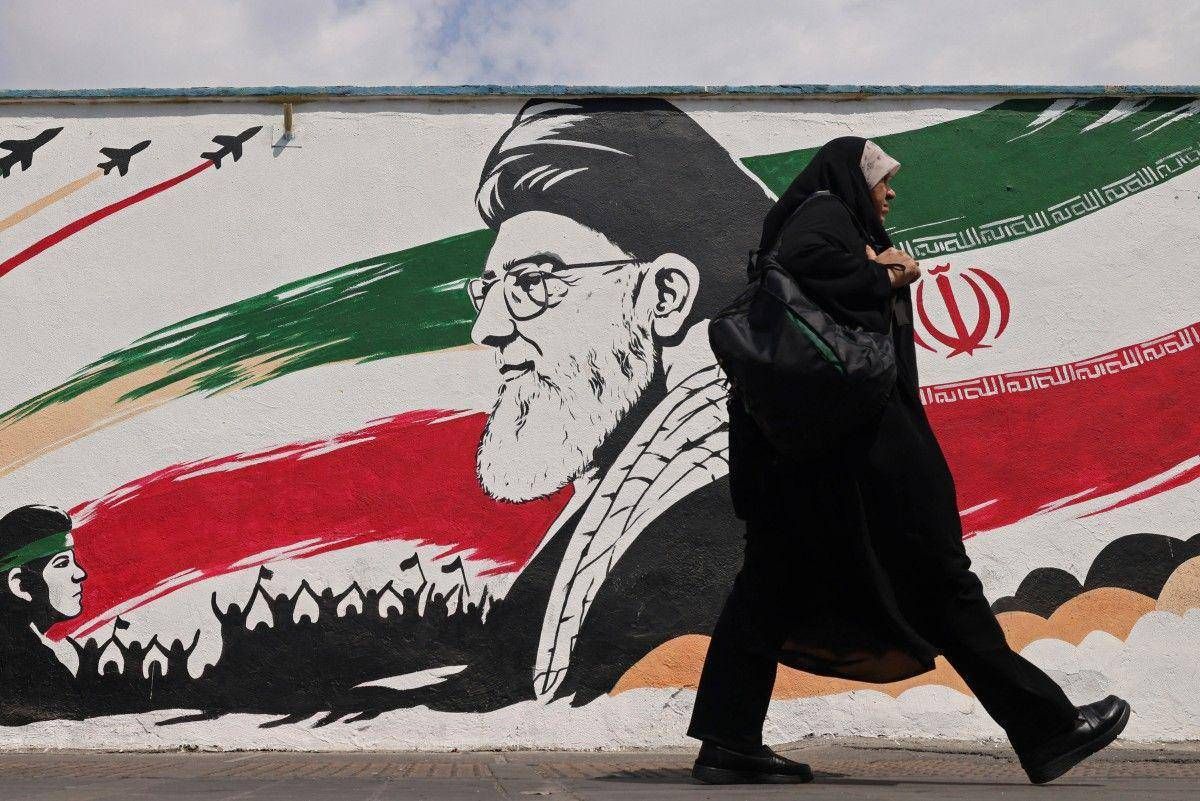
President Donald Trump says he expects new contacts with Iran this week, a sign that diplomacy has not collapsed despite Washington’s decision to reject Tehran’s latest proposal.
The White House and the Iranian leadership remain divided on virtually every major issue at the center of the negotiations, from sanctions and oil exports to the future of the Strait of Hormuz. Yet neither side appears ready to walk away completely.
In a phone interview with Axios, Trump said further talks are likely in the coming days. “I expect further talks with Iran this week,” the president said.
Trump acknowledged that Tehran wants an agreement but argued that the terms put forward by Iranian negotiators are no longer acceptable to Washington.
“They want to make a deal, but it’s not the deal I want to make. It’s what we might have accepted a year ago. They pushed it too far,” he said.
The latest dispute centers on a proposal presented by Iran during indirect contacts held on the sidelines of the United Nations General Assembly in New York. During those discussions, Foreign Minister Abbas Araghchi outlined a framework that would have reopened the Strait of Hormuz and restarted nuclear negotiations within a week.
The offer came with significant conditions. Tehran asked for the removal of the U.S. naval blockade, the lifting of sanctions affecting Iranian oil sales and the restoration of a ceasefire across the region.
Trump rejected the proposal on Saturday. Even so, the diplomatic channel remains active.
According to Axios, Qatari mediators have continued working with both sides since the rejection, carrying messages between Iranian and American negotiators in an effort to narrow the gap that still separates them. Sources familiar with the talks said mediators presented Iran’s original proposal before exploring possible compromise formulas with each delegation.
The effort accelerated in recent days. Qatar’s prime minister met the Iranian president in New York, while senior Qatari officials later briefed U.S. envoy Steve Witkoff on the state of the negotiations. Additional contacts between the mediators, Witkoff and Iranian representatives are expected.
The persistence of those diplomatic efforts stands in contrast to the increasingly sharp public rhetoric coming from both sides.
Asked whether the United States might resume military strikes against Iran, Trump declined to rule out the possibility.
“I always think about it,” he said.
Araghchi delivered a similarly uncompromising message while insisting that diplomacy remains possible.
Speaking to NBC News’ Meet the Press, the Iranian foreign minister said Tehran was prepared for any future confrontation but still favors a negotiated outcome.
“We are fully prepared for the resumption of war. We remain steadfast in the face of any new aggression, even if it leads to an apocalyptic war,” Araghchi said. “At the same time, we are ready for diplomacy. It is up to President Trump to choose.”
The Iranian minister also maintained that Tehran had not yet received formal notification of Washington’s rejection through the Qatari mediators, despite Trump’s public comments.
Araghchi reiterated that Iran remains willing to reopen the Strait of Hormuz as part of a broader agreement to end the conflict. In exchange, Tehran wants access to assets it says were frozen unlawfully and the ability to resume oil sales without restrictions.
“We want our money back, our assets that were illegally frozen. We want to be able to sell our oil,” he said.
According to Araghchi, those demands reflect issues that had already been discussed between the two countries in previous rounds of diplomacy, including arrangements linked to the memorandum of understanding signed in June before renewed attacks derailed the process.
“If you ask us, there is no reason for us to return to diplomacy, but I am still looking for a diplomatic solution because I believe we should not lose any opportunity for peace,” he said.
The Trump administration, however, has shown little sign of softening its position.
Speaking before Araghchi’s interview aired, U.S. Ambassador to the United Nations Mike Waltz said the Iranian proposal was unacceptable for several reasons and suggested Tehran was seeking concessions that Washington was unwilling to grant.
“I think it was a rather cynical attempt to put something on the table that they knew was unacceptable,” Waltz said, referring to demands involving sanctions relief, the removal of restrictions and access to frozen assets.
He also emphasized that Trump remains wary after previous diplomatic initiatives unraveled only months ago.
“What I can tell you is that the president will keep every option on the table to ensure the world is safe from Iran and from Iran holding the world hostage with a nuclear weapon,” Waltz said.
For now, negotiations remain alive, but the distance between the two sides remains substantial. While Qatari mediators continue searching for common ground, both Washington and Tehran are publicly insisting that any future agreement must be reached on terms the other side has so far shown little willingness to accept.
THE LATEST NEWS
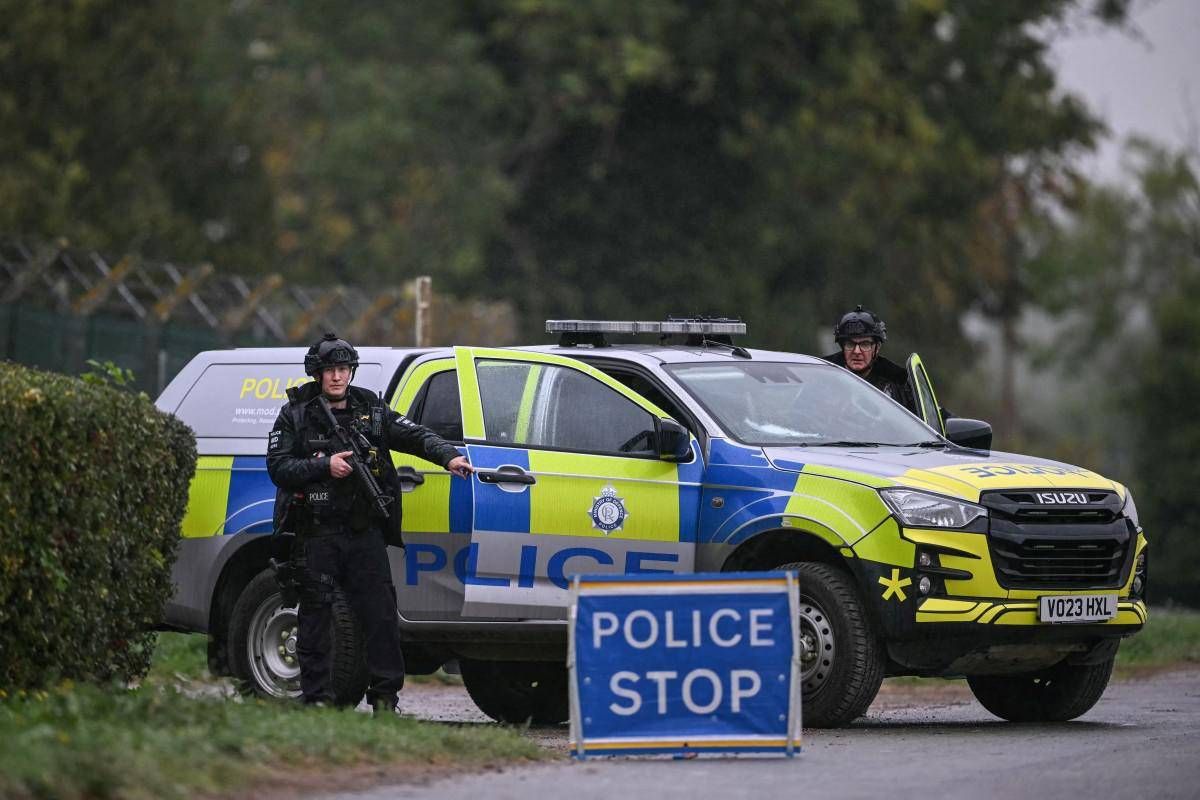
Five Arrested After Explosives Alert Near RAF Fairford as Iran Link Examined
27 September 2026
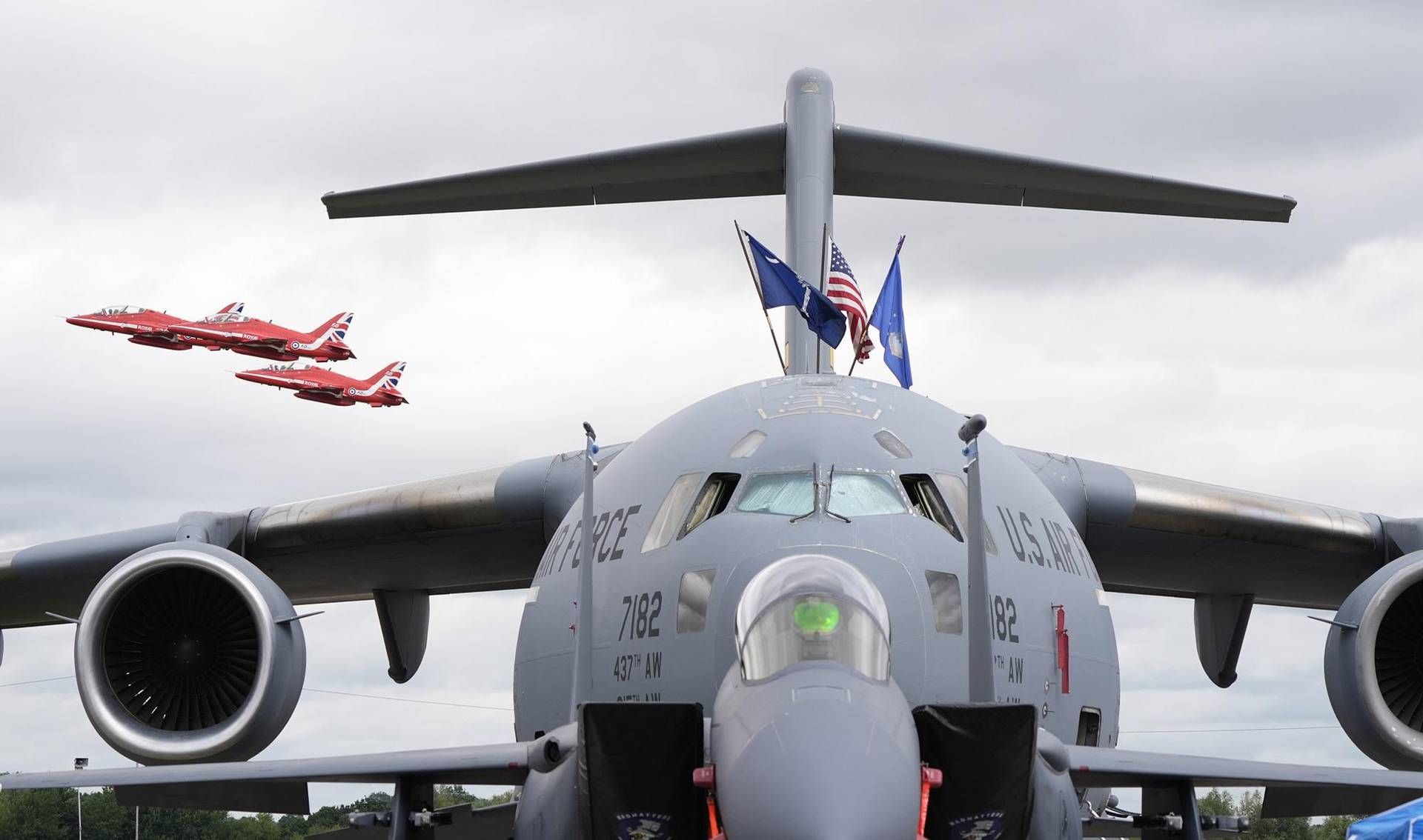
Homes were evacuated and bomb disposal teams deployed near a key U.S.-used air base in southwest England, as counterterrorism officers...
Read More
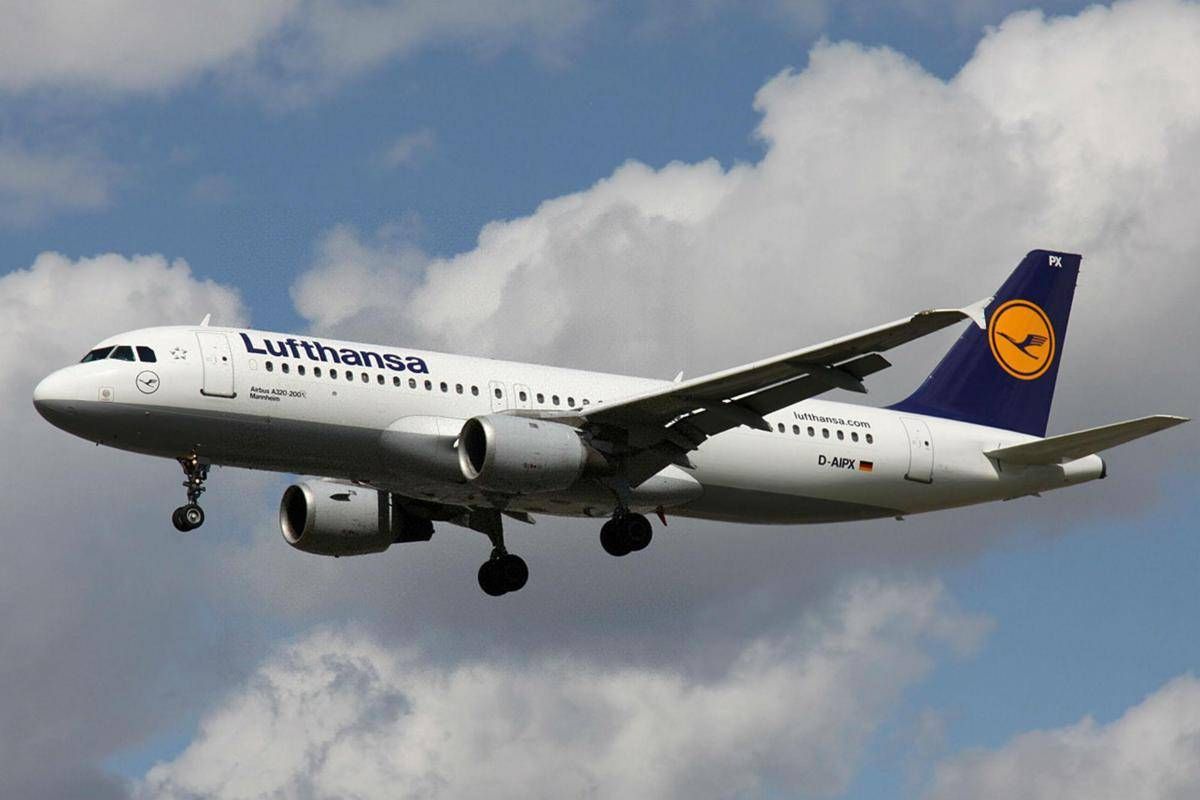
Lufthansa Power Bank Fire Forces Emergency Diversion to Lyon
27 September 2026
A Frankfurt-to-Lisbon flight was rerouted after a passenger's external battery caught fire onboard. The aircraft landed safely in France and...
Read More
Trump Snaps at MSNBC Reporter During White House Exchange
27 September 2026
The president clashed with MSNBC correspondent Akayla Gardner after being challenged on whether critical news organizations still have a place...
Read More
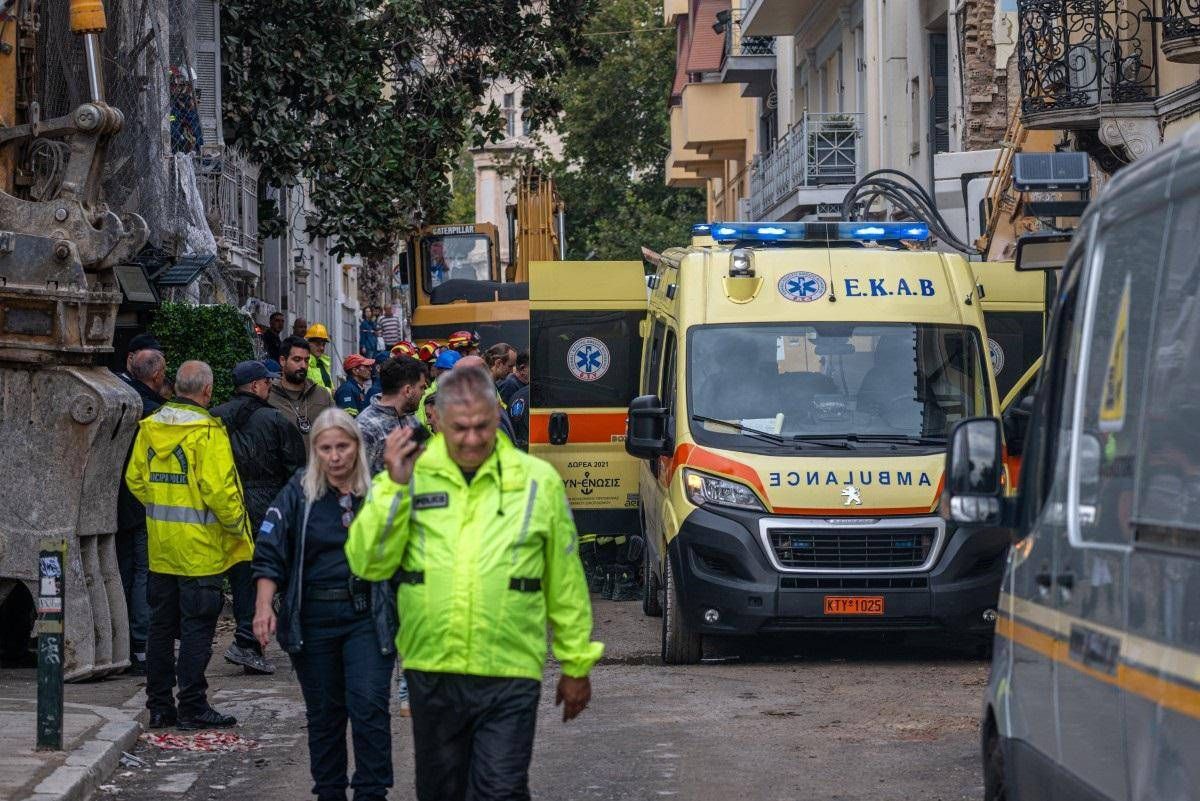
Athens Blast Leaves Six Missing, Including Four American Tourists
26 September 2026
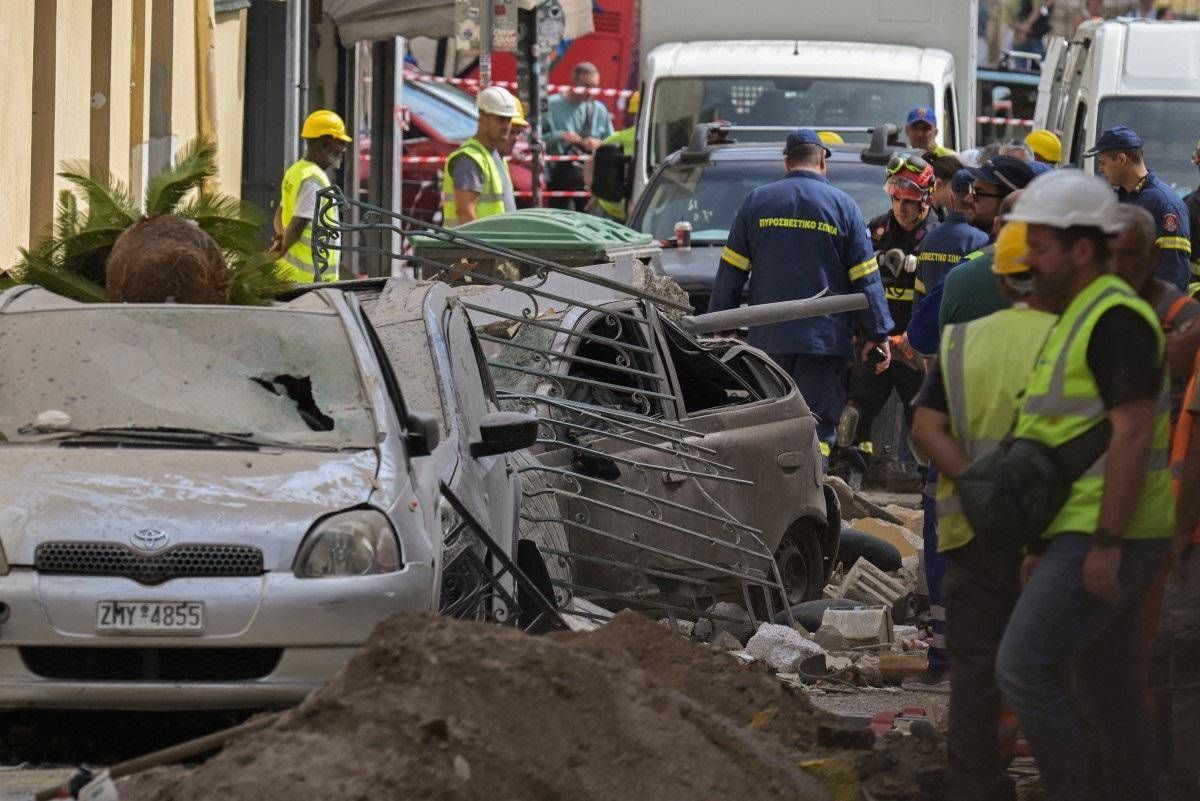
Rescue teams continue searching through the rubble in the historic Plaka district as authorities investigate a suspected major gas leak...
Read More
Putin’s Negotiation Claims Ring Hollow After Renewed Blame Game
26 September 2026
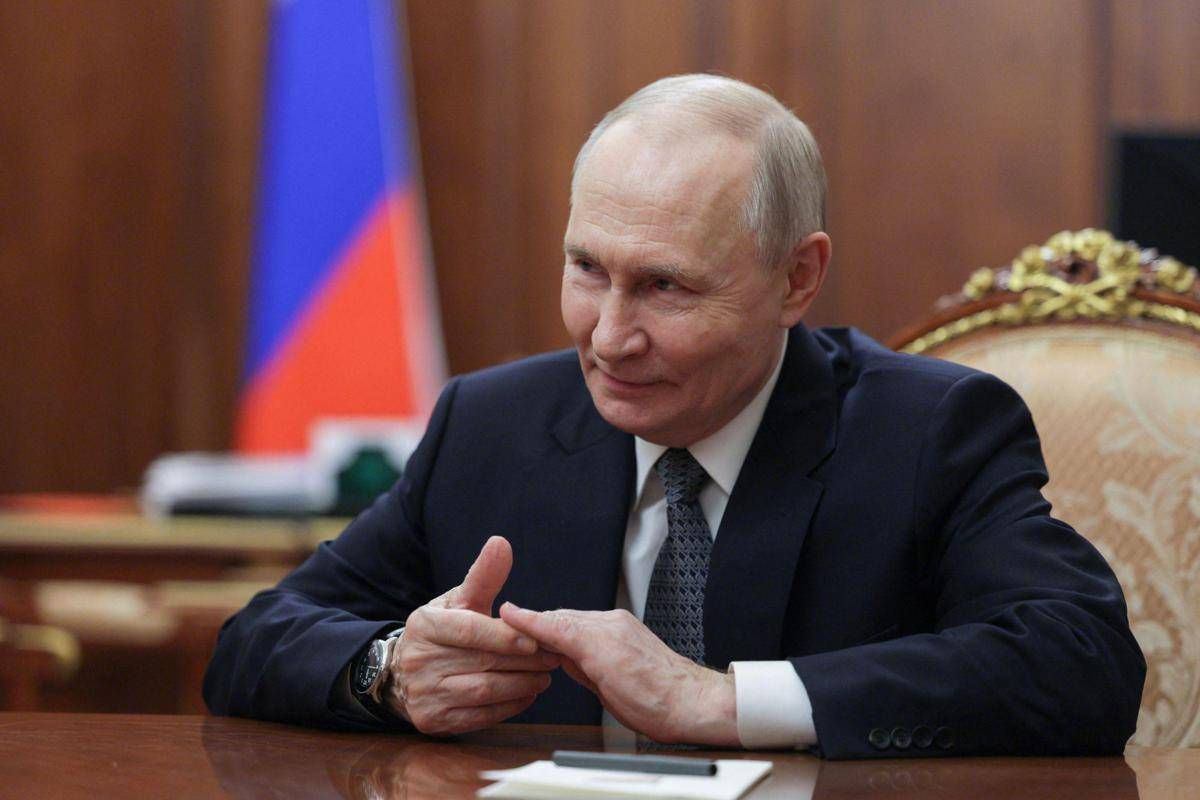
The Kremlin once again portrays itself as open to talks, only to redefine the conditions and shift responsibility onto Kyiv...
Read More
(Photo: © AndKronos)








You must be logged in to post a comment Login