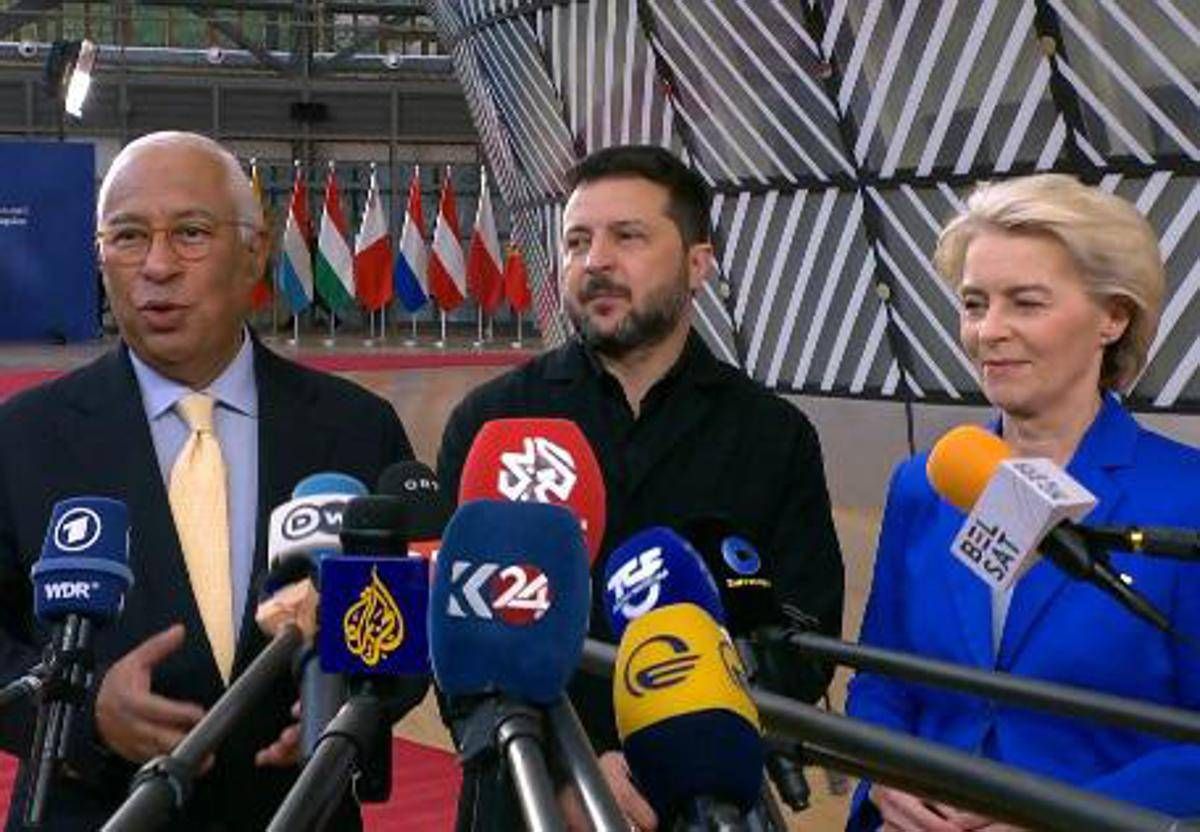
At a campaign rally in Dalton, Georgia, the president offered a rare personal admission about cosmetics before turning the moment...
Read More
International-News
Putin’s Negotiation Claims Ring Hollow After Renewed Blame Game
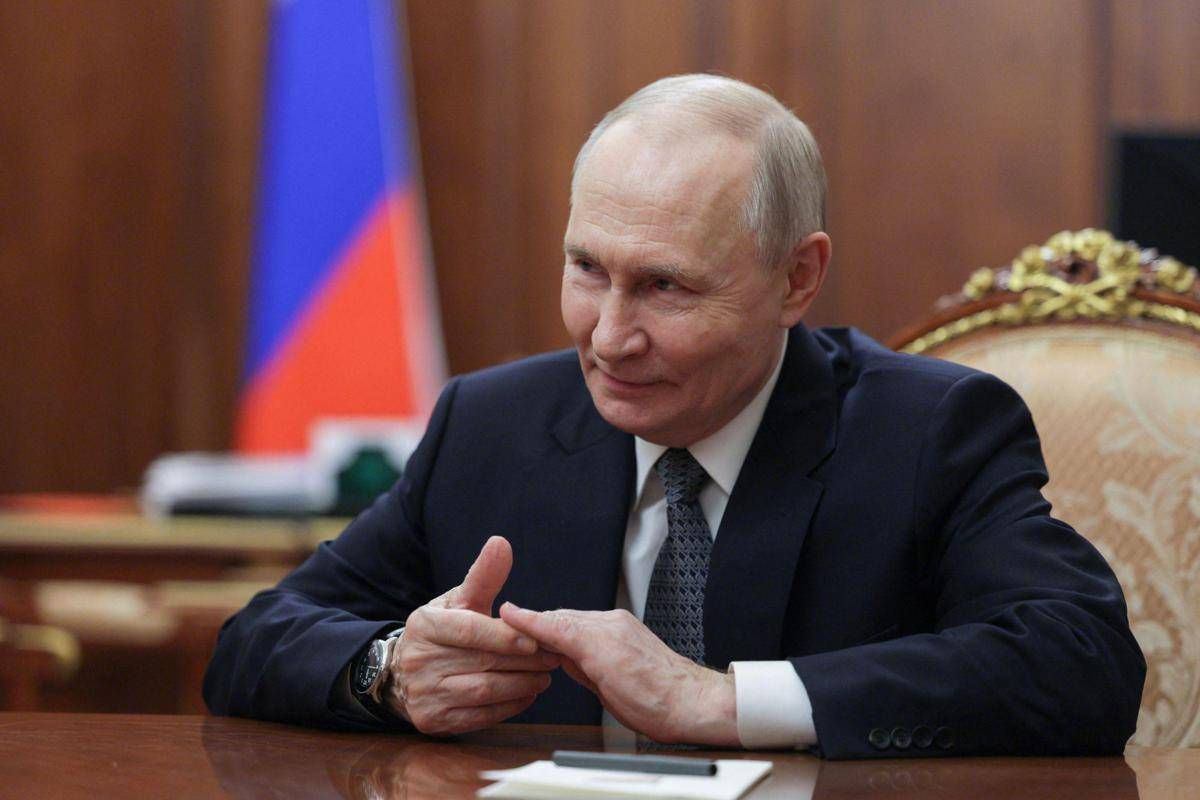
The Kremlin once again portrays itself as open to talks, only to redefine the conditions and shift responsibility onto Kyiv
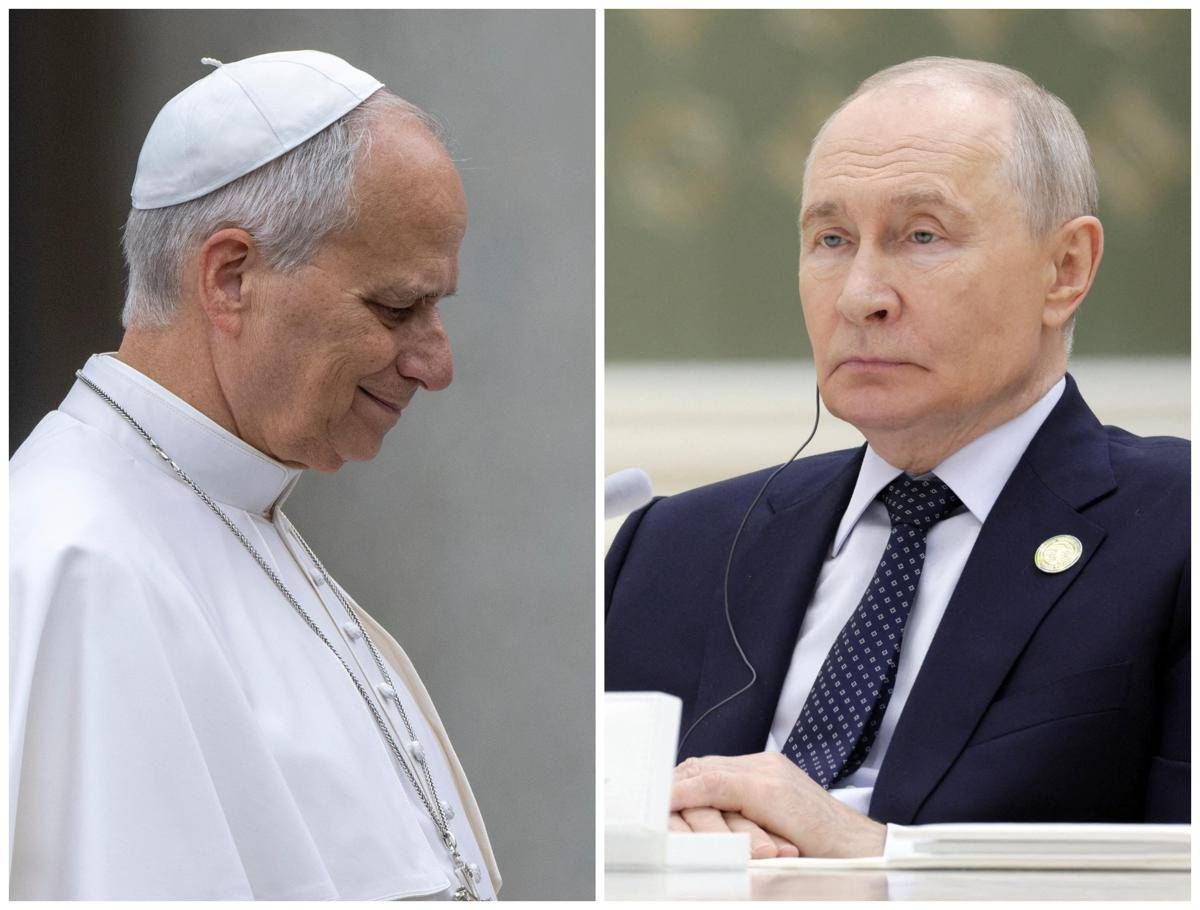
Russia claims it was prepared to restart negotiations with Ukraine following the State Duma elections. Yet, according to President Vladimir Putin, a large-scale Ukrainian attack on Moscow during the voting period now justifies reconsidering any diplomatic initiative.
The statement, carried by Russian state news agency TASS, follows a well-established Kremlin playbook. Moscow publicly speaks of negotiations while simultaneously introducing new political and military preconditions that make meaningful progress increasingly unlikely.
“Reconciliation and the proposal to resume negotiations are all options on the table,” Putin said. But the apparent openness was immediately qualified. Referring to Ukraine, the Russian leader added that, “after everything they have done,” Russia would carefully evaluate its next steps.
The contradiction is difficult to ignore. More than four years after launching the full-scale invasion of Ukraine, the Kremlin continues to present itself as a potential peacemaker while reserving the right to dictate both the terms and timing of any future talks. Every supposed opening is quickly accompanied by fresh accusations against Kyiv, effectively ensuring that responsibility for the diplomatic deadlock is placed elsewhere.
Putin further stressed that any decision regarding negotiations would be guided exclusively by Russian interests. The formulation leaves little doubt about Moscow’s priorities: dialogue remains acceptable only insofar as it aligns with the Kremlin’s strategic objectives.
Far from representing a genuine breakthrough, the latest remarks appear designed to reinforce a familiar narrative. Russia seeks to project reasonableness before international audiences while maintaining maximum freedom of action on the battlefield and in diplomacy. The result is a recurring cycle of rhetorical openness followed by practical obstruction.
Whether framed as a response to military developments or political events, the Kremlin’s message remains largely unchanged: negotiations are always possible, provided that Moscow alone decides when, how and under what conditions they take place.
THE LATEST NEWS
UK Storm Shadow Support for Ukraine Aims to Boost Pressure on U.S. Aid
16 October 2026
A British defense analyst says London’s latest military assistance package is unlikely to alter the battlefield in the short term...
Read More

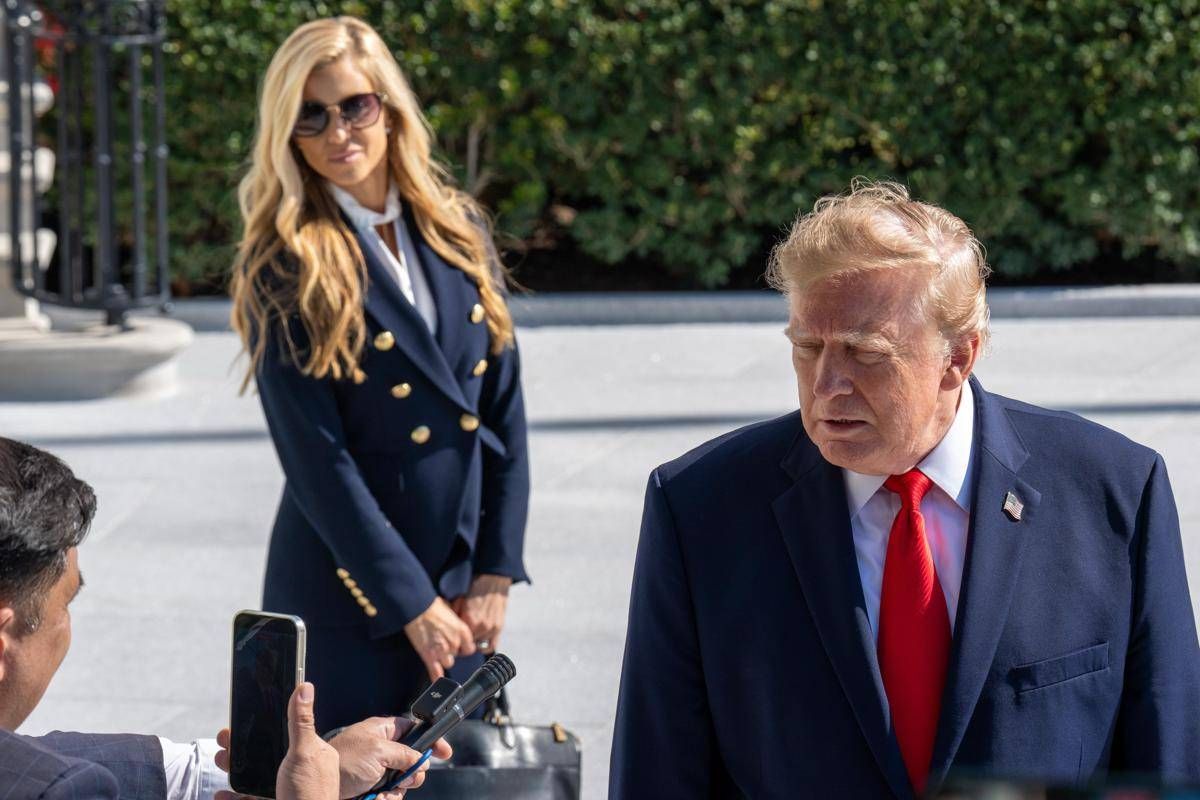
White House Spokeswoman Katie Zacharia May Exit Role Days After Appointment
16 October 2026
Just five days into her tenure, Katie Zacharia is facing mounting pressure after allegations she falsely claimed to be a...
Read More
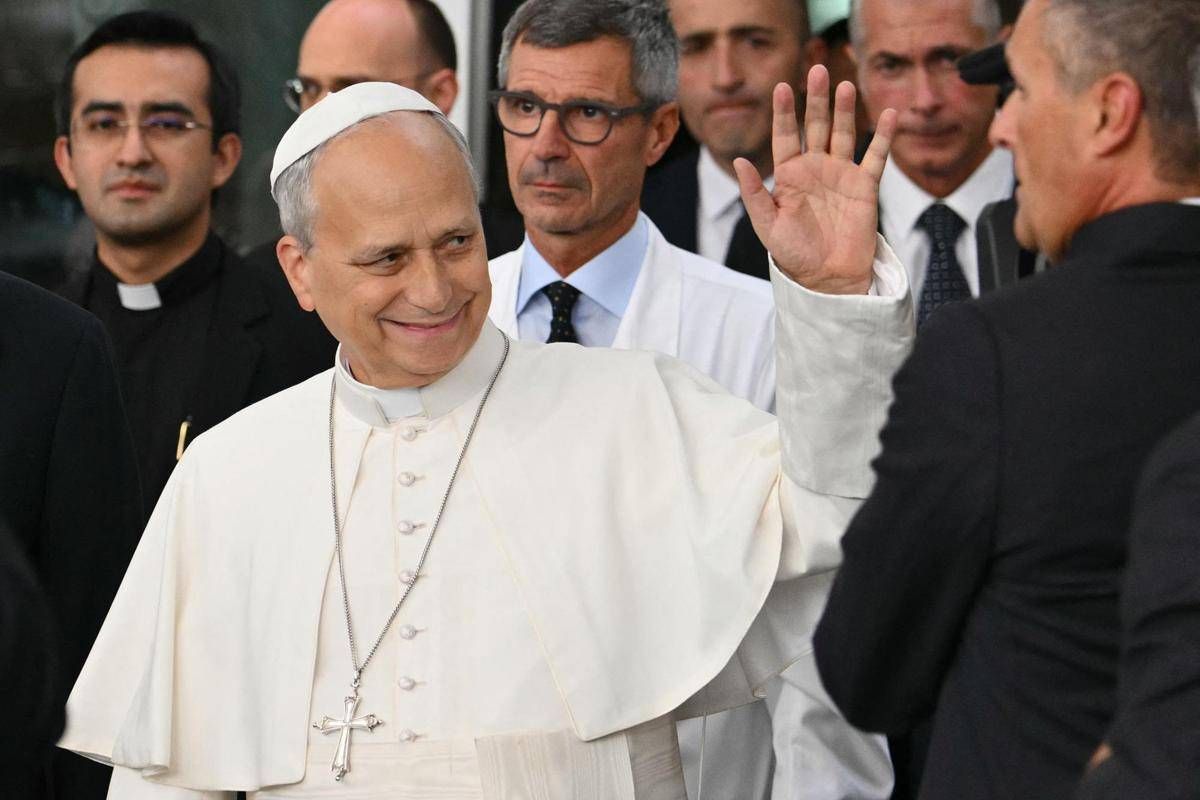
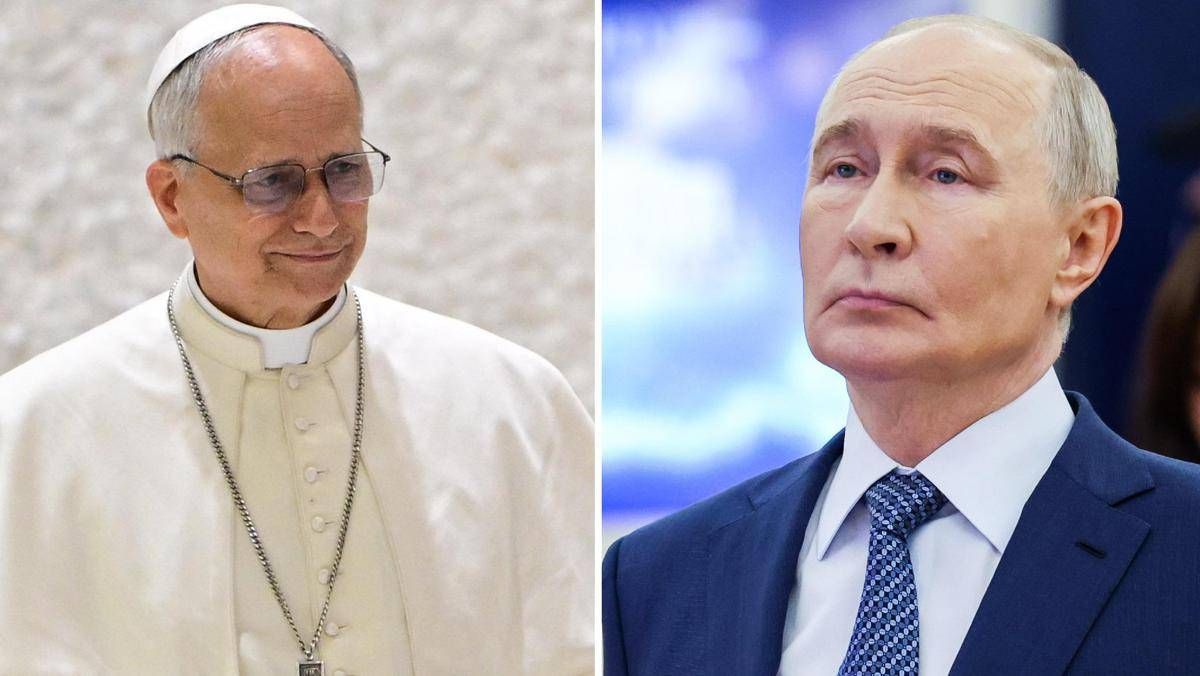
Pope Leo XIV Urges Oleshky Humanitarian Truce in Call With Putin
16 October 2026
Speaking from Rome’s Gemelli Hospital while recovering from lung cancer surgery, the pontiff pressed for humanitarian access to the embattled...
Read More
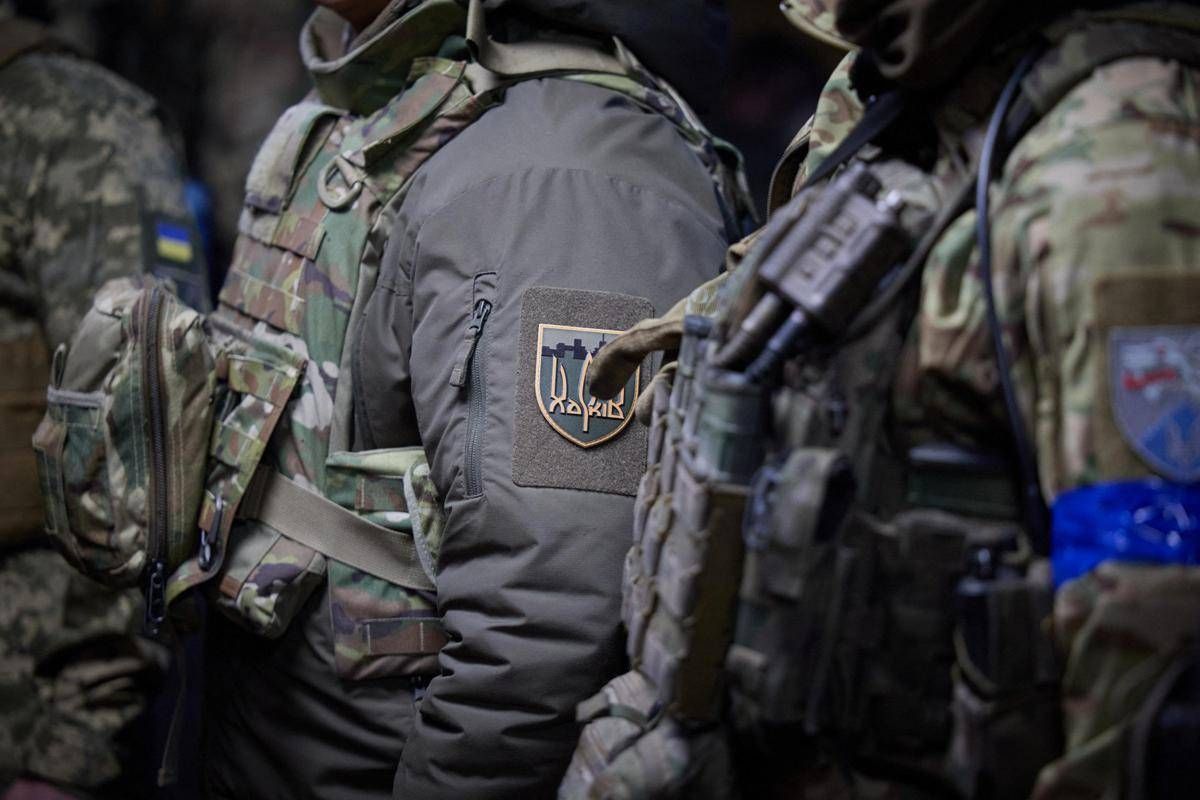
Russian Defector Who Aided Ukrainian Strikes Joins Anti-Putin Unit
16 October 2026
After helping Ukrainian forces target Russian positions responsible for more than 300 casualties, former communications officer Lev Stupnikov crossed the...
Read More
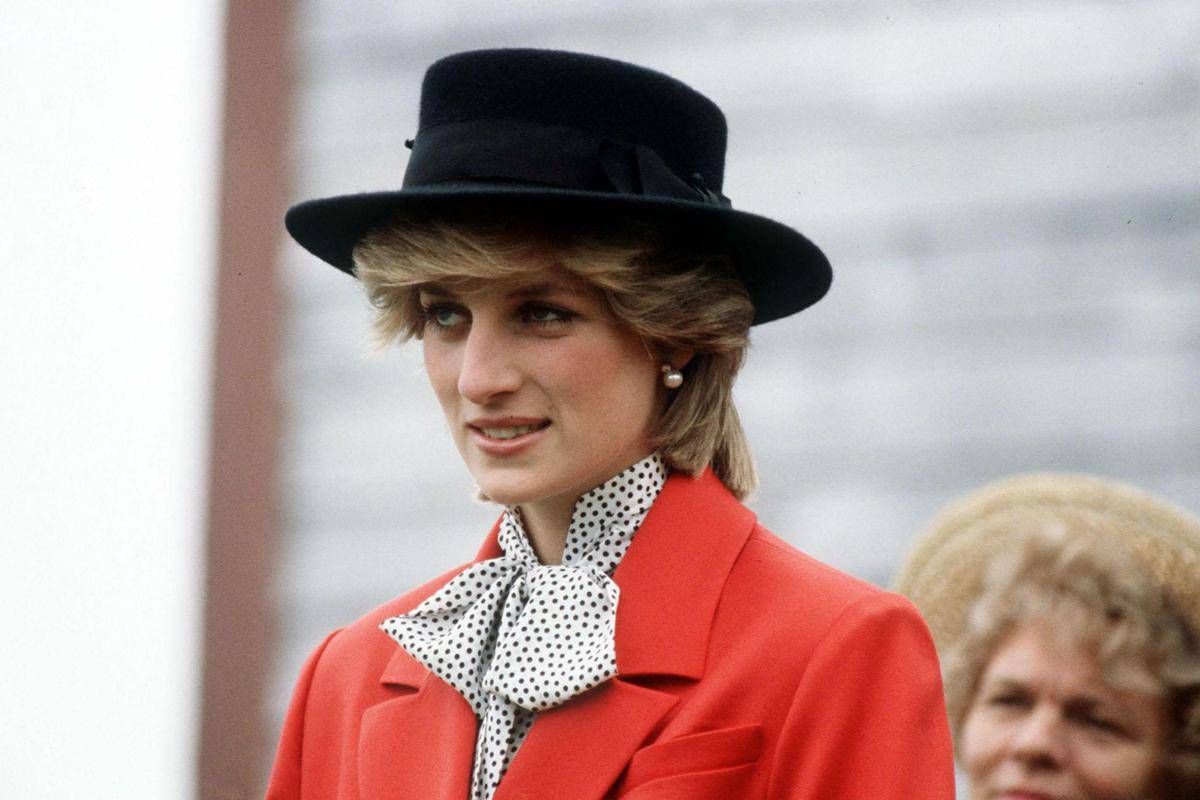
Princess Diana’s Secret Nighttime Missions in London Revealed by Former Royal Aide
16 October 2026
Former royal press secretary Dickie Arbiter says Princess Diana regularly slipped away from Kensington Palace at night to check on...
Read More
(Photo: © AndKronos)