A rare decision by a leading AI developer to halt a major release comes less than a day after the...
Read More
International-News
Iran warns U.S. over Israeli offensive on Ali Taher ridge

Tehran signals it will retaliate if Israel moves to seize the strategic position in southern Lebanon
Iran has told the United States it will respond forcefully if Israel launches a major offensive on Ali Taher, a ridge in southern Lebanon where Iranian personnel are positioned alongside Hezbollah fighters. Three regional officials familiar with the message said it was delivered last month and reflects Tehran’s direct role in the fighting.
Israeli Defense Minister Israel Katz said an Iranian strike would “free” the Israel Defense Forces from constraints and lead to attacks on “all infrastructure, including energy facilities,” pushing Iran “into darkness and the Stone Age.”
Lebanese security officials say Hezbollah has built an underground command site and weapons depots beneath the ridge, which overlooks southeastern Lebanon and has become a central battleground. The IDF describes the location as a “strategic” underground facility tied to Hezbollah’s Badr regional division.
Hezbollah claims control of the ridge and says it will block any Israeli advance. Israeli forces have already taken ground south of Ali Taher and identified the ridge as a key operational target.
Two regional officials said the Iranian warning was relayed through Oman. A third source said the message was delivered in mid‑August and that Israel delayed an assault after U.S. pressure. According to the same officials, more than a dozen members of Iran’s Islamic Revolutionary Guard Corps — including at least two senior officers — are present at the site.
There was no immediate comment from Iran’s mission in Geneva, the U.S. Defense Department, or Oman’s Foreign Ministry. The IDF also declined to comment.
Hezbollah’s press office did not confirm the message but said such a warning would be a “natural conclusion.” The group said Iran views any Israeli territorial expansion in southern Lebanon as a violation of the Islamabad Agreement, the June memorandum between Washington and Tehran that included a ceasefire.
In June, Iran fired missiles at Israel after strikes on Hezbollah targets near Beirut. Katz said Thursday that any Iranian attack would prompt Israel to hit “all regime infrastructure.”
Despite the June ceasefire, Israel says Hezbollah continues operating around the ridge and recently launched two explosive drones at Israeli troops. In July, Hezbollah said it carried out an aerial strike near an access point to the underground site.
An Israeli military official told Reuters in June that Hezbollah fighters were trapped underground without food or water. The Israeli newspaper Maariv reported that the IDF believes IRGC personnel are no longer present and that some Hezbollah fighters have died due to lack of supplies.
A third official said Israel is trying to force fighters out by besieging the area and intercepting drones carrying food and water. Hezbollah said Israel aims to make the site “uninhabitable.”
A Lebanese source close to Hezbollah said fighters can still reach their positions from the northern side of the ridge. Reuters could not independently verify conditions, as the area lies within an IDF‑declared security zone.
Despite Iran’s warning, Lebanese officials say an Israeli operation to seize the ridge remains possible in the coming weeks. Hezbollah says a large‑scale assault would trigger full‑scale war and could lead to missile strikes on northern Israeli communities.
The Lebanese daily Nidaa Al‑Watan reported that Hezbollah has rejected government proposals to withdraw from the ridge and hand it over to the Lebanese Army under an agreement with Israel. The dispute has stalled U.S.-backed talks between Jerusalem and Beirut, previously held in Rome.
In March, Hezbollah expanded the conflict by firing rockets at Israel in support of Iran after a joint U.S.-Israeli air campaign. Israel responded with airstrikes and a ground invasion. Fighting has continued at lower intensity despite an April ceasefire, with Israeli forces maintaining a security zone roughly ten kilometers inside Lebanon.
Israel has recently intensified strikes in southern Lebanon, especially around Nabatieh, where Ali Taher is located. In June, Israel and Lebanon signed a framework agreement requiring the verified disarmament of non‑state armed groups before further Israeli withdrawals. Israel has pulled back from three pilot zones but says it will not proceed without Hezbollah’s disarmament.
THE LATEST NEWS

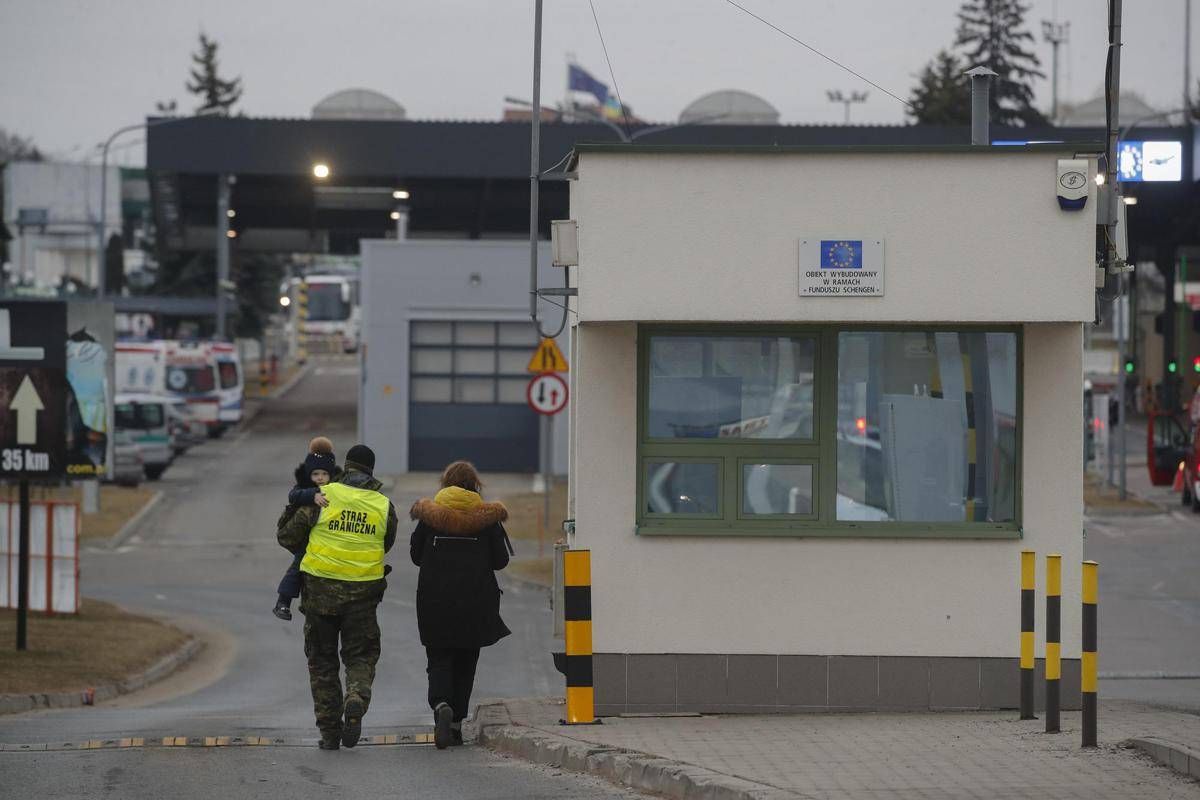
Russian Jet-Powered Drone Hits Near Poland Border, Damages Frontier Crossing
28 September 2026
Poland placed its air defenses on alert after a Russian jet-powered drone struck western Ukraine near the Dorohusk border crossing,...
Read More
Five Britons Held as Fairford Base Terror Probe Widens
28 September 2026
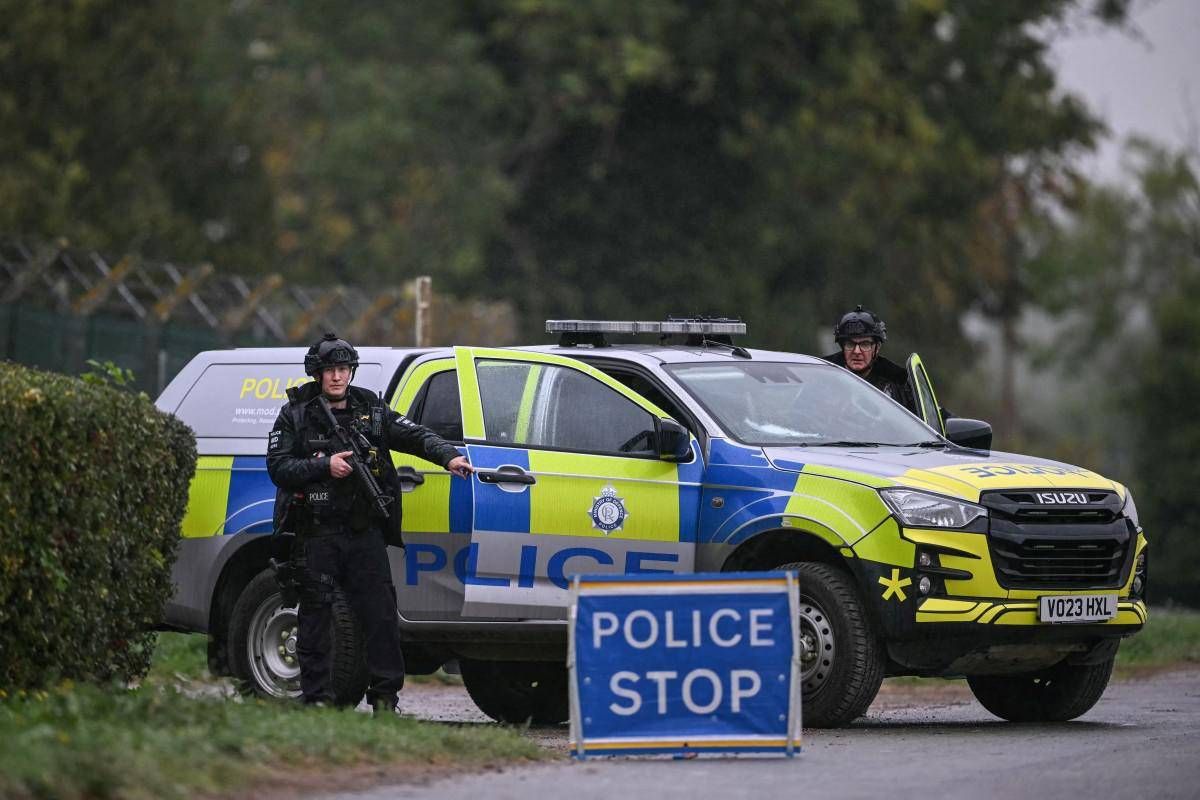
Five Britons Held as Fairford Base Terror Probe Widens after suspicious vehicles were reported near the RAF facility used by...
Read More

Trump Keeps Door Open to Iran Talks After Rejecting Hormuz Proposal
27 September 2026
Washington has dismissed Tehran's latest offer, but diplomacy remains alive. Trump expects fresh contacts in the coming days as Qatari...
Read More

Five Arrested After Explosives Alert Near RAF Fairford as Iran Link Examined
27 September 2026
Homes were evacuated and bomb disposal teams deployed near a key U.S.-used air base in southwest England, as counterterrorism officers...
Read More
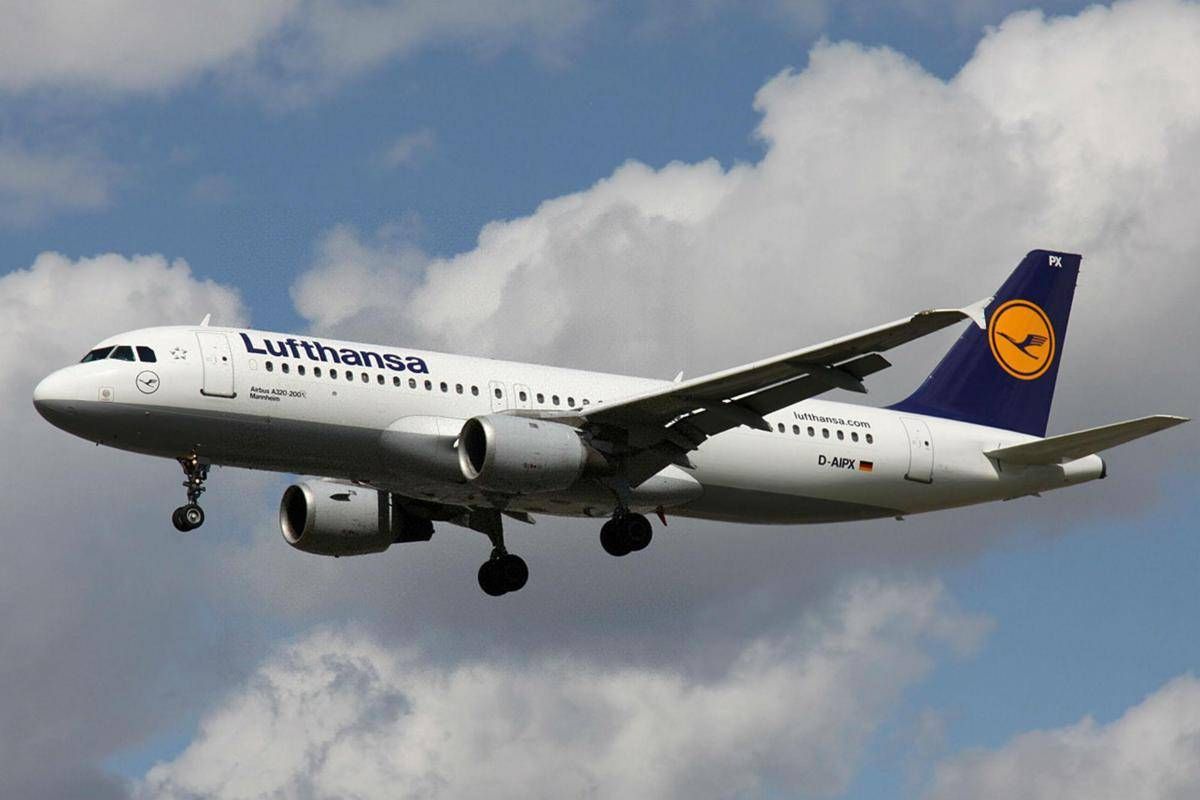
Lufthansa Power Bank Fire Forces Emergency Diversion to Lyon
27 September 2026
A Frankfurt-to-Lisbon flight was rerouted after a passenger's external battery caught fire onboard. The aircraft landed safely in France and...
Read More