
International-News
Supreme Court Backs Trump on Asylum Rejections at the Border
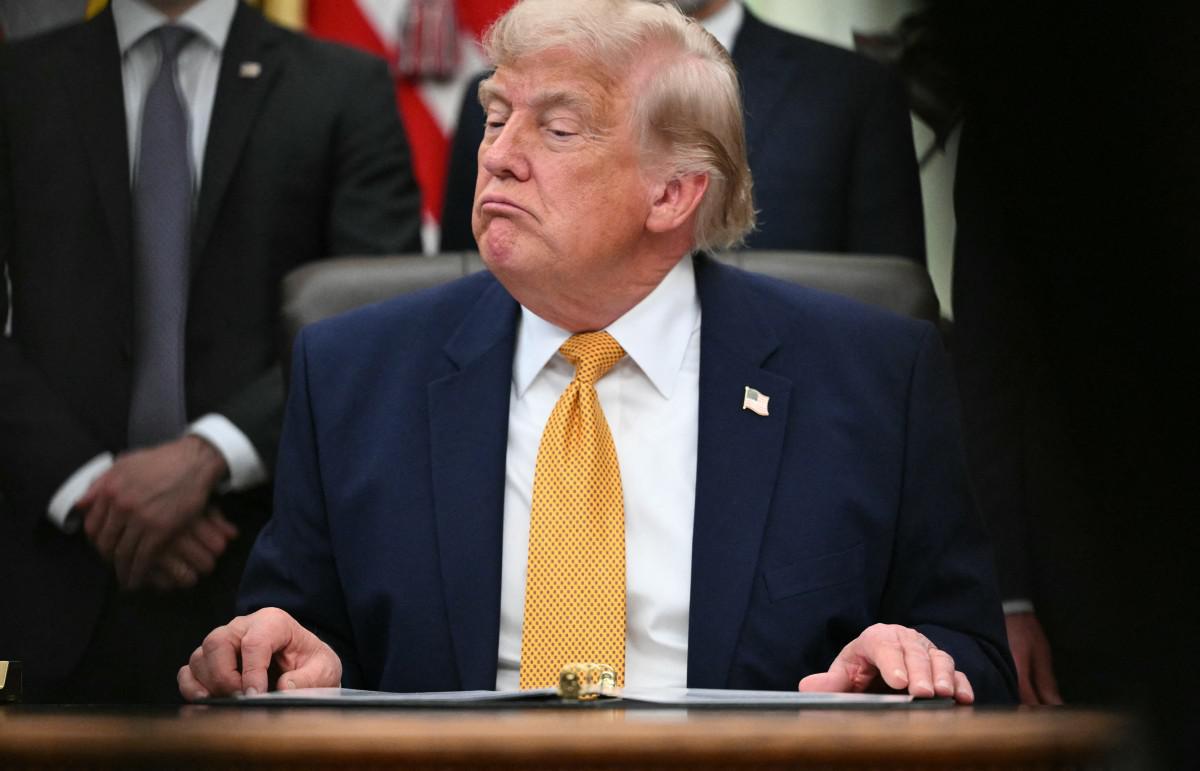
A 6–3 ruling allows U.S. authorities to turn away asylum seekers before entry and paves the way for ending temporary protections affecting hundreds of thousands
A divided Supreme Court handed a significant legal victory to President Donald Trump, ruling that the U.S. government may reject asylum seekers before they physically enter the country. The 6–3 decision, aligned along ideological lines, affirms the administration’s authority to revive a border practice that permits agents to turn migrants away before they cross the U.S.-Mexico frontier, effectively preventing them from filing asylum claims.
Writing for the majority, Justice Samuel Alito argued that the ordinary meaning of “arrival” requires physical presence. “In common usage, no one would say that a person arrives at a place—whether a house, a city, or a country—before physically entering it,” he wrote, joined by the Court’s five other conservative justices.
In dissent, Justice Sonia Sotomayor criticized what she described as an overly narrow reading of the law. “The Court’s illogical interpretation is driven almost entirely by its fixation on a single word—‘in,’” she wrote, adding that statutory language must be understood in context.
The case before the Court originated in 2017, when the migrant rights group Al Otro Lado filed suit on behalf of 13 asylum seekers. The challenge stemmed from practices that began informally in 2016 under the Obama administration, particularly in the San Diego area, as authorities grappled with overcrowded border crossings.
Beyond asylum procedures, the ruling also reinforces the administration’s authority to terminate Temporary Protected Status (TPS) for certain groups living legally in the United States. According to the decision, humanitarian protections for nationals of countries such as Haiti and Syria may be revoked, potentially exposing hundreds of thousands to deportation. The policy could ultimately affect more than one million people from 17 countries who held protected status when Trump returned to office.
Since then, the Department of Homeland Security has moved to end protections for citizens of 13 of those countries, including Haiti and Syria, as well as Venezuela, Honduras, Afghanistan and Nepal—many of which the State Department classifies as high-risk environments.
In the majority opinion, Alito also dismissed arguments advanced by Haitian immigrants that the administration’s policy decisions were driven by racial discrimination, describing the legal basis of those claims as weak.
Temporary Protected Status was established by Congress in 1990 to shield undocumented immigrants from deportation to countries destabilized by war, natural disasters or other extraordinary crises. The designation allows recipients to live and work legally in the United States for up to 18 months, with the possibility of renewal—a feature critics within Trump’s political base have long opposed.
“Remember, this is a temporary status,” Solicitor General John Sauer told the Court in April, presenting the administration’s case.
THE LATEST NEWS
[recent_post_slider design=”design-07″ show_author=”false” slider_height=”390″ lazyload=”progressive” limit=”6″ category=”11728″]
(Photo: © AndKronos)


Acqua minerale San Zaccaria, ritirato un lotto per rischio microbiologico
Il richiamo riguarda le bottiglie da un litro del lotto L26239221100, con scadenza 27 agosto 2028. La raccomandazione è di...

Melania Trump Announces Oleshky Ceasefire as Debate Erupts Over Credit
The First Lady says a Russia-Ukraine ceasefire has taken effect ahead of schedule in the Kherson region, while social media...

Sciopero nazionale dei taxi il 15 dicembre a Roma: tre proteste a novembre
Le organizzazioni sindacali annunciano una giornata di mobilitazione nella Capitale e manifestazioni a Milano l’11 novembre, Napoli il 17 e...
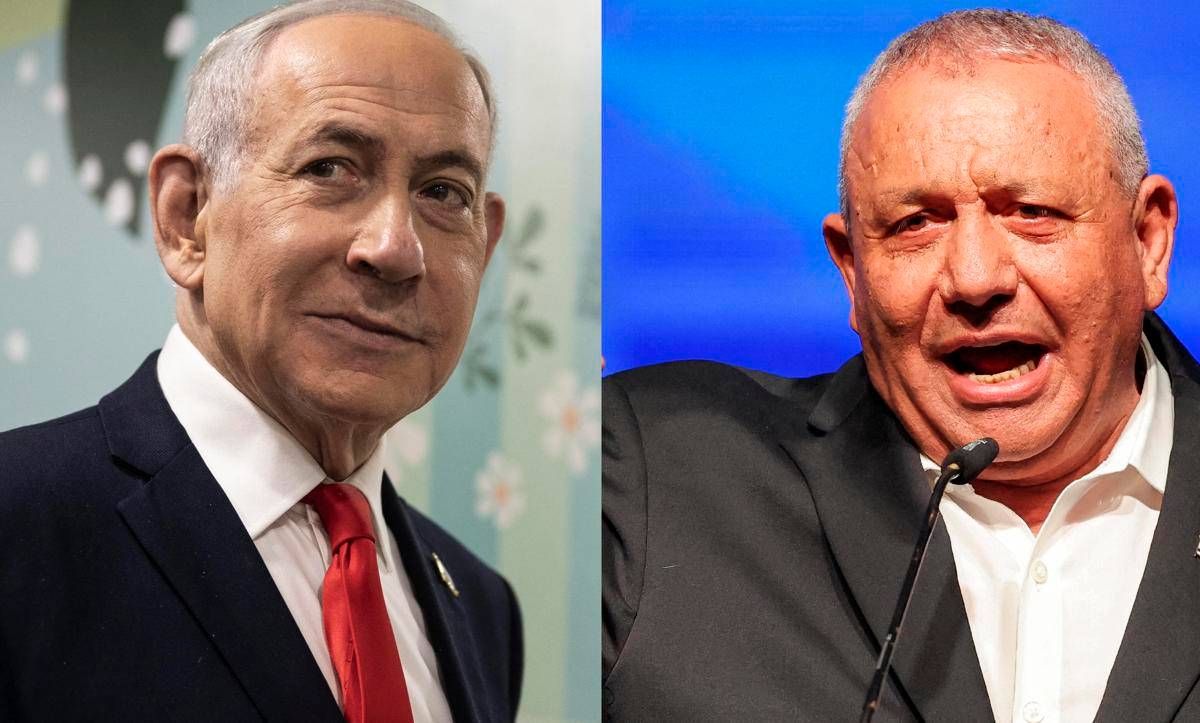
Israel Election Exit Polls Leave Power Balance Unresolved
Conflicting projections show neither Benjamin Netanyahu nor Gadi Eisenkot with a clear path to a parliamentary majority as voter turnout...
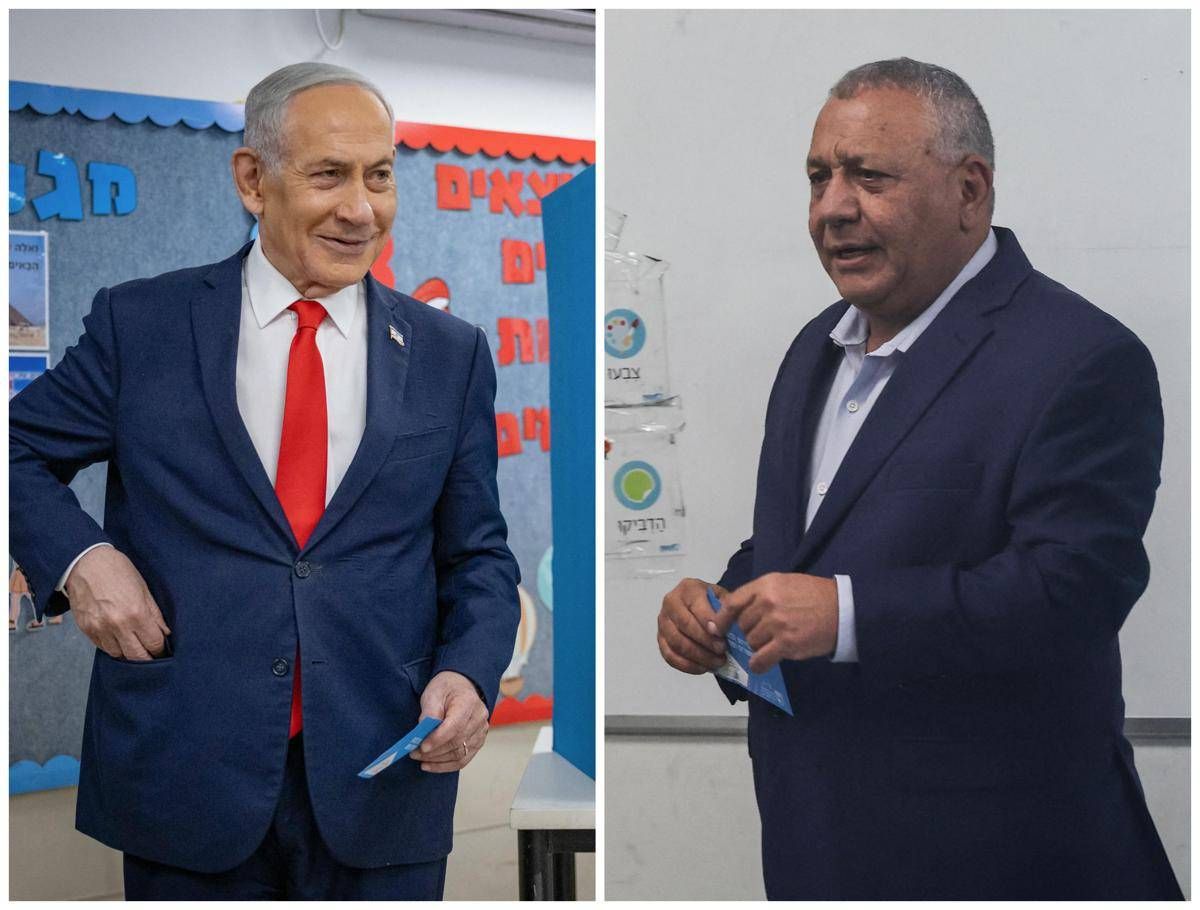
Elezioni in Israele, exit poll: testa a testa Netanyahu-Eisenkot
Gli exit poll di N12 e Channel 13 assegnano al blocco di Eisenkot 52 o 53 seggi, contro i 50...

Flavio Bolsonaro sarebbe in fuga negli Usa: «Volo verso la Florida»
Secondo Folha de São Paulo e Metrópoles, il senatore avrebbe lasciato il Brasile dopo il ritiro dei passaporti ordinato dal...
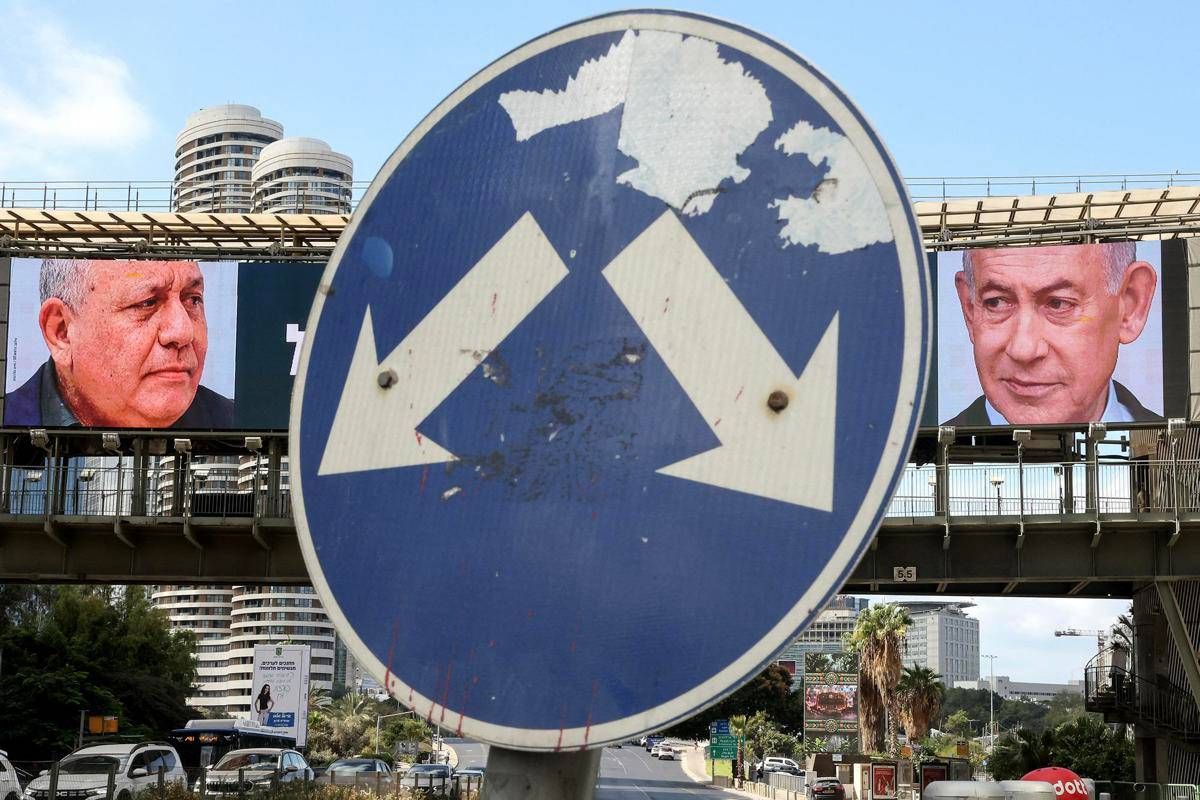
Elezioni in Israele, affluenza record al 66,7% ore 18: oltre 4,8 milioni al voto
La partecipazione supera di quasi nove punti percentuali quella registrata alla stessa ora nel 2022. La Commissione elettorale avverte che...

Olbia, uomo ucciso a coltellate in pieno centro: caccia all’aggressore
L’omicidio è avvenuto nel pomeriggio di oggi martedì 27 ottobre. La vittima sarebbe originaria del Barese Un uomo è stato...
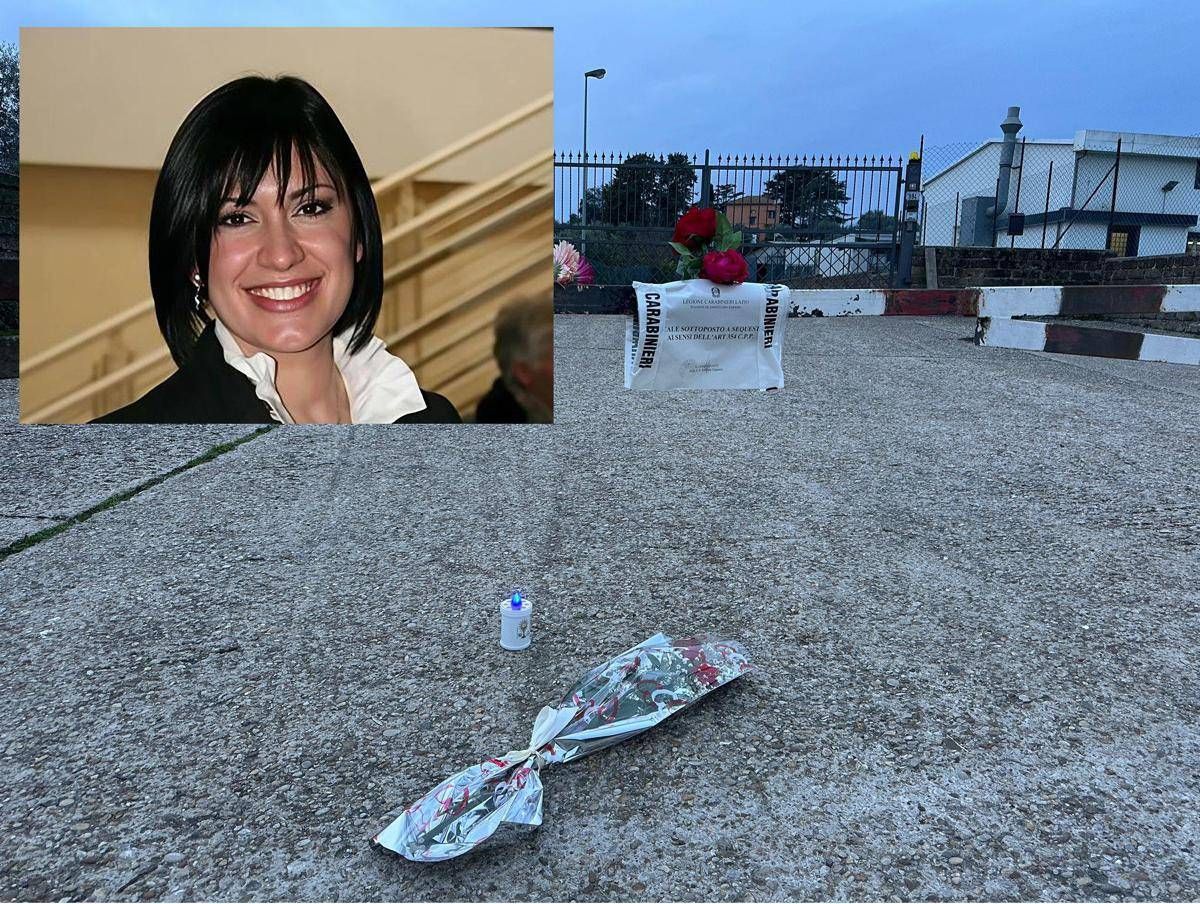
Caso Torzullo, la difesa contesta la legge sul femminicidio: il processo va avanti
Gli avvocati di Claudio Carlomagno hanno invocato il principio di uguaglianza e denunciato «opacità» nella norma. Le parti civili si...


Putin sente Finlandia e Norvegia, l’Italia: «L’Europa non sa chi la rappresenta»
Dopo il colloquio di 90 minuti con Alexander Stubb e Jonas Gahr Store, Palazzo Chigi denuncia l’assenza di un mandato...


Reggio Emilia, tentata violenza sessuale nei bagni di un centro commerciale: arrestato 22enne
L’uomo, già sottoposto al divieto di dimora in città per una tentata rapina, è stato identificato dalla Squadra Mobile dopo...

Sgarbi, migliora la respirazione dopo il ricovero: al via la riabilitazione
Il 74enne è ancora sottoposto a tracheostomia, ma i medici hanno disposto il trasferimento dalla Terapia intensiva al reparto di...


UK Emergency Preparedness Campaign Triggers Run on Survival Supplies
After the British government urged households to prepare for potential national emergencies, retailers selling emergency gear saw demand surge almost...


Marano, bambino di 5 anni afferrato davanti casa: la madre lo salva e dà l’allarme
La donna si è precipitata in strada dopo aver visto uno sconosciuto trattenere il figlio. I carabinieri hanno identificato un...

Brasile, il partito di Bolsonaro riconosce la vittoria di Lula
Flavio Bolsonaro rinuncia a chiedere l’annullamento del voto, ma annuncia un ricorso per invalidare la candidatura del presidente rieletto. Il...

Oleshky, cessate il fuoco dal 27 ottobre: nuovi attacchi russi a Kiev
Oleshky, cessate il fuoco dal 27 ottobre per un’operazione umanitaria. Intanto gli attacchi russi provocano morti e feriti a Kiev...