
International-News
Baltic Sea: Nato strengthens military presence against Russian sabotage
Nato launches a new monitoring mission in the Baltic Sea to protect critical infrastructure from sabotage attributed to Russia, with the use of naval drones and advanced technologies
Nato has announced a significant increase in its military presence in the Baltic Sea to counter security threats to critical infrastructure such as submarine cables and energy pipelines. Aircraft, ships, satellites and a small fleet of submarine drones will be deployed in a new monitoring mission, aimed at preventing attacks and sabotage, believed to be linked to Russia’s so-called ‘shadow fleet’. This was stated by NATO Secretary General Mark Rutte at a press conference after a meeting with the leaders of the Baltic States.
The mission will be coordinated by US General Christopher Cavoli and will include the use of advanced technologies for monitoring maritime traffic. The operation was launched in response to a series of suspicious incidents involving submarine cables and vital infrastructure in the Baltic region, including sabotage attributed to Russia.
Rutte pointed out that ‘several submarine cables have been damaged in recent months’, highlighting that this infrastructure is crucial not only for energy supply, but also for global internet traffic and financial transactions, which amount to USD 1.3 trillion per day. According to Rutte, the increasing number of suspicious incidents, including damage to cables and sabotage, is part of a strategy of destabilisation by Russia against Europe, which includes cyber attacks and assassination attempts.
During the meeting, the Baltic NATO countries agreed to set up a group of legal experts to study legitimate actions that can be taken in international waters in case of threats to freedom of navigation. Finnish President Alexander Stubb reiterated the importance of deterrence and cooperation between the allies, announcing that ‘the capacity and willingness to act has increased’.
The most recent example of such incidents concerns a Russian tanker seized in December by Finnish authorities for suspected damage to submarine cables, including the Estlink 2 power cable and four telecommunication cables between Finland and Estonia.
THE LATEST NEWS
[recent_post_slider design=”design-07″ show_author=”false” slider_height=”390″ lazyload=”progressive” limit=”6″ category=”11728″]
(Photo: © AndKronos)

MotoGP Australia, Marquez in pole: griglia di partenza e orari tv
Il GP di Phillip Island scatta domenica 25 ottobre alle 4 ora italiana. Diretta esclusiva su Sky, differita in chiaro...

Torino, scontri al corteo contro il riarmo: cariche e lancio di oggetti
I manifestanti hanno tentato più volte di superare i blocchi delle forze dell’ordine nel centro città. Nuovi momenti di tensione...

Cassano allo Jonio, agguato al boss Damiano Pepe: uccisa la moglie
L’uomo, 64 anni, è rimasto gravemente ferito ed è ricoverato all’ospedale di Cosenza. I sicari hanno aperto il fuoco contro...


Ora solare, lancette indietro stanotte: risparmi e novità per il 2027
Nella notte tra sabato 24 e domenica 25 ottobre si torna all’ora solare. Intanto, alla Camera si valuta il superamento...
Movimento 17 ottobre, indagato Youssef Siher: perquisito a Milano
Il trentenne, giornalista freelance e attivista pro Pal originario di Brescia, è indagato per istigazione a delinquere. Piantedosi lo indica...

Kim Jong-un riappare in Cina dopo le voci sulla sua possibile morte
Il leader nordcoreano è arrivato a Dandong attraversando il nuovo ponte sul fiume Yalu. La notizia è stata riferita da...
Ostia, esplosione in una palazzina di cinque piani: evacuate 11 famiglie
L’incidente è avvenuto ieri sera, intorno alle 21.40, in via dei Velieri. Una persona è rimasta ferita Undici famiglie sono...
Manifestazioni del 24 ottobre, allerta sicurezza in tutta Italia: 100 perquisiti
Circa cento persone, tra cui 51 minorenni, sono state perquisite in 18 città dopo i disordini del fine settimana scorso....
Mondiale MotoGp, Marquez allunga in vetta dopo il successo australiano
Il pilota Ducati sale a 365 punti, mentre Alex Marquez chiude secondo la Sprint. Il duello per la testa della...

UPDATE Ukraine Confirms Oleshky Ceasefire as Humanitarian Corridor Set to Open in Russian-Occupied Town
Kyiv formally backs the localized truce announced by the White House, paving the way for civilian evacuations and aid deliveries...

AGGIORNAMENTO Ucraina, accordo per il cessate il fuoco a Oleshky: c’è la conferma di Kiev
La tregua è prevista dal 27 ottobre nella cittadina sulla riva sinistra del Dnipro, di fronte a Kherson, a soli...

Eni proroga il price cap, ma il gasolio è aumentato di 65 centesimi da febbraio
Il tetto resta fissato a 2,25 euro al litro per il diesel e a 1,99 euro per la benzina. La...
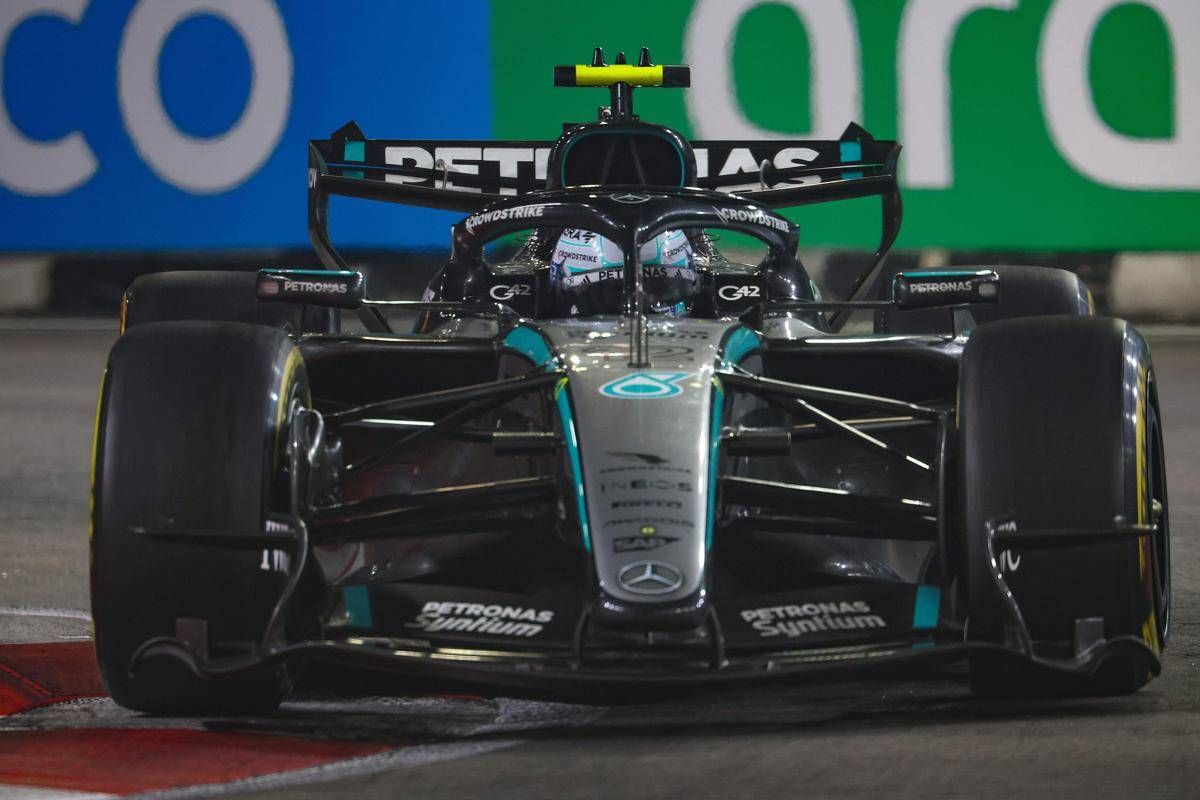
F1 Austin, orari e dove vedere le qualifiche Sprint in tv
Venerdì 23 ottobre la Formula 1 torna in pista negli Stati Uniti: appuntamento alle 23 per decidere la griglia della...

Omicidio a Vergiate, 53enne uccide la compagna e si costituisce
La donna, 36 anni e originaria della Colombia, è stata trovata morta nella camera da letto a Vergiate. L’uomo si...

“Putin Can Kill Anyone”: Pussy Riot’s Warning to Europe
In an interview with Adnkronos ahead of the Italian return of Riot Days, Pussy Riot members Masha Alyokhina, Eric Breitenbach,...
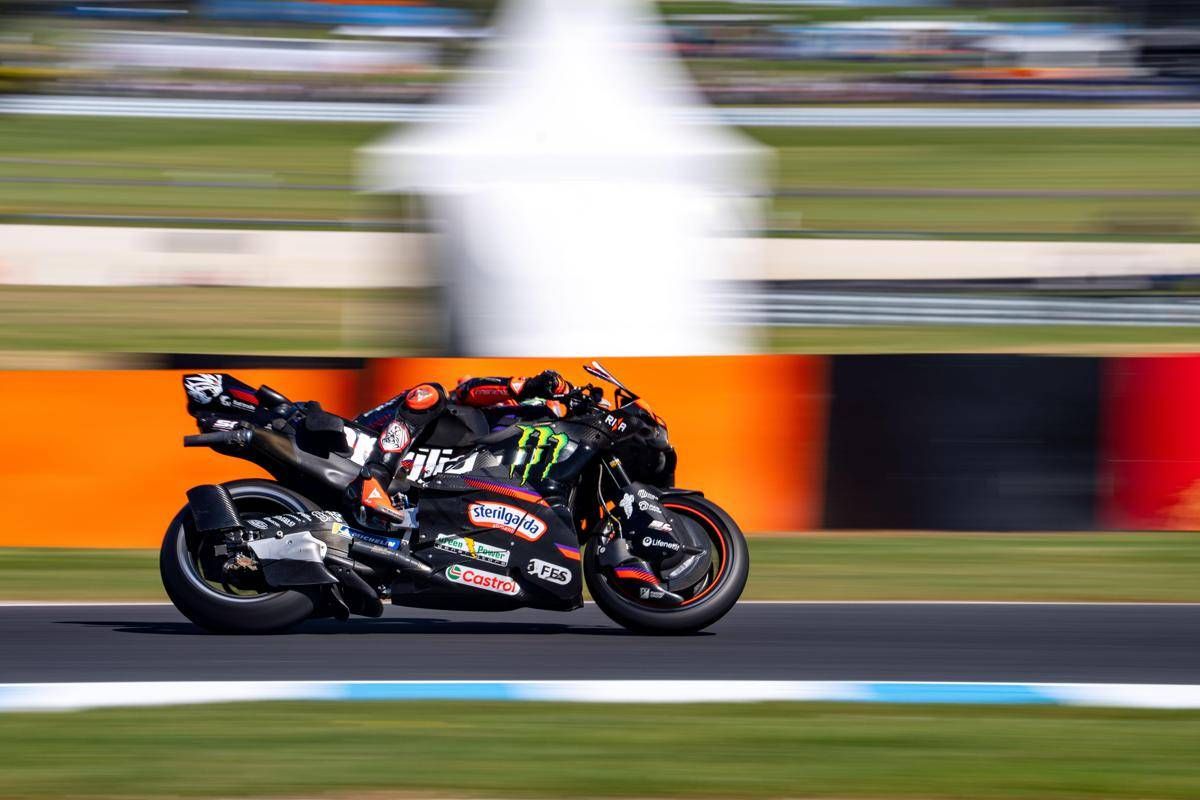
MotoGP Australia, orari e dove vedere qualifiche e Sprint in tv
Si corre a Phillip Island sabato 24 ottobre: in programma le qualifiche ufficiali e la gara che assegna i primi...