
International-News
Climate Extremes Enter a New Era as El Niño Raises Global Risks
At COP31 in Turkey, U.N. Secretary-General António Guterres is urging governments to accelerate climate action
An exceptionally powerful El Niño is developing over an already overheated planet, raising the prospect of more intense heatwaves, droughts and destructive storms well into 2027. The warning comes as the United Nations reports another year of exceptional global temperatures, with 2026 on course to rank among the four warmest years since records began.
The scale of the threat has prompted U.N. Secretary-General António Guterres to issue a stark appeal to world leaders gathering in Antalya, Turkey, for the COP31 climate conference.
“We have entered a new age of climate extremes. A supersized El Niño is colliding with a planet already superheated by manmade climate change,” Guterres said in a statement. He urged governments to take the situation seriously, accelerate emissions reductions and ensure that vulnerable countries receive the financial assistance and protection they need.
His warning coincides with the release of the World Meteorological Organization’s latest State of the Climate Update 2026, which paints a picture of a climate system accumulating heat at an accelerating rate, with consequences extending far beyond rising air temperatures.
The figures underline the scale of the change. The past 12 years, from 2015 through 2026, are expected to be the warmest on record, while the four years from 2023 to 2026 occupy the top four positions. Between January and September this year, the global average surface temperature stood approximately 1.47 degrees Celsius above the pre-industrial average.
That figure could rise further before the end of the year as El Niño strengthens.
El Niño could intensify the crisis through 2027
The developing El Niño is particularly concerning because of its potential to amplify an already established warming trend. The natural climate phenomenon releases heat stored in the tropical Pacific Ocean, adding to the temperature increases driven by human-generated greenhouse gas emissions.
According to the WMO, the current episode has intensified since August and could reach unprecedented strength by December. Between November 2026 and January 2027, sea surface temperatures in the tropical Pacific could approach 3.8 degrees Celsius above average, nearly four times the threshold used to declare an El Niño event.
Its consequences are unlikely to be confined to the final weeks of this year. El Niño typically has its greatest influence on global temperatures during the year following its development, raising concerns that 2027 could bring another record-breaking period.
The effects are already visible across several indicators. Ocean heat has reached a record for the tenth consecutive year, while global sea levels have climbed to their highest point since satellite measurements began in 1993. The accumulation of heat in the Earth’s climate system has also reached unprecedented levels.
These conditions increase the risks associated with extreme weather, including prolonged heatwaves, tropical cyclones, droughts and intense rainfall. The WMO warns that these phenomena are becoming more severe, with their impacts outpacing historical expectations.
The human cost of a warming planet
The consequences are increasingly apparent in people’s lives, economies and essential infrastructure. Millions have been exposed to dangerous heat during 2026, while extreme weather has contributed to deaths, displacement, agricultural losses and growing pressure on water supplies.
Europe experienced particularly severe heatwaves, droughts and wildfires, with preliminary estimates pointing to more than 30,000 excess deaths. Dangerous temperatures also affected India, Pakistan and large parts of Asia and North America.
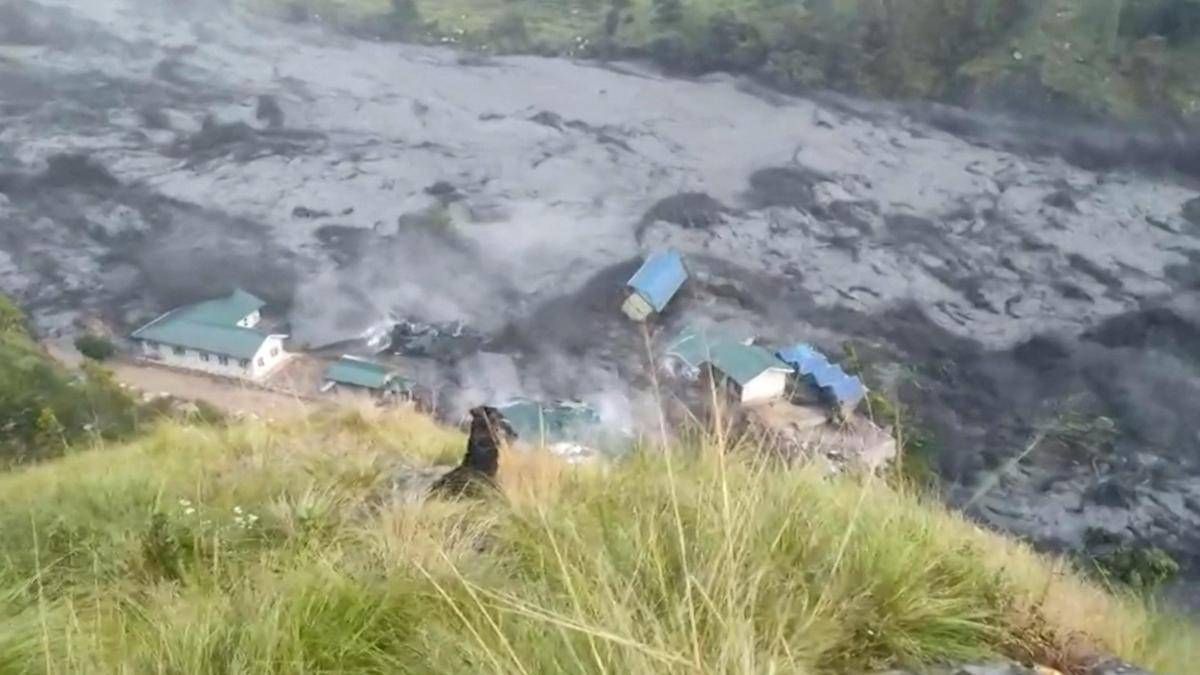
In the Himalayas, a catastrophic glacier and rock collapse followed by flash flooding in Nepal highlighted the growing dangers facing communities in mountainous regions. The disaster killed more than 1,300 people, according to the WMO assessment.
The risks extend beyond individual weather events. Rising ocean temperatures affect marine ecosystems and intensify tropical storms, while melting glaciers and ice sheets contribute to rising sea levels. The WMO estimates that around 900 million people living along low-lying coastlines face increasing exposure to these changes.
Freshwater resources are also under pressure. Water stored on land, including in groundwater, rivers, reservoirs, soil and glaciers, has declined globally since 2014, adding another layer of vulnerability for communities already exposed to extreme temperatures and changing rainfall patterns.
Guterres calls for faster action at COP31
Against this backdrop, the climate summit in Antalya faces renewed pressure to turn international commitments into concrete measures.
Guterres has called on governments to reduce greenhouse gas emissions more rapidly, accelerate a just transition away from fossil fuels and provide the funding needed to protect countries most exposed to climate-related disasters.
His appeal highlights a persistent divide in international climate negotiations: countries that have contributed least to global warming are often among those facing its most severe consequences, while lacking the financial resources to prepare for them or recover from disasters.
The WMO’s report also stresses the importance of strengthening early-warning systems. The number of countries reporting the existence of multi-hazard early-warning systems increased from 56 in 2015 to 136 in 2025, demonstrating that international cooperation can improve preparedness and save lives.
But forecasting alone cannot prevent the consequences of a rapidly changing climate. Governments also need sustained investment in weather observations, scientific research and the infrastructure required to protect vulnerable populations.
The challenge facing COP31 is therefore not simply to acknowledge the latest temperature records, but to establish how quickly countries are prepared to act.
As El Niño threatens to intensify the effects of global warming into 2027, the warning from the United Nations is increasingly difficult to ignore: climate extremes are no longer an exceptional prospect, but a growing reality for populations around the world.
(Photo: © AndKronos)


Trump Renews Attacks on Midterm Election Results After GOP Defeat
The president questions the integrity of the Nov. 3 vote on Truth Social, targeting early ballot counts and voting machines...

Energia, completato il Dl Bollette: cosa cambia da gennaio
Il Consiglio dei ministri approva il nuovo meccanismo di rimborso dei costi del gas usato per produrre elettricità, dopo il...

Israele, Eisenkot cerca una maggioranza ma Lieberman può far saltare tutto
Il leader di destra sarebbe pronto a far cadere un eventuale esecutivo di minoranza sostenuto dalla Lista Araba Unita. Sullo...

Car Crashes Near White House, Triggering Secret Service Lockdown
The vehicle struck an information sign near Lafayette Park, prompting agents to secure the area and move journalists indoors. President...

Cyberattacchi in Europa, la Francia punta il dito contro Teheran
Parigi denuncia una nuova offensiva contro le infrastrutture nazionali e chiede una risposta coordinata. Tajani invoca l’unità del G7 e...
Climate Extremes Enter a New Era as El Niño Raises Global Risks
At COP31 in Turkey, U.N. Secretary-General António Guterres is urging governments to accelerate climate action An exceptionally powerful El Niño...

Iran Signals Openness to Talks as Trump Weighs New Military Options
Supreme Leader Mojtaba Khamenei has instructed Tehran to end its standoff with Washington, President Masoud Pezeshkian says. But disagreements over...
Joe Biden memoir takes aim at Trump as cancer limits book tour
An advance excerpt published by The Atlantic reveals Biden’s account of his post-election meeting with Trump in 2024 and delivers...

Meghan Markle Offers to Help FBI in Case Against Her Father
The investigation into Thomas Markle Sr. spans three countries and involves allegations of child sexual abuse material. The Duchess of...

Ungheria, arrestato il fratello di Viktor Orbán per tratta di esseri umani
Áron Orbán è stato fermato nell’ambito di un’inchiesta su un presunto traffico di influenze legato al rilascio di visti di...

Operaio investito sull’A11 durante i lavori in un cantiere
L’incidente è avvenuto nella notte nei pressi di Prato Est, in direzione Mare. L’automobilista si è fermato per soccorrere il...

Trump esclude nuovi attacchi all’Iran: «Altamente improbabili» ma…
La Casa Bianca punta a un accordo sul nucleare e sulla riapertura dello Stretto di Hormuz. Tre portaerei Usa sono...

Sparatoria di Cracovia, morto in ospedale l’attentatore
Michal Oksinski era stato ferito dalla polizia dopo aver sparato sulla folla nella piazza del Mercato. Sei le persone uccise...

Norris vince in Brasile, la Mercedes conquista il Mondiale Costruttori
Verstappen e Hadjar completano il podio, mentre Antonelli chiude quinto. Ferrari lontane dai primi La Mercedes ha un nuovo titolo...

Bezzecchi vince il Gran Premio del Qatar, Marquez rimanda il titolo
L’Aprilia conquista Lusail dopo la caduta nella Sprint. Lo spagnolo della Ducati chiude secondo e precede Raul Fernandez Dalla caduta...

Missile Attack Damages Saudi Aramco Building in Riyadh
Falling debris from intercepted missiles struck an administrative building in the Saudi capital, causing limited damage and no casualties. Yemen’s...
You must be logged in to post a comment Login