
International-News
Waymo Pulls Robotaxis From U.S. Highways After Safety Concerns
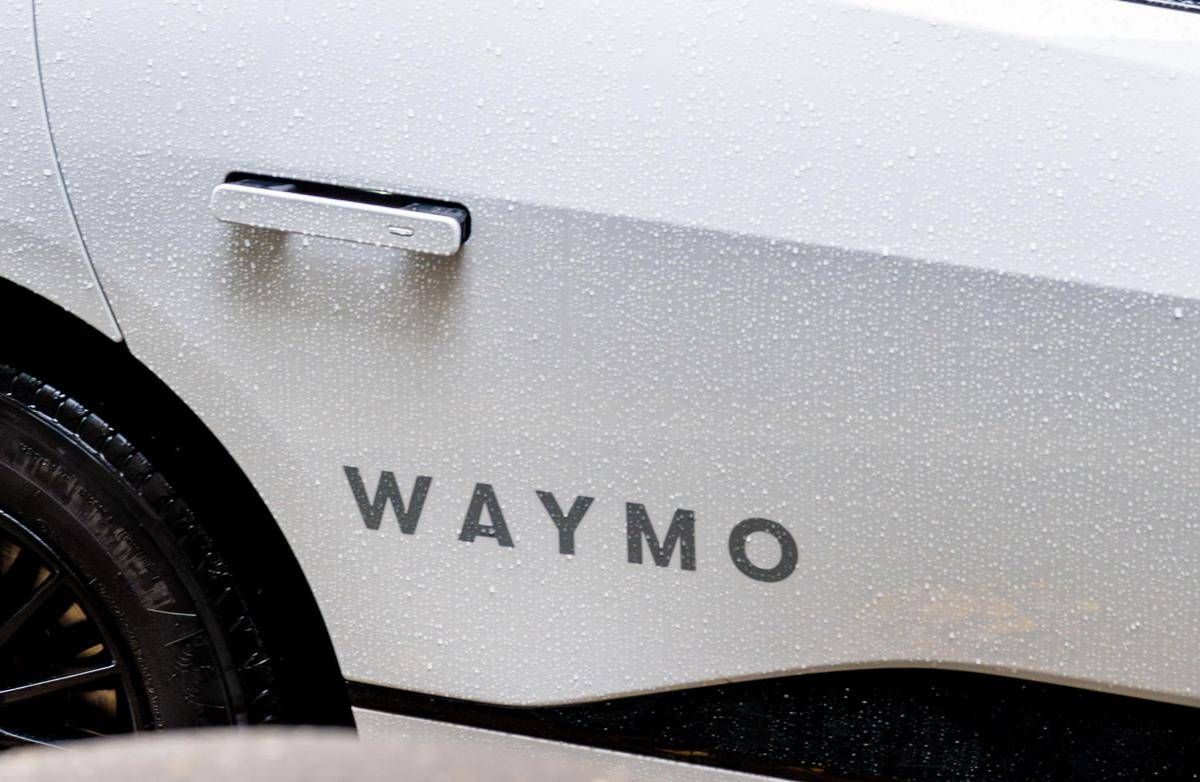
The Alphabet-owned company has suspended highway operations in four major U.S. markets after California regulators cited incidents involving police escorts and active construction zones
Waymo is pulling its driverless taxis off U.S. highways after a series of incidents prompted California regulators to intervene, raising fresh questions about whether autonomous vehicles are ready to operate safely in some of the country’s most demanding driving environments.
The suspension extends beyond California to Phoenix, Miami and Austin, where the Alphabet-owned company had been authorized to operate its robotaxis on highways. A Waymo spokeswoman said the company had temporarily restricted highway operations nationwide to evaluate its performance.
The immediate trigger was a series of episodes that California’s Department of Motor Vehicles (DMV) said posed an unacceptable risk to public safety. The agency temporarily barred Waymo vehicles from using highways last Wednesday, with the restriction set to remain in place until the company implements effective corrective measures.
Among the incidents drawing scrutiny was a confrontation captured on video on a San Francisco-area highway and widely circulated online last week. Two police vehicles, their emergency lights activated, were escorting a construction truck moving slowly along the road. A Waymo robotaxi approached at speed and attempted to pass the police cars on the left. After an officer blocked the maneuver, the autonomous vehicle tried again, this time attempting to overtake the escort on the right.
The episode was not an isolated case. Near Burlingame, in the San Francisco Bay Area, three Waymo vehicles entered an active construction zone that had been closed to traffic, according to a DMV spokesman. The incidents prompted regulators to question the system’s ability to interpret temporary traffic restrictions and respond appropriately to unusual road conditions.
The DMV said Waymo’s driverless highway operations represented an imminent threat to public safety. Its decision places the company under pressure to demonstrate that its technology can reliably handle situations in which ordinary traffic patterns are disrupted by police activity, roadworks or other unexpected obstacles.
Waymo has sought to put the incidents in perspective, stressing that the episodes near Burlingame caused neither injuries nor collisions. The company also points to the scale of its operations: it currently provides about 500,000 rides a week and says the rate of serious crashes involving its vehicles is 95% lower than that recorded by human drivers.
Those figures, however, do not resolve the regulatory concerns surrounding the specific incidents. The dispute highlights a central challenge for the autonomous-vehicle industry: performance across hundreds of thousands of routine journeys does not necessarily guarantee safe behavior in unusual or tightly controlled traffic situations.
The timing is significant for Waymo, which is seeking to expand its international footprint. The company has been testing its vehicles in London since 2026 and plans to enter Germany, with Munich as its target city, and Spain, beginning with Madrid, in 2027.
The highway suspension therefore reaches beyond the four U.S. markets affected. As robotaxi operators prepare to bring autonomous driving technology to more cities and countries, their ability to demonstrate reliable responses to real-world emergencies and changing road conditions is becoming a central test of public trust and regulatory approval.
(Photo: © AndKronos)










You must be logged in to post a comment Login