
International-News
Iran’s Nuclear Taboo Is Crumbling as Hardliners Push for the Bomb
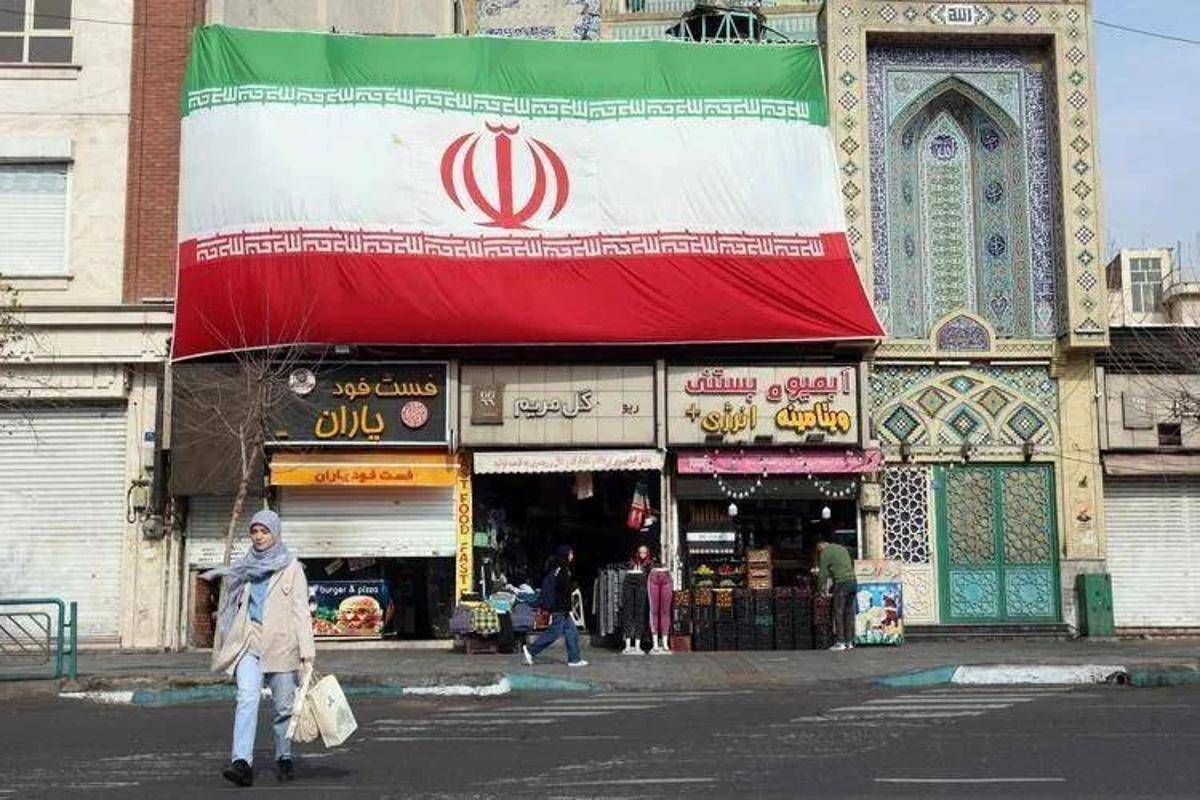
The death of Ali Khamenei, the war involving the United States and Israel, and uncertainty over the new supreme leader’s intentions have fueled the most overt debate in years over whether Tehran should abandon its long-standing opposition to nuclear weapons
A question that for years was largely confined to whispers in Iran’s political establishment is now being debated in public: Should the Islamic Republic build a nuclear weapon?
According to the Financial Times, voices from the regime’s most hardline factions are increasingly arguing that the answer is yes. What was once considered politically untouchable has gained new momentum following the war involving the United States and Israel and the death of Supreme Leader Ali Khamenei, two developments that have reignited discussion over the future of Iran’s nuclear doctrine.
For decades, openly advocating a nuclear arsenal meant challenging one of the central pillars of the Islamic Republic’s official position. Khamenei had issued a fatwa against nuclear weapons, making public support for a bomb not only politically sensitive but also a direct challenge to the authority of the country’s highest religious and political figure.
That constraint appears to be weakening.
Khamenei’s successor and son, Mojtaba Khamenei, has yet to publicly clarify whether he intends to uphold his father’s stance. The absence of a clear signal from the new supreme leader has created room for hardliners to advance arguments that would once have remained on the margins of public debate.
Among them is Davoud Modarresian, a political commentator close to ultraconservative circles, who this month framed the issue in stark terms.
“The latest military data have shown that acquiring nuclear weapons for Iran is not an ambition but a necessity more important than bread,” he wrote.
The discussion extends beyond the bomb itself. Some hardline figures are also revisiting the idea of withdrawing from the Nuclear Non-Proliferation Treaty, arguing that the agreement no longer serves the interests of the Islamic Republic. While such a move remains hypothetical, the fact that it is being openly discussed illustrates how far the conversation has shifted.
Hints of a possible doctrinal change have also emerged from within official institutions. Hassan Ghashghavi, spokesman for the Iranian Parliament’s National Security Commission, suggested last month that the country’s new supreme leader could issue a different religious ruling on nuclear weapons.
“No one can stop him,” Ghashghavi said.
Supporters of a tougher nuclear posture argue that Iran needs what they describe as a “complete deterrence cycle,” a capability they believe would reduce the risk of future military attacks and strengthen Tehran’s position against foreign pressure. Some point explicitly to North Korea as an example of how a nuclear arsenal can discourage outside intervention.
Yet the growing debate does not reflect a consensus.
Hossein Marashi, a prominent reformist figure, has warned against making nuclear advances the country’s overriding priority. In remarks carried by Iranian media, he argued that safeguarding Iran and preserving the Islamic Republic are more important than protecting enrichment activities or nuclear achievements.
The divide reflects a broader strategic question confronting Tehran after the recent conflict. Ali Vaez of the International Crisis Group noted that the war has strengthened the camp that views nuclear weapons as the ultimate insurance policy for a state that sees itself exposed to existential threats.
At the same time, Vaez suggested that Iran may choose a less dramatic path. Rather than openly pursuing a bomb, Tehran could seek to preserve its nuclear infrastructure and use it as leverage in negotiations aimed at obtaining economic and security concessions.
For now, the Financial Times reports that there is no indication Iran has decided to build nuclear weapons. Two senior Iranian officials also told the newspaper that leaving the Nuclear Non-Proliferation Treaty is not an immediate priority.
One of them nevertheless left the door open to future change.
“Our policy on the NPT has not changed yet, but that does not mean it cannot change in the future.”
What would have been unthinkable in Iran only a few years ago is now part of an increasingly open power struggle over the country’s strategic future: whether deterrence can continue to rest on nuclear capability without a weapon, or whether the Islamic Republic should cross a line it has officially resisted for decades.
THE LATEST NEWS
[recent_post_slider design=”design-07″ show_author=”false” slider_height=”390″ lazyload=”progressive” limit=”6″ category=”11728″]
(Photo: © AndKronos)


Scuole chiuse per maltempo, allerta rossa in Toscana e arancione in Liguria
La Protezione civile segnala forti criticità per venerdì 13 novembre. Numerosi sindaci hanno disposto la sospensione delle lezioni: ecco i...

U.S. Donbas Border Plan Could Give Putin a Paper Victory
American negotiators have reportedly proposed redrawing the administrative boundaries of Donetsk and Luhansk so Moscow could claim the entire region...
11-Month-Old Boy Found Alive Buried in Dog Crate in South Carolina
Koah Sharpe was believed to have been underground for 24 hours after disappearing with his 25-year-old father. Nearly 100 rescuers...

Giornata nazionale degli abiti storici, un mese per riscoprirli
Dall’11 novembre all’11 dicembre iniziative da Nord a Sud. Il Ministero del Turismo lancia il Calendario Unico Nazionale per dare...


Allarme bomba in scuole italiane da nord a sud, dubbi su origine e regia email
Gli investigatori valutano l’ipotesi di un’unica centrale di coordinamento. L’indirizzo del mittente rimanda a un’università di Taiwan, ma potrebbe essere...
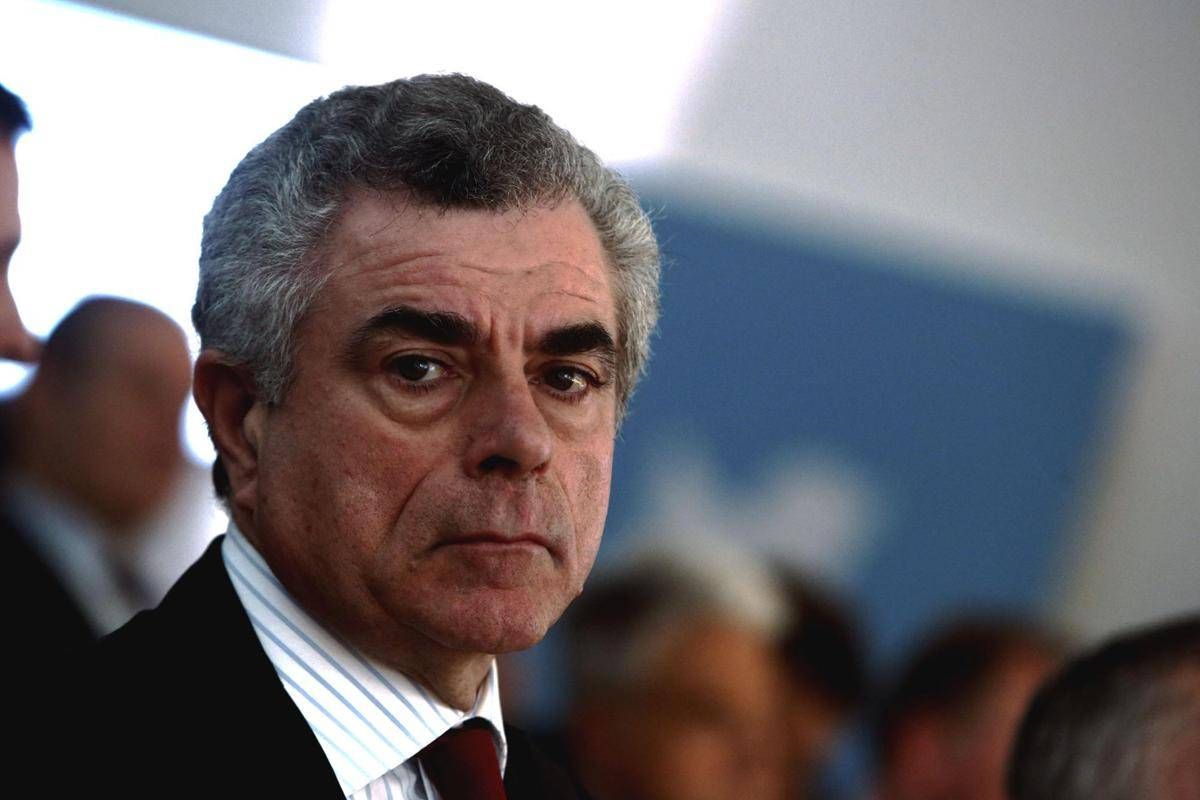
Strage di Viareggio: Moretti dal carcere i domiciliari, rabbia parenti vittime
Il giudice di sorveglianza ha accolto la richiesta dei legali dell’ex ad di Ferrovie dello Stato, che ha compiuto 73...

Trump-Netanyahu Iran Tensions Expose Rift Over Renewed War
A reportedly explosive phone call between the two leaders has highlighted disagreements over whether to resume military action against Tehran....
Stacy Keach, the Actor Behind Mike Hammer, Dies at 85
The American actor, who also held Polish citizenship, built a career spanning Broadway, Hollywood and television, earning a Golden Globe...
House Rejects Pete Hegseth Impeachment Bid; Trump Celebrates
The 211-204 vote defeats a resolution introduced by Republican Thomas Massie, who accused the defense secretary of abusing his authority...
Impeachment di Pete Hegseth, la Camera boccia la procedura
La risoluzione è stata respinta con 211 voti contrari e 204 favorevoli. A favore del segretario alla Difesa quasi tutto...

Terremoto in Sicilia, scossa di magnitudo 4.1 al largo della costa
Il sisma è stato registrato alle 6.12 a una profondità di 8 chilometri. Nella stessa area altre cinque scosse, l’ultima...
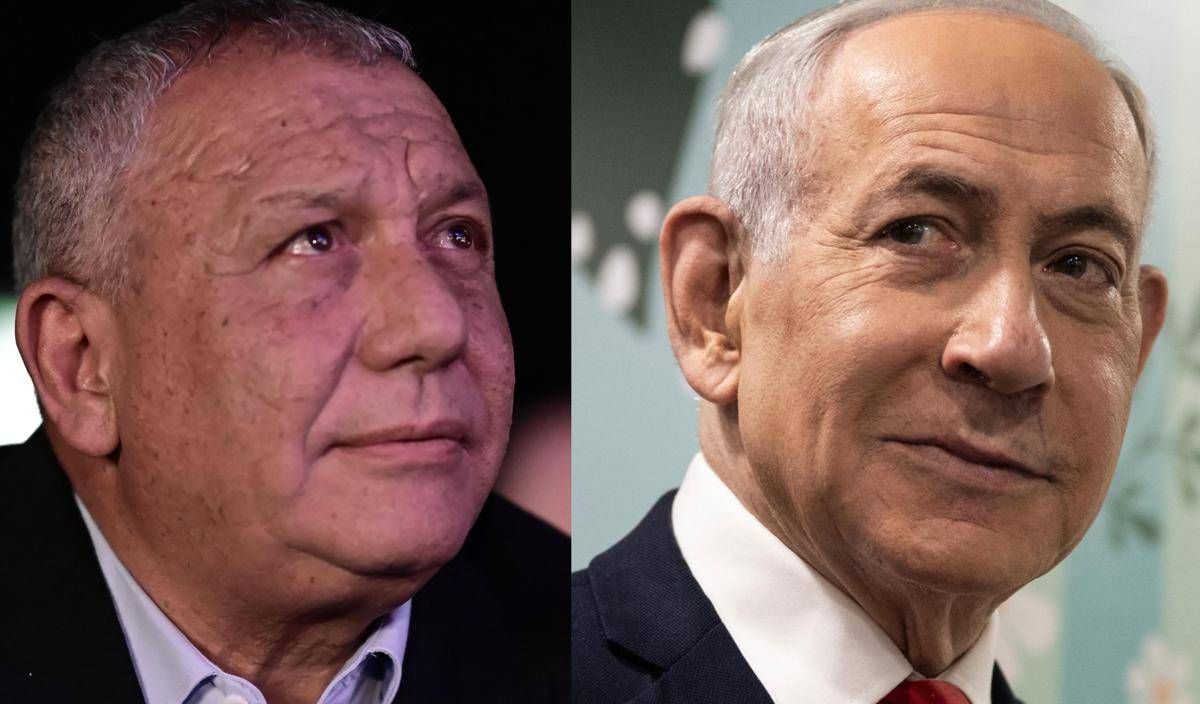
“Delusional, Divisive and Shameful”: Eisenkot Turns on Netanyahu
The Yashar leader says the caretaker prime minister is unfit to remain in office and has called off a meeting...

“Your Ratings Are a Loser”: Trump Mocks CNN’s Kaitlan Collins VIDEO
The president lashed out at the CNN correspondent after she asked whether he would keep Defense Secretary Pete Hegseth if...
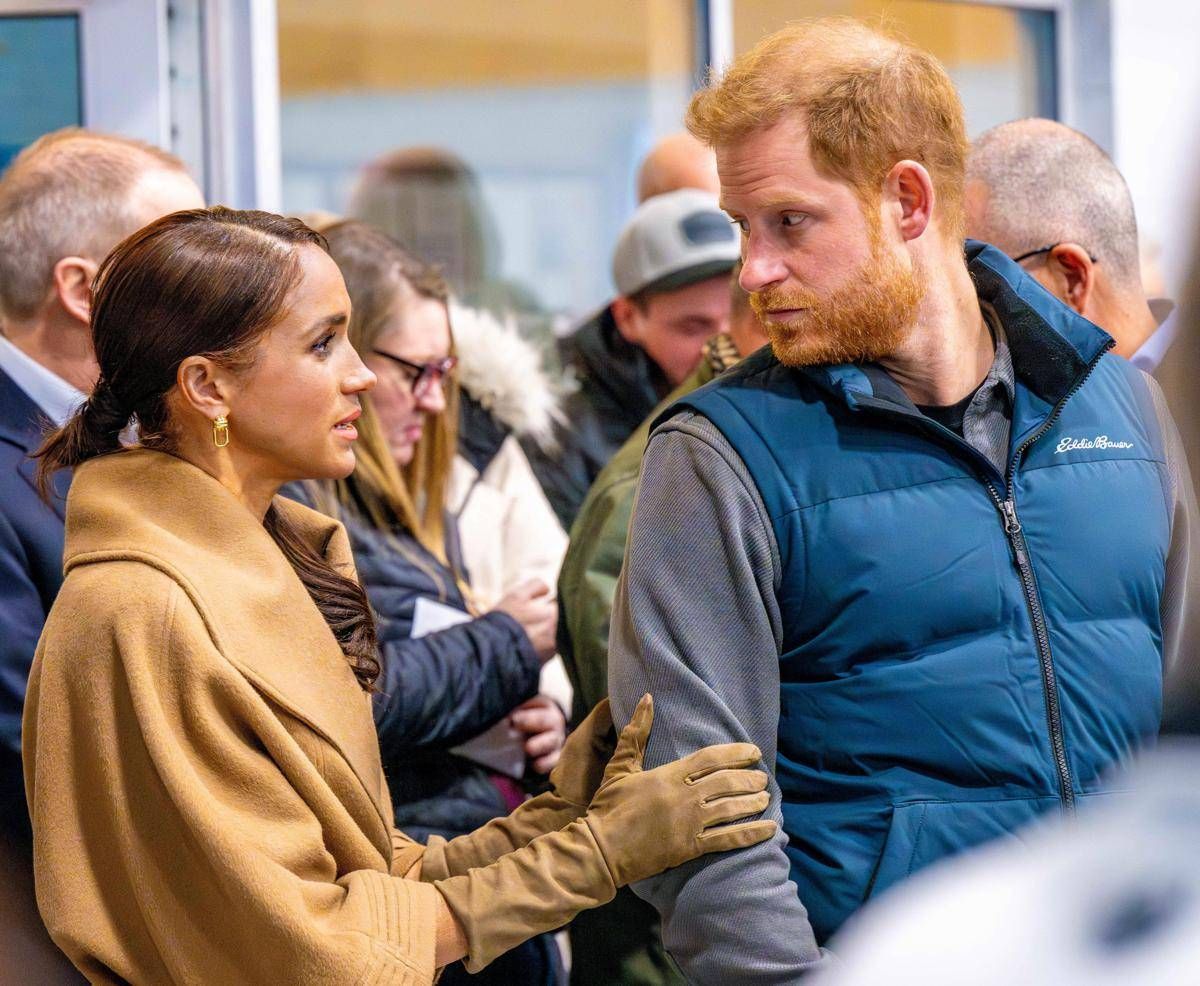
Thomas Markle Ordered to Undergo Mental Competency Exam
The 82-year-old father of Meghan, Duchess of Sussex, faces federal charges involving alleged possession of child sexual abuse material. A...

Martina Carbonaro, in aula i genitori. Tucci: «Non ero in me»
La testimonianza si è svolta dietro un paravento. A fine udienza i familiari della ragazza hanno rivolto parole durissime all’imputato...


Allerta meteo 11 novembre, arancione in Emilia-Romagna
La Protezione civile segnala rischio idrogeologico sulla montagna emiliana centrale. Allerta gialla anche in Liguria e Toscana per temporali, rischio...