International-News
World Remains Unprepared for the Next Pandemic, Lancet Commission Warns
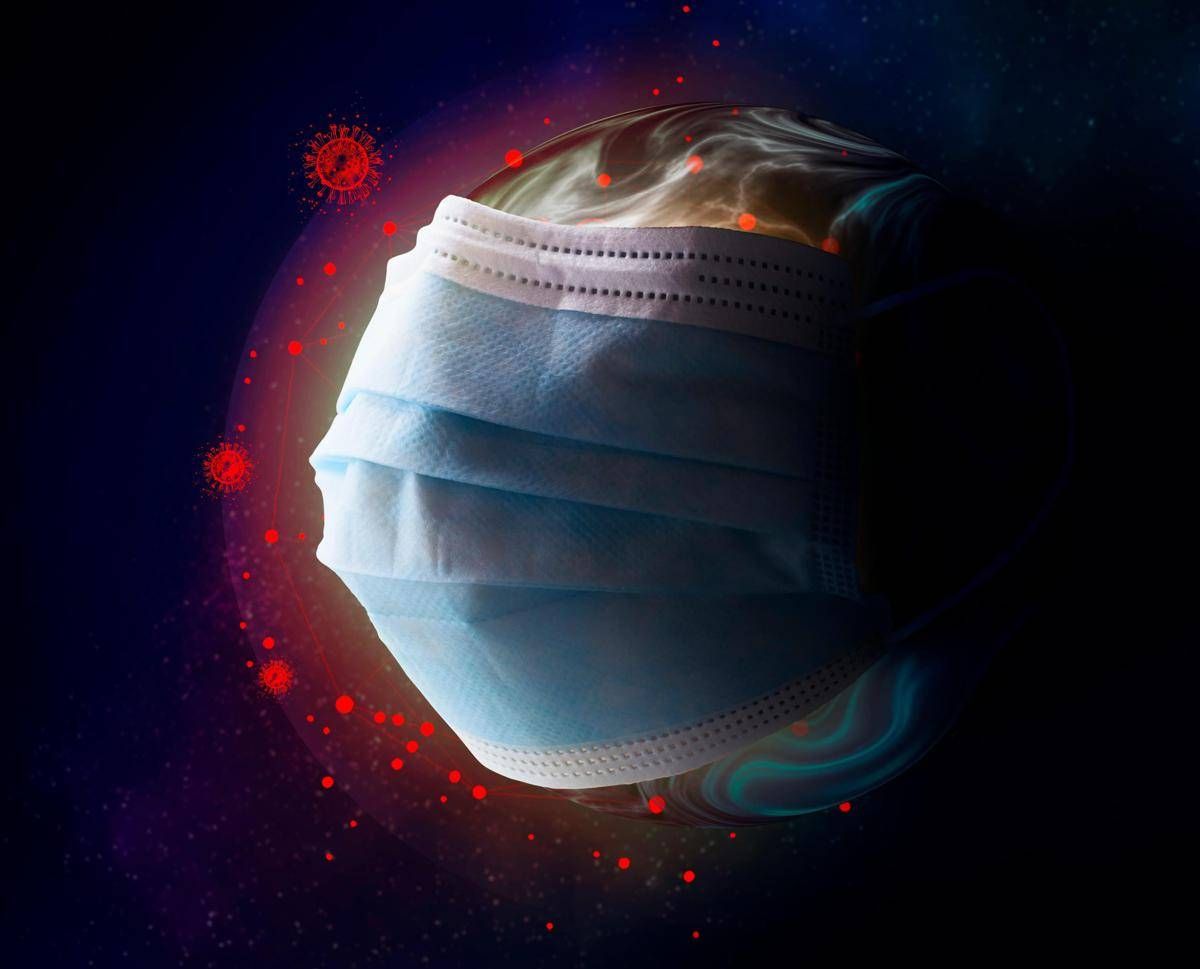
Nearly seven years after the first COVID-19 infections emerged, researchers say governments have failed to address the structural weaknesses exposed by the crisis, leaving the world vulnerable to another global health emergency
The world remains unprepared for the next pandemic. That is the stark conclusion of a major report released by the Prime Commission, an initiative of the National University of Singapore and The Lancet, which argues that the devastation caused by COVID-19 has already begun to fade from public memory despite leaving behind millions of deaths, shattered economies and profound social disruption.
The warning arrives as global health experts increasingly view another pandemic not as a remote possibility, but as an inevitability.
According to the commission, COVID-19 triggered one of the most consequential public health crises of modern times. The pandemic resulted in more than 7 million confirmed deaths and an estimated 28 million excess deaths worldwide, while exposing fundamental weaknesses across healthcare systems, governments and social safety nets.
Yet almost seven years after the first known spread of the novel coronavirus in China, the report argues that the international community has failed to convert those lessons into lasting preparedness.
Published ahead of the United Nations General Assembly and a high-level UN meeting on pandemic prevention, preparedness and response, the report calls for a wholesale rethink of how countries approach future health emergencies.
The commission contends that preparedness has been defined too narrowly for too long. Stockpiling protective equipment, strengthening laboratories, expanding surveillance systems and accelerating vaccine development remain essential tools, it says, but they are not enough.
True readiness, the authors argue, also depends on social protection policies, sustainable financing, regulatory frameworks, education systems, labor protections, food security and environmental governance.
At the center of the report is a people-first model that shifts the focus from institutions to the needs of individuals and communities. The objective is to ensure that populations are equipped not only to access medical care during a crisis, but also to protect livelihoods, preserve well-being and recover once the emergency has passed.
The commission also identifies international cooperation as a decisive factor in determining how many lives could be saved during a future outbreak.
Using a modeled influenza A pandemic scenario, researchers examined how geopolitical interests and unequal access to medical resources influence mortality outcomes. Their findings suggest that a vaccine distribution strategy based on public health needs rather than national advantage could reduce global mortality by 64%, limiting deaths to 21.2 million and saving an estimated 37.3 million lives.
Another of the report’s central arguments is that vulnerability should be understood as a characteristic of systems, not people.
The authors contend that inequities embedded in institutions, legislation, markets and governance structures often determine who is most exposed during a crisis and who is able to recover afterward.
Trust, they add, is equally critical and cannot be manufactured once an emergency begins. It is built gradually through effective leadership, credible institutions and reliable public services long before a crisis unfolds.
The report arrives amid ongoing efforts to strengthen the global health architecture created in the aftermath of COVID-19. While revisions to the International Health Regulations have moved forward, negotiations over a World Health Organization pandemic agreement continue to face significant divisions.
The commission questions whether political promises are being matched by meaningful action. Current discussions frequently invoke cooperation, equity, community engagement and resource mobilization, the authors note, yet often stop short of defining concrete obligations or measurable outcomes.
That gap becomes even more concerning, the report argues, as international health assistance comes under pressure and the World Health Organization confronts mounting challenges of its own.
Rather than limiting its work to recommendations, the Prime Commission says it plans to test and evaluate its framework in selected countries. Its stated aim is to move beyond what the report describes as the cycle of failed negotiations and largely symbolic declarations that have characterized much of the post-COVID debate.
The message running through the report is unambiguous: when the next pandemic arrives, it will be too late to start preparing.
THE LATEST NEWS
[recent_post_slider design=”design-07″ show_author=”false” slider_height=”390″ lazyload=”progressive” limit=”6″ category=”11728″]
(Photo: © AndKronos)