
International-News
Post-Assad Syria: one year after the fall of the regime
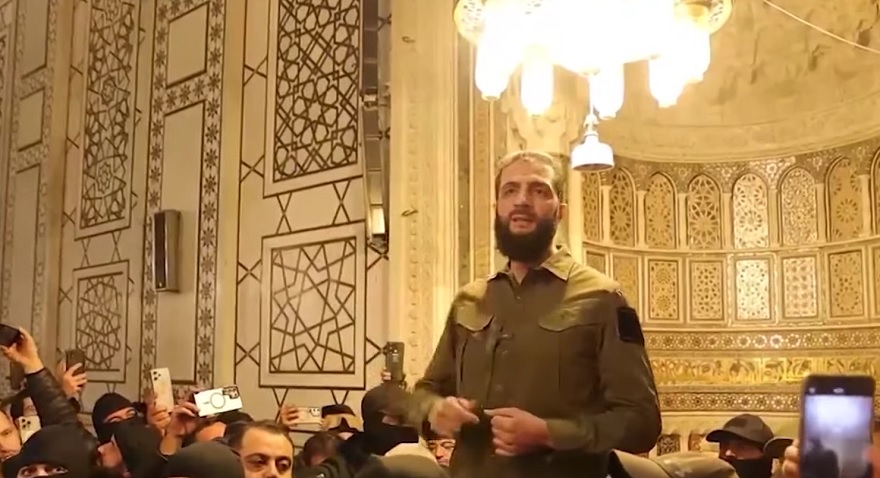
One year after the fall of Bashar al-Assad, al-Sharaa’s Syria celebrates Liberation Day amid international openings, economic crisis, sectarian violence and new dossiers on the crimes of the old regime
7 and 8 December have been designated by decree of the Syrian presidency as Liberation Day, commemorating the first anniversary of the fall of Bashar al-Assad’s regime. Ahmed al-Sharaa, the new leader, describes the anniversary as a defining moment in the country’s modern political history, evoking the swift and unexpected offensive that, on 8 December 2024, led to the collapse of one of the most bloody regimes in the Middle East.
Assad’s flight to Moscow was also made inevitable by the gradual disengagement of his two historic allies, Russia and Iran, both overwhelmed by internal conflicts and priorities that weakened their support for Damascus.
Diplomacy and international recognition: the return to the global stage
In his first year in office, al-Sharaa worked to reintegrate post-Assad Syria into the international arena after years of isolation. This strategy led to signs of openness from several Western countries, including the United States: his meeting with Donald Trump at the White House on 10 November last year marked the beginning of a process towards the easing of sanctions on Damascus.
The Gulf countries are also increasingly favourable towards the new course, after having supported — amid much ambiguity — various anti-Assad armed factions. Relations with Israel, however, remain cold, despite attempts to reactivate formal dialogue.
Post-Assad Syria between Ankara and the risk of a new sectarian order
Post-Assad Syria is seeking to redefine its geopolitical balance by forging a strategic alliance with Turkish President Recep Tayyip Erdogan. This alliance marks a break with the political and military dependence on Moscow and Tehran that developed during the Assad years.
Despite improved internal stability — no new large-scale conflicts in the last year — there are still fears about al-Sharaa’s methods of government. Many observers denounce the creation of parallel structures to the state and the appointment of trusted figures, including former jihadist comrades, to key positions.
Sectarian tensions and targeted violence
The situation of minorities remains critical. Two massacres carried out by pro-government forces against Alawite and Druze communities have reignited fears of a new Sunni elite domination. Al-Sharaa has condemned the attacks, but many communities remain wary.
Collapsing economy: a country without resources
Syria’s GDP has fallen by more than 70% since 2011. Millions of citizens live without essential services. In twelve months, the presidency has been unable to address the structural problems of the economy, but has attempted to preserve a fragile internal stability, even defying the predictions of those who feared the imposition of strict religious codes: in Damascus, bars, clubs and public spaces remain open.
Crimes of the Alawite regime: new evidence that is shaking post-Assad Syria
A new investigation by German public television has brought attention back to the crimes of the Assad regime: an archive of over 70,000 photographs and thousands of confidential documents, leaked by a former member of the army. The images, taken between 2015 and 2024, show 10,212 corpses — men, women, children and even a newborn baby — with clear signs of torture, malnutrition and systematic violence.
This documentation is likely to have serious political and legal repercussions for the country’s future.
The shadow of former loyalists: funding and destabilisation
From exile in Moscow, key figures from the old regime — including General Kamal Hassan and tycoon Rami Makhlouf — are reportedly funding militias with the aim of destabilising the new Syria. According to local sources, millions of dollars have already been sent to over 50,000 potential fighters, mainly in Alawite communities, fuelling the risk of new internal divisions.
Towards parliamentary elections: the decisive test
Elections for the new Parliament will be held in January, an event that could become the first real institutional counterweight after decades of personal power. Or, on the contrary, it could turn out to be a mere political formality.
The outcome of the elections will be crucial in determining whether post-Assad Syria will embark on the path of reform or slide into a new cycle of authoritarianism.
THE LATEST NEWS
[recent_post_slider design=”design-07″ show_author=”false” slider_height=”390″ lazyload=”progressive” limit=”6″ category=”11728″]


Acqua minerale San Zaccaria, ritirato un lotto per rischio microbiologico
Il richiamo riguarda le bottiglie da un litro del lotto L26239221100, con scadenza 27 agosto 2028. La raccomandazione è di...

Melania Trump Announces Oleshky Ceasefire as Debate Erupts Over Credit
The First Lady says a Russia-Ukraine ceasefire has taken effect ahead of schedule in the Kherson region, while social media...
Sciopero nazionale dei taxi il 15 dicembre a Roma: tre proteste a novembre
Le organizzazioni sindacali annunciano una giornata di mobilitazione nella Capitale e manifestazioni a Milano l’11 novembre, Napoli il 17 e...
Israel Election Exit Polls Leave Power Balance Unresolved
Conflicting projections show neither Benjamin Netanyahu nor Gadi Eisenkot with a clear path to a parliamentary majority as voter turnout...
Elezioni in Israele, exit poll: testa a testa Netanyahu-Eisenkot
Gli exit poll di N12 e Channel 13 assegnano al blocco di Eisenkot 52 o 53 seggi, contro i 50...

Flavio Bolsonaro sarebbe in fuga negli Usa: «Volo verso la Florida»
Secondo Folha de São Paulo e Metrópoles, il senatore avrebbe lasciato il Brasile dopo il ritiro dei passaporti ordinato dal...
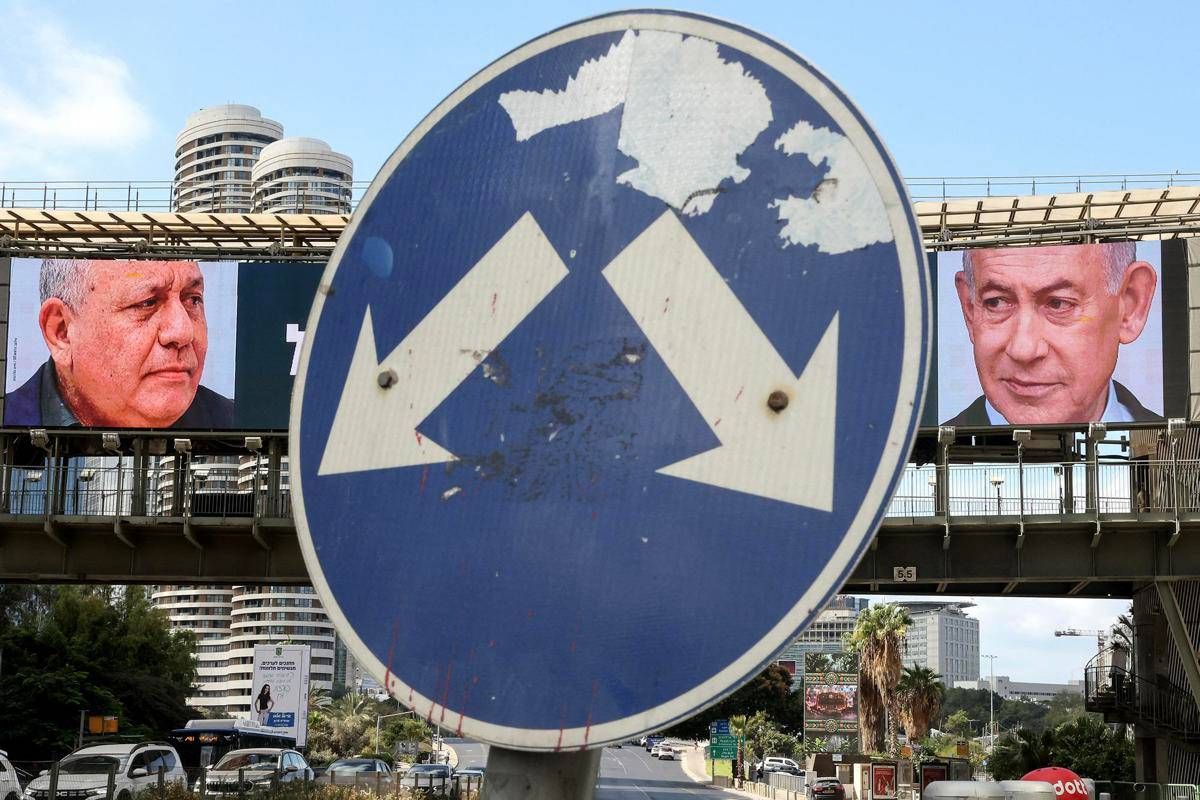
Elezioni in Israele, affluenza record al 66,7% ore 18: oltre 4,8 milioni al voto
La partecipazione supera di quasi nove punti percentuali quella registrata alla stessa ora nel 2022. La Commissione elettorale avverte che...
Olbia, uomo ucciso a coltellate in pieno centro: caccia all’aggressore
L’omicidio è avvenuto nel pomeriggio di oggi martedì 27 ottobre. La vittima sarebbe originaria del Barese Un uomo è stato...
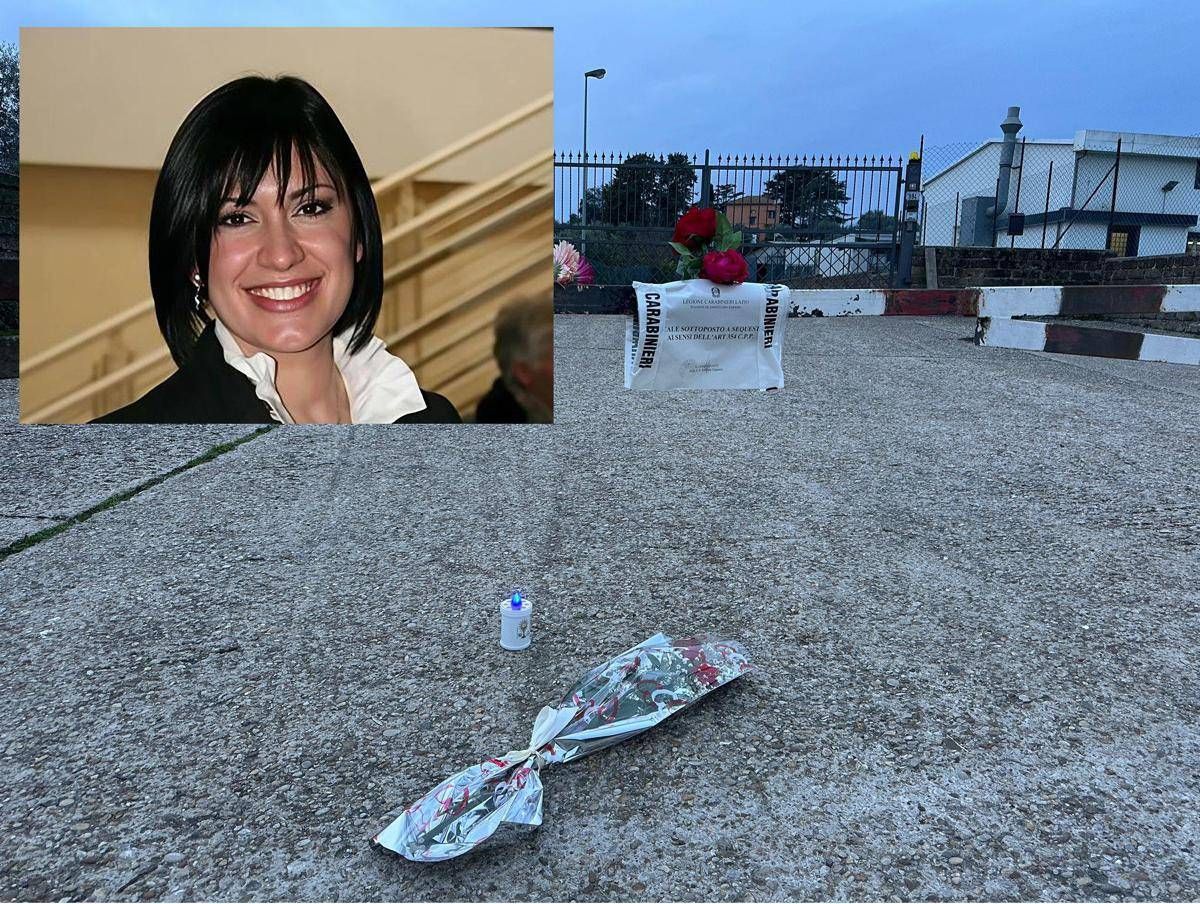
Caso Torzullo, la difesa contesta la legge sul femminicidio: il processo va avanti
Gli avvocati di Claudio Carlomagno hanno invocato il principio di uguaglianza e denunciato «opacità» nella norma. Le parti civili si...


Putin sente Finlandia e Norvegia, l’Italia: «L’Europa non sa chi la rappresenta»
Dopo il colloquio di 90 minuti con Alexander Stubb e Jonas Gahr Store, Palazzo Chigi denuncia l’assenza di un mandato...


Reggio Emilia, tentata violenza sessuale nei bagni di un centro commerciale: arrestato 22enne
L’uomo, già sottoposto al divieto di dimora in città per una tentata rapina, è stato identificato dalla Squadra Mobile dopo...
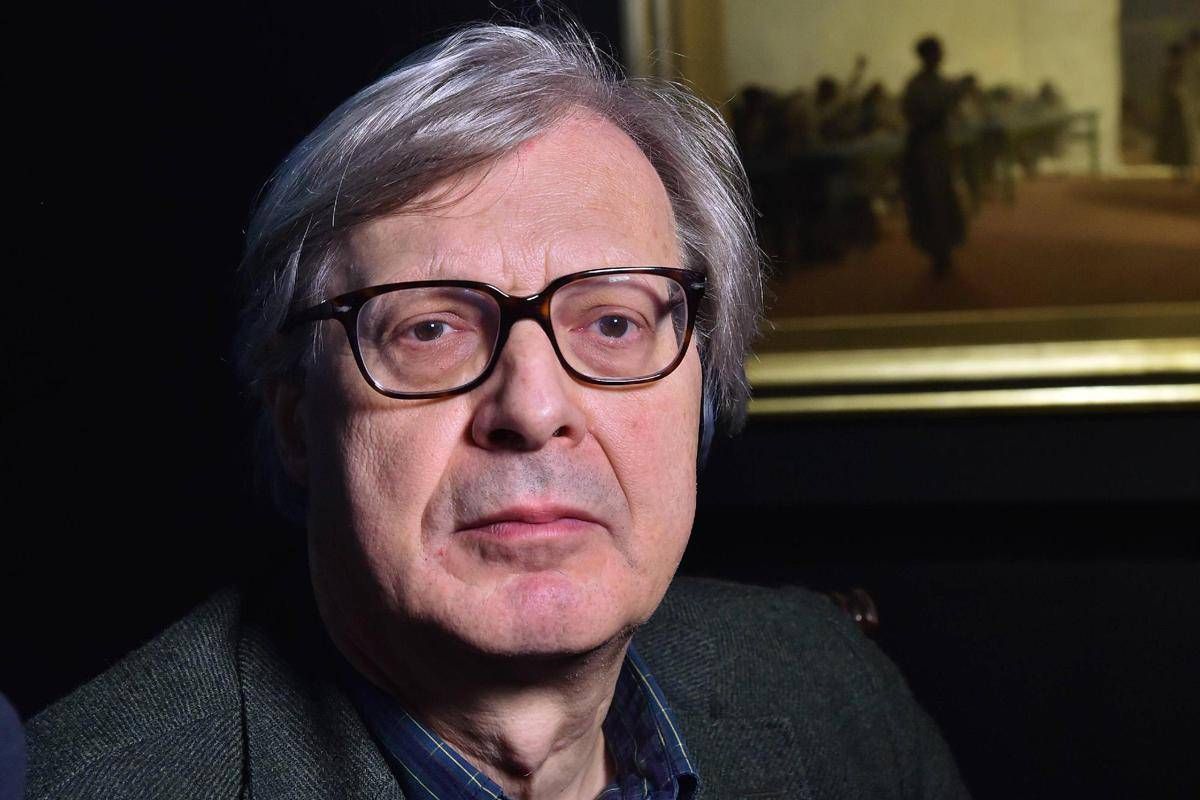
Sgarbi, migliora la respirazione dopo il ricovero: al via la riabilitazione
Il 74enne è ancora sottoposto a tracheostomia, ma i medici hanno disposto il trasferimento dalla Terapia intensiva al reparto di...
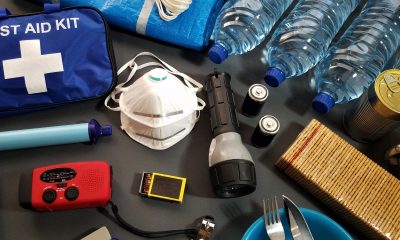

UK Emergency Preparedness Campaign Triggers Run on Survival Supplies
After the British government urged households to prepare for potential national emergencies, retailers selling emergency gear saw demand surge almost...

Marano, bambino di 5 anni afferrato davanti casa: la madre lo salva e dà l’allarme
La donna si è precipitata in strada dopo aver visto uno sconosciuto trattenere il figlio. I carabinieri hanno identificato un...
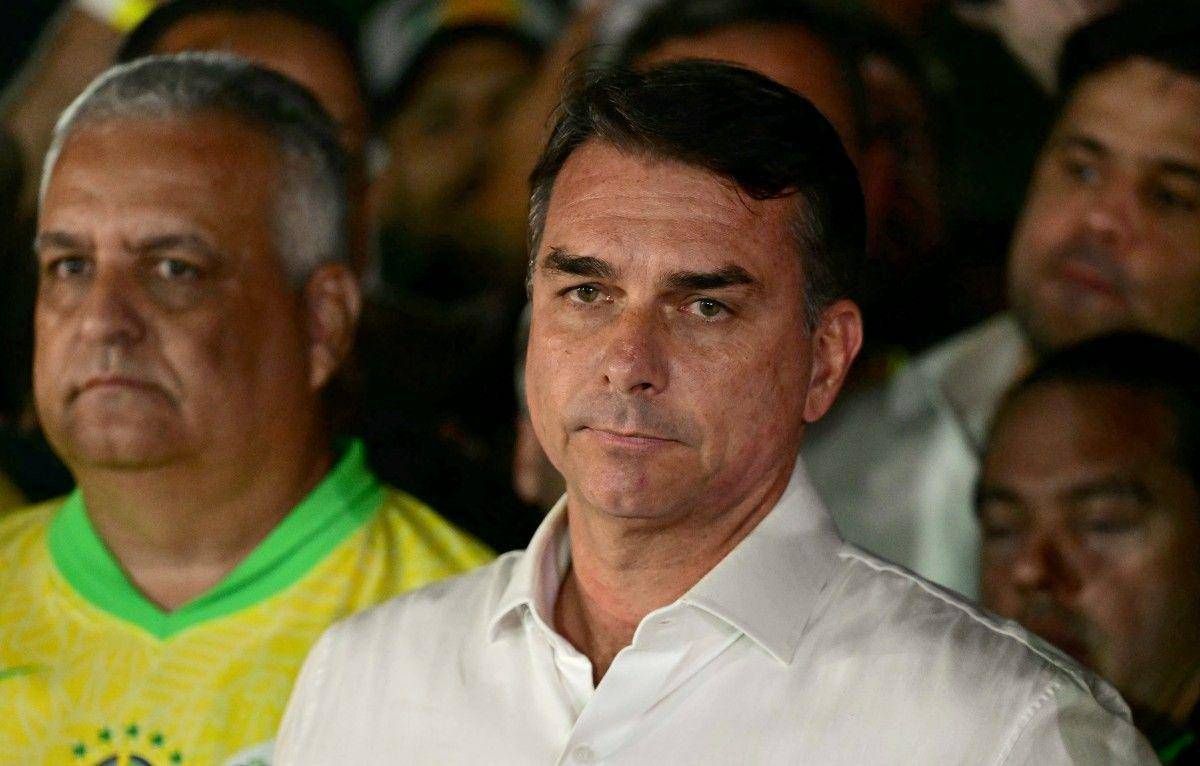
Brasile, il partito di Bolsonaro riconosce la vittoria di Lula
Flavio Bolsonaro rinuncia a chiedere l’annullamento del voto, ma annuncia un ricorso per invalidare la candidatura del presidente rieletto. Il...
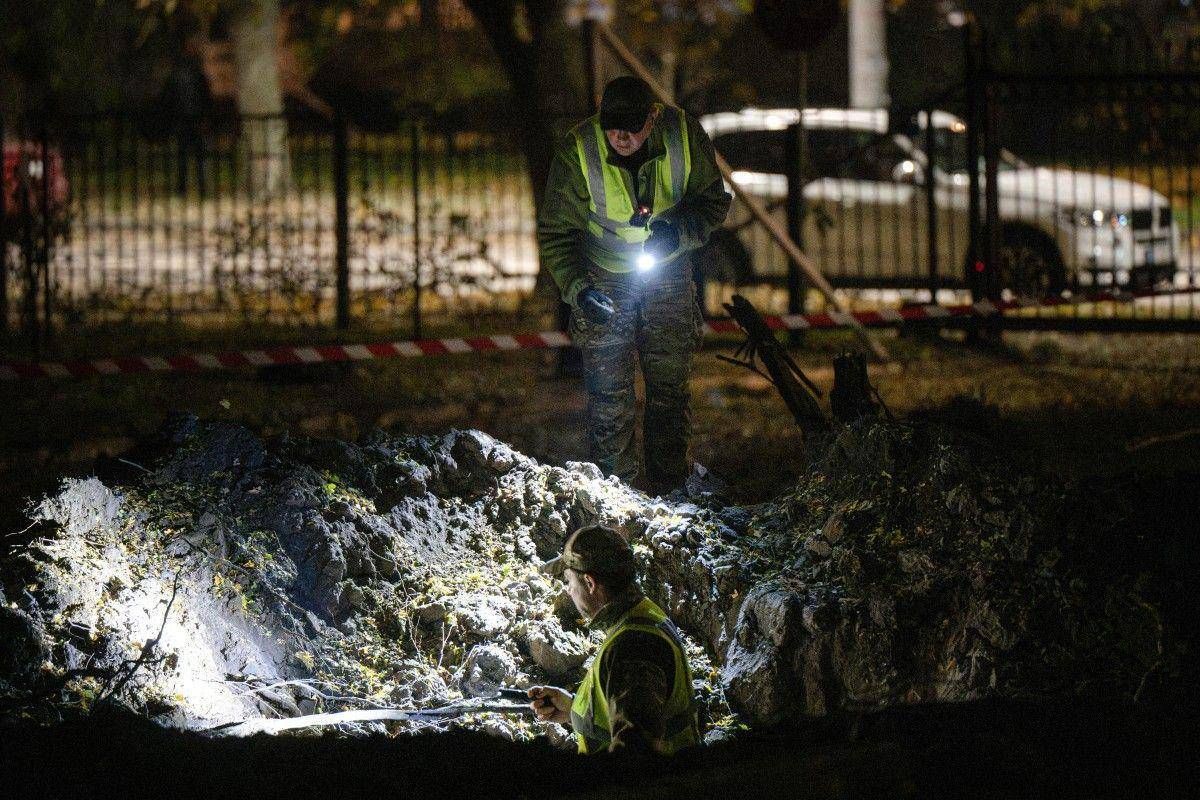
Oleshky, cessate il fuoco dal 27 ottobre: nuovi attacchi russi a Kiev
Oleshky, cessate il fuoco dal 27 ottobre per un’operazione umanitaria. Intanto gli attacchi russi provocano morti e feriti a Kiev...