
International-News
South Korea changes course: Lee Jae-myung is the new president
After Yoon’s impeachment, South Koreans choose stability and reform: with Lee, the centre-left returns to power with a solid parliamentary majority and an independent line on the economy, welfare and international relations
South Korea opens a new political chapter with the election of Lee Jae-myung as president. After the impeachment of Yoon Suk-yeol, who was ousted in December for attempting to invoke martial law, voters clearly chose a return to stability. The candidate of the Democratic Party (centre-left), who was narrowly defeated two years ago, won by a wide margin against Kim Moon-soo of the People Power Party.
Voter turnout reached 77.8%, the highest since 1997, a sign of exceptional civic participation after months of institutional tensions. With a solid majority in the National Assembly, Lee will be able to count on a strong mandate to bring about a change of course in Asia’s fourth largest economy.
A human rights lawyer and former mayor of Seongnam, Lee, 61, built his campaign around a powerful personal narrative: the son of factory workers, forced to work in a factory as a teenager, left disabled following an accident, he became one of the most recognisable faces of South Korean progressivism. His biography became an integral part of his political message, centred on social equality, justice and welfare reform.
Lee has promised concrete measures to reduce inequality, curb property speculation and support young people affected by unemployment and precariousness. Among his economic priorities is to relaunch Korea as a global power in artificial intelligence, aiming to make it one of the top three countries in the world in this sector. In terms of infrastructure, he proposes moving the administrative capital from Seoul to Sejong to relieve congestion in the metropolis and develop central areas, with Daejeon set to become an international scientific hub.
In foreign policy, Lee will maintain the alliance with the United States but with a more autonomous and pragmatic approach. He has expressed reservations about Donald Trump’s isolationist approach, fearing repercussions on military spending and trade relations. He has also raised the possibility of reducing imports of US weapons if Washington increases pressure on Seoul.
With regard to North Korea, Lee advocates a gradual rapprochement, consisting of small, verifiable steps and economic cooperation. He has criticised the “grand bargain” strategies of the previous US administration and fears that, in the event of direct US-Pyongyang negotiations, Seoul could be excluded (“Korea passing”).
However, there are also legal issues. Lee is at the centre of several investigations into corruption and abuse of office related to his past as mayor. On 2 May, the Supreme Court overturned a previous acquittal for violating electoral law, reopening a trial that could jeopardise his future candidacy.
However, his election represents much more than a change of leadership: it marks the rejection of authoritarianism, the return of progressives and the beginning of a new political phase that could redefine the balance of power in East Asia — between the challenge of artificial intelligence, relations with Washington and the fragile North Korean dossier.
THE LATEST NEWS
[recent_post_slider design=”design-07″ show_author=”false” slider_height=”390″ lazyload=”progressive” limit=”6″ category=”11728″]
(Photo: © AndKronos)

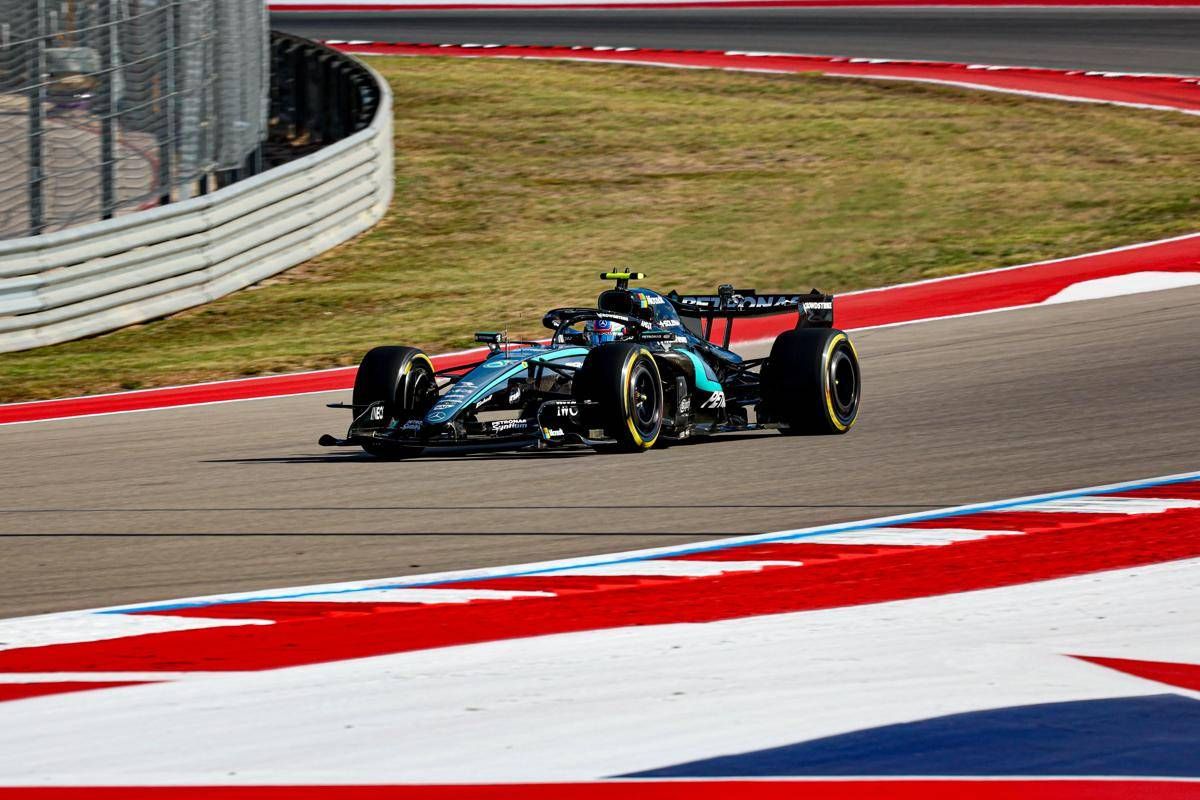
Kimi Antonelli a un passo dal titolo: trionfo Mercedes ad Austin
Il pilota italiano sale a 123 punti e firma un’altra vittoria di peso. È il secondo italiano a imporsi negli...
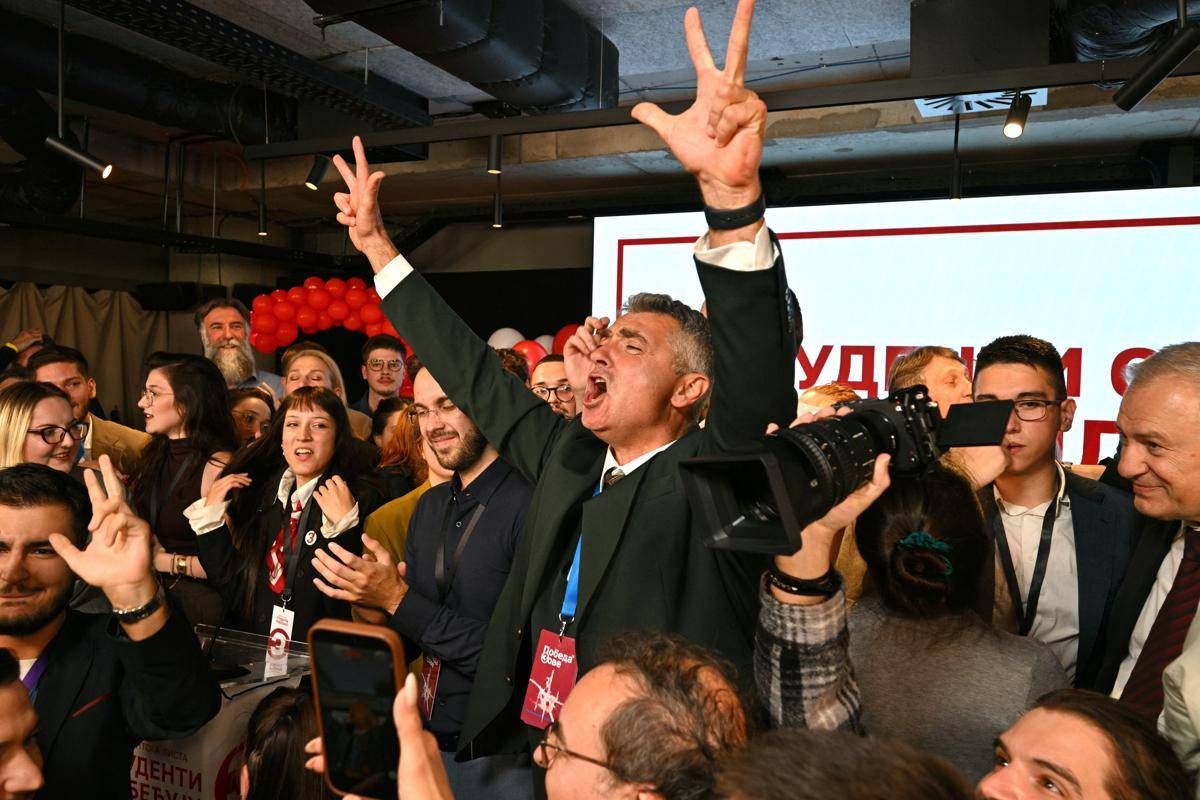
Serbia: dopo due anni di proteste, gli studenti travolgono il partito di Vucic
Il voto anticipato segna una svolta dopo le mobilitazioni nate dalla tragedia della stazione di Novi Sad, dove nel 2024...
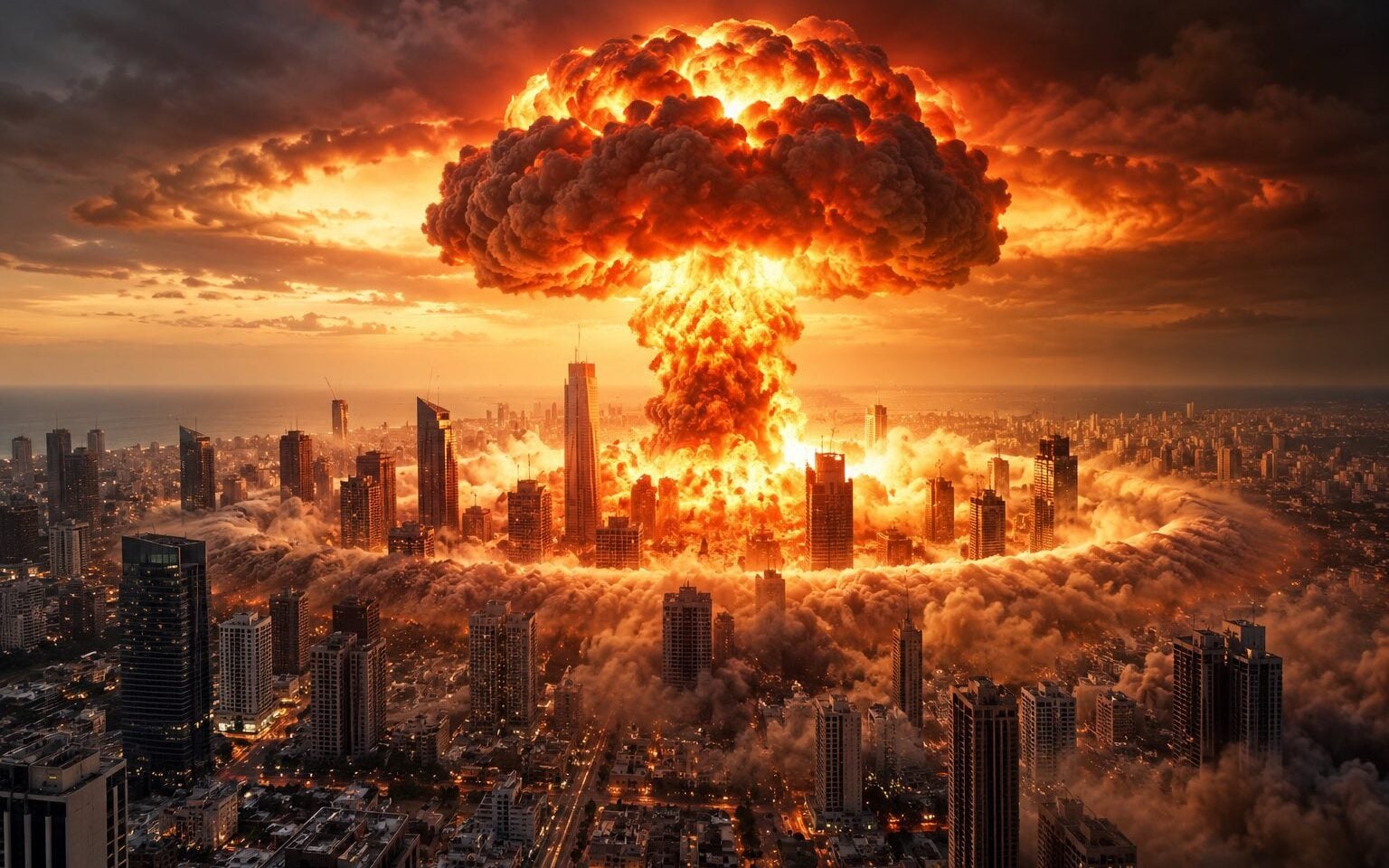
Netanyahu Shares Nuclear Strike Scenario Amid Escalating Election Fight
The Israeli prime minister shared a post warning of a potential nuclear threat from Iran, triggering fierce backlash from political...


Netanyahu evoca un secondo Olocausto e rilancia la minaccia nucleare iraniana
Il premier israeliano condivide un post con un’immagine generata dall’intelligenza artificiale che mostra Tel Aviv devastata da un’esplosione atomica. Le...
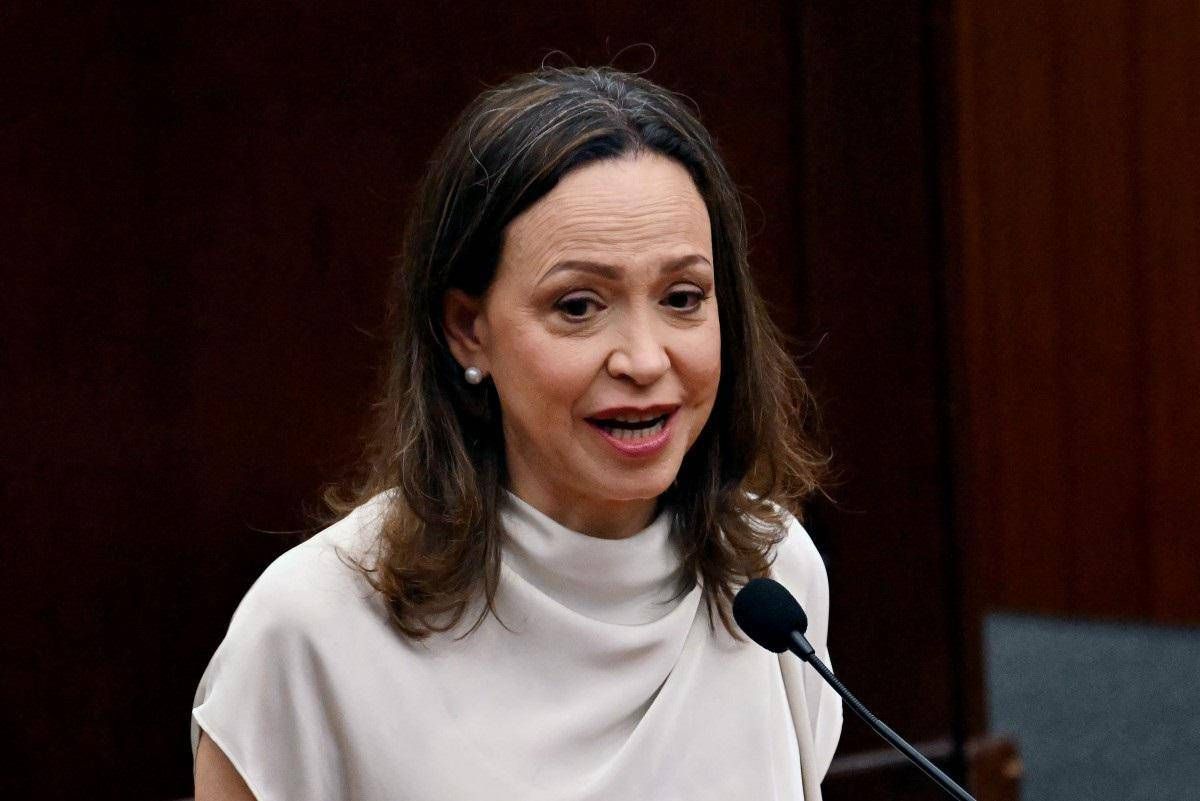
Banned, Prosecuted, Exiled. Maria Corina Machado Is Back in Venezuela
After nearly a year abroad, repeated attempts to block her return and years of bans, prosecutions and political exclusion, Venezuela’s...

Maria Corina Machado è tornata in Venezuela dopo quasi un anno di esilio
La premio Nobel per la Pace annuncia il rientro con un messaggio su X: «Sono qui. Con voi». Edmundo Gonzalez...
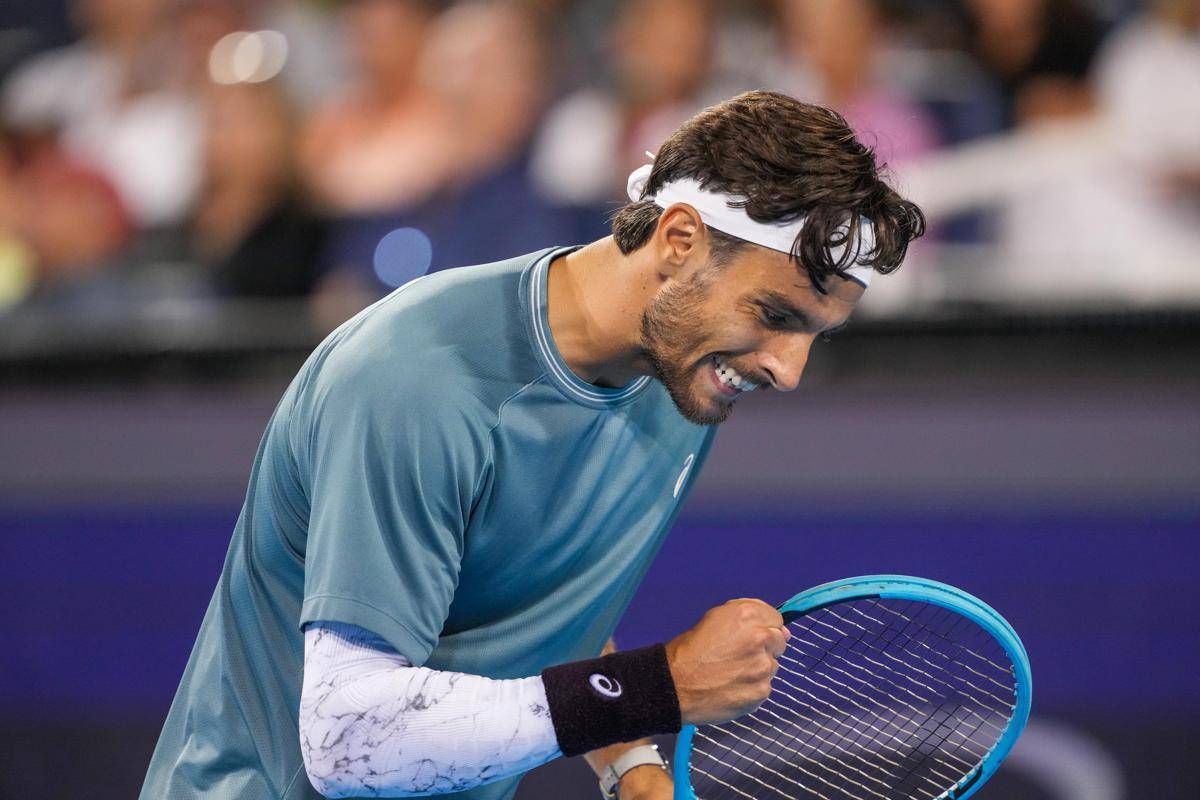
Musetti trionfa a Lione e torna a vincere un titolo Atp: battuto Fritz in 2 set
Il carrarino supera lo statunitense 6-3, 6-4 in un’ora e 24 minuti. Per l’azzurro è il primo titolo dopo quattro...
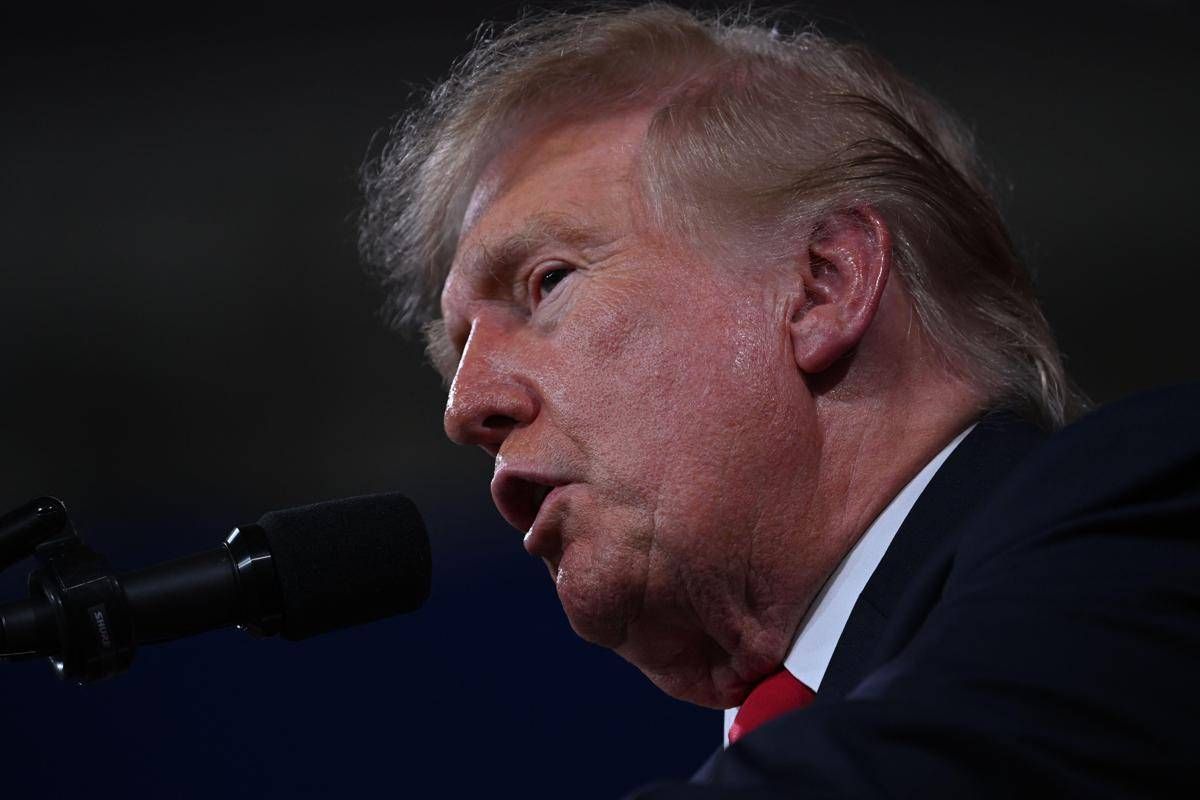
Trump to Europe: You’re Letting In People Who Hate Your Countries
The U.S. president sharpened his attack on European immigration policies, claiming leaders have allowed in people who despise the countries...
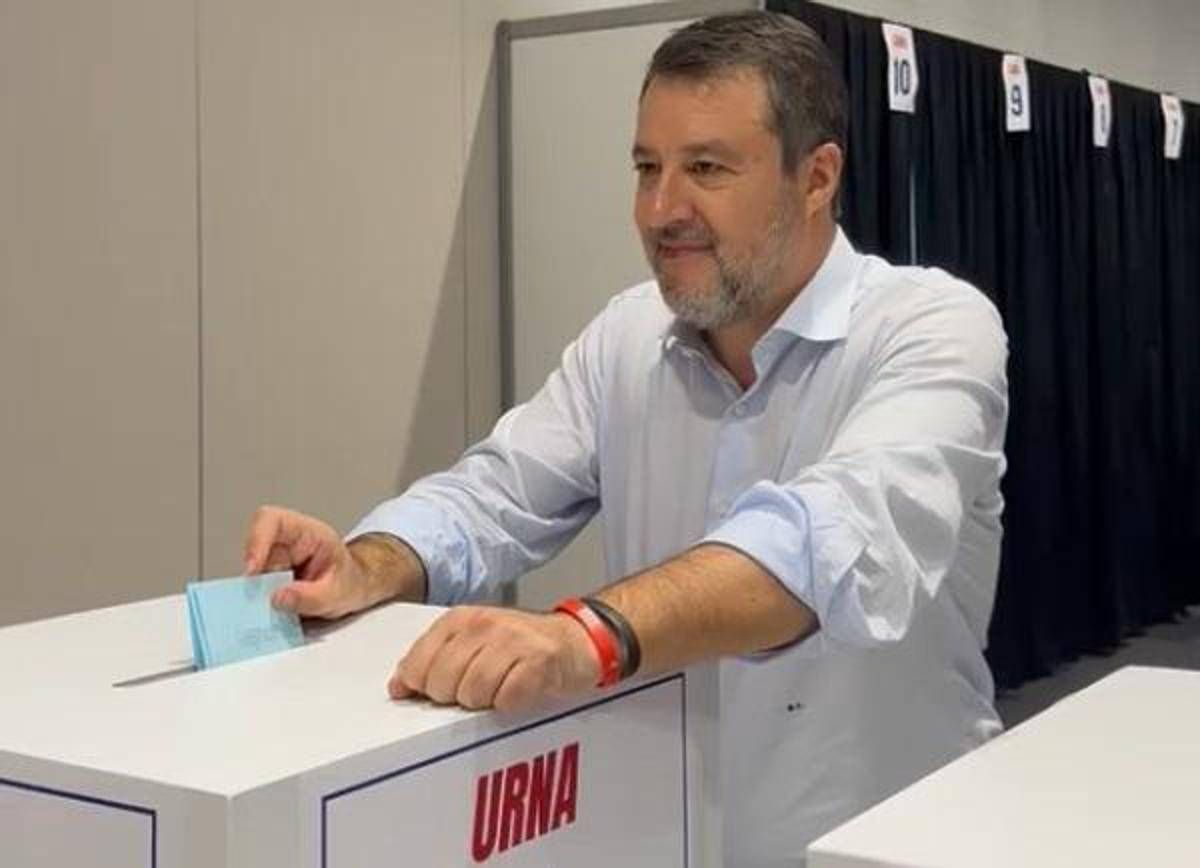
Salvini rieletto alla guida della Lega: «Basta armi e soldi all’Ucraina»
Nel discorso prima del voto, il segretario annuncia che porterà in Consiglio dei ministri il no a nuove forniture militari...
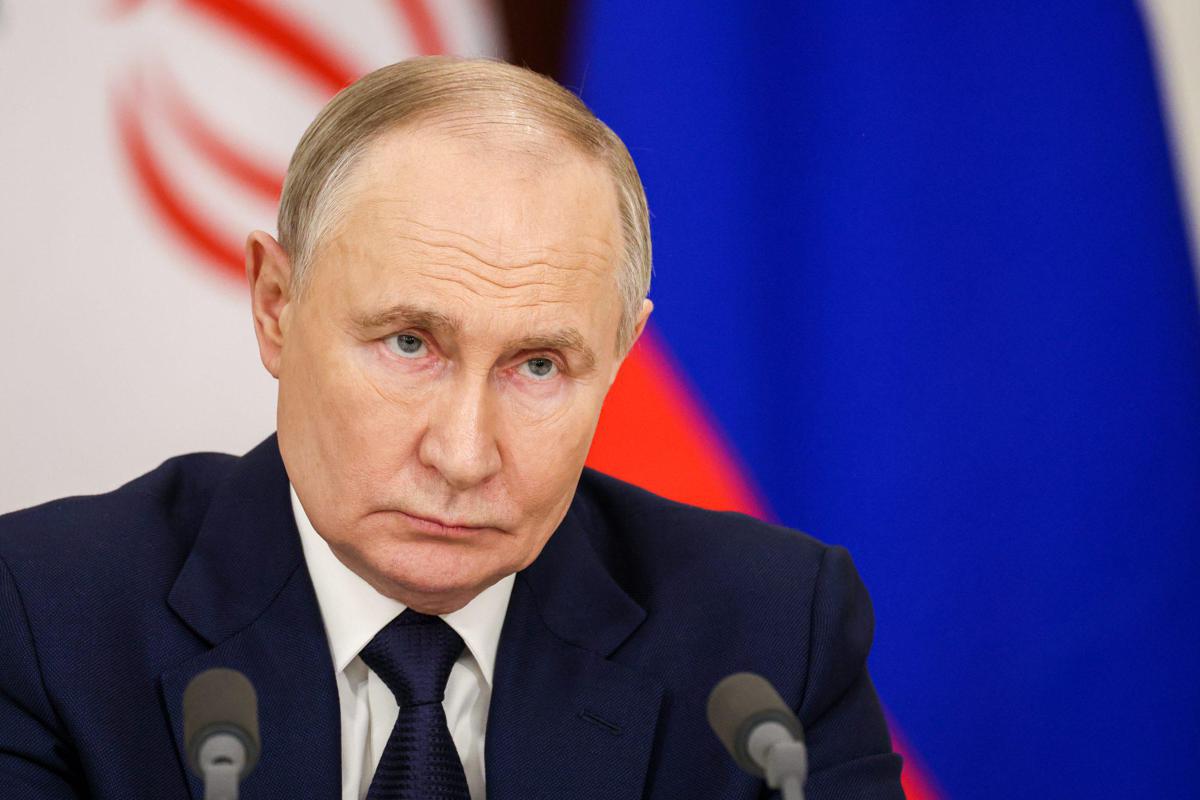
Ucraina, la Russia apre ai negoziati con Kiev e Washington dal 4 novembre
Il consigliere del Cremlino Yuri Ushakov indica l’inizio di novembre come possibile data per riprendere il dialogo trilaterale. Zelensky conferma...
Caso Siher, verifiche su possibili legami con l’inchiesta su Hamas a Genova
La Procura genovese sta verificando eventuali contatti con il gruppo coinvolto nell’indagine sui presunti finanziamenti ad Hamas. Il nome del...

Ururi, madre di 85 anni e figlio di 58 trovati morti in casa
L’allarme è stato dato dai vicini, che non li vedevano da giorni. Sul posto sono intervenuti i carabinieri e i...

Diplomatici Usa nel mirino di Teheran, cresce rischio nuova fase della guerra
Secondo fonti citate dalla stampa americana, l’Iran avrebbe intensificato la pianificazione di possibili azioni contro obiettivi statunitensi. Washington rafforza la...
Serbia al voto, gli studenti sfidano Vucic: elezioni decisive
In palio i 250 seggi del Parlamento. La Lista Studentesca, nata dalle proteste per la tragedia di Novi Sad, punta...

Meteo, l’anticiclone protegge l’Italia fino a giovedì: poi cambia tutto
I modelli indicano una possibile svolta da venerdì 30 ottobre, con aria più fredda e instabile in arrivo dall’Europa nord-orientale...
Manifestazioni in Italia, 9 arresti e 87 denunce: il bilancio della polizia
Oltre 4.200 persone identificate e 371 accompagnate negli uffici di polizia. Tensioni e scontri a Torino, Roma e Bologna, mentre...