A respected physician linked by British media reports to the Royal Family was discovered unresponsive inside her Dersingham home. Her...
Read More
International-News
US oil strategy against China links Venezuela and Iran crises

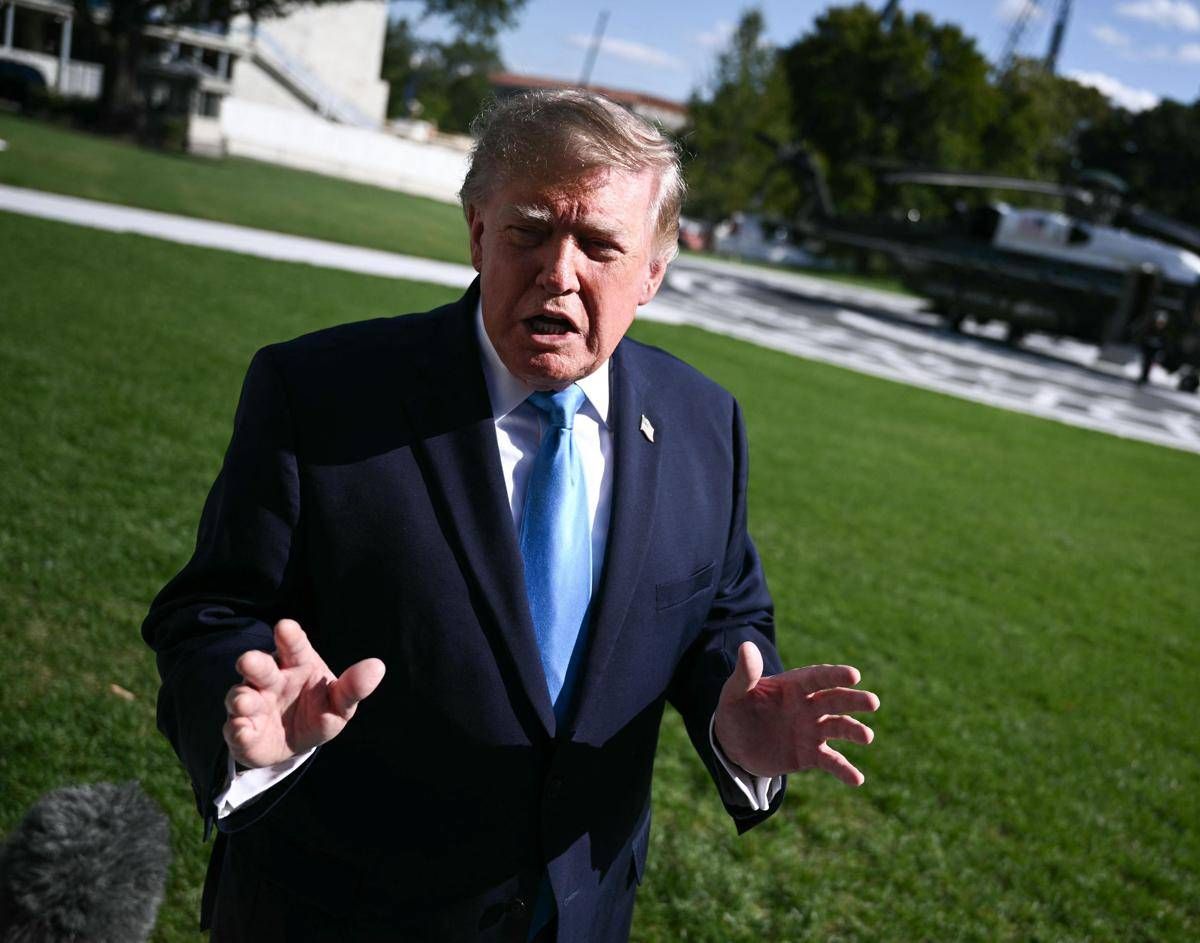
Energy geopolitics drive Washington’s moves as Trump reshapes global power balances
The US oil strategy against China is increasingly shaping Washington’s actions in both Venezuela and Iran, linking two distant crises through a single geopolitical and economic calculation centered on energy control and global power realignment.
From the start of the year, US President Donald Trump’s foreign policy activism has followed a clear pattern: leveraging oil flows to alter strategic dependencies. The intersection of geopolitics and energy economics lies at the core of this approach, with direct implications not only for Caracas and Tehran but also for Russia and China, the world’s other major powers.
Oil sits at the center of what resembles a high-stakes geopolitical chess match, largely aimed at weakening Beijing. In Venezuela, Trump has repeatedly stressed the objective of controlling and managing the country’s vast oil reserves. While many of these reserves are difficult to exploit due to poor quality crude and high extraction costs, their geopolitical value remains significant.
Until now, most Venezuelan oil exports have flowed to China. Estimates indicate that Venezuelan crude accounts for roughly 5–6% of China’s total oil demand. In 2025, exports to China averaged 642,000 barrels per day, representing about 75% of Venezuela’s total oil exports. These shipments occur despite an international embargo, allowing Beijing to purchase the oil at heavily discounted prices.
A similar dynamic applies to Iran. Available data show that approximately 80% of Iranian oil exports are directed to China, again at reduced prices due to sanctions. Tehran circumvents the embargo through ship-to-ship transfers, moving oil from Iranian vessels to non-Iranian tankers before delivery to Chinese ports. Iranian oil is estimated to cover 13–14% of China’s total demand.
China, the world’s largest crude oil importer, brought in 557.73 million tons of crude in 2025, a year-on-year increase of 4.4%. Combined, Iranian and Venezuelan oil account for nearly one-fifth of China’s supply—also the portion acquired at the lowest cost. Under the US oil strategy against China, disrupting these flows would directly hit Beijing’s energy security and economic advantage.
However, this strategy carries calculated side effects. Cutting China off from Iranian and Venezuelan oil would likely increase its reliance on Russian crude. Russian oil, also subject to sanctions and sold at steep discounts, would naturally fill the gap. While Russian exports to China are already substantial, shutting down supplies from Tehran and Caracas would significantly deepen Beijing’s dependence on Moscow.
This shift would alter global power dynamics. By pursuing the US oil strategy against China, Trump is not aiming to redirect oil toward the United States, but rather to deprive China of discounted supplies. Revitalizing Russia’s role as a key energy provider to Beijing appears to be an accepted collateral consequence.
Stripped of ideological narratives about democracy versus authoritarianism, US actions in Venezuela and Iran reveal a clear economic rationale. Oil flows, not political values, define the real interests at stake.
This approach raises broader questions, particularly regarding Ukraine. As the European Union seeks to maximize diplomatic and economic pressure on Russia, Washington’s strategy risks undermining those efforts. EU officials, including sanctions envoy David O’Sullivan, have argued that falling prices and excess supply offer a strategic opportunity to strike at Kremlin revenues.
Yet the practical outcome of the US oil strategy against China may be the opposite: strengthening Russia’s economic leverage precisely when Europe is attempting to weaken it.
THE LATEST NEWS

Israel Raises Multi-Front Security Alert Ahead of October 7 Anniversary
7 October 2026
Warnings of possible Hamas attacks, heightened threats abroad and contingency plans for a wider conflict in the West Bank place...
Read More
Christa Pike May Never Fully Recover After Failed Execution
7 October 2026
Attorneys say the Tennessee death row inmate remains unconscious and on a ventilator after surviving two rounds of lethal injection...
Read More

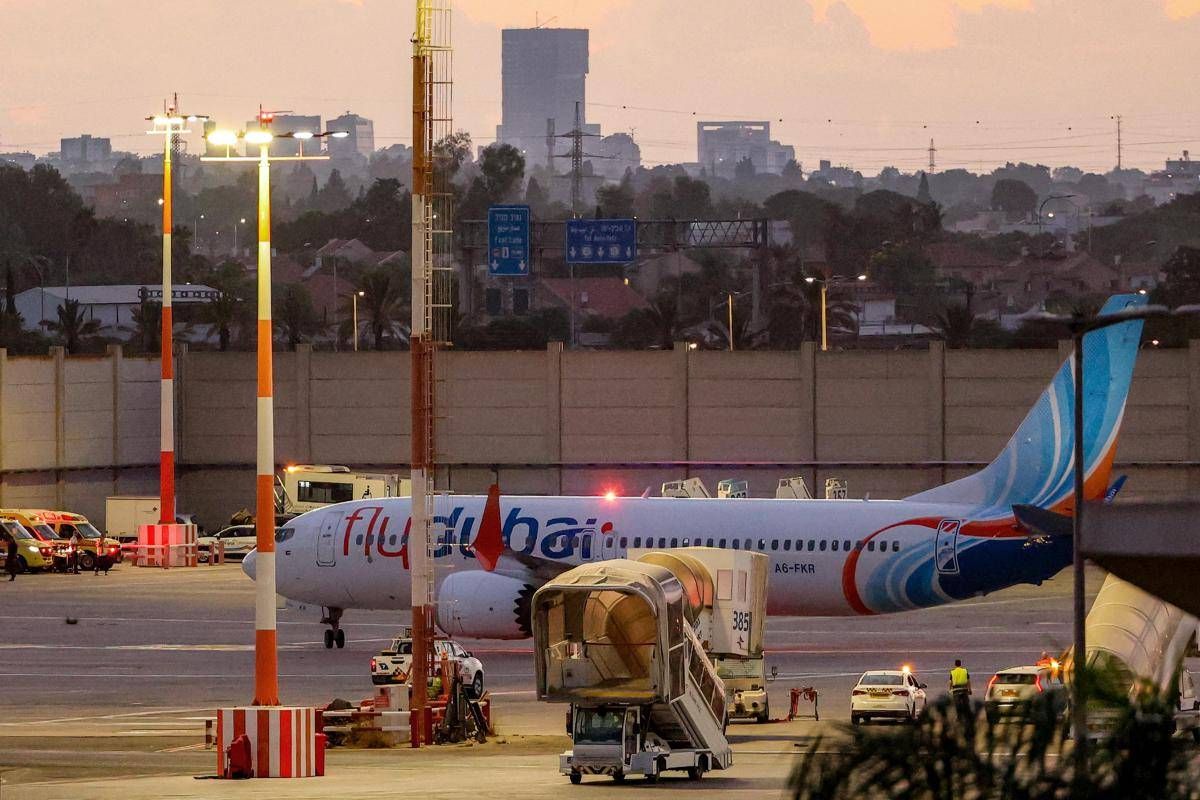
Flydubai Copilot Planned Ben Gurion Crash, Report Says
5 October 2026
Hamam al-Hammami allegedly told investigators he acted to “avenge Gaza” and wanted to “die as a martyr”; Israel is investigating...
Read More

DOGE Cuts Leave U.S. Paying $1.6 Million a Week for VOA Staff
5 October 2026
More than 400 Voice of America employees remain on paid leave as the Trump administration’s effort to dismantle the broadcaster...
Read More
Prince William and Diana’s 30th Anniversary: Why He Is Staying Away
5 October 2026
The Prince of Wales is said to have turned down several documentary offers, while Prince Harry considers a project to...
Read More

(Source: AndKronos)