
International-News
Saudi Arabia and the UAE rivalry puts Yemen back at the center of regional tensions
Emergency measures in Yemen, rising frictions in the Gulf, and Israel’s Somaliland move add pressure on regional stability
The Saudi Arabia and the UAE rivalry is once again drawing international attention to Yemen, as internal crises and regional power dynamics intensify. The situation risks becoming a new diplomatic challenge for former U.S. President Donald Trump, while global focus is also sharpened by Israeli Prime Minister Benjamin Netanyahu’s recent move to recognize Somaliland as an “independent and sovereign state,” a decision analysts see as strategically driven, particularly in an anti-Houthi context.
Yemen, long trapped in internal and regional tensions and suffering from a severe humanitarian crisis, is deeply divided by a civil war involving the Iran-backed Houthi movement. On Monday, Yemeni Presidential Council head Rashad al-Alimi, considered close to Riyadh, declared a 90-day state of emergency. He also ordered the closure of ports and borders for 72 hours and announced the termination of the defense pact with the United Arab Emirates, according to Yemen’s Saba news agency, amid escalating tensions in the country’s south.
Recent weeks have seen growing friction between the Saudi-backed Yemeni government and the Southern Transitional Council (STC), a secessionist group believed to be supported by the UAE. The Saudi-led coalition announced it had carried out a “limited military operation” at the port of Mukalla, in southern Yemen, after warning the STC against military actions in the area bordering the Gulf monarchy. The region had been seized in recent days by southern forces.
According to the coalition, two vessels entered the port of Mukalla over the weekend, allegedly carrying weapons and equipment to support the STC, which seeks to establish a separate southern state from northwestern Yemen, controlled by the Houthis since 2014. Saudi sources cited by The Wall Street Journal said the vessels had departed from the Emirati port of Fujairah with tracking systems turned off.
Saudi Arabia’s Foreign Ministry on Monday cited threats to the kingdom’s national security and to regional stability, urging the United Arab Emirates to comply with Yemen’s request that all Emirati forces leave Yemeni territory within 24 hours and cease all military or financial support to any Yemeni factions. It remains unclear, CNN reports, which Emirati forces are currently present in Yemen.
Over the weekend, U.S. Secretary of State Marco Rubio expressed concern over developments in southeastern Yemen, calling for “moderation” and “diplomacy” to achieve a “durable solution.” Rubio reiterated appreciation for the diplomatic leadership of Saudi Arabia and the UAE while supporting efforts to advance shared security interests.
The Saudi Arabia and the UAE rivalry has grown increasingly complex, despite both countries being key U.S. partners and former allies in the Saudi-led coalition formed to counter the Houthis. While Riyadh officially supports a unified Yemen, Abu Dhabi has backed southern forces that now control large portions of the country’s south, according to observers.
Mukalla lies nearly 500 kilometers northeast of Aden, the de facto capital for anti-Houthi forces since the Houthis seized Sana’a more than a decade ago. The Houthis have recently threatened to attack any potential Israeli presence in Somaliland, a strategically located region along the Gulf of Aden.
Israel has previously struck targets in Yemen in response to Houthi attacks linked to support for Palestinians in Gaza. According to Israel’s Institute for National Security Studies, cited by the BBC, Israel needs regional allies in the Red Sea area for strategic reasons, including the possibility of future military action against the Houthis. Somaliland, analysts argue, could offer Israel strategic access close to the conflict zone.
“The Red Sea is a key transit route for weapons and fighters,” said Cameron Hudson, an Africa analyst interviewed by the BBC. “Having a security and intelligence presence there serves Israel’s broader strategic interests,” he added, highlighting how the Saudi Arabia and the UAE rivalry intersects with wider regional power shifts.
THE LATEST NEWS
[recent_post_slider design=”design-07″ show_author=”false” slider_height=”390″ lazyload=”progressive” limit=”6″ category=”11728″]
(Photo: © AndKronos)



Brasile al voto, Lula e Bolsonaro testa a testa: cosa dicono i sondaggi
Il ballottaggio si apre con un margine minimo tra i due candidati. Datafolha registra una parità al 50%, mentre le...


Riscaldamento, le mosse per spendere meno
Secondo uno studio Enea, ripristinare le misure adottate durante la crisi energetica del 2022 potrebbe ridurre il consumo di gas...

Ostia senza internet, connessione in tilt anche ad Acilia e Infernetto
Dalle prime ore di domenica 25 ottobre numerose segnalazioni sui gruppi Facebook. Il disservizio sembra coinvolgere utenze domestiche di diversi...

F1, GP Stati Uniti 2026: Antonelli in pole, griglia e orari tv
A Austin il leader del Mondiale parte davanti a Max Verstappen. Gara alle 21, in diretta su Sky e in...
Musk accusa Kiev: «Ha usato Starlink per uccidere con i droni»
Il patron di SpaceX sostiene che l’esercito ucraino abbia violato le condizioni del servizio satellitare. Zelensky aveva denunciato rallentamenti della...

MotoGP Australia, Marquez in pole: griglia di partenza e orari tv
Il GP di Phillip Island scatta domenica 25 ottobre alle 4 ora italiana. Diretta esclusiva su Sky, differita in chiaro...
Torino, scontri al corteo contro il riarmo: cariche e lancio di oggetti
I manifestanti hanno tentato più volte di superare i blocchi delle forze dell’ordine nel centro città. Nuovi momenti di tensione...

Cassano allo Jonio, agguato al boss Damiano Pepe: uccisa la moglie
L’uomo, 64 anni, è rimasto gravemente ferito ed è ricoverato all’ospedale di Cosenza. I sicari hanno aperto il fuoco contro...


Ora solare, lancette indietro stanotte: risparmi e novità per il 2027
Nella notte tra sabato 24 e domenica 25 ottobre si torna all’ora solare. Intanto, alla Camera si valuta il superamento...
Movimento 17 ottobre, indagato Youssef Siher: perquisito a Milano
Il trentenne, giornalista freelance e attivista pro Pal originario di Brescia, è indagato per istigazione a delinquere. Piantedosi lo indica...
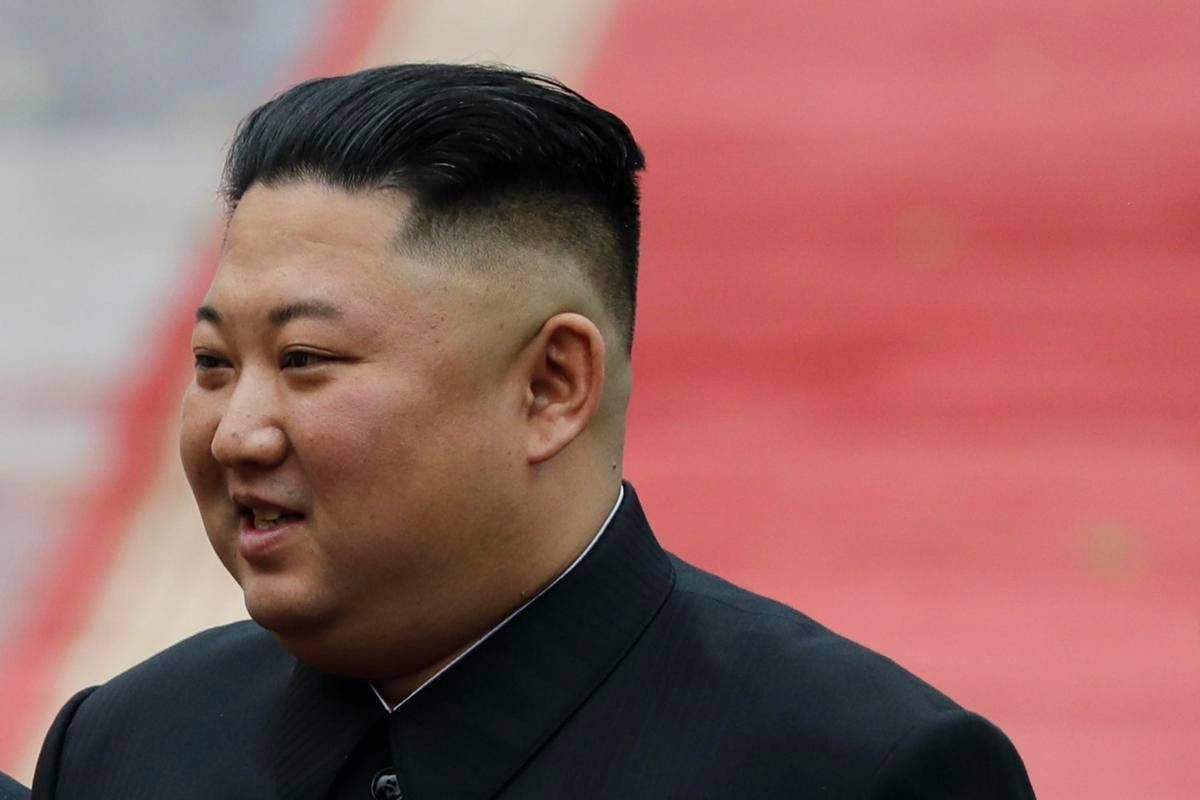
Kim Jong-un riappare in Cina dopo le voci sulla sua possibile morte
Il leader nordcoreano è arrivato a Dandong attraversando il nuovo ponte sul fiume Yalu. La notizia è stata riferita da...
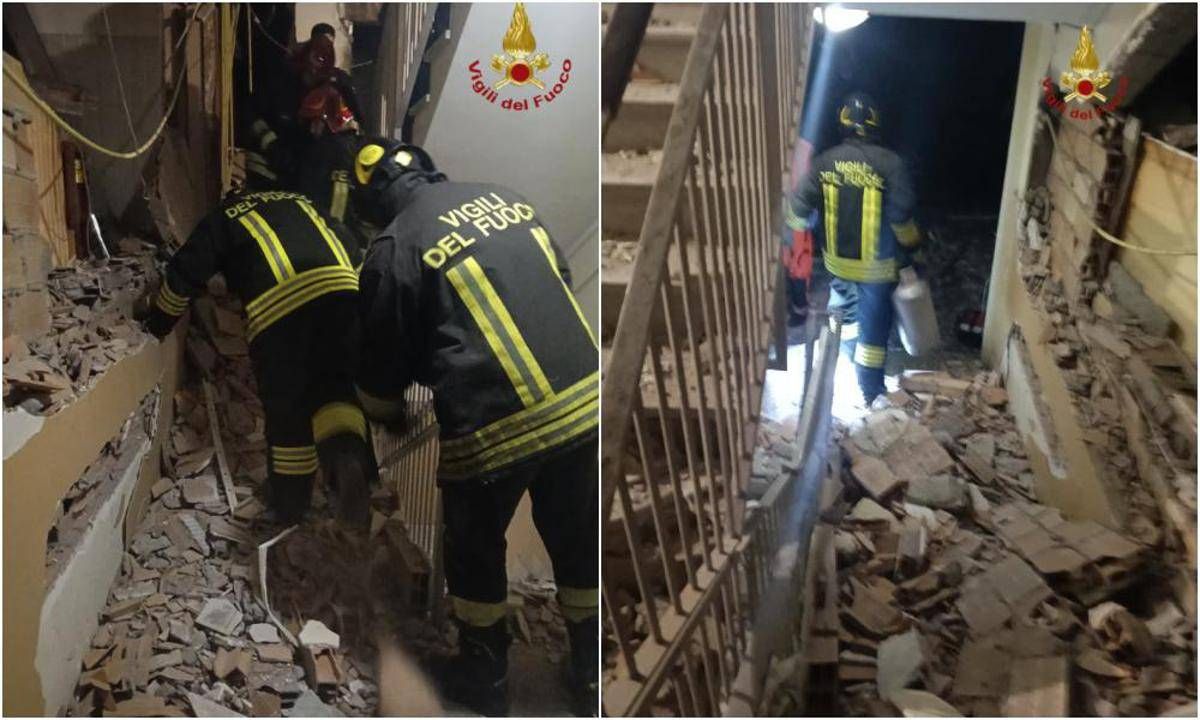
Ostia, esplosione in una palazzina di cinque piani: evacuate 11 famiglie
L’incidente è avvenuto ieri sera, intorno alle 21.40, in via dei Velieri. Una persona è rimasta ferita Undici famiglie sono...
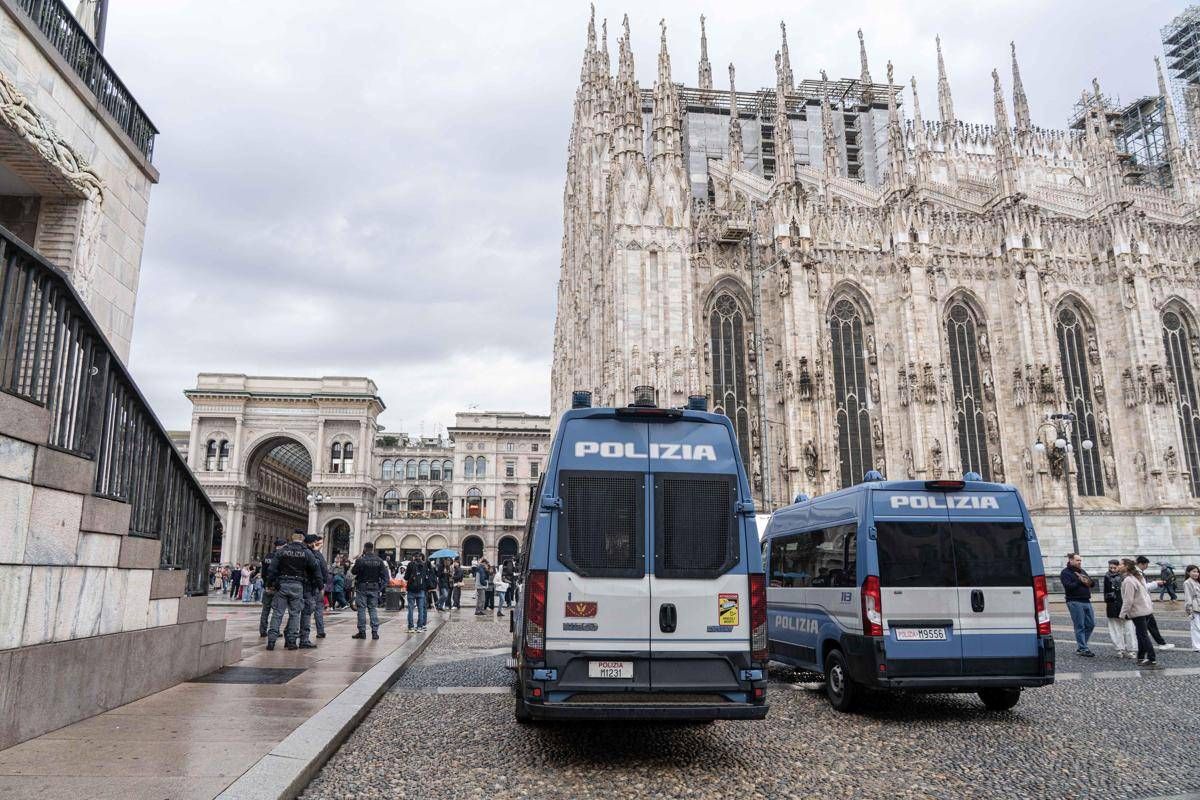
Manifestazioni del 24 ottobre, allerta sicurezza in tutta Italia: 100 perquisiti
Circa cento persone, tra cui 51 minorenni, sono state perquisite in 18 città dopo i disordini del fine settimana scorso....
Mondiale MotoGp, Marquez allunga in vetta dopo il successo australiano
Il pilota Ducati sale a 365 punti, mentre Alex Marquez chiude secondo la Sprint. Il duello per la testa della...
UPDATE Ukraine Confirms Oleshky Ceasefire as Humanitarian Corridor Set to Open in Russian-Occupied Town
Kyiv formally backs the localized truce announced by the White House, paving the way for civilian evacuations and aid deliveries...
AGGIORNAMENTO Ucraina, accordo per il cessate il fuoco a Oleshky: c’è la conferma di Kiev
La tregua è prevista dal 27 ottobre nella cittadina sulla riva sinistra del Dnipro, di fronte a Kherson, a soli...