
International-News
Scotland Says Independence Is the Only Route Back Into the EU
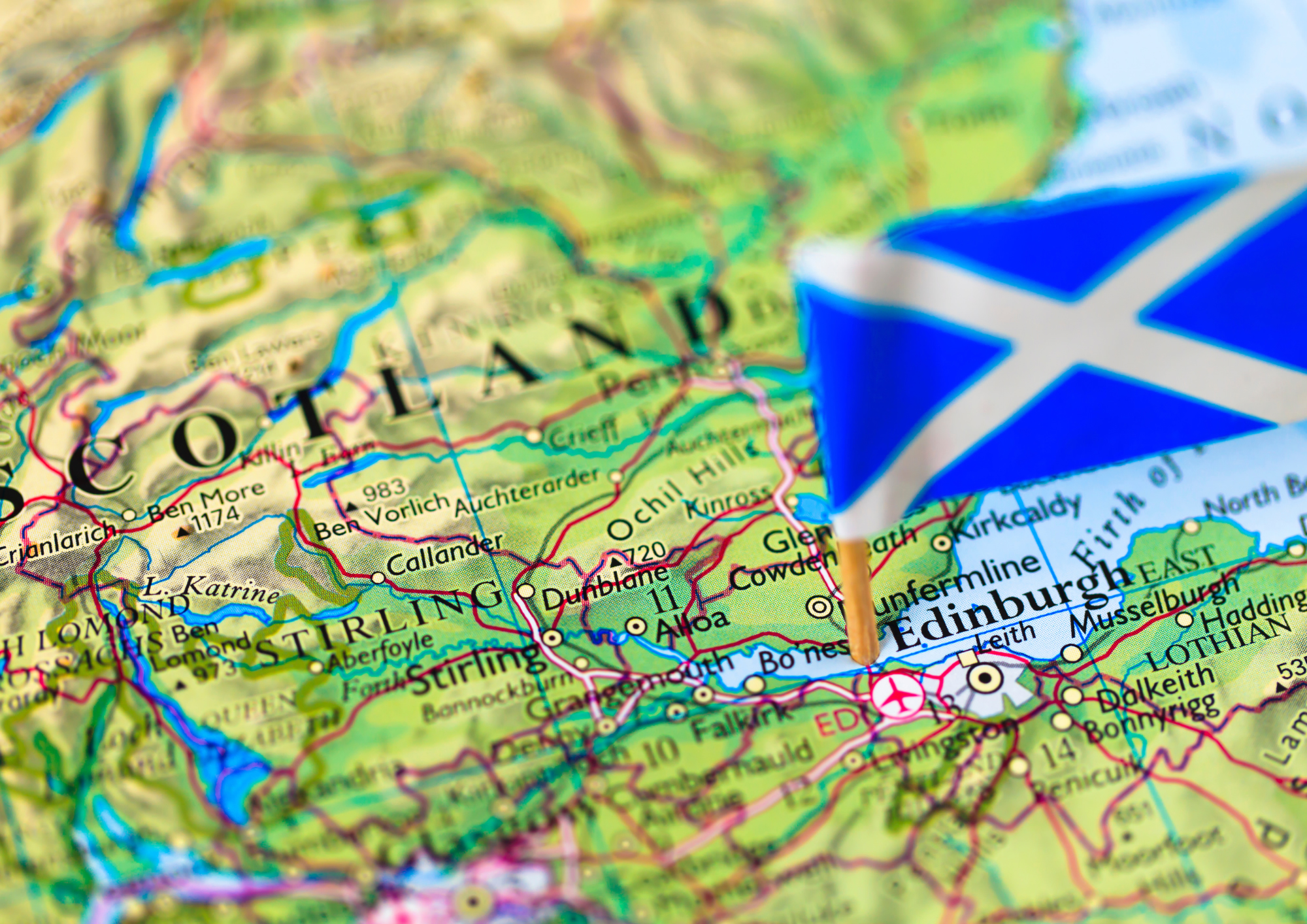
Scottish Europe Minister Stephen Gethins argues that closer ties between London and Brussels cannot protect Scotland’s interests without a formal role in negotiations — and says full EU membership requires independence
Scotland’s push to rejoin the European Union is colliding with a renewed effort by the British government to rebuild ties with Brussels. Stephen Gethins, Scotland’s minister for Europe, says closer cooperation between the U.K. and the bloc cannot adequately protect Scottish interests. In his view, only independence would give Scotland the ability to return to the EU as a full member.
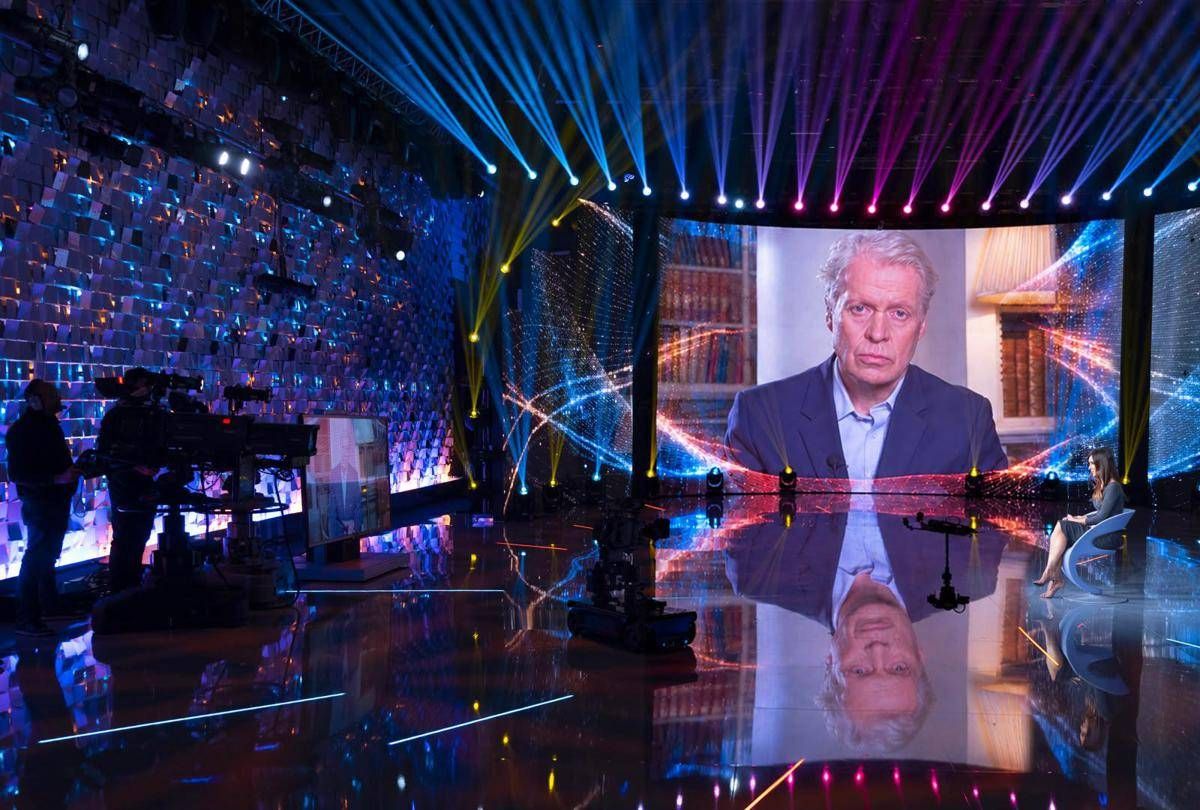
“The interests of Scotland will only be protected by rejoining the European Union, not through half measures,” Gethins told Adnkronos in an interview published Friday. With the U.K. government maintaining its positions on the single market, customs union and free movement, he argued, “the only way” to secure Scotland’s place in Europe is to become an independent state.
His remarks come at a significant moment in relations between London and Brussels. At a summit in Brussels on Nov. 20, Prime Minister Andy Burnham and European Union leaders agreed on a new package of cooperation, including agreements on food and agricultural standards, emissions trading and a youth mobility scheme. The measures are intended to reduce trade barriers and deepen practical ties without taking the U.K. back into the EU. The House of Commons Library confirmed Friday that negotiations on the three agreements had concluded, with the legal texts of two of them published on Nov. 26.
For Gethins, however, a closer relationship between the U.K. and Europe is not enough. Scotland voted by 62% to remain in the EU in the 2016 referendum, while the U.K. as a whole voted to leave. That divergence, he said, has left Scotland dealing with the consequences of a decision it opposed.
“Leaving the EU has been enormously damaging for Scotland and for the United Kingdom,” he told Adnkronos, describing Brexit as an act of isolationism imposed on Scotland against its will.
The Scottish government has continued to argue that the country’s future lies inside the European Union as an independent nation. In June, Gethins said that closer cooperation with Brussels was welcome but could not restore the opportunities lost through Brexit. He reiterated that position in the Scottish Parliament on Nov. 24, welcoming support for EU membership from some Labour lawmakers while arguing that renewed cooperation would fall short of restoring the benefits of membership.
The dispute over who speaks for Scotland
The immediate question for Edinburgh is not only how far the U.K. moves toward Europe, but who gets to shape the terms of that relationship.
Gethins said Scotland supports practical steps to strengthen the partnership with European neighbors, provided they improve the economy and help households and businesses facing the cost of living. But he warned that any new agreements must respect the powers devolved to Scotland and the other administrations within the U.K.
The concern stems from the way powers previously exercised at EU level were handled after Brexit. According to Gethins, responsibilities returning from Brussels were concentrated in Westminster rather than transferred to, or properly discussed with, Scotland, Wales and Northern Ireland.
That experience has left the Scottish government wary of a new round of negotiations conducted primarily by London. Gethins said any future arrangement must include firm safeguards for Scotland’s distinct interests, appropriate powers for Scottish ministers and a formal role for Edinburgh in decision-making between the U.K. and the EU.
“Many of us share the intention to begin repairing some of the serious damage caused by Brexit, but all of this must happen in accordance with devolved powers,” he said.
A reset that does not settle the independence question
Burnham’s government has moved beyond the more limited language of a U.K.-EU “reset.” In September, it opened a debate on the country’s longer-term relationship with Europe, including possible participation in the customs union and single market and, potentially, full EU membership. The Scottish government welcomed the prospect of a more ambitious partnership but maintained that Scotland’s own objective remained unchanged.
The November summit has since produced concrete agreements, but they do not amount to a return to the single market, customs union or EU membership. The U.K. and EU have instead agreed on closer cooperation in selected areas, with further work still required before the new arrangements can take effect.
Gethins said Scotland would support measures that deliver tangible benefits, but insisted that Edinburgh must not be sidelined again. The country, he argued, has different responsibilities and economic interests from the rest of the United Kingdom and needs a formal voice in decisions that affect them.
For the Scottish minister, the distinction is fundamental: better relations between London and Brussels may ease some of the consequences of Brexit, but they cannot substitute for Scotland having its own place at the European table.





You must be logged in to post a comment Login