International-News
Trump targets China with higher tariffs as EU faces 15% ceiling
Japan and South Korea are also expected to remain within the limits of existing trade agreements, while Beijing, India and Vietnam could face steeper duties
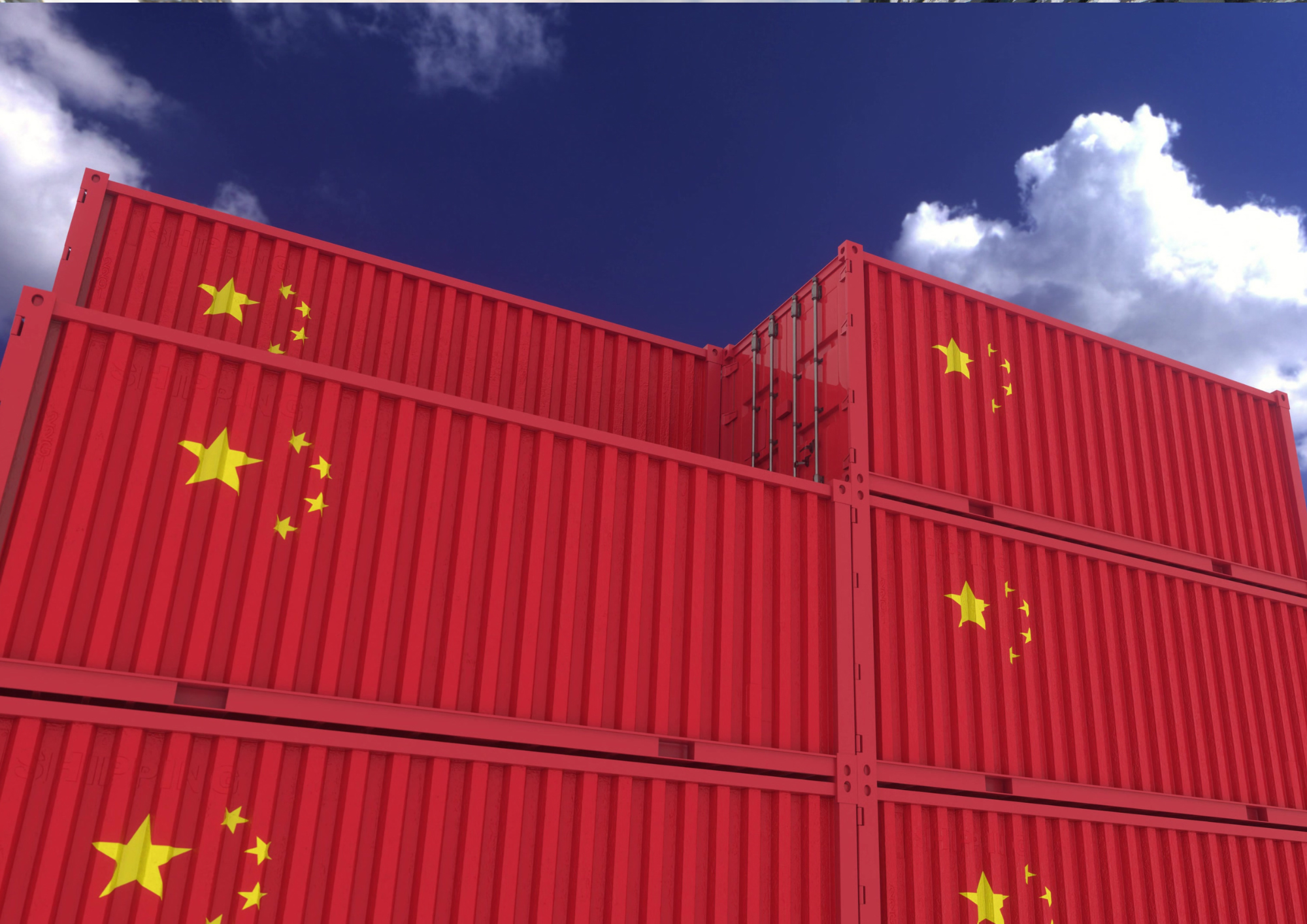
The United States is preparing to impose higher tariffs on imports from China, the European Union and several other major trading partners, including Japan and South Korea, as the Trump administration intensifies its efforts to protect American manufacturers from foreign competition.
According to The Wall Street Journal, which cites people familiar with the matter, U.S. Trade Representative Jamieson Greer could present the findings of an investigation into foreign industrial subsidies as early as this week. The results could provide the basis for a new round of import duties targeting a broad range of products entering the American market.
At the center of the investigation is Washington’s argument that government subsidies in foreign economies have generated excess industrial capacity, allowing companies to produce more goods than their domestic markets can absorb and sell them internationally at lower prices.
The Trump administration maintains that this situation puts American manufacturers at an unfair competitive disadvantage, particularly in sectors where foreign producers benefit from substantial public support.
China, India and Vietnam face higher tariffs
The final tariff rates have yet to be determined, but the countries involved are expected to face different levels of duties depending on their existing trade arrangements with Washington.
According to sources cited by the Journal, combined tariffs on imports from the European Union, Japan and South Korea are expected to remain at 15% or below, broadly in line with the trade agreements already reached with the United States.
China, India and Vietnam, by contrast, are expected to face higher rates.
The distinction reflects the different trade arrangements negotiated by the Trump administration and the extent to which Washington intends to use the investigation to impose additional pressure on its trading partners.
Steel, aluminum and automobiles could be exempt
The new tariffs are expected to cover a substantial share of imports, although some major product categories could be excluded.
Steel, aluminum and automobiles are among the sectors likely to remain outside the new measures because they are already subject to separate tariff regimes.
The investigation into industrial subsidies would therefore provide another instrument for the administration to pursue its trade policy, potentially extending duties to products not covered by existing sector-specific measures.
The precise scope of the exemptions and the final tariff rates have not yet been established.
Greer expected to present the findings this week
The next significant step is expected to come from Jamieson Greer, the U.S. Trade Representative, who could present the conclusions of the investigation within the week.
The findings will help determine how the administration proceeds and which countries and industries are ultimately affected.
For the European Union, the expected ceiling of 15% would be consistent with the framework of its existing trade agreement with Washington. China, meanwhile, faces the prospect of a more substantial increase in trade barriers, alongside India and Vietnam.
The announcement could open another chapter in Trump’s trade confrontation with major global manufacturing economies, with the final impact depending on the rates Washington ultimately adopts and the range of products covered.
(Photo: © AndKronos)