
International-News
Putin’s Moscow Invitation Tests Europe’s Role in Ukraine Talks
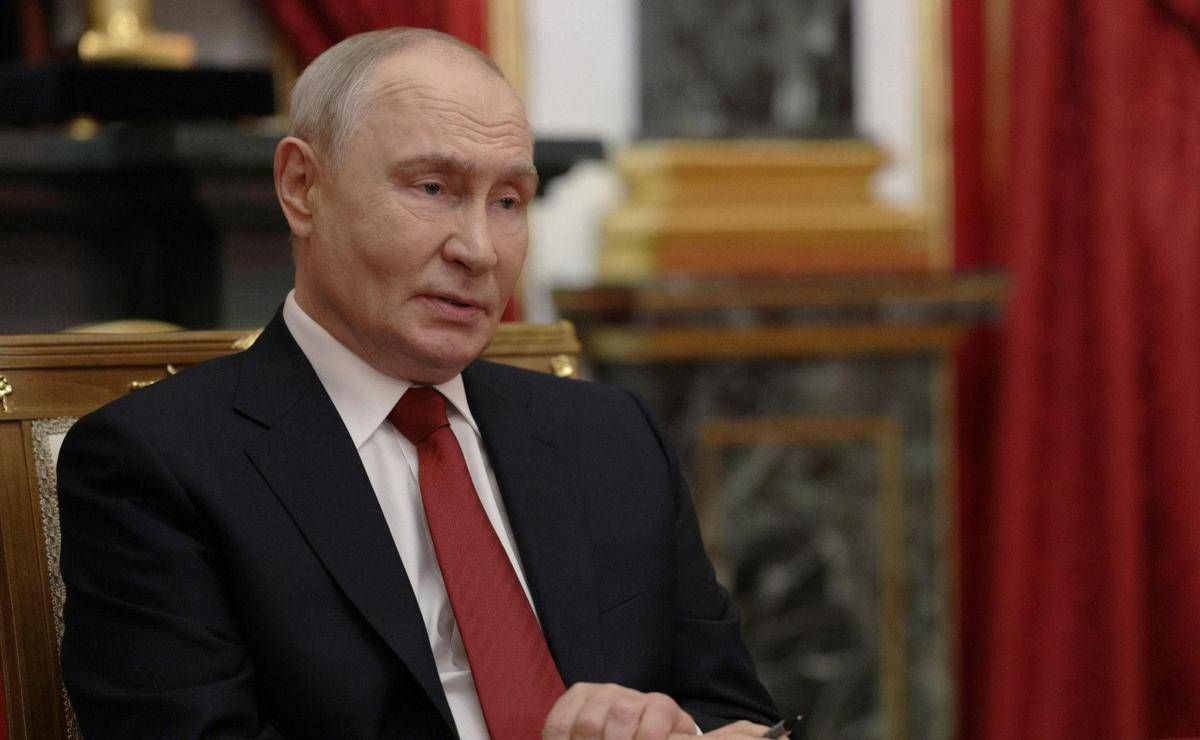
Russia is inviting Britain, France and Germany to discuss a new European security architecture, but Moscow says the meeting would not guarantee them a place in negotiations with Washington and Kyiv. France wants assurances before agreeing to engage
Vladimir Putin is offering Europe’s three leading powers a seat at the table in Moscow, but not necessarily a place in the negotiations that could determine the future of Ukraine. The distinction, made explicit by the Russian Foreign Ministry, exposes the central question surrounding the Kremlin’s latest diplomatic initiative: whether Moscow is genuinely prepared to recognize Europe’s role in shaping a settlement or is seeking dialogue on terms that leave European governments on the sidelines.
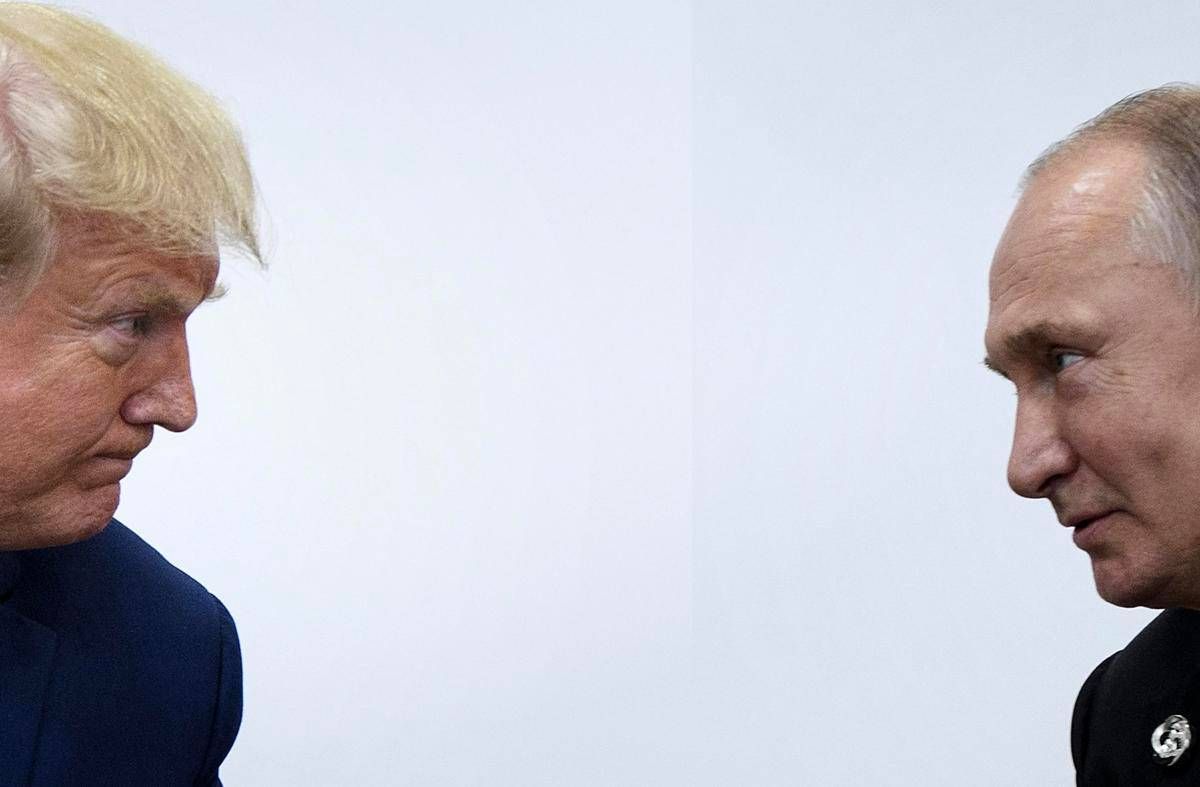
The proposal, conveyed through diplomatic channels after Putin’s meeting with President Donald Trump and Chinese President Xi Jinping in Shenzhen, targets Britain, France and Germany. Moscow wants to discuss what it describes as a new European security architecture, with the possibility of determining a format for further negotiations at a later stage.
But the invitation comes with a significant limitation. Russia has made clear that accepting a meeting in Moscow would not automatically entitle the three countries to participate in the trilateral negotiations involving Russia, the United States and Ukraine.
Sergei Ryabkov, Russia’s deputy foreign minister and Sergei Lavrov’s second-in-command, spelled out the distinction in comments to the state news agency Tass. He identified Britain, France and Germany as the intended recipients, referring to them collectively as the “Eurotroika.”
“If they accept the invitation to come to Moscow, it does not mean that the group will become part of the trilateral format,” Ryabkov said.
Moscow is now waiting for their response. If the three governments agree, preparations could proceed quickly and efficiently, he said. Ryabkov also stressed that Britain, France and Germany would decide independently whom to send as their representatives. The European Union, therefore, would have no role in selecting the interlocutors who would engage with Russia on the future of European security.
The distinction is politically significant. Putin’s proposal opens a channel for discussions with major European powers while keeping separate the question of their participation in the negotiations over Ukraine. In other words, Moscow is prepared to talk to European governments without committing to giving them a place in the diplomatic process involving Washington and Kyiv.
France demands guarantees before engaging with Moscow
Paris has offered a cautious initial response, making clear that European participation cannot be reduced to accepting an invitation and opening a separate diplomatic channel with the Kremlin.
The French presidency wants assurances that Ukraine, the United States and Europe will maintain a common position before any new dialogue takes shape. It also insists that European governments must be recognized as active participants in the next round of negotiations, rather than being left to respond to decisions made by Moscow, Washington and Kyiv.
“We must ensure that Ukrainians, Americans and Europeans are united,” a French presidential adviser told journalists during a telephone briefing. “We need to verify this because, based on past experience, we know that this unity is not always as solid as we would like.”
France’s position goes beyond the need for diplomatic coordination. Paris wants Russia to explicitly acknowledge Europe’s place in the negotiations before the proposed dialogue becomes formal.
“Our condition will be that the opening or formalization of this dialogue with Moscow actually entails recognition by Russia of the role that belongs to Europeans in the negotiations, guaranteeing them active participation in the next round of talks alongside the United States and Ukraine,” the adviser said.
That demand puts the central issue back on the table: whether Putin’s invitation represents a genuine opening toward European involvement in the search for an end to the war or an attempt to establish a separate dialogue that does not alter the existing negotiating framework.
For now, Moscow has offered discussions on European security, not a commitment to include Britain, France and Germany in the trilateral process. Paris wants that distinction resolved before deciding how to respond.
(Photo: © AndKronos)



You must be logged in to post a comment Login