International-News
Trump to Europe: You’re Letting In People Who Hate Your Countries
The U.S. president sharpened his attack on European immigration policies, claiming leaders have allowed in people who despise the countries receiving them. He also said he remains undecided on whether to strike a deal with Iran or “destroy” it
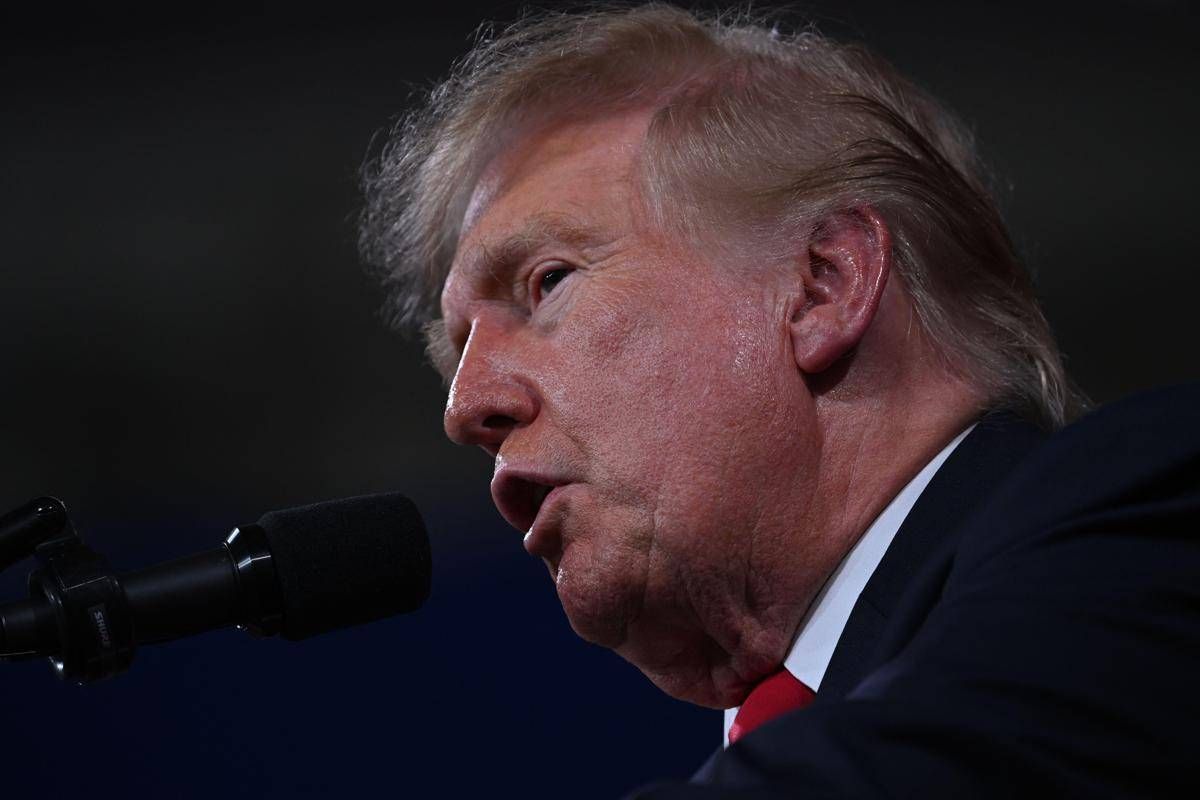
President Donald Trump delivered one of his most sweeping denunciations yet of European immigration policies, accusing leaders across the continent of allowing in people who, he said, hold deep hostility toward the nations welcoming them.
In an interview with Fox News, Trump argued that the social strains confronting countries such as France, Spain and Italy are being driven not by their own citizens but by newcomers who reject the cultures, histories and identities of those countries.
“The people causing problems are the ones who hate Spain, France and Italy, and they don’t come from those countries,” Trump said.
The president painted an especially bleak picture of France, contending that immigration policies have enabled the arrival of individuals who feel contempt for the nation itself.
“They hate their art. They hate their buildings. They hate everything about France. They hate the French, and yet they let them in,” Trump said.
Macron at the Center of Trump’s Criticism
Trump suggested he had been sounding the alarm for years, recalling what he described as an early conversation with French President Emmanuel Macron shortly after Macron entered office.
According to Trump, the message was blunt then and remains unchanged now.
“I told Macron: you’re destroying France. You’re letting people into your country who hate your country,” he said.
The president went further, claiming he raised those concerns almost immediately after Macron took power.
“When I came in, I met him very early and told him he was destroying France,” Trump said.
The remarks amounted to a direct challenge not only to France’s immigration approach but also to the broader policies pursued by several European governments, which Trump portrayed as willingly admitting people who have no attachment to the societies receiving them.
From Europe to Iran
The interview later shifted from immigration to foreign policy, where Trump struck a markedly different tone, portraying his next move on Iran as an unresolved choice rather than a settled strategy.
Asked about Tehran’s future, the president said he has yet to decide whether to pursue diplomacy or take far more drastic action.
“I have to make a decision: do I destroy it, which would be very easy to do, or do I make a deal? That’s the decision.”
Trump also referenced what he called activity at “Pickaxe Mountain.”
“We know what’s happening at Pickaxe Mountain,” he said.
The combination of the two subjects produced a familiar contrast that has long defined Trump’s political messaging: an uncompromising warning on immigration abroad paired with a deliberately open question about how far the United States should go in confronting one of its most persistent adversaries.
(Photo: © AndKronos)