International-News
Netanyahu Says Only Regime Change in Iran Can End the Threat
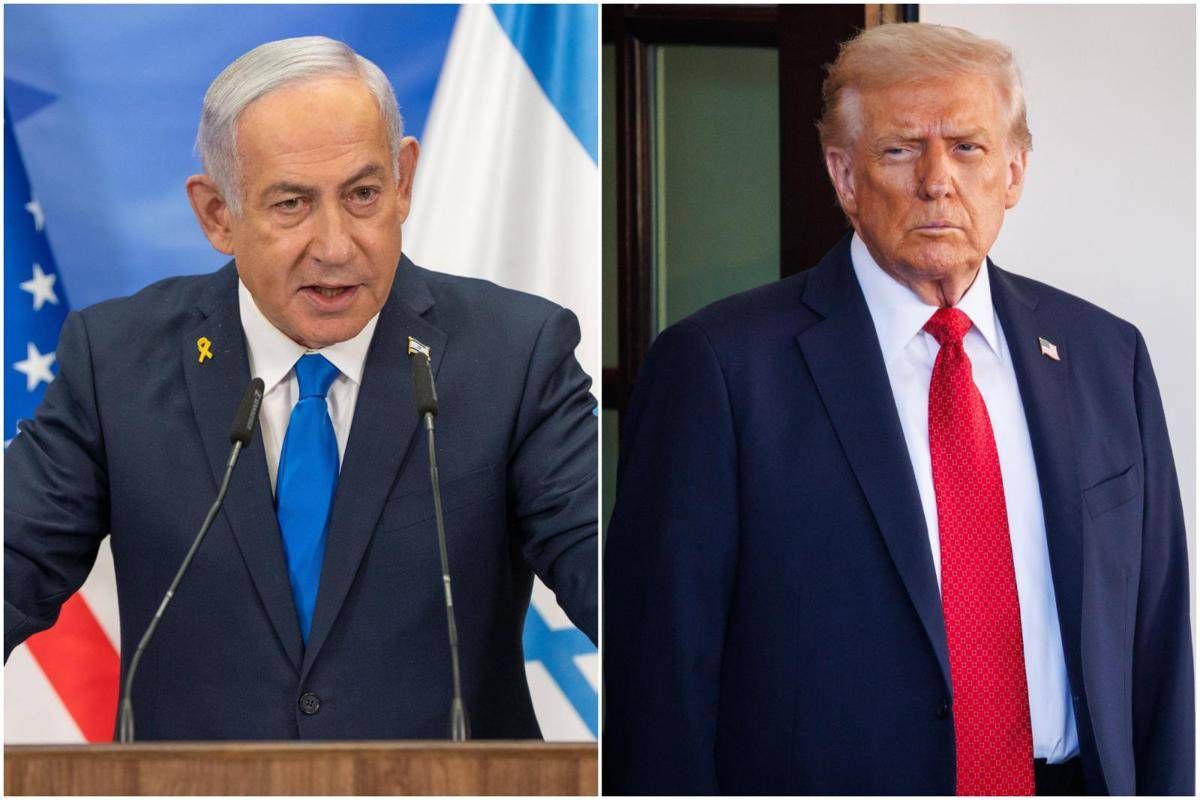
Six days before Israel’s elections, Benjamin Netanyahu called for the overthrow of Iran’s ruling system, while reports emerged that Donald Trump recently opposed an Israeli plan for a new round of strikes against Tehran
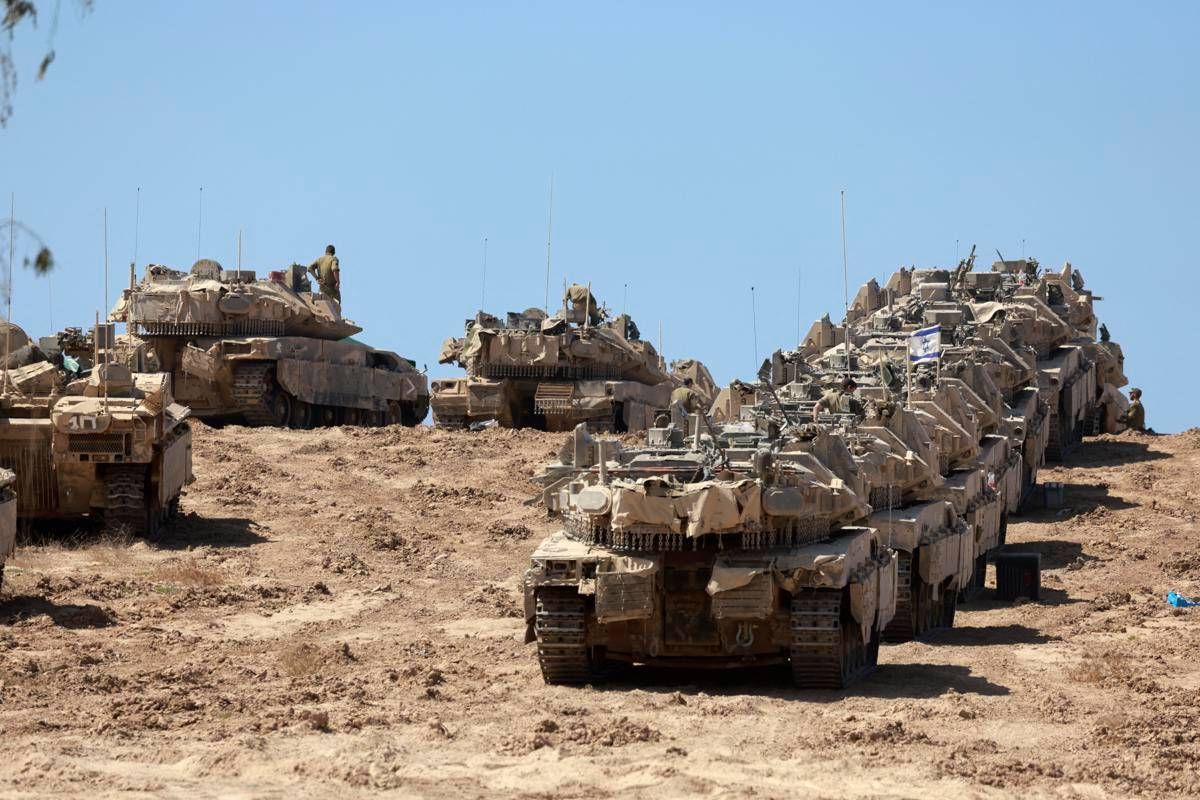
Israel sharply escalated its rhetoric toward Iran on Wednesday, with Prime Minister Benjamin Netanyahu declaring that the only lasting solution to the threat posed by Tehran is the removal of the regime itself, while senior officials warned of possible Iranian actions ahead of Israel’s elections.
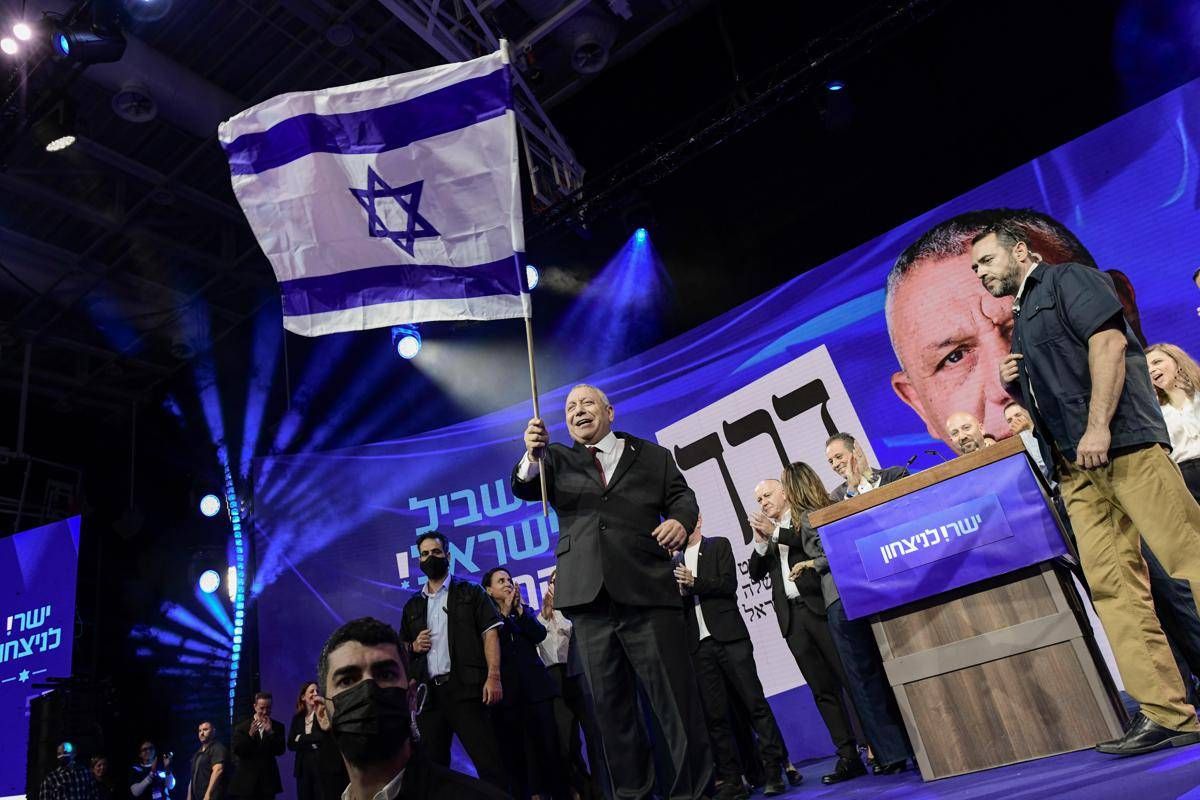
Speaking at a military ceremony in southern Israel six days before voters go to the polls, Netanyahu accused Iran of continuing along the same path despite years of pressure and confrontation. He specifically pointed to Mojtaba Khamenei, saying he had chosen to follow in his father’s footsteps, and claimed that Tehran remains committed to pursuing what he described as “weapons of death.”
“The Iranian regime has not yet learned its lesson,” Netanyahu said. “There is only one way to remove the threat once and for all: overthrow the regime in Iran.”
The Israeli prime minister went on to say that this objective forms part of his directive to the Israel Defense Forces, the Mossad and Israel’s security services.
Report Claims Trump Blocked Planned Israeli Operation
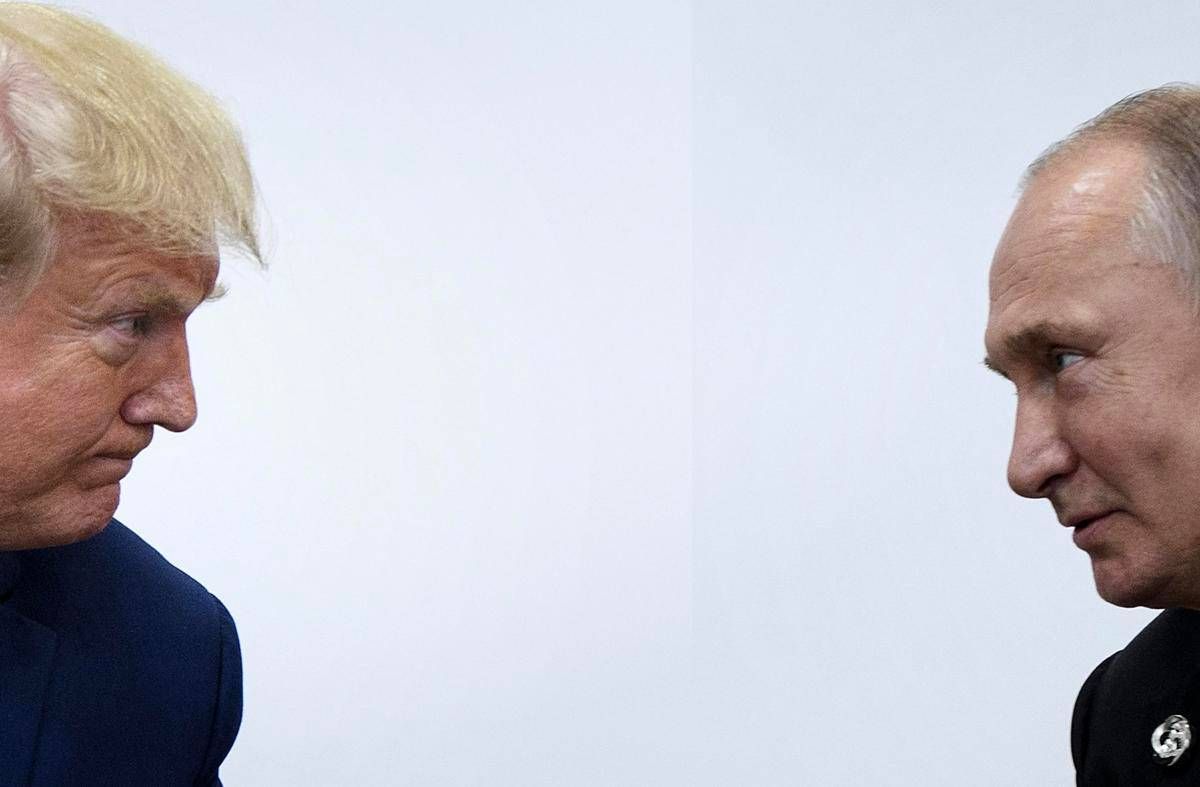
Netanyahu’s remarks came as the Financial Times reported that Israel had been preparing a major military operation against Iran earlier this month before the effort was halted following opposition from U.S. President Donald Trump.
According to three people familiar with the matter cited by the newspaper, the Israel Defense Forces were ready to launch attacks during the weekend of October 10. The proposed targets reportedly included Iranian nuclear facilities, regime sites and civilian infrastructure, including power stations.
The report said Trump decided against the resumption of hostilities before the U.S. midterm elections scheduled for November 3.
Sources quoted by the Financial Times said the planned strikes would have been more extensive than the military action carried out by the United States and Israel in February. It remains unclear whether American forces would have directly participated in the operation.
One source described renewed attacks in the coming weeks as “not an unreasonable scenario.” Another said Israel had prepared a revised target list that included civilian infrastructure sites that had not previously been attacked.
A separate source suggested the military preparations may have served, at least in part, as a negotiating tactic, while stressing that any eventual decision to resume fighting rested with Trump.
Katz Warns Iran Against Interfering in Elections
Israeli Defense Minister Israel Katz used the same military ceremony to deliver a warning of his own, arguing that Tehran and its regional allies could attempt to influence events around Israel’s upcoming election.
“In recent days, we have identified attempts by our enemies, foremost among them Iran and its proxies, to carry out terrorist attacks that could affect the results of Israel’s elections,” Katz said.
He described the Iranian regime as “weaker than ever,” but argued that such weakness could make it more unpredictable.
“We believe this weakness could drive it toward the most extreme measures, including against the State of Israel,” he said.
Katz also issued a direct threat to Tehran.
“If Iran attacks Israel, Iran will burn.”
He added that Israeli authorities were detecting hostile activity, were prepared to thwart any attacks and stood ready to respond with full force.
Iran Threatens Strategic Communications Infrastructure
Iranian officials, meanwhile, continued to raise the stakes with warnings of their own.
Yadollah Javani, a general in the Islamic Revolutionary Guard Corps, said Iran could target critical submarine communication cables if the United States and its allies attack infrastructure belonging to the Islamic Republic.
Speaking to the Iranian broadcaster Al-Alam in comments later carried by Al Jazeera, Javani said Tehran would use the full extent of its capabilities if its infrastructure came under attack.
“The Islamic Republic can easily destroy their assets, including the seven major cables through which internet traffic passes beneath the waters of the Strait of Hormuz,” he said.
Javani also warned that Iran could inflict “very severe damage” on the United States and its allies in the region.
The comments followed previous threats from Tehran involving artificial intelligence data centers and undersea communications networks in the event that military strikes against Iran resume.
Earlier this week, Mohsen Rezaei, head of Iran’s National Security Council, warned that Tehran “has not yet played all of its cards.”
Putin Signals Moscow’s Readiness to Help
As tensions continued to rise, Russia signaled that it could play a role in efforts to defuse the crisis.
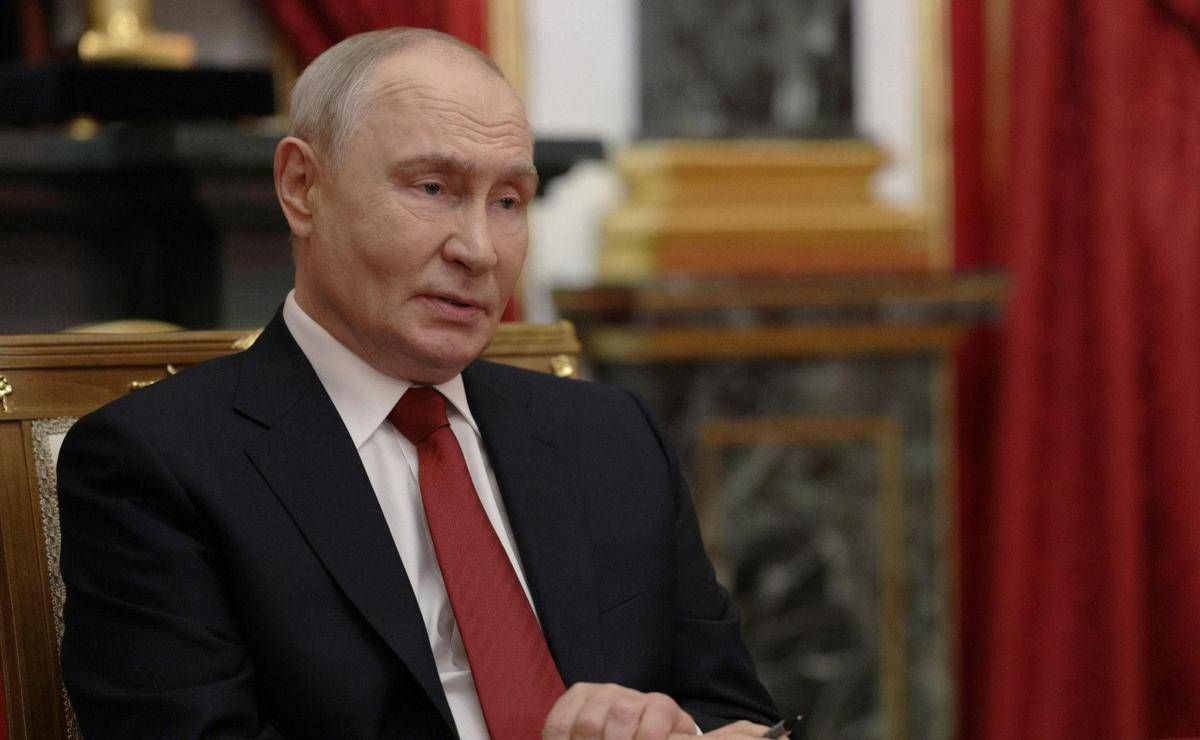
During a meeting in St. Petersburg with U.S. envoy Steve Witkoff, Russian President Vladimir Putin said Moscow was prepared to assist in finding a solution.
“If we can do anything to resolve this crisis, we will be happy to do so,” Putin said.
The Russian leader noted that Moscow maintains what he described as a “special and trusting relationship” with Tehran, ties that have been built over decades and which Russia believes could prove valuable in addressing the growing confrontation.
THE LATEST NEWS
[recent_post_slider design=”design-07″ show_author=”false” slider_height=”390″ lazyload=”progressive” limit=”6″ category=”11728″]
(Photo: © AndKronos)