
Regional tensions intensified after Iranian authorities reported three tanker incidents near the Strait of Hormuz, even as mediators pushed a...
Read More
International-News
Is Britain Ready for War? Former Government Adviser Says No
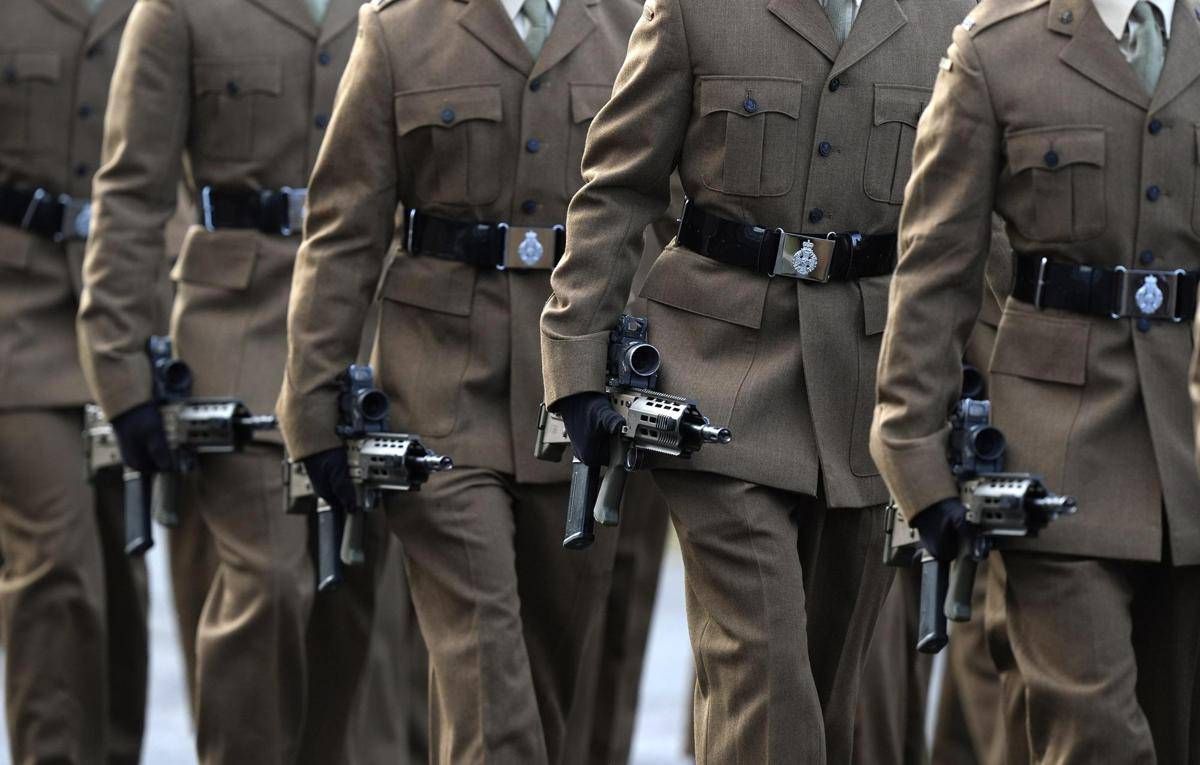
Former adviser to Chancellor Philip Hammond says the U.K.’s force structure and spending priorities leave the country ill-prepared for a long conflict despite growing security threats
The United Kingdom would struggle to sustain a long-term military conflict despite growing geopolitical risks and mounting pressure to strengthen its defenses, according to defense and public spending expert Hamish Mundell.
Mundell’s assessment follows recent remarks by British Army chief General Roly Walker, who urged political leaders to have an honest conversation with the public about the sacrifices that could be required if the country is to prepare for the possibility of war. Speaking to Adnkronos, Mundell argued that Britain remains some distance from that goal.
“Although both the government and civil society are determined to avoid it by every possible means, the United Kingdom is not yet prepared to fight a prolonged war,” he said.
At the heart of the problem, Mundell argues, is the structure of Britain’s armed forces. The military relies heavily on expensive full-time personnel while lacking a sufficiently large reserve force that could be mobilized during an extended conflict.
That imbalance, he said, is becoming more apparent as other European nations accelerate their military preparations.
“The United Kingdom is falling behind while Germany, France, Poland and other European countries are rearming at a faster pace and adopting the legal and industrial measures necessary to prepare for wartime mobilization if needed,” Mundell said.
The challenge, however, extends beyond military planning. It is also tied to a politically sensitive debate over public spending and national priorities.
Mundell pointed to what he described as the central dilemma facing British policymakers: how to increase defense spending without undermining the country’s social welfare commitments. In his view, Prime Minister Andy Burnham’s statement that “national security cannot come at the expense of social security” captures the core tension now confronting the government.
Walker’s call for sacrifice, Mundell said, can be interpreted as a direct challenge to the idea that continuously expanding welfare spending remains sustainable at a time of rising international threats. While the next budget is expected to reduce funding for departments such as energy, he argued that welfare spending remains the most obvious target if Britain is to reach NATO’s 3.5% defense spending benchmark.
The urgency of that debate, he added, is heightened by what he sees as a continuing Russian threat. Beyond the war in Ukraine, Mundell cited drone operations targeting sites across Europe and cyberattacks against technological infrastructure as evidence that the security environment is becoming increasingly volatile.
“While it is far from certain that Britain will be drawn into a future war, a lack of preparation makes that outcome much more likely,” he said.
Mundell believes Moscow has closely watched both the course of the war in Ukraine and the political divisions that have emerged among Western allies. In his assessment, Russia sees an opportunity to reshape the regional balance of power by exploiting European hesitation and signs of transatlantic friction.
The risk of the conflict expanding beyond Ukraine should not be dismissed, he warned.
“It is entirely conceivable that, once the Ukraine issue is resolved, Moscow could decide to test NATO by attacking one of its members in order to challenge the alliance’s Article 5 collective defense commitment,” Mundell said. Under Article 5, an armed attack against one NATO member is considered an attack against all alliance members.
If Russia were able to expose divisions within the alliance and demonstrate that mutual defense guarantees do not function as intended, he argued, the country could emerge as the dominant military power in the region.
THE LATEST NEWS
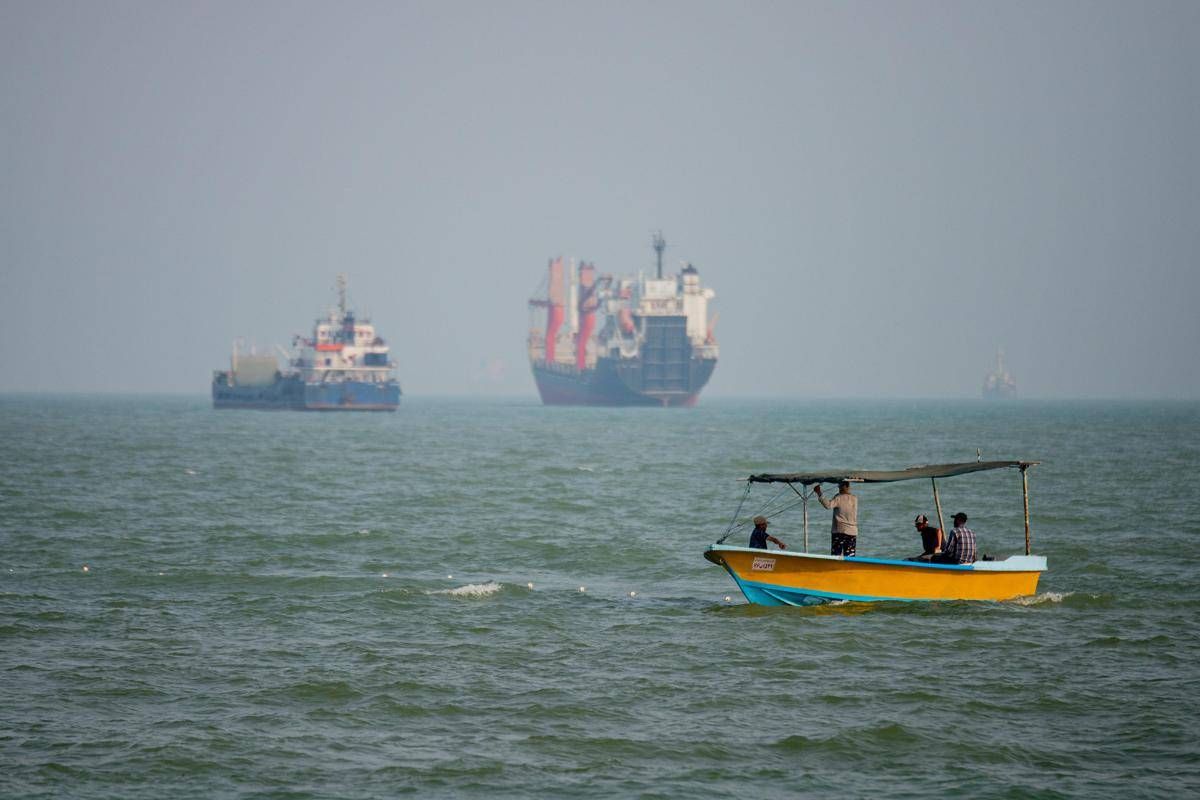
Prince Harry Says He Wants Reconciliation With the Royal Family
20 October 2026
The Duke of Sussex calls reconciliation "the most important thing" and urges people not to carry family conflicts forever After...
Read More
Is Britain Ready for War? Former Government Adviser Says No
20 October 2026
Former adviser to Chancellor Philip Hammond says the U.K.'s force structure and spending priorities leave the country ill-prepared for a...
Read More
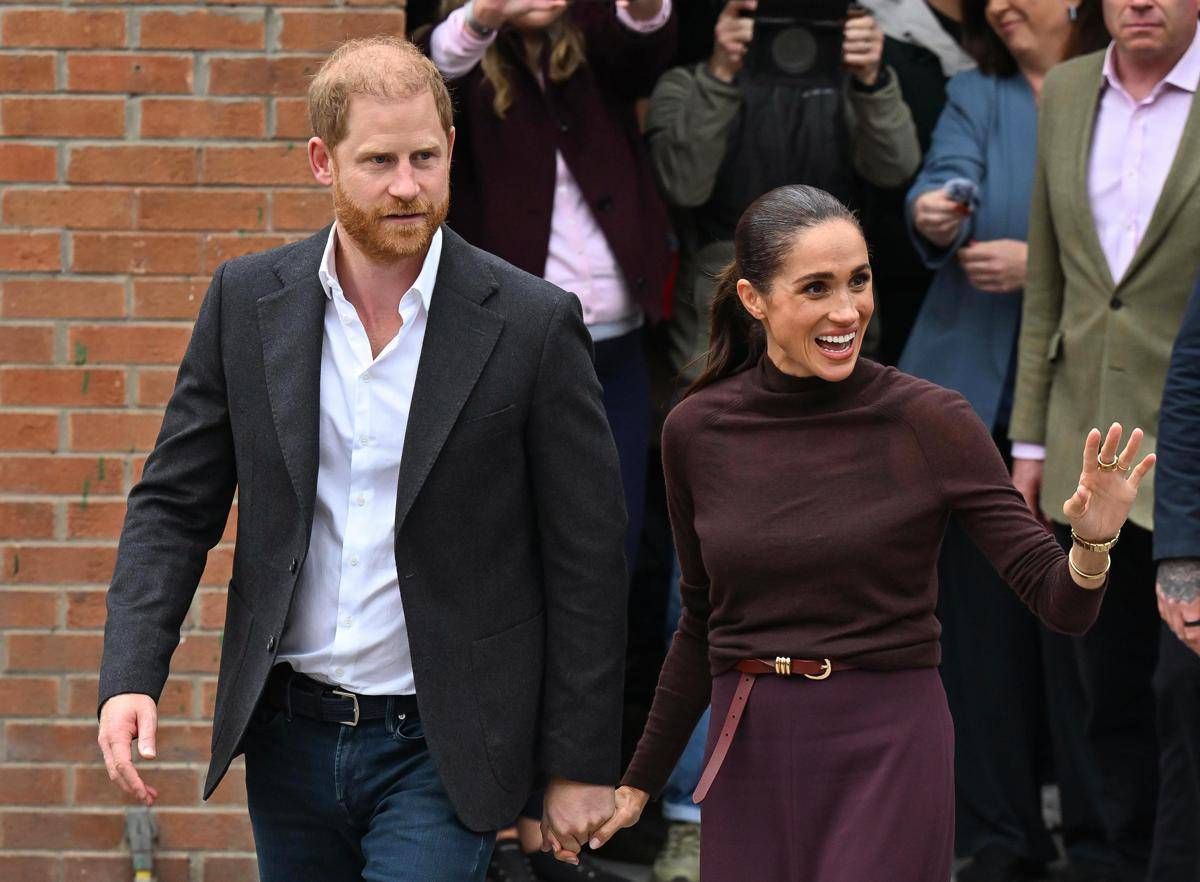
Macron’s Election-Year Crisis: France Imposes Curfews After Unrest
20 October 2026
Violence, looting and mass arrests following nationwide cost-of-living protests have pushed the French government into emergency mode, with new demonstrations...
Read More
Trump Wants Ukraine Talks With Putin and Xi, Not Zelensky
20 October 2026
A potential trilateral summit in China would bring together the leaders of the United States, Russia and China while the...
Read More
Iran’s Nuclear Taboo Is Crumbling as Hardliners Push for the Bomb
20 October 2026
The death of Ali Khamenei, the war involving the United States and Israel, and uncertainty over the new supreme leader's...
Read More

(Photo: © AndKronos)









You must be logged in to post a comment Login