
International-News
Paraguay Bank Crisis Deepens as President Peña Announces Resignation
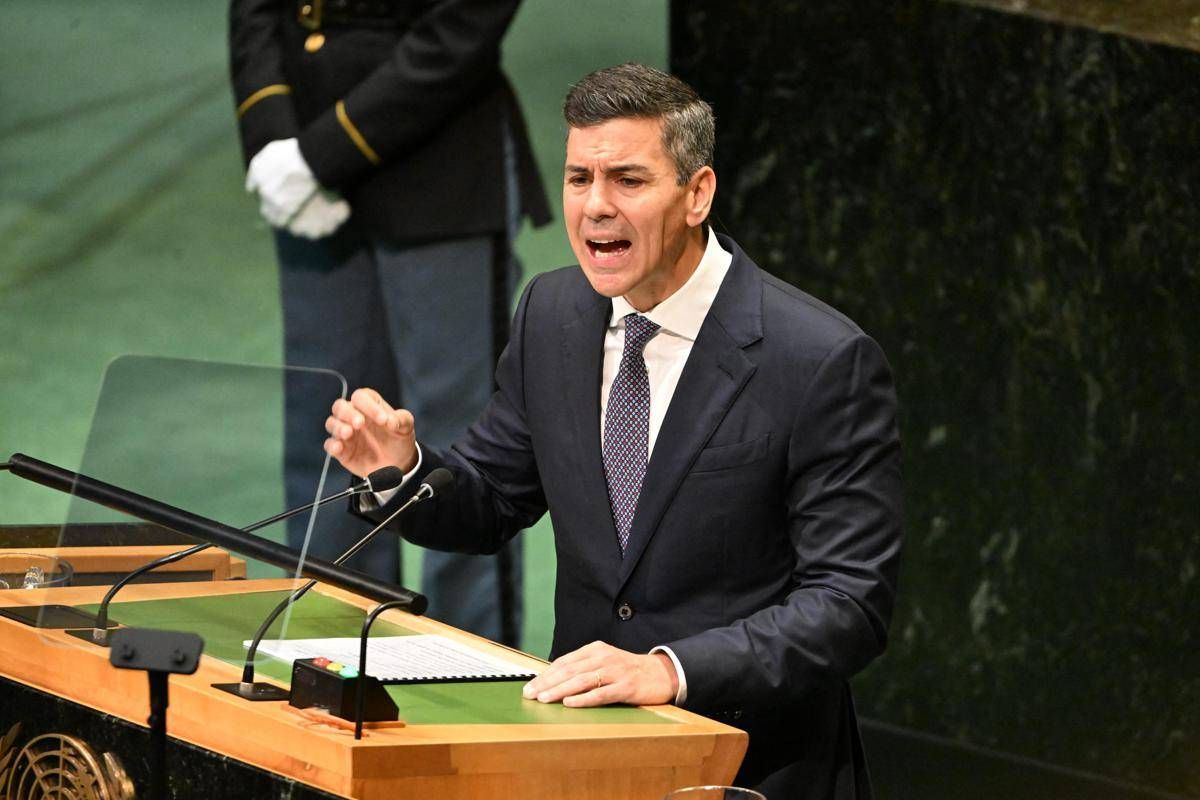
The collapse of Ueno Bank has left millions of customers, including pensioners, unable to access their money. The fallout has reached the highest levels of government, with opposition lawmakers seeking impeachment and senior banking officials facing arrest warrants
Millions of Paraguayans have been unable to access their bank accounts after the collapse of Ueno Bank, a financial institution linked to President Santiago Peña. The crisis has triggered street protests in Asunción, arrest warrants for eight senior bank executives and a political confrontation that culminated in Peña announcing his resignation.
In a video posted on X, Peña apologized to the public for failing to meet expectations and said he had never intended to betray the trust placed in him. His announcement came a day after opposition lawmakers called for his impeachment over the bank’s collapse.
The immediate impact has fallen on Ueno’s customers, among them large numbers of pensioners who have found themselves unable to withdraw their savings. The bank says it has more than three million customers — nearly half the country’s population — and manages millions of dollars in pension payments and other state funds.
The scale of the disruption became visible on the streets of Asunción. On Tuesday and Wednesday, customers gathered outside Ueno branches in long lines, trying to recover their money. Protests followed as anger mounted over the suspension of banking services and uncertainty about when deposits would be returned.
The Central Bank has taken control of Ueno, citing a severe capital shortfall. It said the intervention was intended to protect depositors and preserve the stability of the financial system. The bank’s services have been suspended while authorities organize the repayment of deposits and begin liquidation proceedings.
Peña had sought to contain the public anger before announcing his resignation. In an earlier video message, he insisted that Paraguay’s financial system remained solid and had institutions and safeguards capable of managing the crisis. He also promulgated a law intended to allow depositors to recover part of their money from guarantee funds as quickly as possible.
Under the new measure, payments are to be made within five days.
The crisis has also shaken the country’s financial leadership. At Peña’s request, Central Bank President Carlos Carvallo resigned on Tuesday. Carvallo had previously headed Ueno Bank.
Meanwhile, arrest warrants were issued for eight senior Ueno executives, including the bank’s chairman, Miguel Vazquez, who turned himself in to police.
The intervention, the suspension of services and the liquidation process have left the authorities facing an urgent challenge: restoring access to deposits held by millions of customers while containing the wider consequences of the bank’s collapse.
(Photo: © AndKronos)

Paraguay Bank Crisis Deepens as President Peña Announces Resignation
The collapse of Ueno Bank has left millions of customers, including pensioners, unable to access their money. The fallout has...

Duplice omicidio a Villa Pamphili, Kaufmann condannato all’ergastolo
La Prima Corte d’Assise di Roma ha accolto le richieste della Procura: tre anni di isolamento diurno per l’uomo accusato...

El Niño Could Become One of the Strongest on Record as Climate Funding Falls Short
The phenomenon is expected to intensify through December, raising the risk of droughts and floods worldwide. Governments from Peru to...
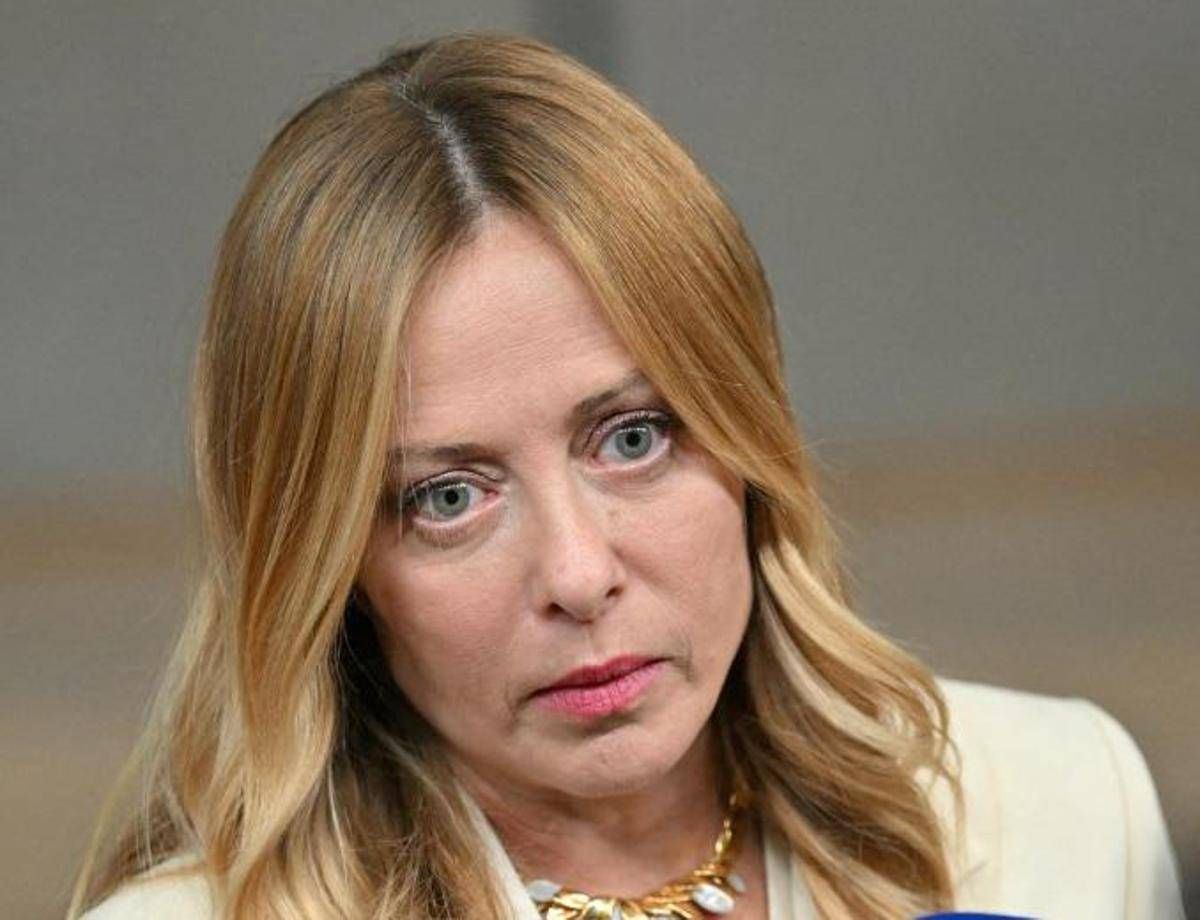
Meloni: «Dopo il voto Usa, per l’Italia non cambia nulla»
La premier commenta le elezioni di metà mandato americane: Washington resta un alleato fondamentale, qualunque sia la maggioranza al Congresso...
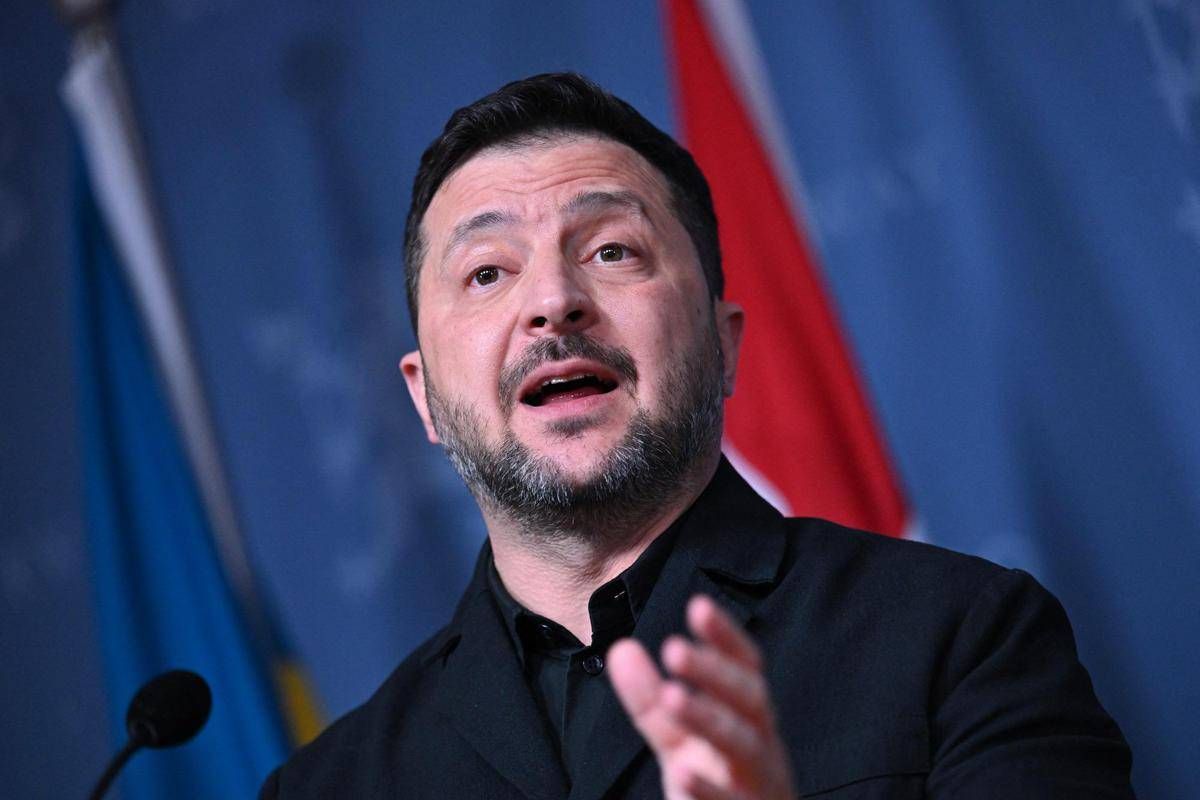
Zelensky Sees Chance for More U.S. Aid After Democratic Midterm Gains
The Ukrainian president says stronger congressional support could influence Vladimir Putin, as Kyiv and Moscow trade attacks on strategic targets...
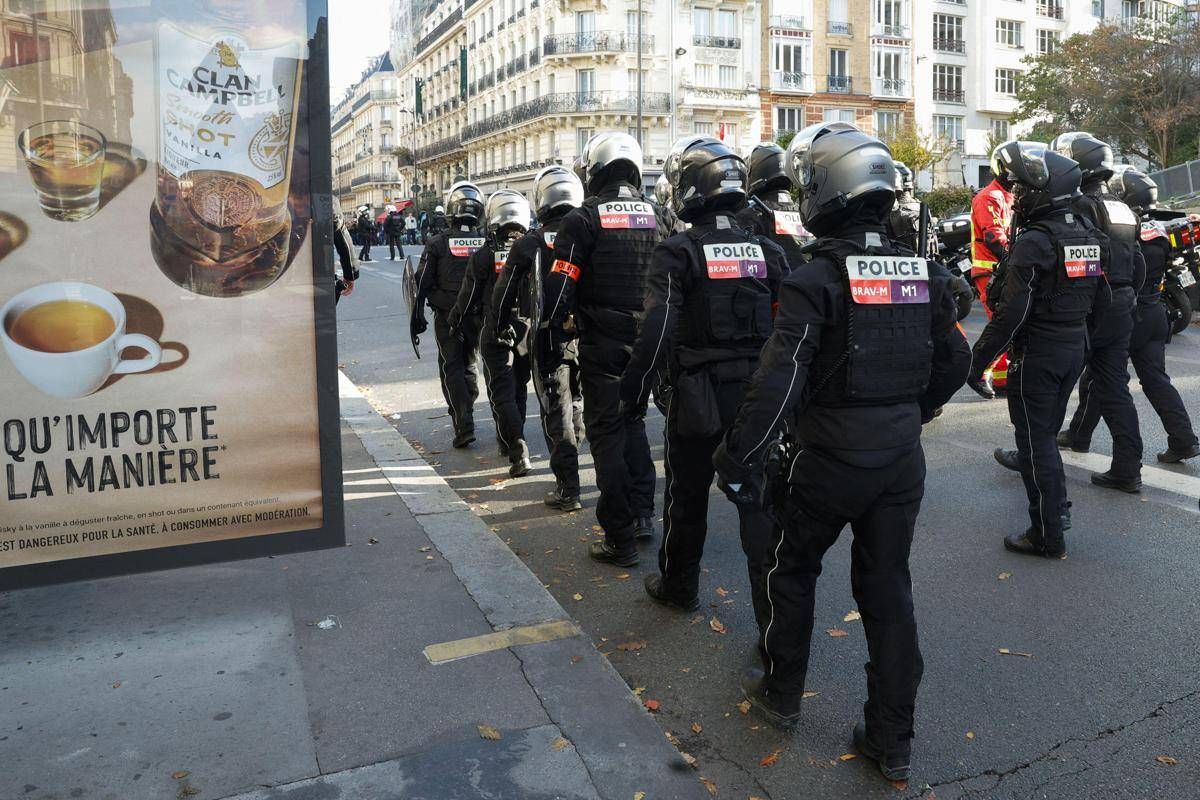
Sciopero generale in Francia contro il caro vita, attesi 700mila in piazza
Proclamate 244 manifestazioni contro il caro vita. Trasporti, scuole, ospedali e servizi postali coinvolti dalla mobilitazione Fino a 700mila persone...
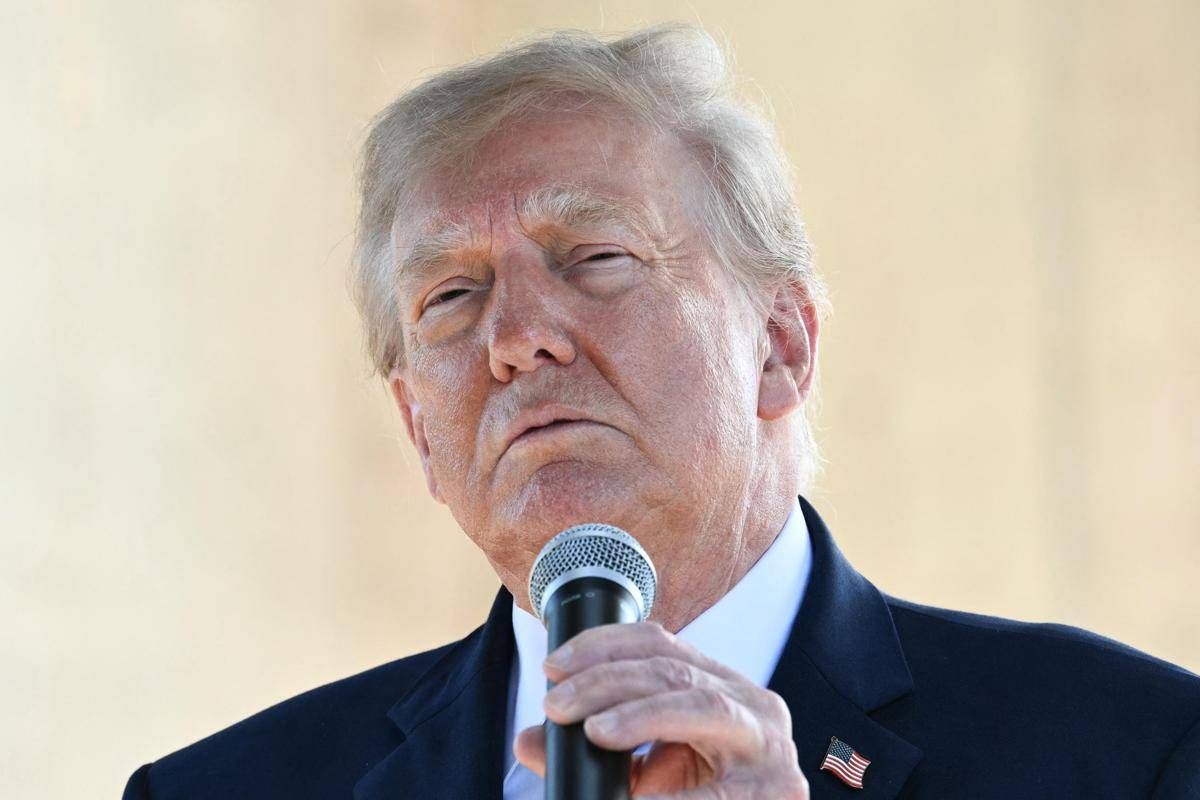
Iran War Becomes a Political Liability for Trump After Midterm Defeat
The president acknowledges the conflict hurt Republicans but refuses to change course. Steve Bannon is demanding an independent investigation, while...
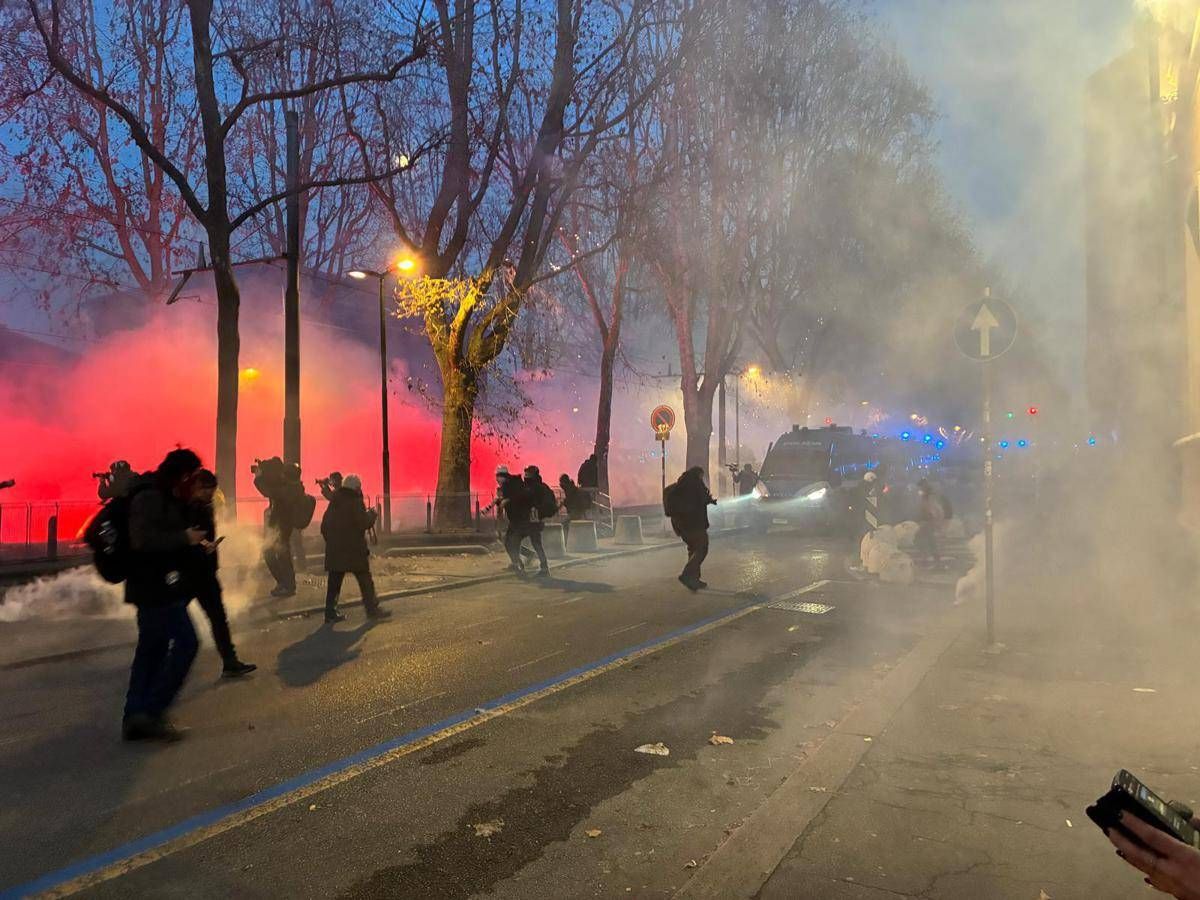
Askatasuna, 16 misure cautelari per gli scontri del 31 gennaio a Torino
L’operazione è condotta dalla polizia e coordinata dalla procura. Previsti, tra gli altri provvedimenti, carcere, domiciliari e divieti di dimora...

Roma, 24enne muore in un incidente in Vespa sul Foro Italico
Lo schianto è avvenuto all’altezza del civico 430, in direzione San Giovanni. La Polizia Locale sta ricostruendo la dinamica Aveva...


Allarme bomba su un volo Dublino-Roma, atterraggio d’emergenza in Francia
L’Airbus A320 della Aer Lingus è stato dirottato verso una base militare a Evreux. L’ufficio del primo ministro francese segue...

Trump: «La guerra finisce quando voglio io». Vance lo mette sotto accusa
Il vicepresidente attribuisce al conflitto la responsabilità principale della disfatta elettorale e chiede di cambiare rotta su guerra, inflazione e...

Ukraine, U.S. and Russia Prepare New Trilateral Talks Within a Week
President Volodymyr Zelensky says Kyiv has delivered its proposals to Washington and is ready to take the steps needed to...
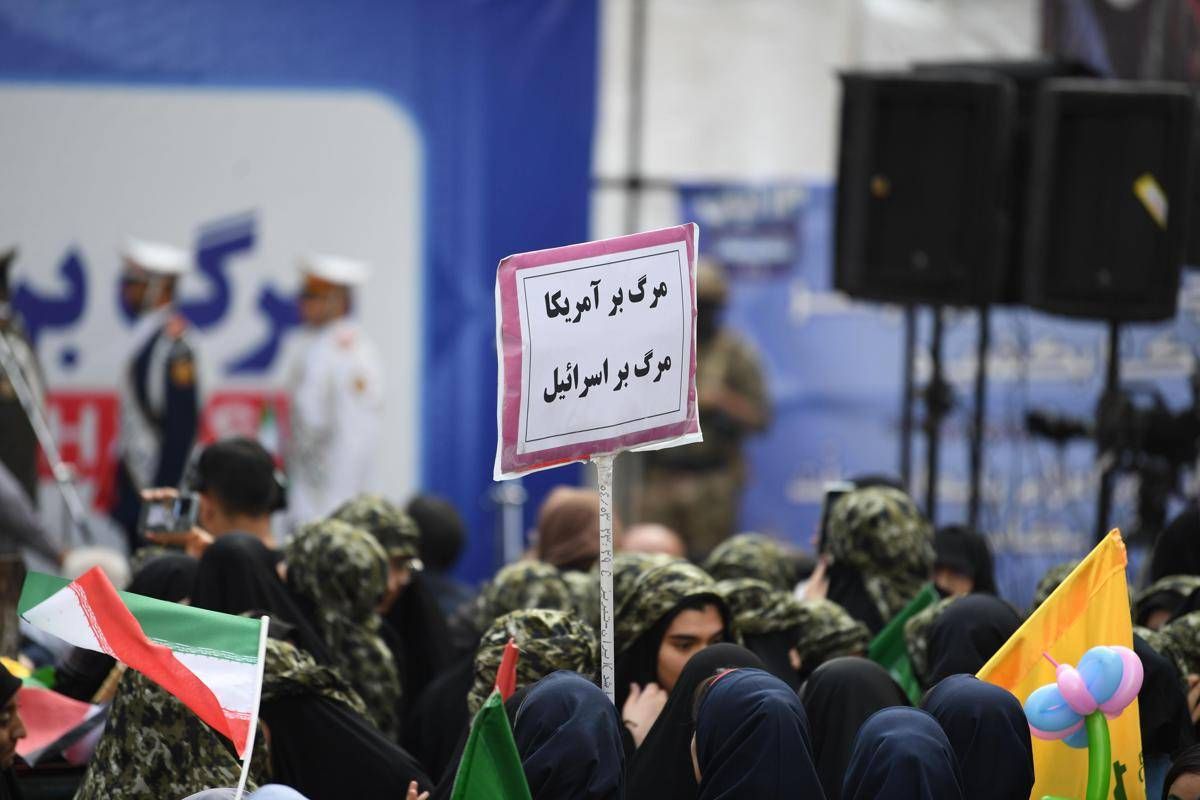
Iran minaccia l’Europa: «Missili anche contro Italia e Germania»
Teheran avverte Washington: se gli Stati Uniti useranno le basi militari europee per attaccare il Paese, anche gli Stati che...

Egitto, arrestato l’ex marito di Nessy Guerra: «Un passo avanti»
La 27enne sanremese lo ha annunciato in un video sui social. L’uomo resterà in stato di fermo fino alla conclusione...

Accordo Electrolux, dimezzati gli esuberi: 902 uscite volontarie
Salvi gli stabilimenti italiani, oltre 100 milioni di investimenti e continuità produttiva. A Cerreto d’Esi scongiurata la chiusura Da 1.719...

Musetti domina Zverev: 7-6, 6-2 contro il nuovo numero 1
Dopo un primo set combattuto, il toscano prende il controllo della partita e chiude in un’ora e 42 minuti Alexander...
You must be logged in to post a comment Login