
International-News
Carney Draws a Line on Trump Tariffs, Signaling Canada Can Afford to Wait
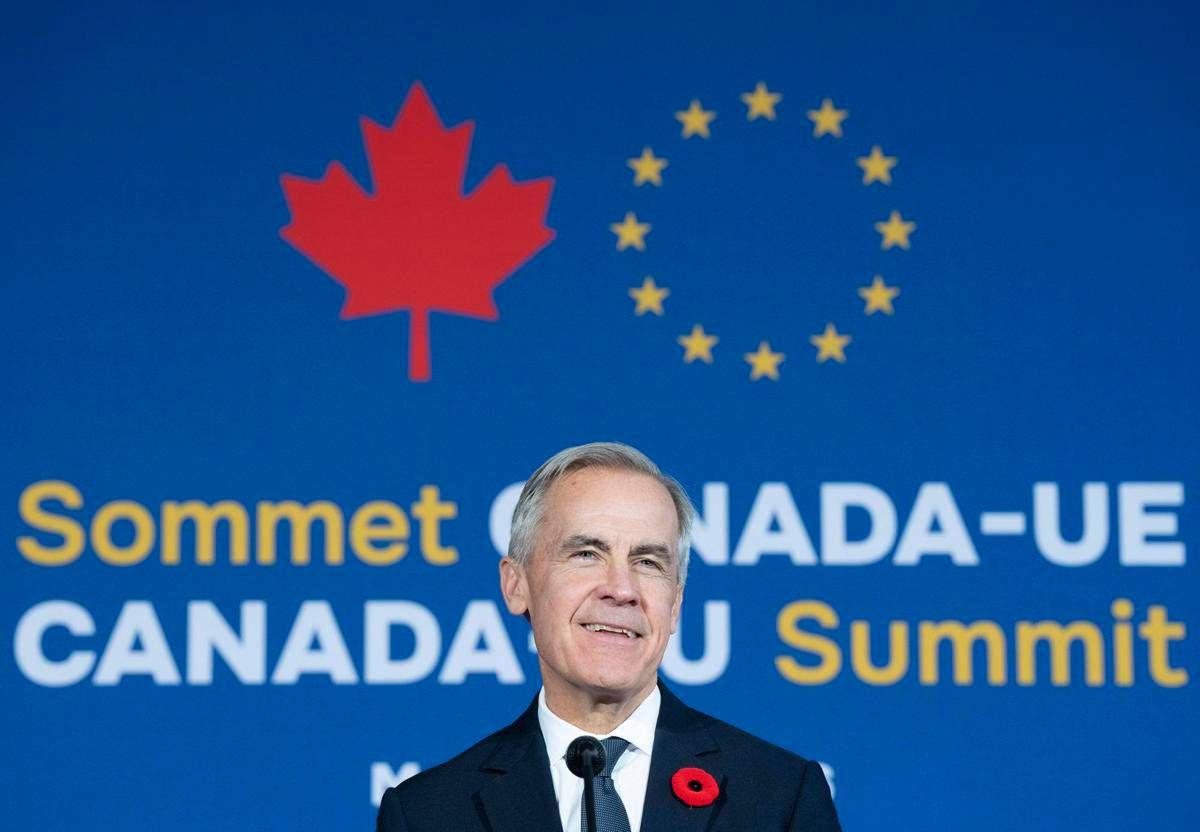
The Canadian prime minister says Ottawa will not accept a weak trade agreement simply to ease tensions with Washington, betting that economic pressure and political uncertainty in the United States may eventually strengthen Canada’s hand
Canada is prepared to wait.
That was the unmistakable message from Prime Minister Mark Carney, who signaled that Ottawa would rather endure a prolonged trade confrontation than accept a tariff agreement that fails to serve Canadian interests. In doing so, Carney raised the stakes in a dispute that has become a test not only of North American trade relations but also of Canada’s willingness to resist pressure from a far larger economic partner.
Speaking to Politico, Carney rejected the idea that a deal with the Trump administration should be pursued for its own sake. If negotiations fail to produce acceptable terms, Canada is willing to let the impasse continue, even if that means leaving the issue unresolved until a future U.S. administration takes office.
The significance of the remarks lies less in the trade dispute itself than in the strategic calculation behind them. For months, the central question surrounding the tariff negotiations has been how long Ottawa would be willing to tolerate uncertainty. Carney’s answer was clear: longer than many in Washington may have assumed.
By publicly embracing the possibility of a drawn-out standoff, the Canadian leader sought to demonstrate that time is not necessarily working against his government. He argued that the economic consequences of a prolonged dispute would not stop at the border, warning that American businesses and consumers would also pay a price if trade tensions remain unresolved.
The comments reflect a broader shift in tone from Ottawa, where frustration with the United States appears to be extending beyond trade. Carney said Canadians have grown weary of recurring disputes and provocations originating from Washington, a pointed acknowledgment of the strain that has emerged in a relationship often described as one of the closest in the world.
That frustration was also evident in his assessment of U.S. foreign policy. Carney criticized what he described as uncertainty in Washington’s approach to the war in Ukraine, pointing to fluctuations in U.S. positions on sanctions against Russia and on the provision of defensive support to Kyiv. Such inconsistency, he suggested, has complicated efforts by allies seeking a coherent and predictable Western strategy.
At the same time, the prime minister pushed back forcefully against suggestions that Canada has moderated its engagement with Europe out of concern for how President Donald Trump might react. Asked whether fears of retaliation had constrained Ottawa’s efforts to strengthen ties with the European Union, Carney dismissed the notion outright.
“Absolutely not. That road leads to madness,” he said.
Taken together, the remarks amount to more than a defense of Canada’s negotiating position. They offer a broader statement about Canada’s place in a period of geopolitical uncertainty: a country determined to preserve room for independent action, deepen relationships beyond Washington when it sees fit, and resist what it views as unfavorable pressure from its closest ally.
For now, Ottawa appears willing to accept the economic and diplomatic costs that come with that approach. Whether Washington is equally prepared for a prolonged confrontation may prove to be the next chapter of the story.
(Photo: © AndKronos)


Ucraina, Rubio frena sulla pace: «Accordo difficile nei prossimi mesi»
Secondo fonti diplomatiche citate da Radio Free Europe, il segretario di Stato americano avrebbe espresso forti dubbi sulla possibilità di...
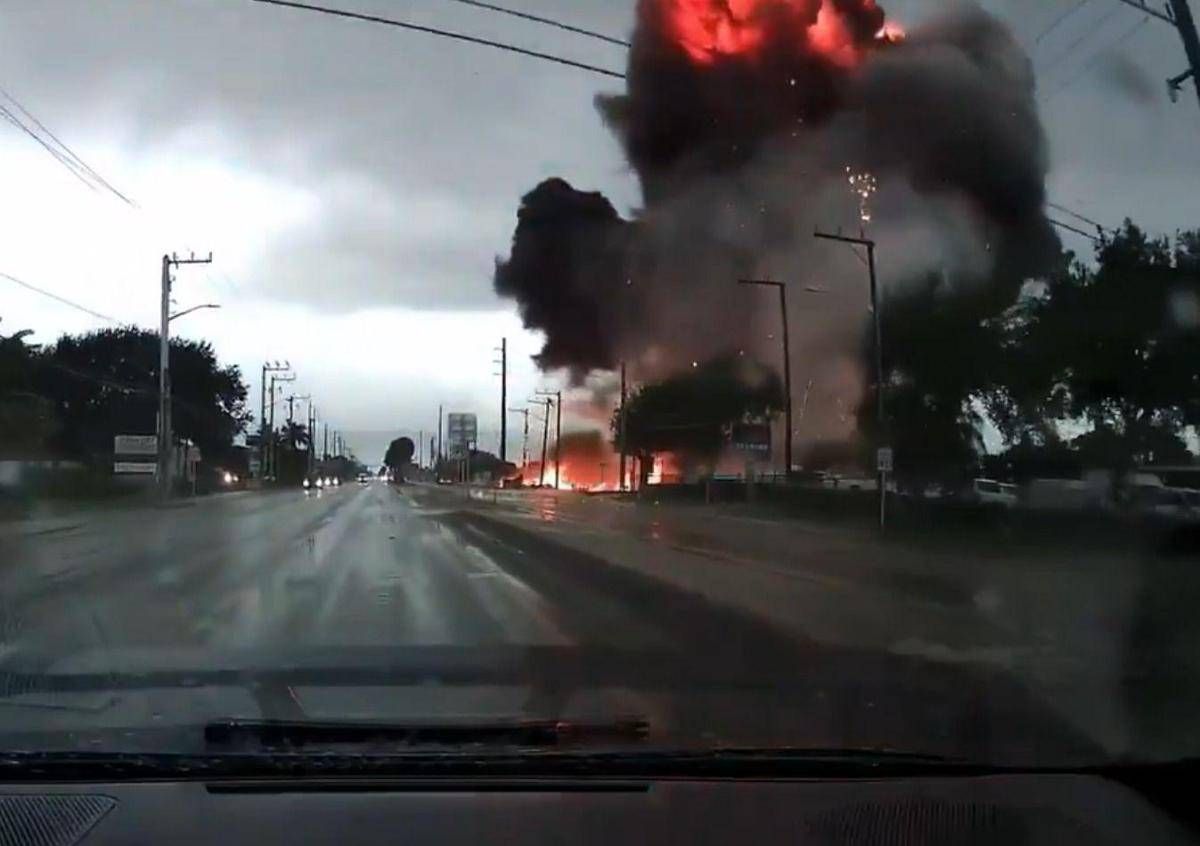
Palm Beach Plane Crash Kills Nine Aboard Learjet 60 Bound for Bahamas
Federal investigators are examining the sudden loss of altitude that preceded the crash of a private jet in a residential...
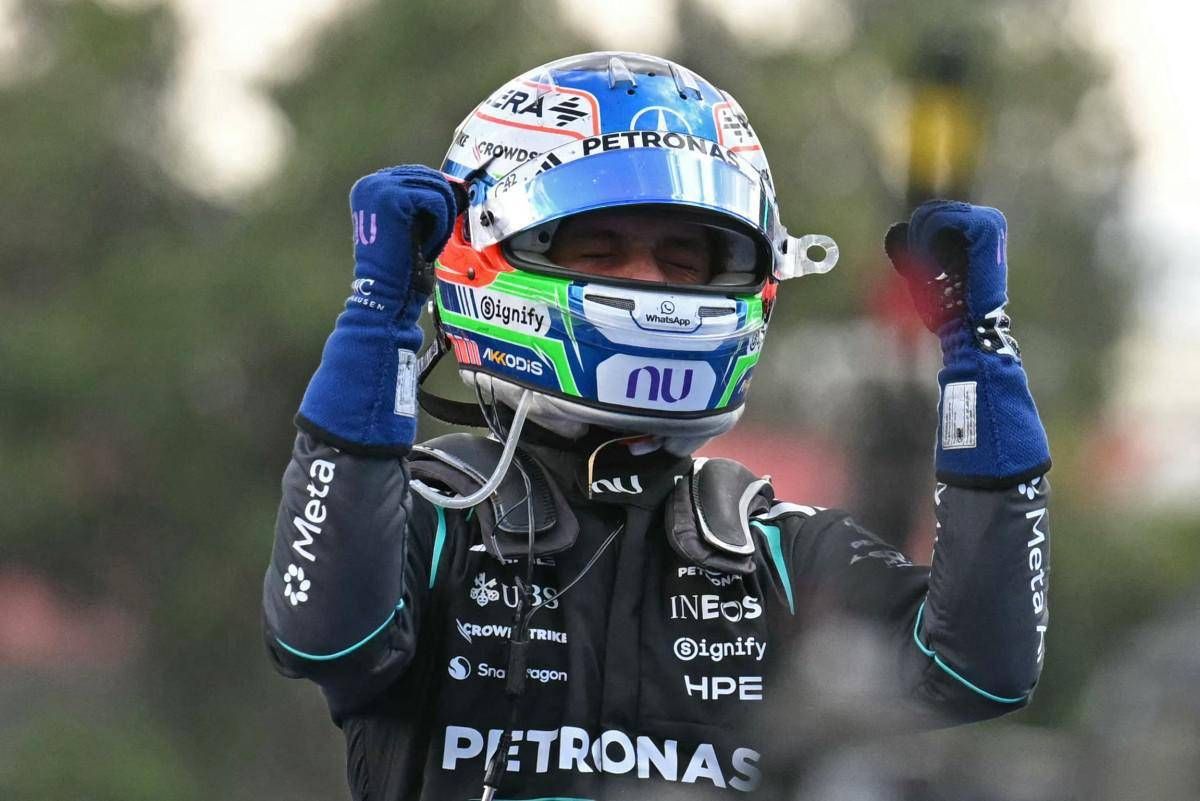
Kimi Antonelli Clinches Formula 1 World Championship, Ending Italy’s 73-Year Wait
The 20-year-old Mercedes driver secures the title with a podium finish in Mexico City, becoming the youngest Formula 1 world...
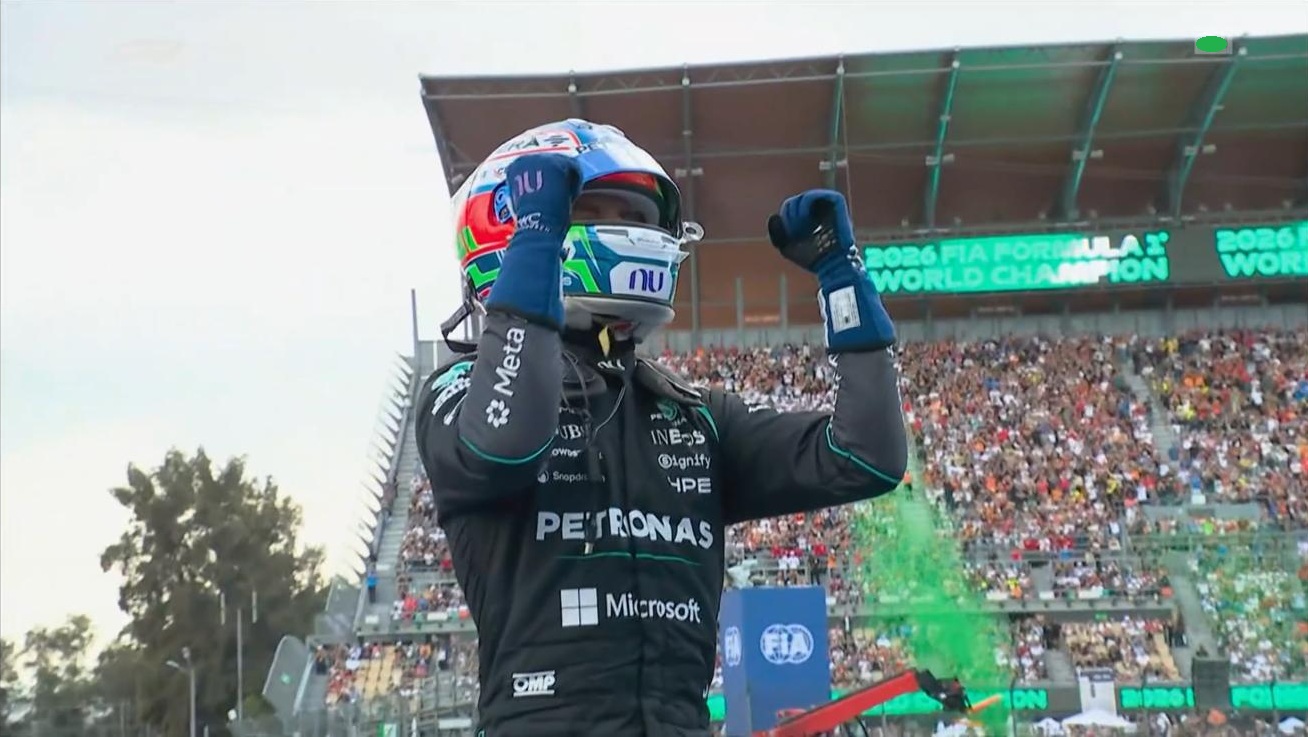
Kimi Antonelli campione del mondo: l’Italia torna sul tetto della F1
Il terzo posto in Messico consegna il titolo al ventenne bolognese: l’ultimo italiano a riuscirci era stato Alberto Ascari nel...
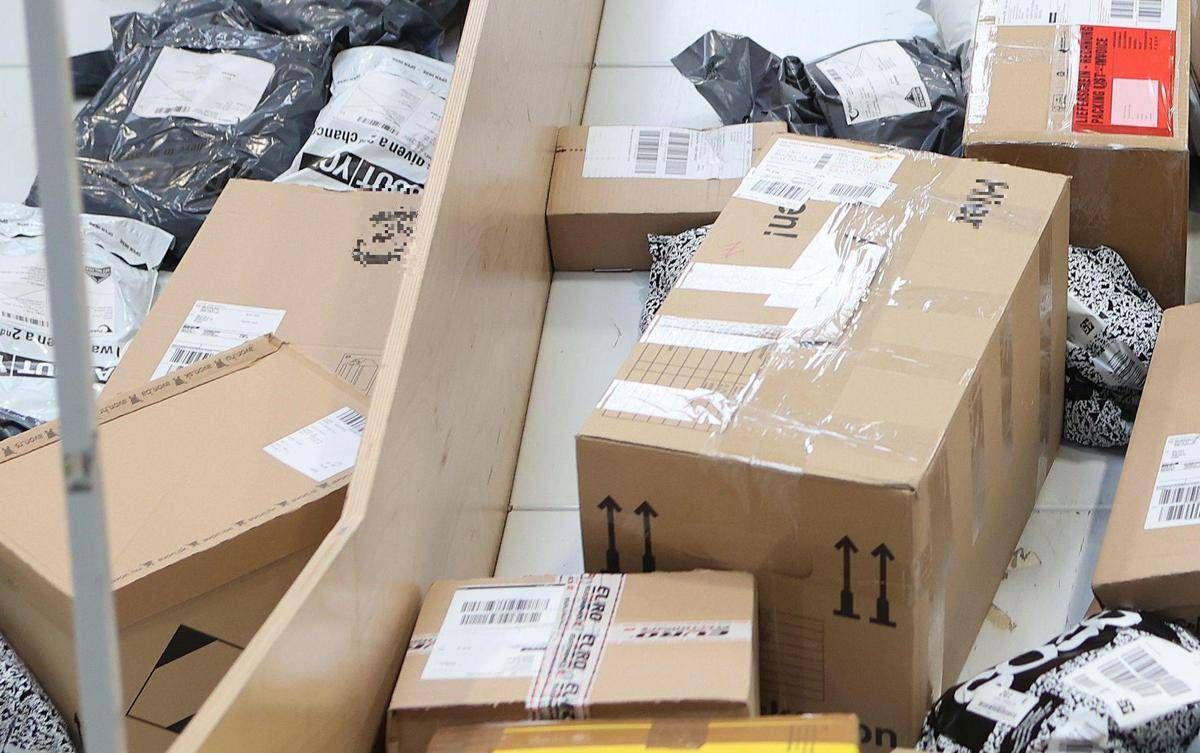
Tassa sui piccoli pacchi, il governo cancella il contributo da 2 euro
Il prelievo nazionale da 2 euro viene archiviato prima della sua entrata in vigore, mentre resta operativo quello europeo, con...

Halloween Weekend Gun Violence Leaves 6 Dead, Dozens Injured Across U.S.
Fatal shootings in Texas, Alabama and California turned Halloween celebrations into crime scenes, underscoring a surge of violence that unfolded...
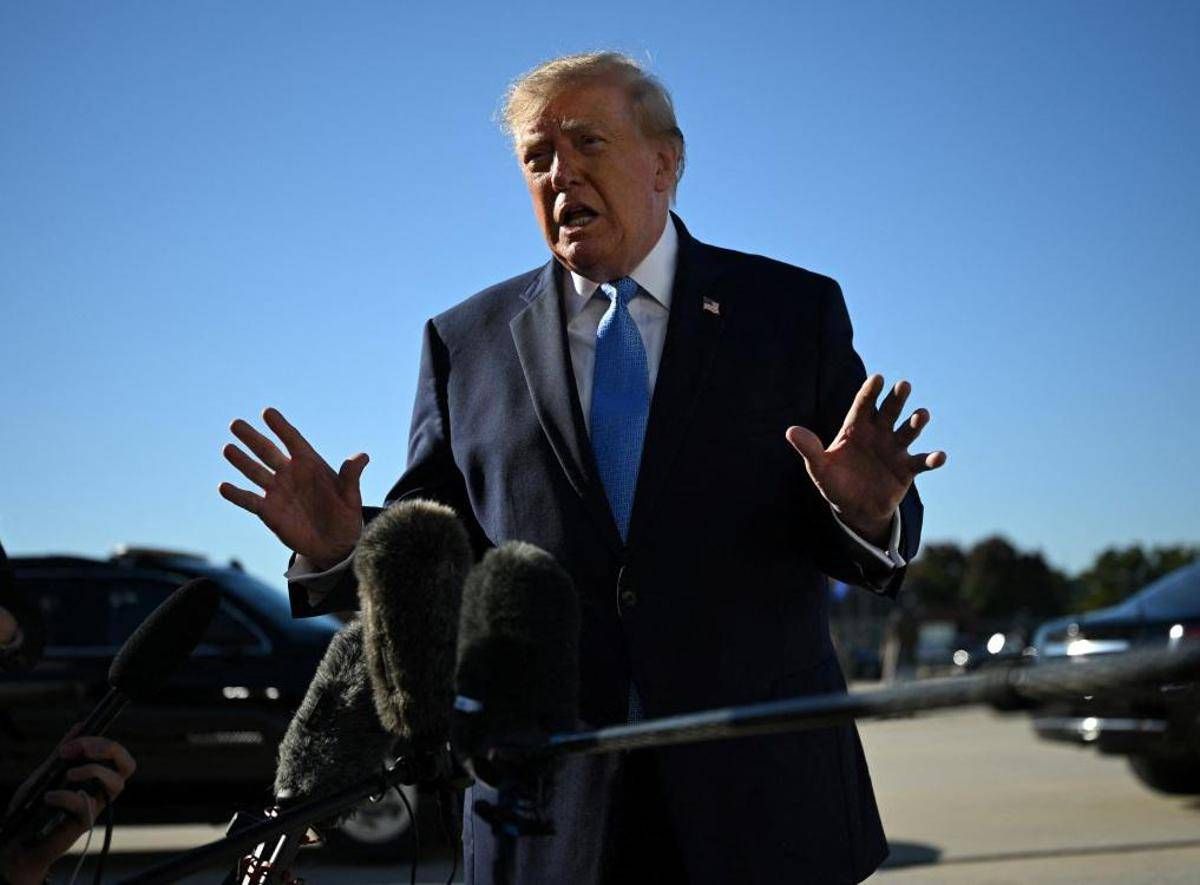
NBC News Poll: Democrats Gain Ground as Trump’s Disapproval Reaches 60%
A new national survey suggests voters are heading into the midterm elections driven less by party loyalty than by frustration...

U.S. Tip Leads Russia to Suspect in Alleged Moscow Attack Plot
A warning from the U.S. Embassy about a credible mass-casualty threat at a major Moscow park set off an emergency...
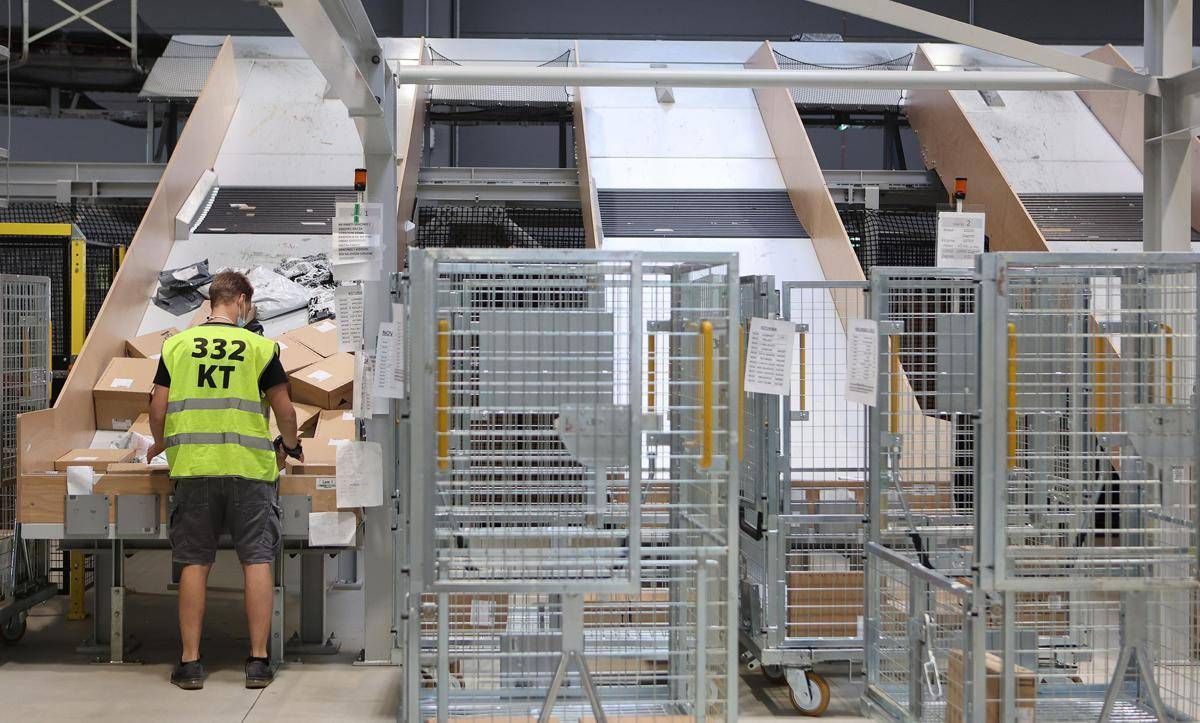
Pacchi extra Ue, scatta il contributo da 2 euro: cosa cambia
La nuova tariffa europea riguarda gli invii diretti ai consumatori, senza una soglia minima di valore. Si aggiunge al prelievo...


Meloni sfida la sinistra sul Quirinale: «Basta considerarlo una proprietà»
Lei personalmente non è interessata a quella carica e punta a un secondo mandato a Palazzo Chigi, ma rivendica il...


Caro voli, il ritorno a casa per Natale diventa un lusso per i fuori sede
Ai prezzi dei biglietti si sommano bagagli e servizi accessori. Il Codacons teme nuovi rincari con l’aumento delle prenotazioni per...
Republicans Take the Lead in a Midterm Money Race Headed for the Record Books
More than $3.8 billion has already been poured into congressional advertising, shattering the pace of recent election cycles and giving...
Carney Draws a Line on Trump Tariffs, Signaling Canada Can Afford to Wait
The Canadian prime minister says Ottawa will not accept a weak trade agreement simply to ease tensions with Washington, betting...
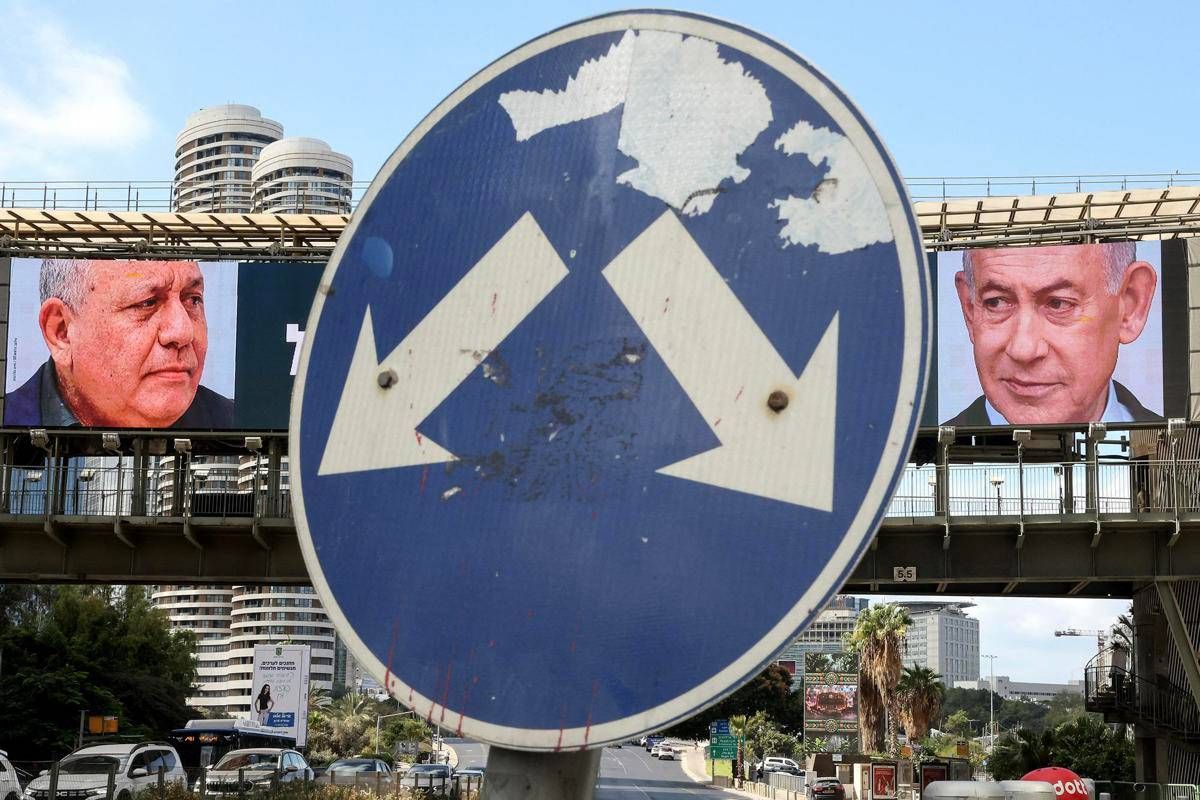
Arab Parties Position Themselves as Kingmakers in Bid to Oust Netanyahu
Support from Israel’s Arab political factions could prove decisive in determining whether former military chief Gadi Eisenkot can assemble an...
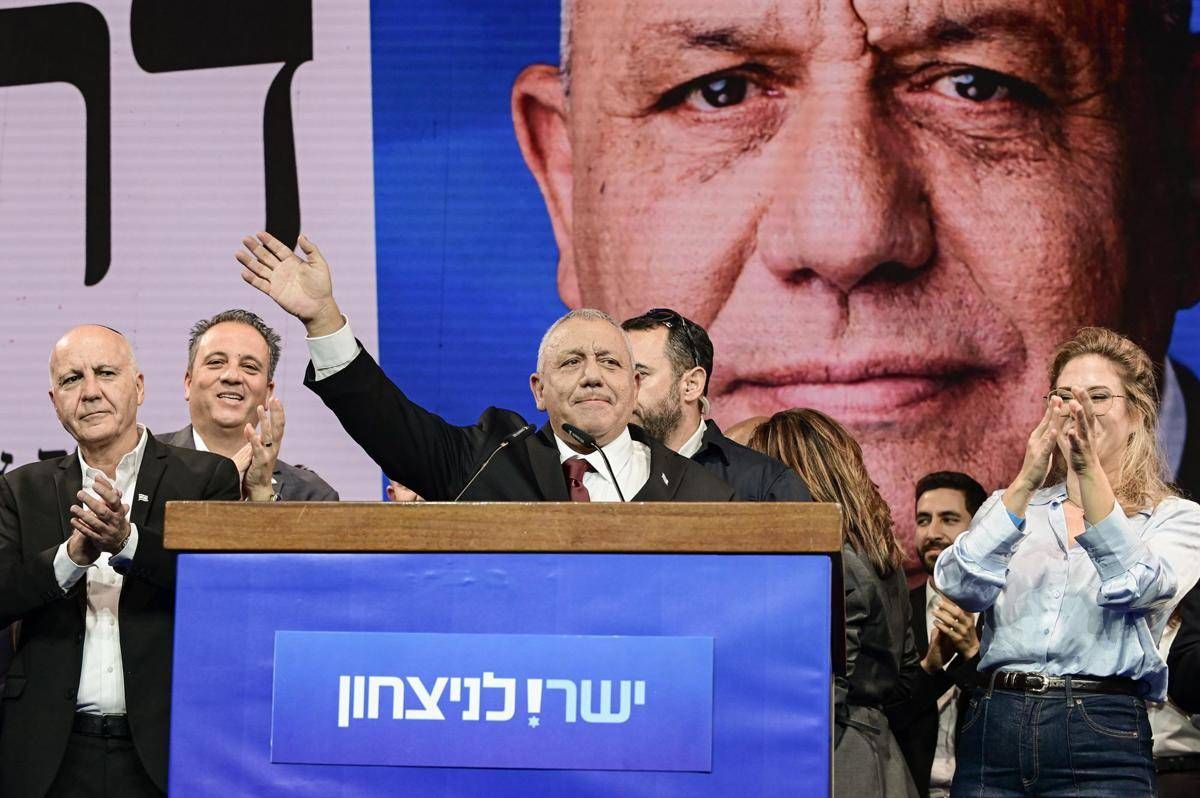
Israele, tutti contro Bibi: i partiti arabi si “faranno piacere” Eisenkot per sostituirlo
Lista Unita e Ra’am potrebbero indicare l’ex capo di Stato maggiore come candidato premier nelle consultazioni con il presidente Herzog....

Liam Fitzgerald’s Death Exposes the Fragile Reality Behind Social Media Fame
The fitness influencer spent years building a digital identity centered on discipline, ambition and self-transformation. His sudden death at 29...
You must be logged in to post a comment Login