
International-News
America’s Midterm Elections Keep Humbling Presidents. Trump Is Betting He Can Break the Pattern
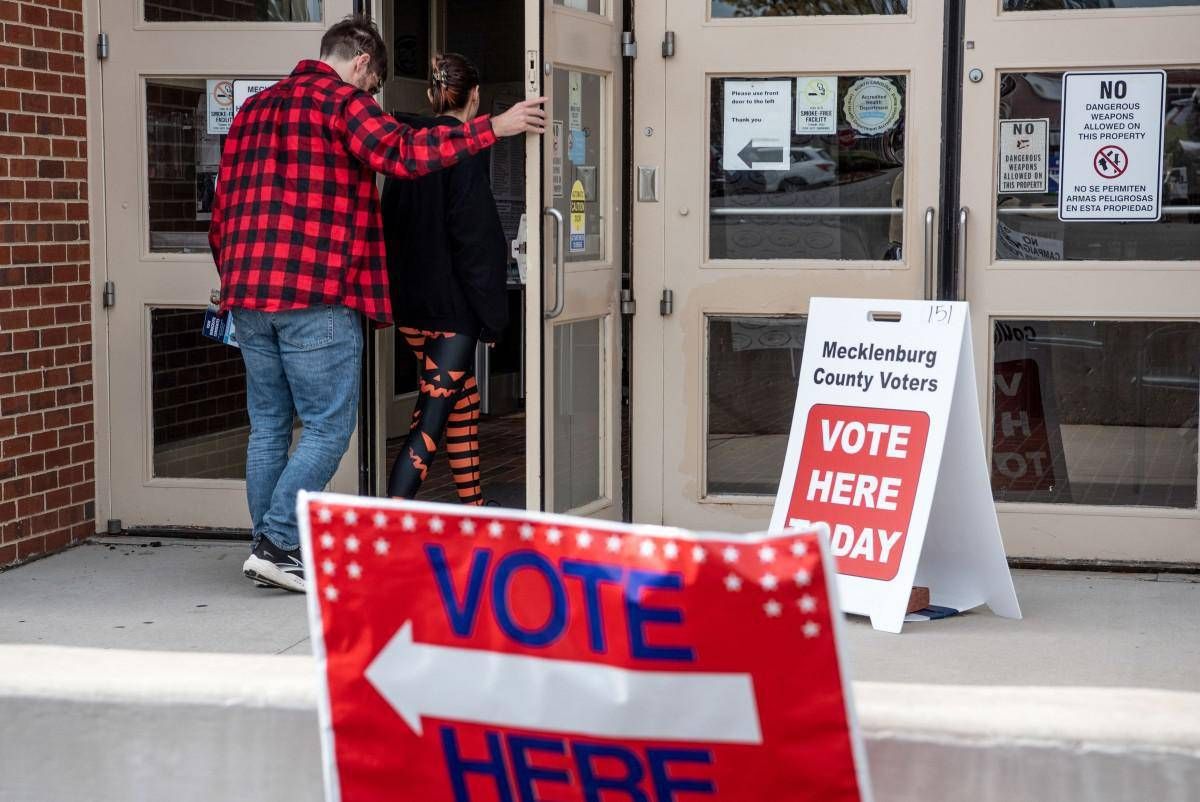
Facing unfavorable polls and lukewarm enthusiasm within parts of his coalition, Donald Trump is asking Republicans to rally as if he were personally on the ballot. History suggests that may not be enough
Donald Trump is confronting one of the most stubborn forces in American politics: the midterm election.
With Republicans struggling against unfavorable polling and signs of limited enthusiasm among some voters, Trump has spent the closing days of the campaign urging supporters to treat Tuesday’s vote as though his own political future were directly at stake. The president has openly acknowledged the challenge. Presidents, he argues, almost always lose midterms, regardless of party, popularity or governing record. The numbers largely support that assessment.
The fear haunting every White House is that midterms rarely become a judgment on the opposition. Instead, they evolve into a referendum on the party already in power. That dynamic has repeatedly reshaped Washington, derailed presidential agendas and handed control of Congress to rival parties.
Trump’s response has been unusually aggressive. Seeking to energize Republican turnout, he has promised a $5,000 payment to every adult American if the GOP retains control of both the House and Senate, a proposal that would carry a staggering price tag and for which no funding mechanism has been outlined.
His concern reflects a political reality that has endured for generations. Since World War II, the president’s party has lost House seats in 18 of 20 midterm elections. More broadly, from 1934 through 2022, the party occupying the White House managed to gain House seats only three times: under Franklin D. Roosevelt in 1934, Bill Clinton in 1998 and George W. Bush in 2002.
Those exceptions stand out precisely because they are so rare.
Midterm elections have not always looked the way they do today. The first such contests were held in 1790 and 1791 during George Washington’s presidency, when the United States was still a young republic and the modern party system had not yet emerged. Supporters of Washington retained control of Congress, but the electoral environment bore little resemblance to the highly polarized battles that now define American politics.
The modern precedent began to take shape during the nineteenth century. In 1858, under Democratic President James Buchanan, the Republican Party, founded only four years earlier, won more House seats than Democrats, though it fell short of an outright majority. At the time, Republicans still campaigned under the eagle symbol. The elephant, now synonymous with the party, would not appear until 1874.
For contemporary presidents, however, history is measured less by origins than by political damage.
George H.W. Bush’s Republicans lost eight House seats and one Senate seat in 1990 as economic concerns intensified. Four years later came one of the defining electoral earthquakes of the modern era. Democrats under Bill Clinton lost 54 House seats and eight Senate seats, surrendering control of both chambers to Republicans led by Newt Gingrich and his Contract with America. The result ended four decades of Democratic dominance in the House and forced Clinton to rethink his political approach after setbacks that included battles over health care reform.
Yet Clinton also demonstrated that electoral rules are not iron laws. In 1998, despite the Monica Lewinsky scandal and impeachment proceedings driven by Republicans, Democrats gained four House seats and held steady in the Senate. A strong economy and voter discomfort with the Republican campaign against the president helped produce one of the rare modern midterm successes for a governing party.
The last president to improve his position in both chambers was George W. Bush in 2002. Driven by the wave of national unity that followed the Sept. 11 terrorist attacks, Republicans gained eight House seats and two Senate seats, reclaiming control of the upper chamber. No president has repeated that achievement since.
The political backlash returned swiftly. In 2006, voter frustration over the Iraq War, dissatisfaction with the federal response to Hurricane Katrina and a series of scandals helped Democrats retake Congress. Republicans lost 30 House seats and six Senate seats. Bush later described the outcome as a “thumping.”
Barack Obama experienced an even harsher reckoning. Amid the economic fallout from the Great Recession and the rise of the Tea Party movement in opposition to the Affordable Care Act, Democrats lost 63 House seats and six Senate seats in 2010. Obama famously called the result a “shellacking.” Four years later, Democrats surrendered another 13 House seats and nine Senate seats, giving Republicans full control of Congress and reinforcing the long-standing phenomenon known as the “six-year itch,” the tendency of voters to turn against a president’s party during a second-term midterm election.
Trump himself learned the lesson during his first presidency. Democrats gained 41 House seats in 2018 and captured control of the chamber, fueled by anti-Trump energy and strong performances in suburban districts. Republicans softened the blow by gaining two Senate seats, allowing Trump to characterize the election as a significant success despite losing the House.
Joe Biden’s experience in 2022 underscored how unusual recent politics have become. Despite high inflation, weak approval ratings and widespread predictions of a Republican wave, Democrats limited their House losses to nine seats, gained one Senate seat and preserved control of the chamber. Voter mobilization after the Supreme Court eliminated constitutional protections for abortion rights, along with concerns surrounding Republican candidates who challenged the legitimacy of the 2020 election, helped blunt the expected backlash.
Still, even those relatively favorable outcomes reinforced a broader truth. Midterms remain one of the few recurring moments when voters can register frustration without changing the occupant of the White House itself.
Harry Truman understood that reality after Democrats suffered major losses in 1946 amid postwar discontent.
“Being president is like riding a tiger,” Truman observed. “You have to keep riding it or you’ll end up getting eaten. And in the midterms, the public always seems ready to take a whack at the rider.”
Lyndon B. Johnson offered an equally unsparing assessment after Democratic losses in 1966, as dissatisfaction over the Vietnam War mounted.
“One day they carry you on their shoulders, and the next day they use you for target practice,” Johnson remarked. “In midterms, people don’t vote for what you did yesterday, but for the anger they feel today.”
That sentiment, more than any statistical trend, explains why presidents continue to fear midterm elections. They are not simply contests for congressional seats. They are recurring reminders that political power in Washington is rarely secure and that voters often reserve their harshest judgment for the party already in charge.
(Photo: © AndKronos)


Calenda annuncia: «Azione correrà da sola alle prossime elezioni»
Esclusa l’adesione alle due coalizioni, il leader punta a costruire una lista centrista capace di incidere sulla formazione del governo...

Kherson, finita la tregua di Oleshky: un drone russo ferisce due civili
La pausa umanitaria, durata sei giorni, si è conclusa il 1° novembre. Colpita un’auto nel quartiere di Korabelny La ripresa...
Governors, Not Congress, May Hold the Biggest Prize of the Midterms
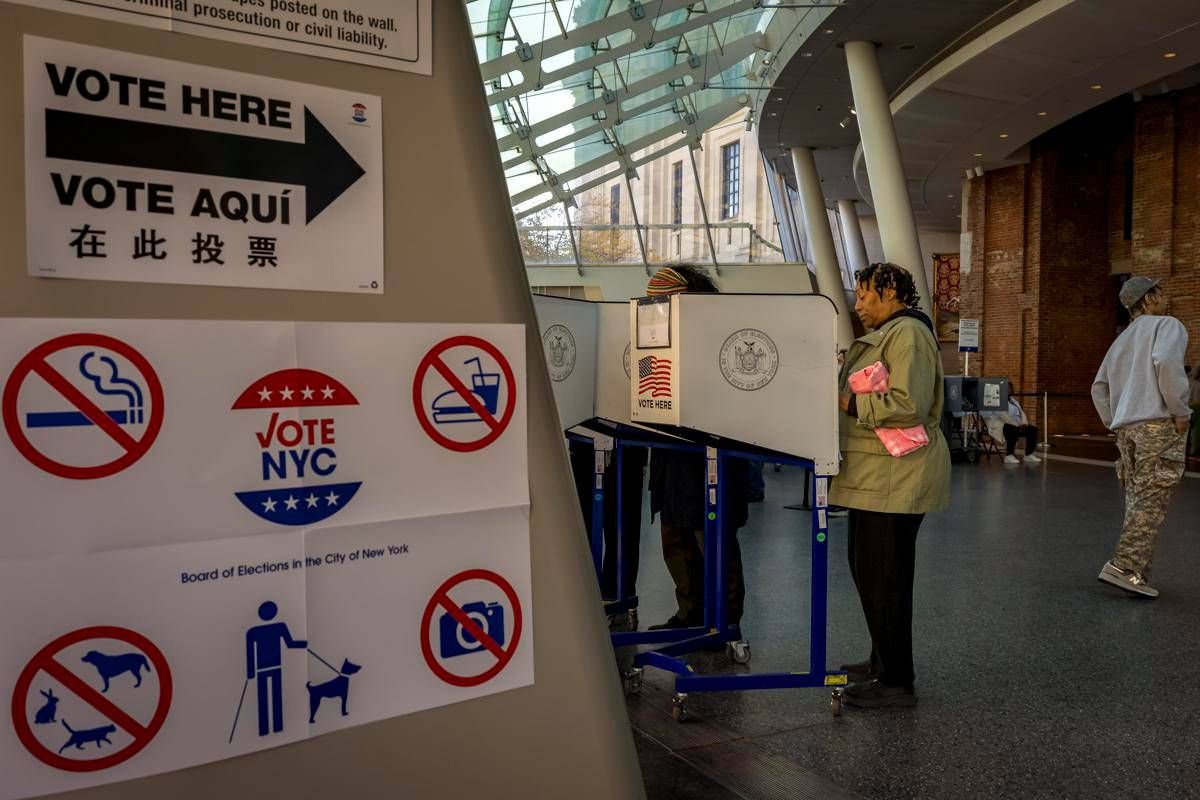
Thirty-six states are electing governors, and the results could shape far more than local politics. With Democrats eyeing gains in...

La trattativa tra Iran e Stati Uniti resta appesa alle richieste di Teheran
Nuovi attacchi in Iran, Trump rinvia ogni decisione dopo il voto del 3 novembre e lascia spazio ai negoziati. Netanyahu...

Spagna, identificate 2 italiane tra le vittime dell’incidente ferroviario
Ana Martina Conte Grand e Daniela Milan Parlanti risultavano disperse dopo lo scontro tra i due treni a Urda Il...

Juan Atkins, Architect of Detroit Techno and Electronic Music Pioneer, Dies at 64
From the industrial landscape of Detroit emerged a sound that would transform dance music worldwide. Juan Atkins, widely regarded as...

Trieste, due giovani migranti morti in un incendio al Porto Vecchio
Le vittime, un uomo e una donna, erano al primo piano del magazzino 18. Il solaio ha ceduto mentre le...


Criminalità giovanile, 644 arresti in due settimane: 69 sono minorenni
L’operazione della Polizia ha coinvolto tutte le province italiane. Identificati oltre 236mila ragazzi e sequestrati più di 244 chili di...

Quattro militari morti in Bosnia, le salme oggi in Italia: funerali martedì
I feretri arriveranno a Ciampino intorno alle 12. Meloni e Crosetto saranno presenti per accogliere i caduti dell’incidente del CH-47...


Roma, due persone trovate morte in casa dopo un incendio
Un uomo e una donna sono stati scoperti dai vigili del fuoco in un appartamento di via Spinoza, invaso dal...


Bora e Grecale fino a 70 km/h, mare agitato e neve sugli Appennini
Il vortice ciclonico sulle regioni meridionali porta un peggioramento al Centro-Sud, con precipitazioni localmente temporalesche e grandine Il termometro scende...
America’s Midterm Elections Keep Humbling Presidents. Trump Is Betting He Can Break the Pattern
Facing unfavorable polls and lukewarm enthusiasm within parts of his coalition, Donald Trump is asking Republicans to rally as if...

Ucraina, Rubio frena sulla pace: «Accordo difficile nei prossimi mesi»
Secondo fonti diplomatiche citate da Radio Free Europe, il segretario di Stato americano avrebbe espresso forti dubbi sulla possibilità di...

Palm Beach Plane Crash Kills Nine Aboard Learjet 60 Bound for Bahamas
Federal investigators are examining the sudden loss of altitude that preceded the crash of a private jet in a residential...

Kimi Antonelli Clinches Formula 1 World Championship, Ending Italy’s 73-Year Wait
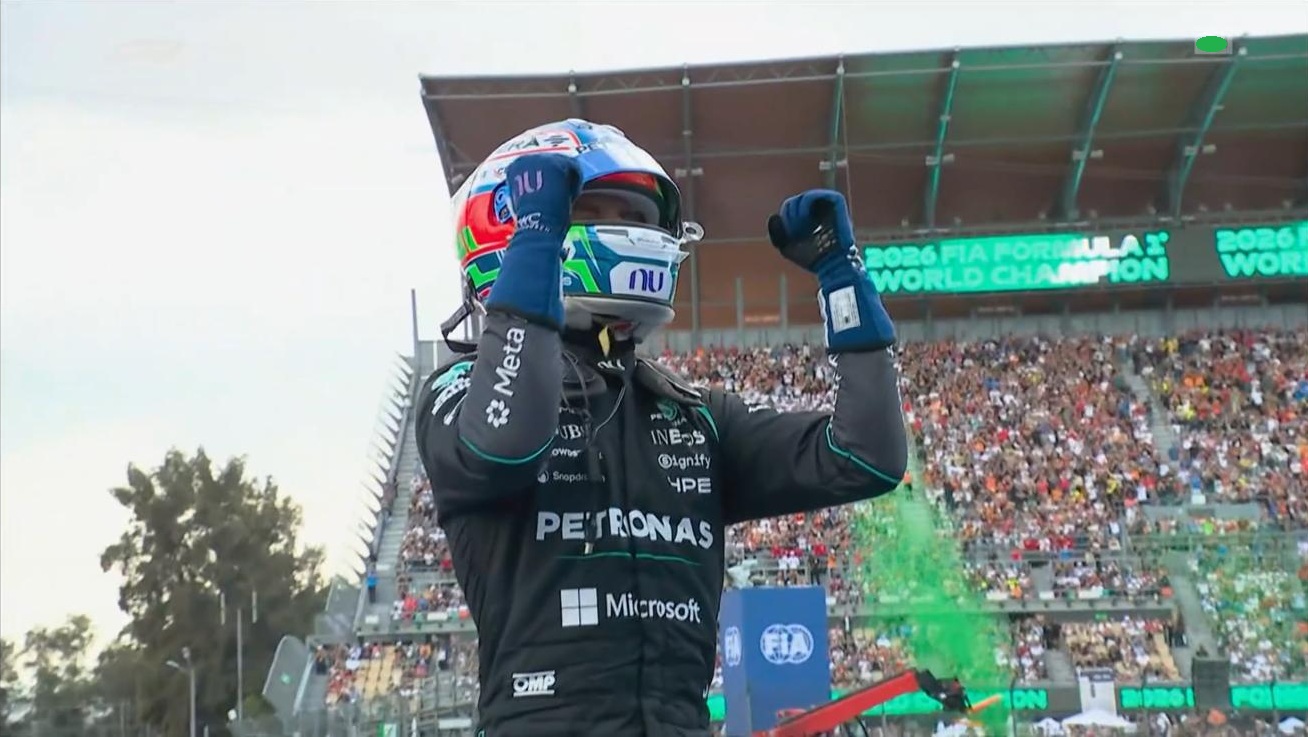
The 20-year-old Mercedes driver secures the title with a podium finish in Mexico City, becoming the youngest Formula 1 world...
Kimi Antonelli campione del mondo: l’Italia torna sul tetto della F1
Il terzo posto in Messico consegna il titolo al ventenne bolognese: l’ultimo italiano a riuscirci era stato Alberto Ascari nel...
You must be logged in to post a comment Login