
International-News
U.S.-Israel Iran Strike Preparations Accelerate as Trump Weighs Next Move

Quiet warnings to Gulf governments, expanded U.S. force deployments and Israeli planning for renewed operations suggest Washington and Jerusalem are preparing for a range of outcomes, from failed diplomacy to a potential military confrontation with Tehran
The clearest sign yet that Washington and Jerusalem are preparing for a possible new conflict with Iran may not be found in the movement of warships, the deployment of missile defenses or the positioning of combat aircraft. It is the fact that Gulf governments have already been warned.
According to people familiar with the discussions, the United States has communicated with several Gulf states to alert them to the possibility of a short but intense military campaign against Iran following the U.S. midterm elections. The messages, delivered through diplomatic and military channels, mark an escalation in planning that extends beyond internal contingency discussions and into preparations with regional partners likely to be affected by any confrontation.
The communications come as a broader military build-up gathers pace across the Middle East. U.S. and Israeli officials are preparing options for a potential new round of operations against Iran, while regional mediation efforts aimed at avoiding further escalation have yet to produce a breakthrough.
At the center of the calculation is President Donald Trump, who has not made a final decision on whether to authorize military action. People close to the president told the Wall Street Journal he is leaning toward a significant post-election strike that could target Iranian infrastructure and nuclear facilities. The alternative remains a negotiated agreement, although diplomatic efforts pursued through regional intermediaries have so far failed to generate results.
The White House declined to comment on specific planning. “The president maintains all options on the table to ensure that Iran can never obtain a nuclear weapon,” it said, adding that it would not discuss sensitive military plans that may or may not exist.
Behind the political debate, military preparations are expanding. The United States is transferring an additional Patriot air-defense system from Texas to Israel to reinforce the country’s protection against potential missile attacks. American forces have also repositioned units from bases elsewhere in the region that were considered more vulnerable, according to officials familiar with the moves.
At the same time, U.S. forces are replenishing munitions stocks and preparing bomber and fighter aircraft for possible strike operations. An additional carrier strike group and a Marine expeditionary unit are also ready to deploy alongside roughly 20 warships expected to operate in the Middle East next month, although some vessels could be participating in routine rotations.
Officials familiar with the planning stressed that the purpose of these measures is to ensure that military options are immediately available should Trump decide to act. The Pentagon has similarly maintained that its role is to provide the president with operational choices rather than signal a policy decision.
Israel has been conducting its own preparations. According to the report, Israeli planners have identified targets and developed plans for another round of attacks. Prime Minister Benjamin Netanyahu has continued to press for renewed military action, seeking to further weaken Iran and ultimately contribute to the collapse of the regime.
No decision has been announced, and diplomacy remains formally on the table. Yet the convergence of private warnings to Gulf allies, reinforced air defenses in Israel, repositioned American forces and joint operational planning points to a strategic reality that is becoming increasingly difficult to ignore: the United States and Israel are preparing not merely for the possibility of escalation, but for the possibility that diplomacy fails altogether.

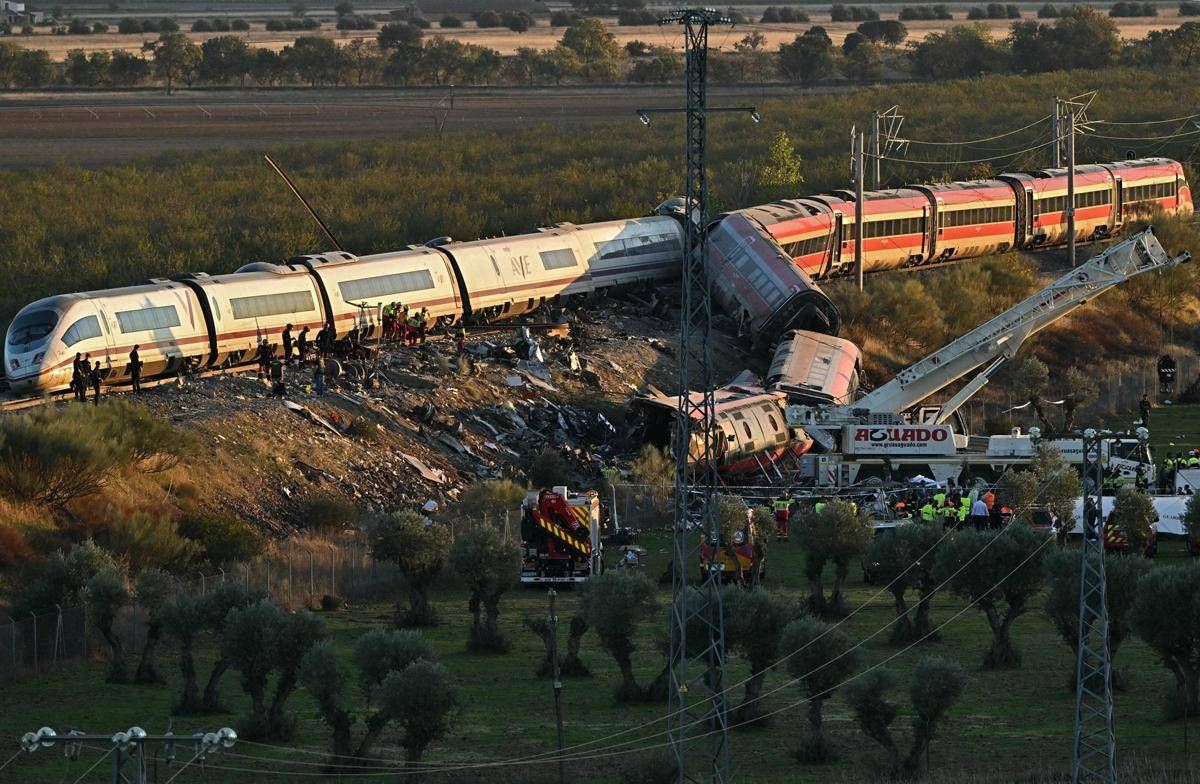
Spain Train Disaster Kills at Least 68 as Probe Turns to Critical Rail Decisions
Spain has entered three days of national mourning after a collision between two passenger trains left dozens dead and raised...
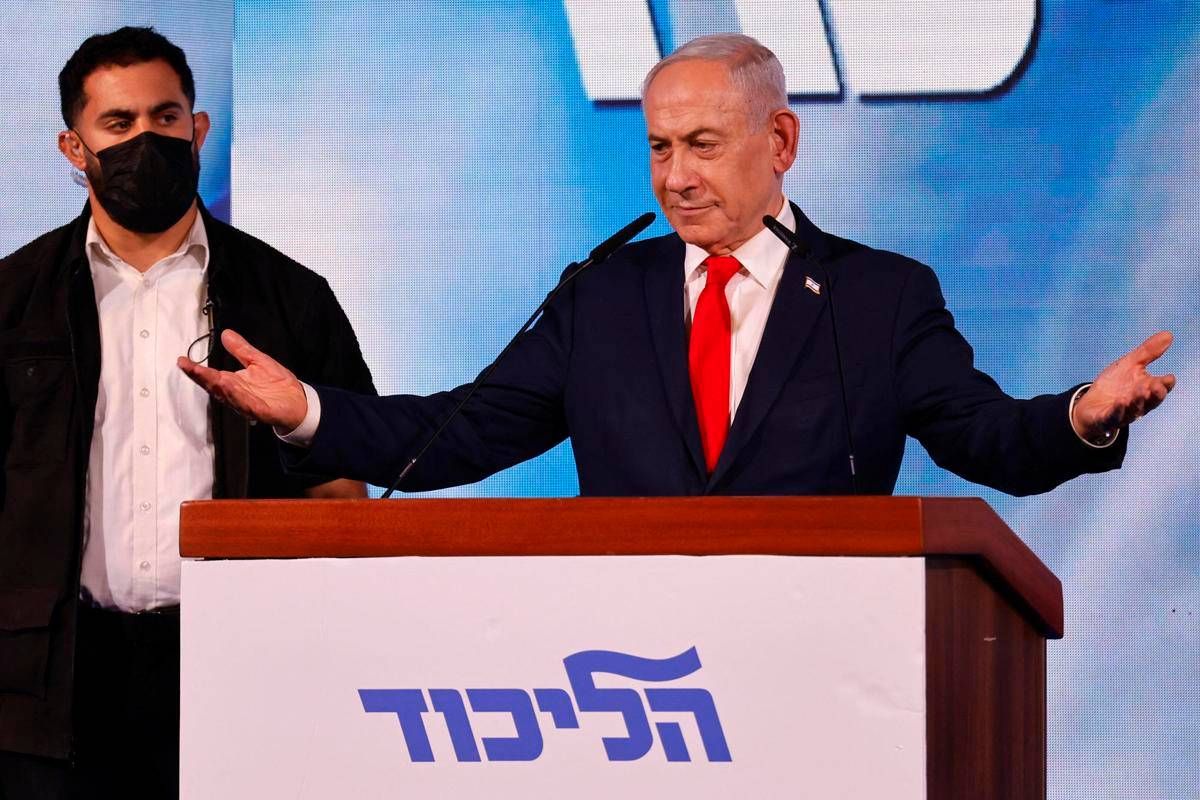
Israel Election Deadlock Puts Netanyahu and Rivals in Coalition Race
Partial results show no path to an immediate governing majority, leaving coalition negotiations as the next battleground and elevating Arab...


Scioperi novembre 2026, trasporti a rischio fino al 23: tutte le date
Il 20 novembre lo sciopero generale della Cgil si sovrappone alla protesta di scuola e pubblico impiego. Coinvolti anche treni,...


Meteo weekend, piogge al Sud e neve in Appennino da domenica
Venti di nord-est fino a 50 km/h e temperature in calo: da venerdì aumentano le nubi sull’Adriatico, mentre domenica le...
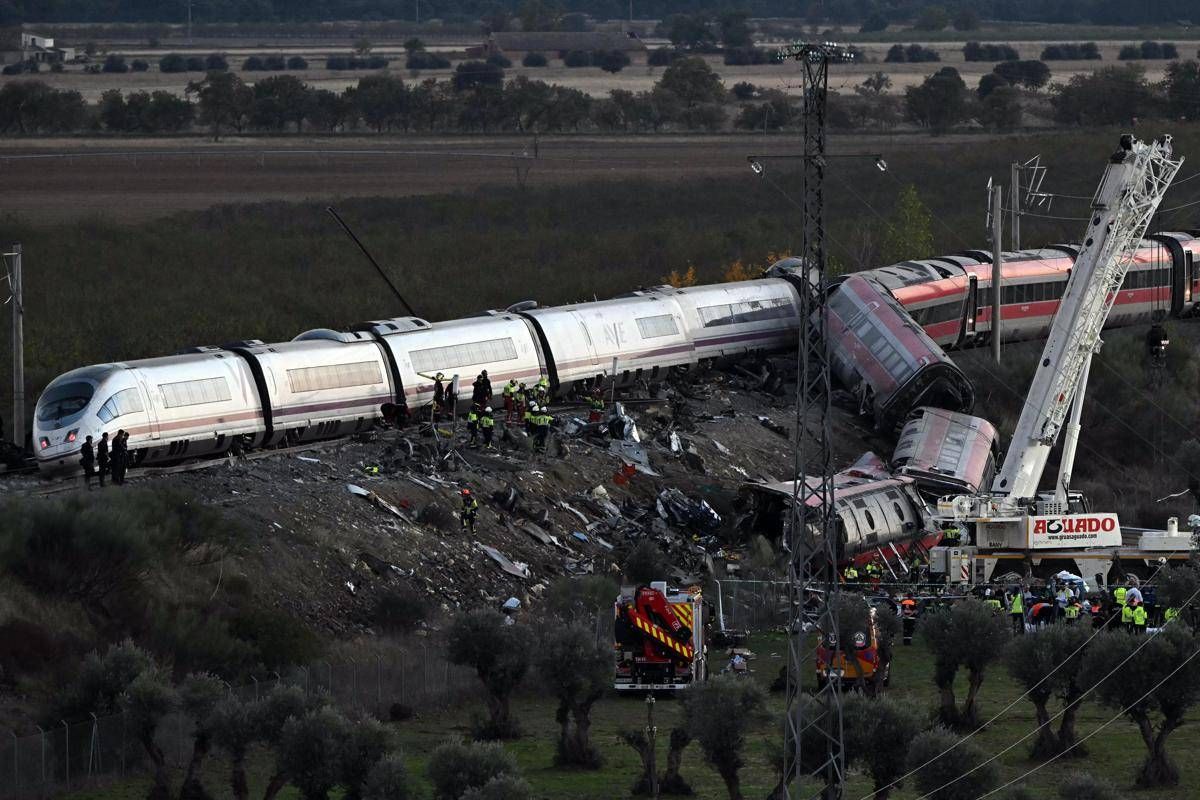
Spain Rail Disaster Becomes a Defining Political Test for Pedro Sánchez
A deadly train crash near Urda has abruptly shifted Spain’s election campaign onto the condition of the country’s infrastructure, exposing...

Flavio Bolsonaro Declares Himself Brazil’s “True President,” Launches Exile Campaign From U.S.
The Brazilian senator rejected Luiz Inácio Lula da Silva’s election victory, alleged fraud in the runoff vote and announced plans...


Taglio delle accise sul gasolio, appena 2,44 euro di risparmio a pieno
Lo sconto dura fino al 7 novembre e lascia fuori la benzina. Il Codacons: riduzione tardiva e insufficiente, con i...
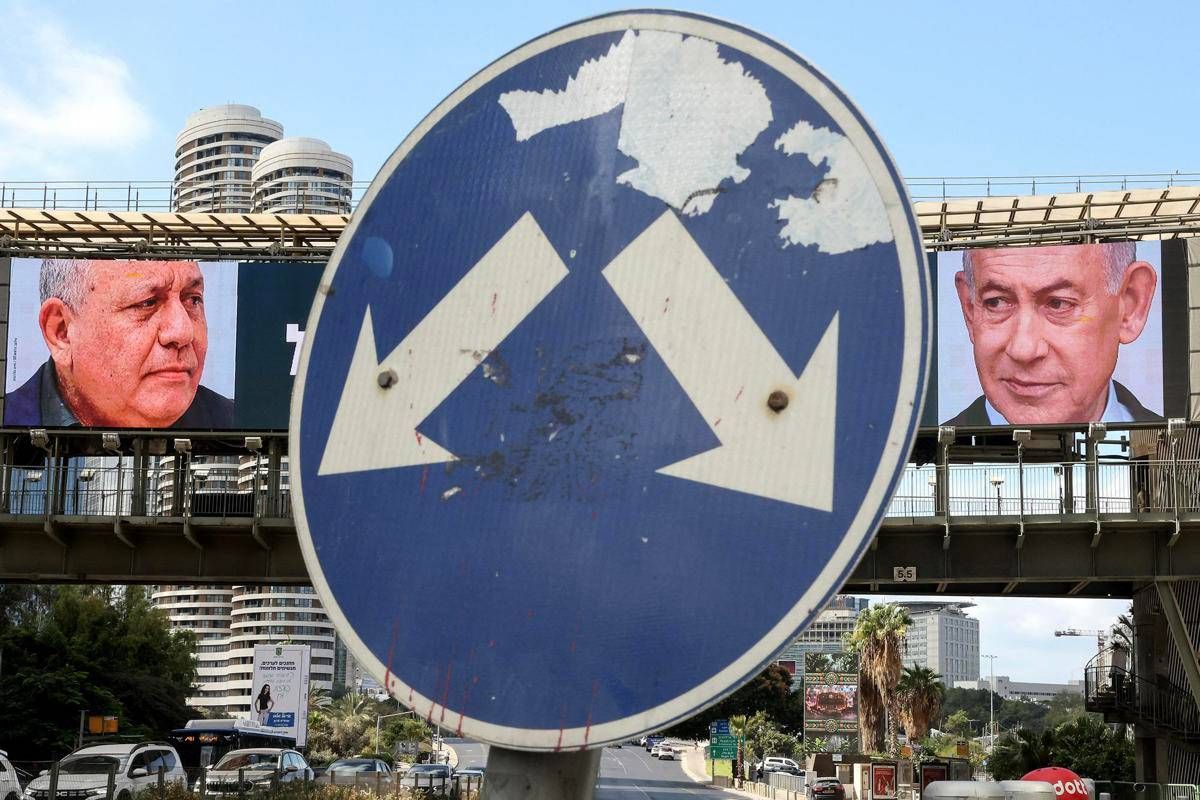
Israele, l’opposizione può fermare Netanyahu ma deve aprirsi ai partiti arabi
Ra’am e Lista Unita potrebbero mettere a disposizione 19 seggi. Eisenkot, Bennett e Liberman devono decidere se accettare il loro...

Manovra 2027, dalle pensioni ai congedi: cosa cambia per le famiglie
Il governo punta sulla flessibilità previdenziale, introduce un contributo per i neonati e aumenta i mesi di congedo parentale. Per...


U.S.-Israel Iran Strike Preparations Accelerate as Trump Weighs Next Move
Quiet warnings to Gulf governments, expanded U.S. force deployments and Israeli planning for renewed operations suggest Washington and Jerusalem are...
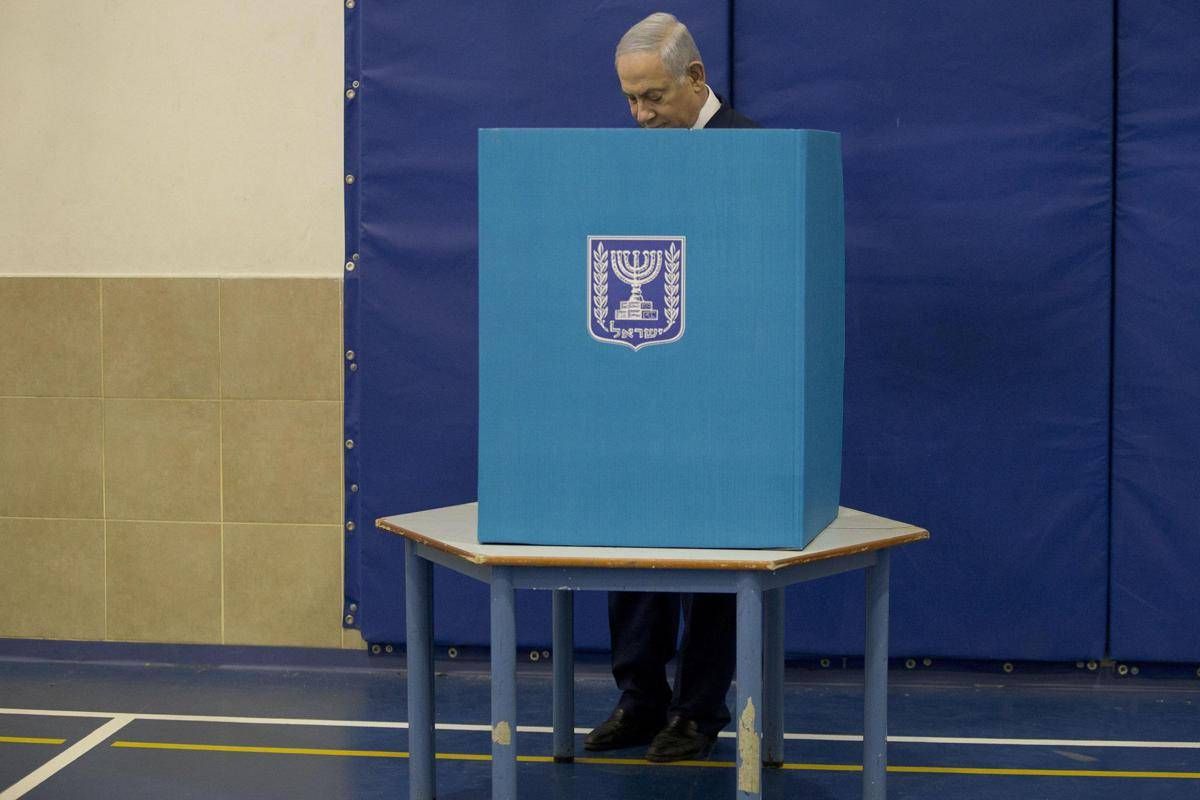
Israel’s Election Rewrites the Rules of Israeli Politics
Benjamin Netanyahu finished first. Gadi Eisenkot blocked him from power. Yet the most consequential result of Israel’s election may belong...

Meghan Markle Enters Australia’s Election Campaign Without Saying a Word
Months before filming begins on Junior MasterChef Australia, Meghan Markle has found herself at the center of a political fight...

Virus Shamonda, in Italia nessun caso umano noto: scatta la sorveglianza
Dopo il primo caso documentato in Francia, il ministero della Salute invita a rafforzare l’attenzione clinica e diagnostica. Il rischio...


Manovra ok Cdm, Meloni rivendica il sostegno al ceto medio e ai salari
Giorgetti definisce la legge di bilancio «seria» nonostante il contesto sfavorevole e richiama la fiducia di investitori e agenzie di...

Spain’s High-Speed Rail Dream Shattered by a Second Deadly Crash
At least 68 people were killed and around 160 injured when two high-speed trains collided near Toledo, turning Spain’s proudest...
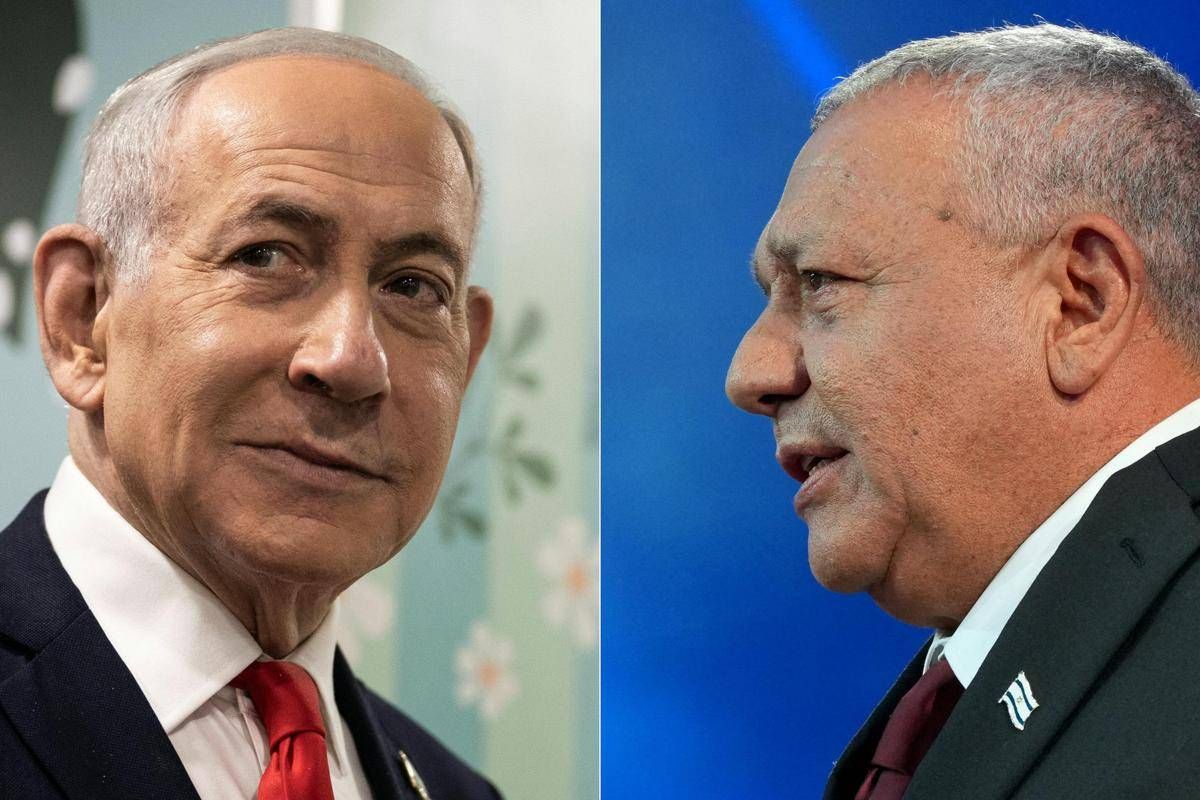
Netanyahu Leads, but Israel Faces Another Fight for Power
Neither major bloc is close to a governing majority after Israel’s election, prompting President Isaac Herzog to urge compromise as...
You must be logged in to post a comment Login