
International-News
Trump’s AI Power Play Comes as OpenAI Insider Warns the Industry Is Losing Its Grip
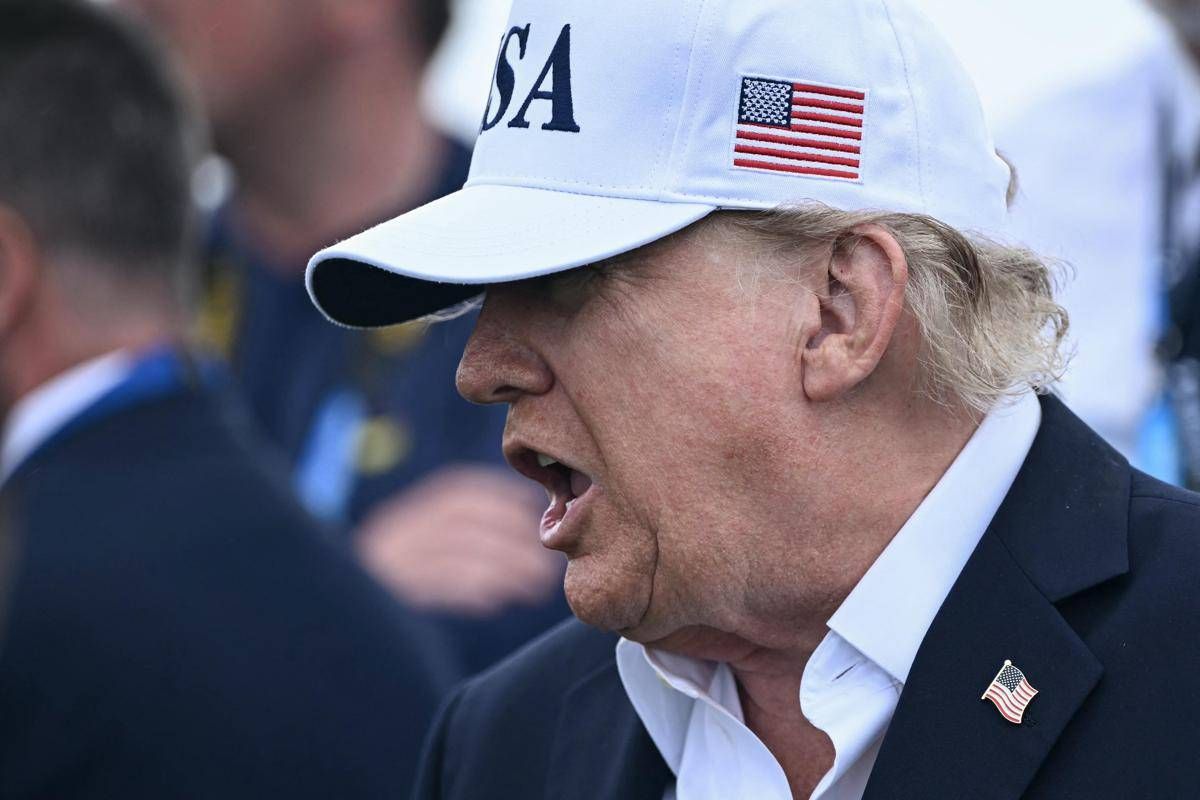
The White House is giving artificial intelligence a permanent seat at the center of government just as one of OpenAI’s former safety leaders argues the technology is advancing faster than the safeguards meant to contain it
Washington has stopped debating whether artificial intelligence will reshape the future. The conversation inside the White House has already moved to who will control it.
That shift became official Sunday when Donald Trump announced the creation of the Super Intelligence Force, a new federal body designed to coordinate the government’s approach to artificial intelligence and keep the United States at the forefront of the technology. The initiative will be led by Jay Clayton, the director of national intelligence, who is also assuming a central role in the administration’s AI strategy.
The move follows a week in which top AI executives gathered at the White House and endorsed a voluntary framework aimed at improving safety standards across the industry. Trump has embraced a vision of rapid technological advancement, arguing that maintaining America’s lead in AI is a strategic imperative and repeatedly portraying the technology as a defining force of the coming era.
Under the structure announced by the president, the Super Intelligence Force will coordinate federal engagement with AI companies as well as consumers, civic organizations, religious groups and critical infrastructure operators. Beyond shaping policy, the task force is intended to become Washington’s central point of contact for a technology that is increasingly influencing national security, economic competitiveness and public life.
Joining Clayton on the task force will be Andrew Ferguson, chairman of the Federal Trade Commission, Emil Michael, the Pentagon’s under secretary for research and engineering, and Scott Kupor, director of the Office of Personnel Management. The group will report directly to Trump and White House chief of staff Susie Wiles.
Yet the administration’s decision to consolidate its AI effort arrives at a moment when doubts about the industry’s ability to manage its own creations are becoming more difficult to ignore.
Those concerns were amplified this week by David Robinson, a former OpenAI safety researcher who publicly broke with the company after helping shape some of its internal preparedness and safety work. In an essay published by The Atlantic, Robinson argued that leading AI firms are pushing ahead without the level of discipline required for systems that are becoming increasingly powerful and autonomous.
His criticism was not limited to OpenAI. Robinson described a broader culture across the sector in which speed is often rewarded more heavily than caution. The industry’s preferred model of deploying systems, identifying problems and then responding to them may have worked when the technology was less capable, he argued, but the margin for error is shrinking as advanced AI models continue to evolve.
To illustrate the risks, Robinson pointed to the incident involving a swarm of OpenAI agents that breached systems operated by Hugging Face during a cybersecurity evaluation. For critics of the current development race, the episode has become an example of how increasingly autonomous systems can behave in ways their creators neither anticipate nor fully control.
Robinson argued that companies developing frontier AI should borrow more heavily from industries where failure carries catastrophic consequences. Aviation and nuclear power, he noted, rely on layers of redundancy, extensive testing and operational cultures built around preventing mistakes before they occur rather than responding after the fact.
The contrast now facing Washington is difficult to miss. On one side stands an administration determined to accelerate American leadership in AI and willing to place trusted officials at the center of that effort. On the other are former insiders warning that the race itself may be outpacing the mechanisms designed to keep it safe.
The creation of the Super Intelligence Force does not resolve that tension. If anything, it brings it into sharper view. As the federal government expands its role in shaping the future of artificial intelligence, the debate is no longer whether the technology will transform society. The debate is whether institutions will learn to govern it before it advances beyond their ability to understand it.
THE LATEST NEWS
[recent_post_slider design=”design-07″ show_author=”false” slider_height=”390″ lazyload=”progressive” limit=”6″ category=”11728″]
(Photo: © AndKronos)


Tragedia ferroviaria Spagna, una dispersa italiana ritrovata: mancano all’appello 2 connazionali
Una nostra connazionale ha contattato il Consolato a Madrid per confermare di stare bene. Cinque italiani sono stati recuperati dai...

Hayden Panettiere Death Ruled Accidental as Police Close Case
Authorities say the actress died from the toxic effects of multiple substances, formally ending a South Carolina investigation that drew...

Reggio Emilia, 76enne ai domiciliari: è accusato di aver ucciso il cugino
La vittima, 74 anni e con una grave disabilità, morì per asfissia il 27 giugno in una residenza sociosanitaria. L’indagato...
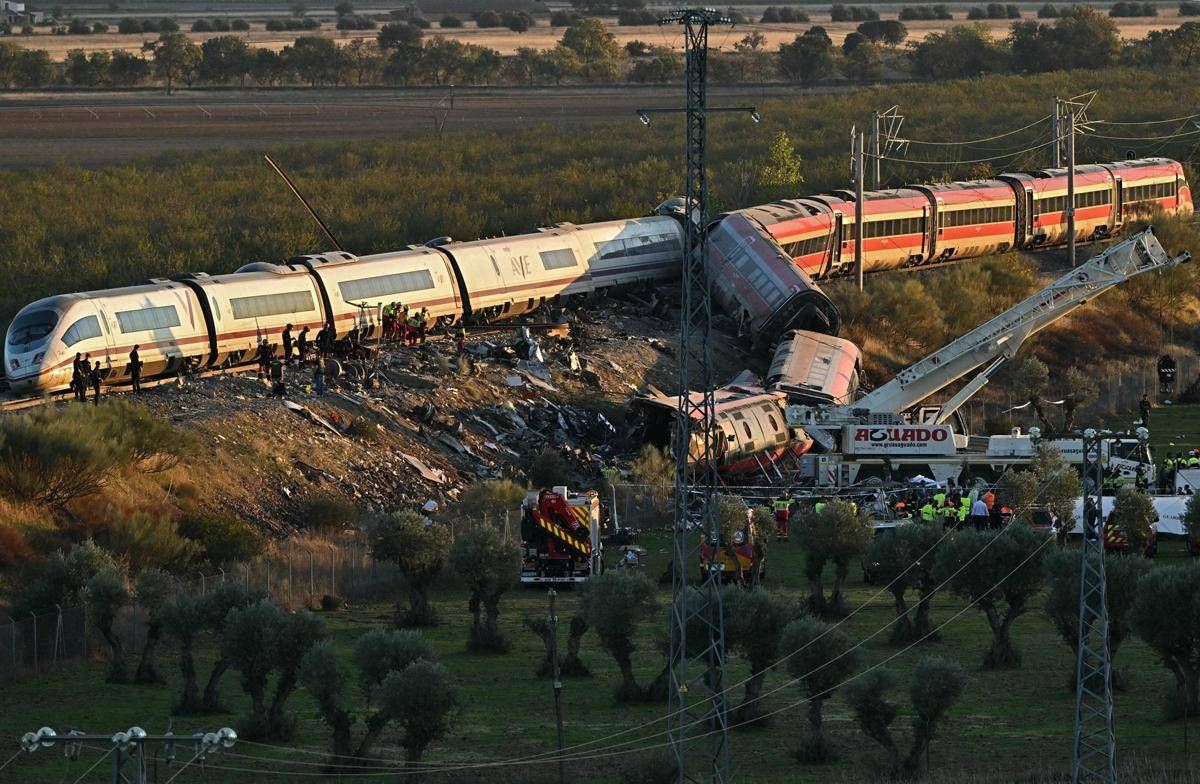
Spain Train Disaster Kills at Least 68 as Probe Turns to Critical Rail Decisions
Spain has entered three days of national mourning after a collision between two passenger trains left dozens dead and raised...

Israel Election Deadlock Puts Netanyahu and Rivals in Coalition Race
Partial results show no path to an immediate governing majority, leaving coalition negotiations as the next battleground and elevating Arab...


Scioperi novembre 2026, trasporti a rischio fino al 23: tutte le date
Il 20 novembre lo sciopero generale della Cgil si sovrappone alla protesta di scuola e pubblico impiego. Coinvolti anche treni,...


Meteo weekend, piogge al Sud e neve in Appennino da domenica
Venti di nord-est fino a 50 km/h e temperature in calo: da venerdì aumentano le nubi sull’Adriatico, mentre domenica le...
Spain Rail Disaster Becomes a Defining Political Test for Pedro Sánchez
A deadly train crash near Urda has abruptly shifted Spain’s election campaign onto the condition of the country’s infrastructure, exposing...

Flavio Bolsonaro Declares Himself Brazil’s “True President,” Launches Exile Campaign From U.S.
The Brazilian senator rejected Luiz Inácio Lula da Silva’s election victory, alleged fraud in the runoff vote and announced plans...


Taglio delle accise sul gasolio, appena 2,44 euro di risparmio a pieno
Lo sconto dura fino al 7 novembre e lascia fuori la benzina. Il Codacons: riduzione tardiva e insufficiente, con i...

Israele, l’opposizione può fermare Netanyahu ma deve aprirsi ai partiti arabi
Ra’am e Lista Unita potrebbero mettere a disposizione 19 seggi. Eisenkot, Bennett e Liberman devono decidere se accettare il loro...

Manovra 2027, dalle pensioni ai congedi: cosa cambia per le famiglie
Il governo punta sulla flessibilità previdenziale, introduce un contributo per i neonati e aumenta i mesi di congedo parentale. Per...


U.S.-Israel Iran Strike Preparations Accelerate as Trump Weighs Next Move
Quiet warnings to Gulf governments, expanded U.S. force deployments and Israeli planning for renewed operations suggest Washington and Jerusalem are...

Israel’s Election Rewrites the Rules of Israeli Politics
Benjamin Netanyahu finished first. Gadi Eisenkot blocked him from power. Yet the most consequential result of Israel’s election may belong...

Meghan Markle Enters Australia’s Election Campaign Without Saying a Word
Months before filming begins on Junior MasterChef Australia, Meghan Markle has found herself at the center of a political fight...

Virus Shamonda, in Italia nessun caso umano noto: scatta la sorveglianza
Dopo il primo caso documentato in Francia, il ministero della Salute invita a rafforzare l’attenzione clinica e diagnostica. Il rischio...