
International-News
Spain’s High-Speed Rail Dream Shattered by a Second Deadly Crash
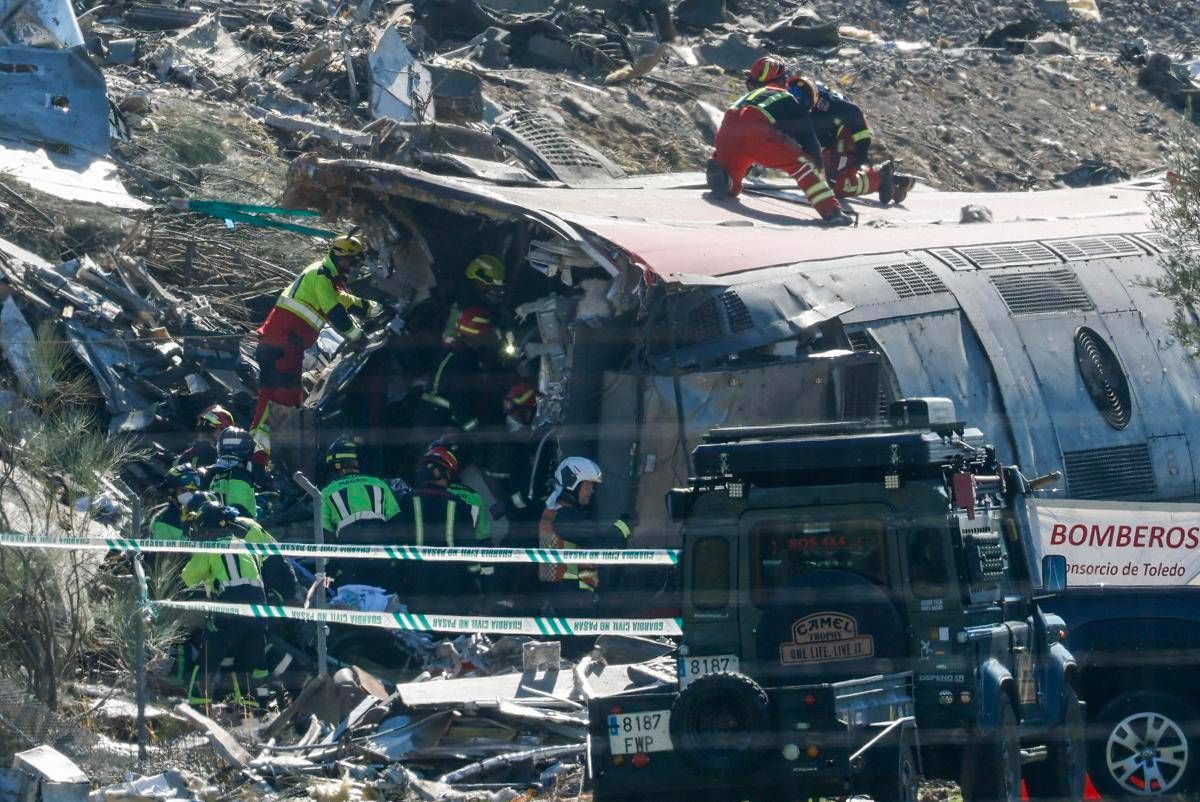
At least 68 people were killed and around 160 injured when two high-speed trains collided near Toledo, turning Spain’s proudest transportation achievement into the focus of a national reckoning after the second fatal disaster on the same route in less than a year
For decades, Spain pointed to the Madrid-Seville high-speed railway as proof of what modern infrastructure could achieve.
On Wednesday, that same line became the setting for one of the country’s darkest transportation disasters.
At least 68 people were killed and around 160 injured after two high-speed trains collided near Toledo, according to regional authorities, in a catastrophe so severe that rescue operations continued through the day, election campaigning was suspended nationwide, military emergency units were deployed, and one of Europe’s most extensive rail systems suddenly found itself under renewed scrutiny.
The collision occurred less than ten months after another fatal high-speed rail accident on the same corridor killed 46 people, a fact that immediately transformed the tragedy from a devastating accident into a broader national question.
How could it happen again?
As investigators searched for answers, emergency crews searched the wreckage.
Across the flat countryside between Urda and Los Yébenes, railcars lay twisted and broken. Some remained stranded on elevated track. Others had plunged onto the embankment below. Survivors emerged carrying luggage, helping fellow passengers, or simply walking away in shock from scenes many struggled to describe.
“We are talking about around 68 fatalities, but the toll is likely to increase further,” Castilla-La Mancha regional president Emiliano García-Page said from the crash site.
The Collision
The trains involved belonged to Renfe and Iryo, two operators competing on Spain’s increasingly liberalized high-speed network.
Regional officials said both services were traveling from Madrid toward Seville when one train struck another that had been stationary for an extended period.
Investigators have not yet determined why.
A person familiar with the incident said an Iryo train had been ordered to stop near Toledo because of a signaling malfunction. The train remained halted under instructions from infrastructure manager ADIF. A Renfe service later collided with it at high speed, causing multiple carriages from both trains to derail.
The crash occurred around 9 a.m.
According to Castilla-La Mancha spokeswoman Esther Padilla, 397 passengers were aboard the Renfe train and 147 were traveling on the Iryo service.
Rail traffic between Madrid, Ciudad Real and Andalusia was immediately suspended.
Renfe said its train had been authorized to continue its journey before the collision occurred.
“The exact sequence of events, traffic conditions and circumstances of the impact will need to be established by the investigation,” the company said.
A Disaster Measured in Individual Lives
The force of the impact became clear long before officials established casualty figures.
Miguel, who was traveling in the last carriage of one train, recalled a violent noise that seemed to last forever.
“We heard an enormous bang, a huge crash that lasted about 10 seconds, as if the train was about to derail. Through the right-side window, we saw a destroyed train,” he told COPE radio.
Another passenger, Eduarda, initially thought the train had performed an emergency stop. The reality emerged only when she saw the injured and received orders to evacuate.
After climbing down an embankment, she found herself looking at shattered railcars, emergency responders and victims scattered across the scene.
“I saw dead people,” she said.
Nearby, local authorities began transforming public buildings into emergency reception centers. Volunteers handed out water. Helicopters landed repeatedly. Ambulances lined rural access roads.
The mayor of Los Yébenes, Jesús Pérez Martín, described what rescuers were encountering as “horrible,” citing reports of mutilations and extremely severe injuries.
The Country Stops
In a matter of hours, the disaster halted much of Spain’s public life.
Prime Minister Pedro Sánchez canceled scheduled appearances and focused government efforts on the emergency response. Campaign activity ahead of the Nov. 29 election was suspended not only by Sánchez’s Socialist Party but also by the opposition Popular Party.
The Spanish Football Federation postponed all 24 Copa del Rey matches scheduled for Wednesday.
King Felipe VI and Queen Letizia issued a public message expressing grief and support for victims and their families.
From Brussels, European Commission President Ursula von der Leyen said Europe was mourning alongside Spain. French President Emmanuel Macron offered solidarity. Israeli Foreign Minister Gideon Sa’ar sent condolences.
For one day, political rivalry gave way to national mourning.
The Shadow Hanging Over the Investigation
Spain’s high-speed rail network remains one of the country’s great infrastructure successes.
The nation has built roughly 3,900 kilometers of high-speed track, creating the world’s second-largest network after China. The Madrid-Seville route, inaugurated in 1992, was the line that launched the entire project.
But the symbolism now cuts both ways.
January’s collision near Adamuz, which claimed 46 lives, had already triggered debate over rail safety and maintenance. Wednesday’s disaster is likely to intensify that scrutiny.
According to Spain’s rail safety authority, railway incidents, including collisions and derailments, have increased from 45 in 2016 to 57 in 2024 and 69 last year.
At the same time, Spain has continued investing heavily in expansion. Between 2018 and 2022, the country spent an average of €1.5 billion annually on high-speed rail infrastructure, more than any other nation. Yet only about 16% of that spending was directed toward maintaining, modernizing and renewing existing lines.
Investigators will ultimately determine whether those figures have any connection to what happened outside Toledo.
For many Spaniards, however, the immediate reality is far simpler.
A line built to symbolize speed, progress and national confidence has now been struck by two deadly disasters in less than a year. Long before the official findings arrive, that fact alone is already reshaping the debate over one of Spain’s proudest achievements.
(Photo: © AndKronos)

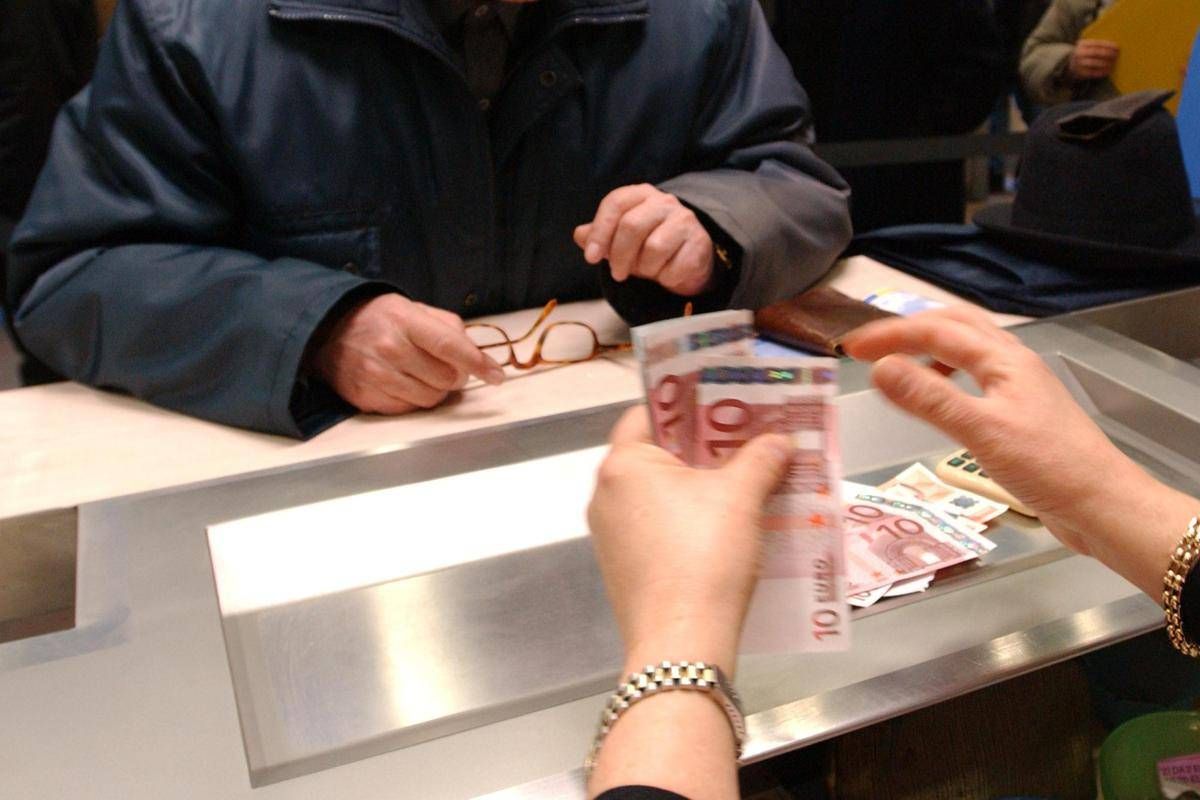
Pensioni, fino a 1.240 euro in meno l’anno con la stretta sulla rivalutazione
La simulazione della Uil pensionati ipotizza un’inflazione al 3% e un nuovo sistema di indicizzazione per fasce di reddito. Le...


L’urologo che ti aiuta con i tuoi problemi
C’è una riluttanza diffusa, soprattutto tra gli uomini, a parlare di disturbi urologici. Sintomi che riguardano l’apparato urinario o riproduttivo...

Cedolare secca, aliquota all’1% per chi affitta agli under 35
La manovra 2027 introduce un’agevolazione per i contratti a canone concordato con inquilini giovani. Per gli altri concordati l’imposta scende...
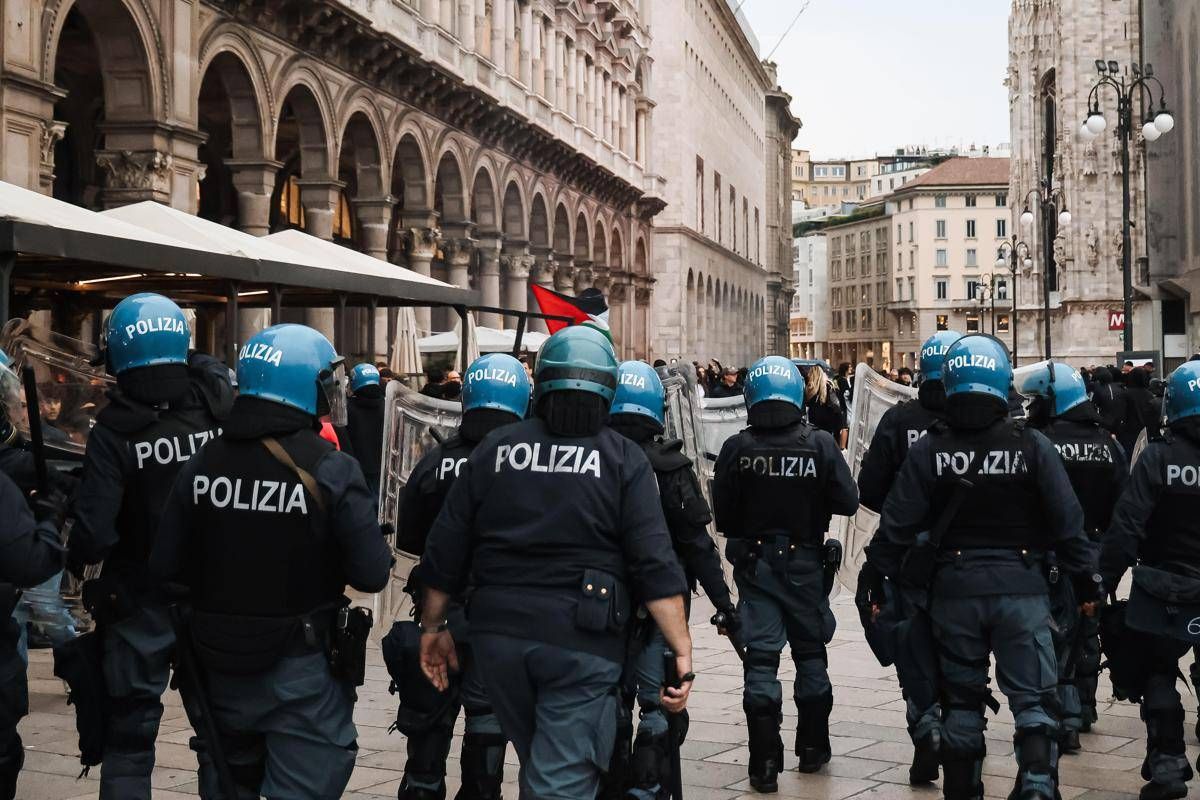
Sciopero e cortei del 30 ottobre, Piantedosi rafforza i controlli
Il ministro dell’Interno ha riunito prefetti, questori e vertici delle forze di polizia per predisporre i servizi nelle città. Previsti...
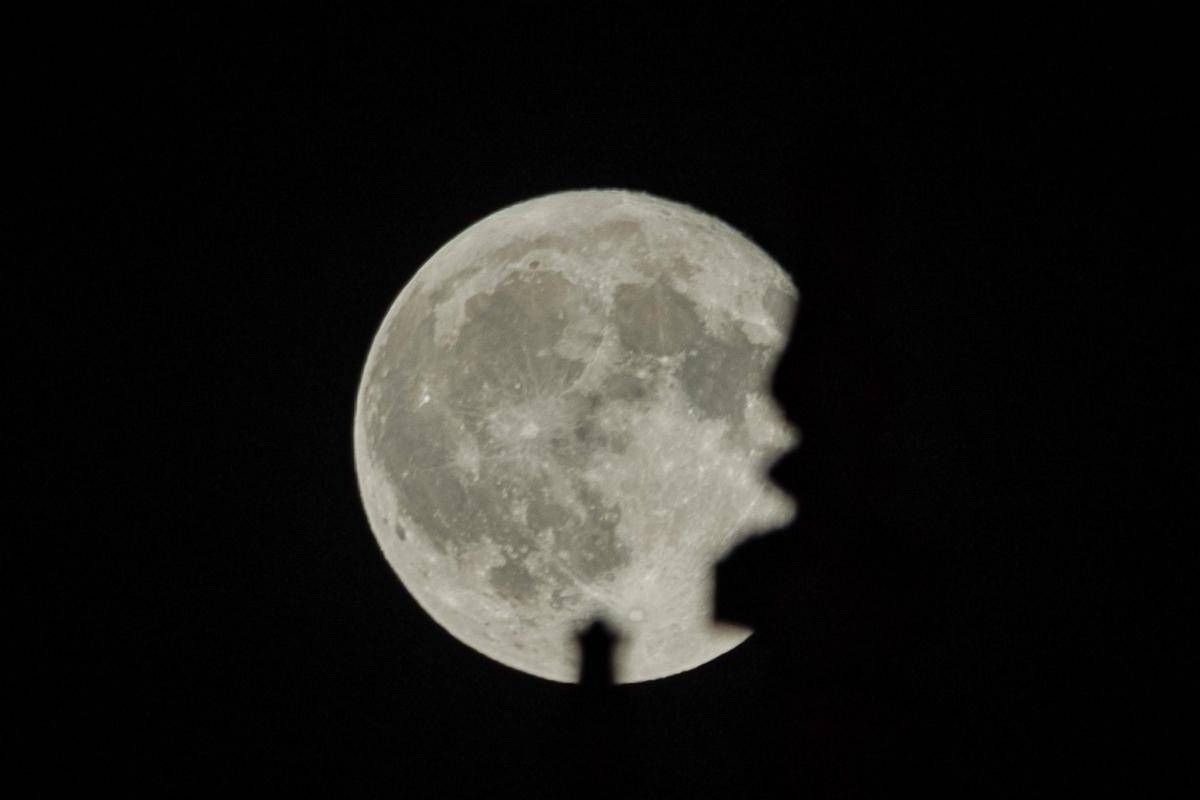
November Night Sky Brings Meteor Showers, a Supermoon and a Parade of Planets
A rare convergence of celestial events will transform November into one of the year’s most rewarding months for skywatchers, with...
Putin Warns Europe: Russia Is Ready for Conflict but Seeks Better Ties
Speaking after the Russia-Africa summit in Moscow, the Russian president paired one of his starkest warnings to Europe in recent...
Bosnia, elicottero militare italiano precipita: 4 morti
Il bilancio diffuso dai media locali non è uniforme. La missione Eufor conferma vittime e feriti gravi, mentre proseguono gli...
Pompei, riaperto dopo 2.000 anni un armadio: cosa nascondeva
Nella casa IX 11, 7 gli archeologi hanno recuperato cosmetici, monete, utensili e una collana di almeno 24 amuleti, forse...

Hormuz, tre petroliere in fiamme: Teheran accusa le navi
Secondo i Pasdaran, le imbarcazioni avrebbero urtato mine iraniane dopo aver ignorato gli avvertimenti sulla rotta meridionale dello Stretto Tre...
Lagarde Exit Sets Off a Fight Over the Future of the ECB
Christine Lagarde’s decision to leave the European Central Bank on Feb. 7 has opened one of the European Union’s most...

Meloni Defends Trump Ties as She Makes Her Case for Italy’s Strategy
The Italian prime minister argues that her close relationship with President Donald Trump advanced Italy’s national interests, while using the...
Russian Attacks Kill 15 in Ukraine as Sanctions Rift Deepens
A mass-casualty strike on a railway station in Dnipro and the deaths of two teenage girls in Chernihiv intensified Ukraine’s...
Tragedia ferroviaria Spagna, una dispersa italiana ritrovata: mancano all’appello 2 connazionali
Una nostra connazionale ha contattato il Consolato a Madrid per confermare di stare bene. Cinque italiani sono stati recuperati dai...

Hayden Panettiere Death Ruled Accidental as Police Close Case
Authorities say the actress died from the toxic effects of multiple substances, formally ending a South Carolina investigation that drew...
Reggio Emilia, 76enne ai domiciliari: è accusato di aver ucciso il cugino
La vittima, 74 anni e con una grave disabilità, morì per asfissia il 27 giugno in una residenza sociosanitaria. L’indagato...
Spain Train Disaster Kills at Least 68 as Probe Turns to Critical Rail Decisions
Spain has entered three days of national mourning after a collision between two passenger trains left dozens dead and raised...