International-News
Israel’s Election Rewrites the Rules of Israeli Politics
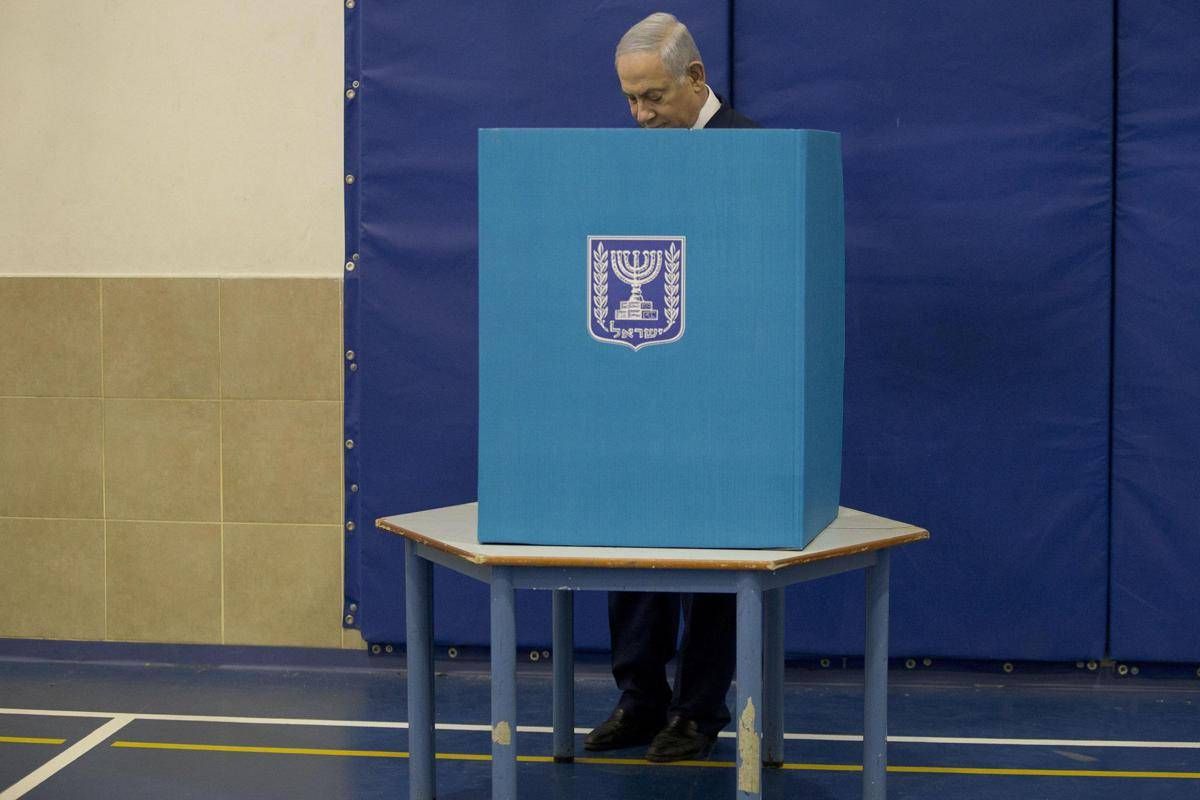
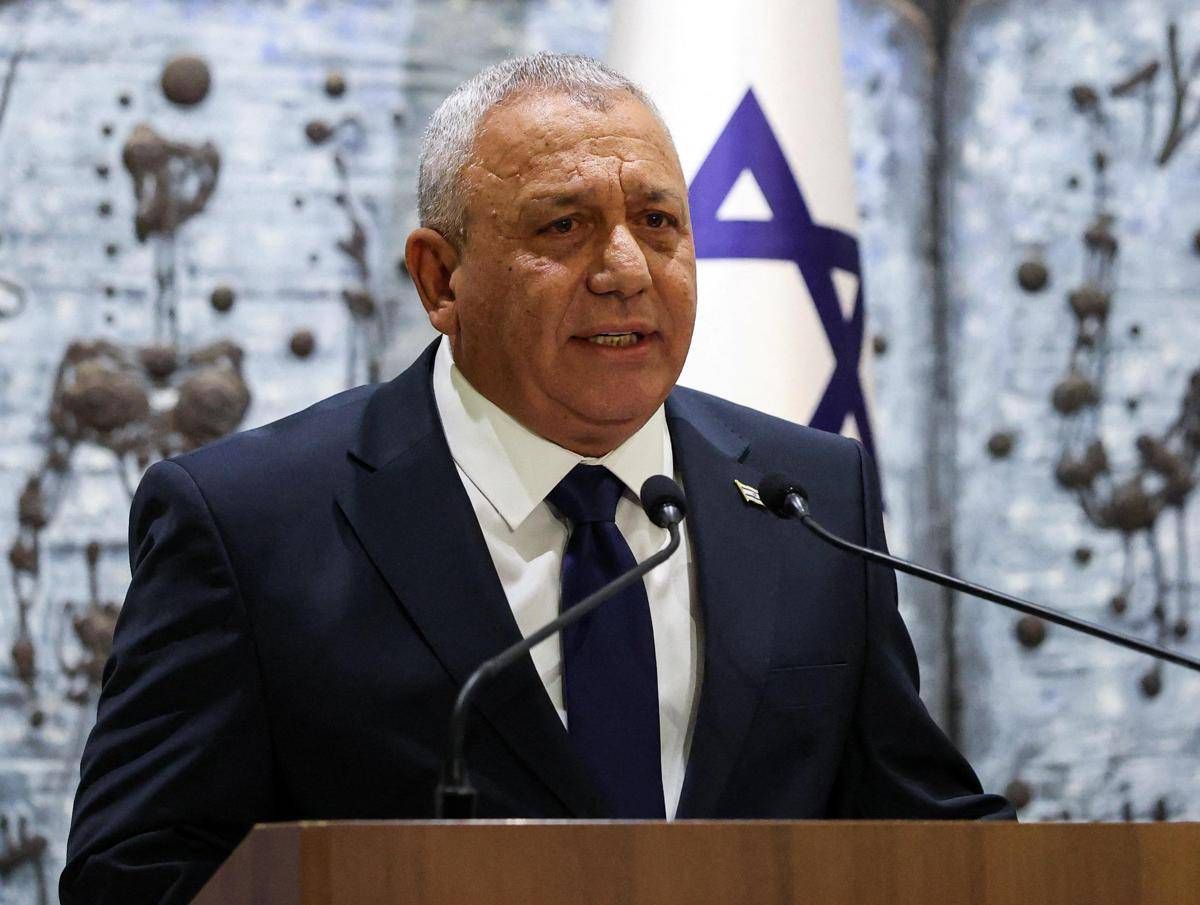
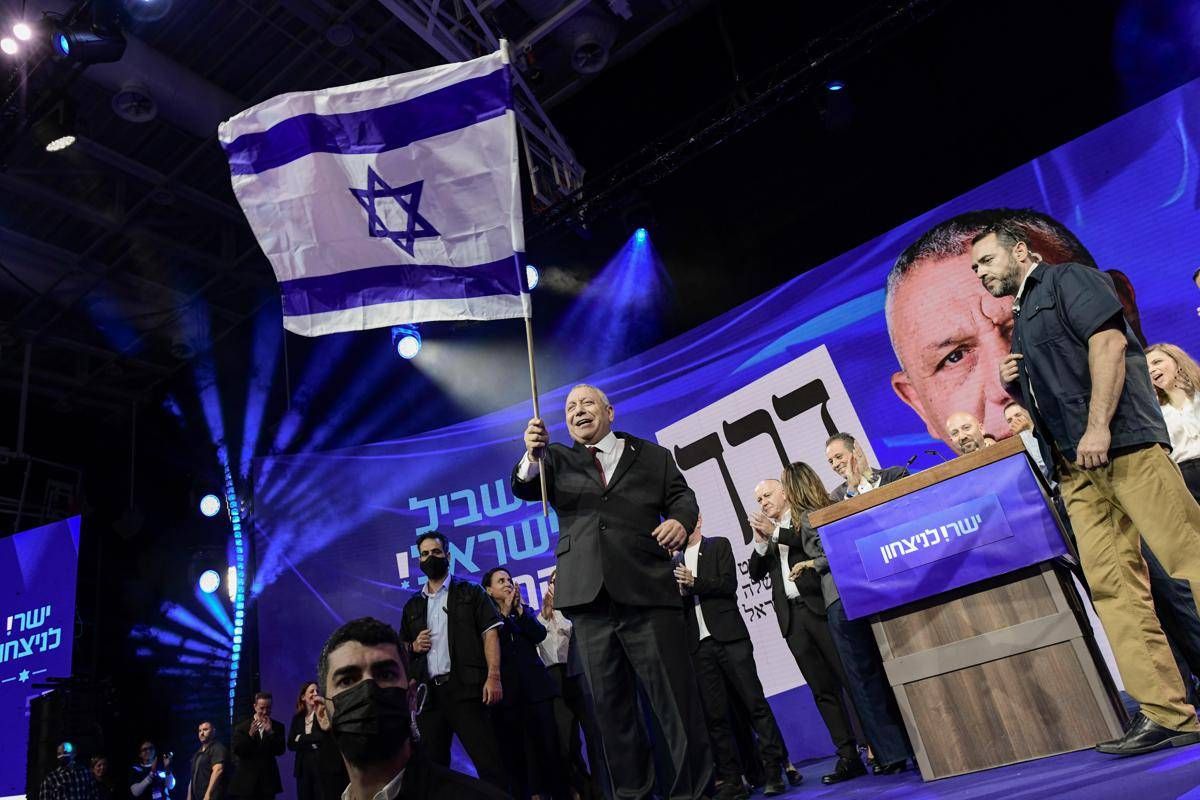
Benjamin Netanyahu finished first. Gadi Eisenkot blocked him from power. Yet the most consequential result of Israel’s election may belong to neither man. A historic Arab turnout has transformed parties long treated as outsiders into the force that now sits at the center of the country’s political future
For years, Israeli elections revolved around a single question: whether Benjamin Netanyahu would remain in power.
This election produced a different question, one that neither Netanyahu nor his opponents can avoid.
What happens when the parties that much of the political system spent years trying to marginalize become indispensable?
That is the reality emerging from one of the most consequential elections in recent Israeli history. Netanyahu’s bloc failed to secure a governing majority. The opposing camp led by former IDF chief Gadi Eisenkot also fell short. Neither side can form a government alone. Neither side can realistically govern without confronting the political force that reshaped the election itself: Israel’s Arab parties.
The numbers tell the story. Arab-led parties Ra’am and the United Arab List are projected to win a combined 19 seats, the strongest result they have ever achieved. Their success did more than improve their representation. It fundamentally altered the balance of power inside the Knesset, denying both major blocs a path to government and turning Arab voters into the decisive factor in determining what comes next.
The irony is difficult to miss. Throughout the campaign, Netanyahu and his allies repeatedly portrayed cooperation with Arab parties as politically unacceptable. Yet the election has left the prime minister confronting a reality in which the parties he sought to keep outside the governing equation may now determine whether anyone can govern at all.
That reality also explains the unusually sharp response from Likud in the hours after the vote.
Rather than celebrating its position as the largest party, Netanyahu’s movement immediately launched an attack on the legitimacy of the result, claiming the election had been “stolen” through widespread fraud, intimidation and misconduct in Arab communities. The party demanded investigations by police, the Shin Bet and election authorities, arguing that it had gathered extensive evidence ranging from voter intimidation and irregularities at polling stations to illegal voter-mobilization operations.
Election officials were unconvinced. A senior representative of the Central Elections Committee publicly rejected claims of widespread fraud, while the commission itself stated that all complaints submitted by political parties would be examined through its standard post-election review process. The committee confirmed that Likud’s allegations, like all others, would be investigated.
The dispute is about more than ballots and vote counts. It reflects a larger struggle over how to interpret the election itself.
For Netanyahu’s camp, the emergence of Arab parties as kingmakers represents a political challenge to the coalition structure that has dominated Israeli politics for years. For the opposition, Arab support may represent the only conceivable route to replacing a prime minister who remains electorally resilient even when he falls short of a majority.
That leaves Israel facing three possible paths, none of them easy.
The first is a minority government dependent on Arab support. Mathematically, such an arrangement remains possible. Politically, it remains extremely fragile. Several opposition leaders have previously opposed relying on Arab parties to sustain a government, and there is little indication that those concerns have disappeared simply because the election produced a deadlock.
The second option is a national unity government. Such an outcome would satisfy many domestic and international voices anxious to avoid another period of paralysis. Netanyahu appeared aware of that possibility in his election-night remarks when he thanked his “loyal partners” but also called for the country’s “Zionist majority” to unite. Political observers interpreted the message as an attempt to maintain his alliance with right-wing and Haredi partners while leaving open the possibility of broader negotiations.
Yet a unity government would carry enormous risks for Eisenkot’s camp. Much of the opposition’s identity has been built around the promise of ending Netanyahu’s long dominance. Joining him in government could be viewed by supporters as a surrender rather than a solution. There is also concern among Netanyahu’s rivals that any unity arrangement would ultimately leave them dependent on a prime minister whose political survival skills have repeatedly outlasted his challengers.
Which is why many Israeli politicians increasingly speak of a third possibility: another election.
The prospect seems almost absurd after such a high turnout. Yet it remains entirely plausible. Netanyahu may believe that the unprecedented mobilization among Arab voters cannot be repeated. His opponents may calculate that another campaign offers the best opportunity to finish the job they failed to complete this time. Neither side possesses a clear governing coalition today, and Israeli politics has repeatedly demonstrated that when no coalition exists, another election often becomes the default solution.
For now, the country finds itself in a strangely familiar position after a profoundly unfamiliar result.
Netanyahu remains standing.
Eisenkot remains competitive.
Neither can govern.
And the parties that were once treated as political spectators have suddenly become central protagonists in Israel’s future.
The election answered the question of who came first. It left unanswered the far more important question of who can actually rule.
(Photo: © AndKronos)