
International-News
Israeli Election Delivers No Majority, Pushing Coalition Fight Into Spotlight
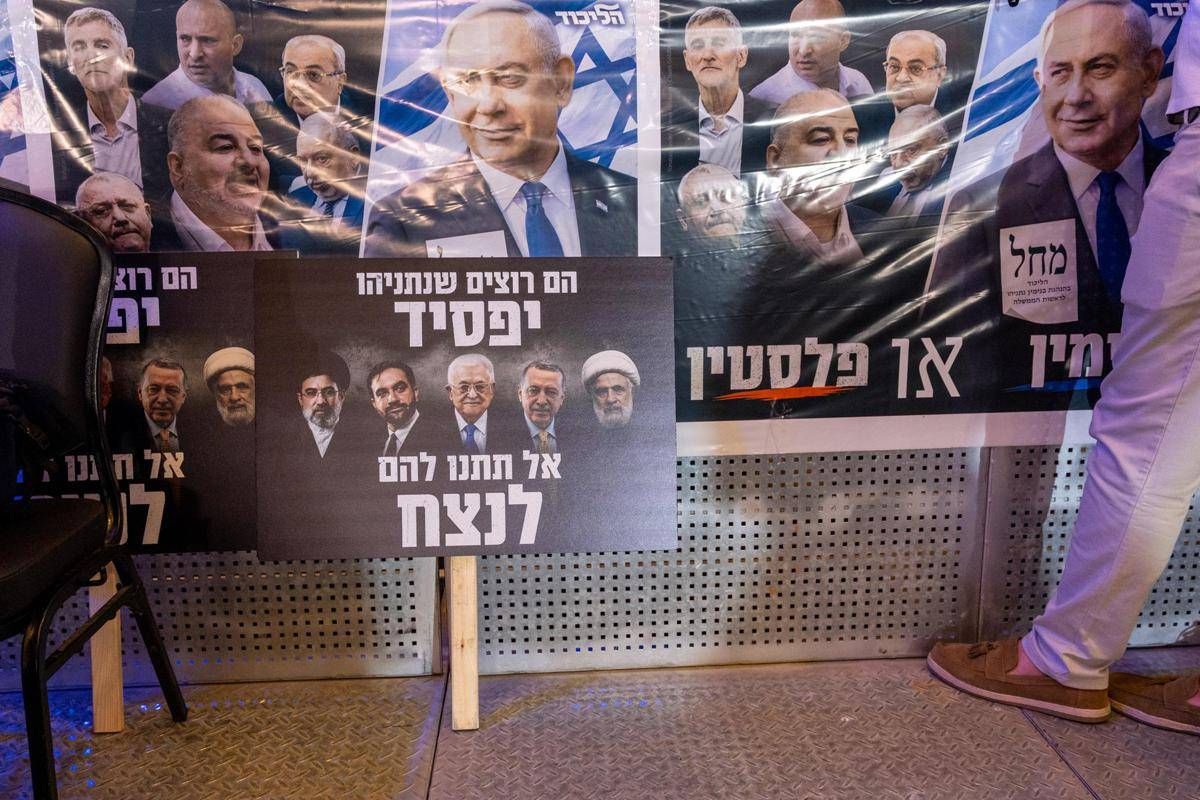
Final results left both Benjamin Netanyahu’s alliance and the opposition short of the seats needed to govern, shifting the center of Israeli politics from the ballot box to behind-the-scenes negotiations where Arab parties could hold unprecedented leverage
The election is over. The battle for power is only beginning.
Final results released overnight confirmed that neither of Israel’s rival political camps secured the parliamentary majority needed to form a government, leaving the country once again facing a period of intense coalition negotiations in which smaller parties may prove more important than the election’s largest winners.
Prime Minister Benjamin Netanyahu’s bloc finished ahead of the opposition, capturing 53 seats in the 120-member Knesset. But the result fell well short of the 61-seat threshold required to govern. The opposition camp led by centrist Gadi Eisenkot secured 48 seats, also far from a viable majority.
The numbers reveal a political landscape that remains deeply fragmented. Netanyahu emerged from the election stronger than any individual rival, yet without a clear path back to power. Eisenkot prevented the prime minister from securing a governing mandate but failed to assemble one of his own.
That deadlock has elevated a third force that neither major camp can afford to ignore.
The election’s most consequential development may be the surge of the Arab parties Raam and the Unified List, which together won 19 seats. Their combined strength dramatically alters the parliamentary arithmetic and could make them central players in determining who ultimately governs Israel.
With no bloc able to reach a majority on its own, coalition talks are now expected to become the decisive phase of the political contest.
That reality was reflected in the unusually cautious tone adopted by opposition figures after the results became official. Rather than celebrating victory or conceding defeat, attention quickly shifted to what can be achieved through negotiations.
Yair Lapid, a leading figure in B’Yachad, argued that the election should not be judged solely by seat totals. In a post on X, he portrayed the outcome as a political setback for Netanyahu despite the prime minister’s first-place finish.
“It was a victory on points,” Lapid wrote. “Points count, too. A victory is still a victory.”
Lapid pointed to the fact that Netanyahu’s alliance remained well below a governing majority despite finishing ahead of the opposition. He noted that the prime minister’s Likud party won 27 seats, while the broader 53-seat total relied in part on the support of allies including United Torah Judaism and Shas.
Still, Lapid acknowledged that translating the election results into a functioning government would be considerably more difficult than campaigning for one.
His appeal to supporters focused less on triumph than on patience.
Government formation, he argued, unfolds far from public rallies, television studios and election-night declarations.
“It happens in private rooms, slowly, away from the spotlight,” Lapid wrote.
He warned that leaks, speculation and daily headlines could complicate delicate negotiations, suggesting that meaningful political activity is already underway despite the absence of public announcements.
“If you want to know whether something is happening behind the silence you feel right now,” he wrote, “the answer is yes.”
The election determined neither a governing coalition nor a prime minister. Instead, it produced a new balance of power in which every seat carries greater weight and every potential alliance matters. The decisive contest now moves from voters to negotiators, where Israel’s next government will ultimately be decided.
(Photo: © AndKronos)


Calenda annuncia: «Azione correrà da sola alle prossime elezioni»
Esclusa l’adesione alle due coalizioni, il leader punta a costruire una lista centrista capace di incidere sulla formazione del governo...

Kherson, finita la tregua di Oleshky: un drone russo ferisce due civili
La pausa umanitaria, durata sei giorni, si è conclusa il 1° novembre. Colpita un’auto nel quartiere di Korabelny La ripresa...
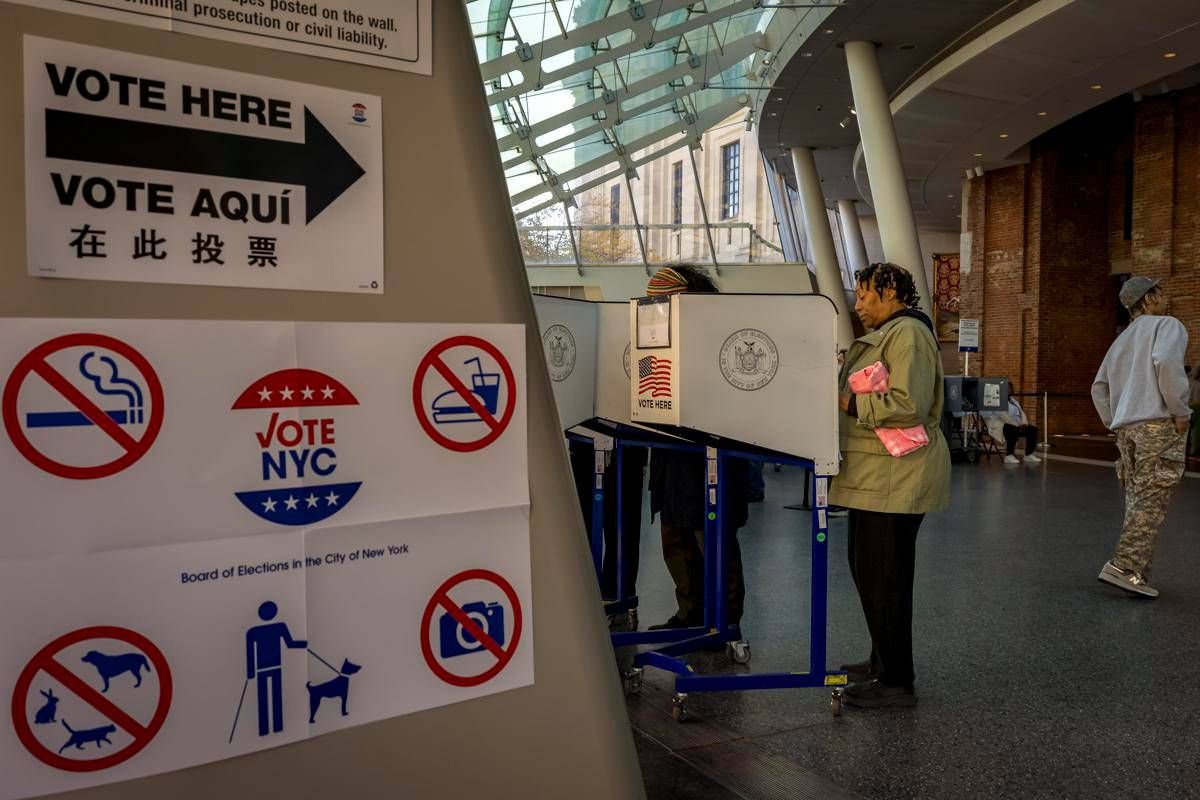
Governors, Not Congress, May Hold the Biggest Prize of the Midterms
Thirty-six states are electing governors, and the results could shape far more than local politics. With Democrats eyeing gains in...
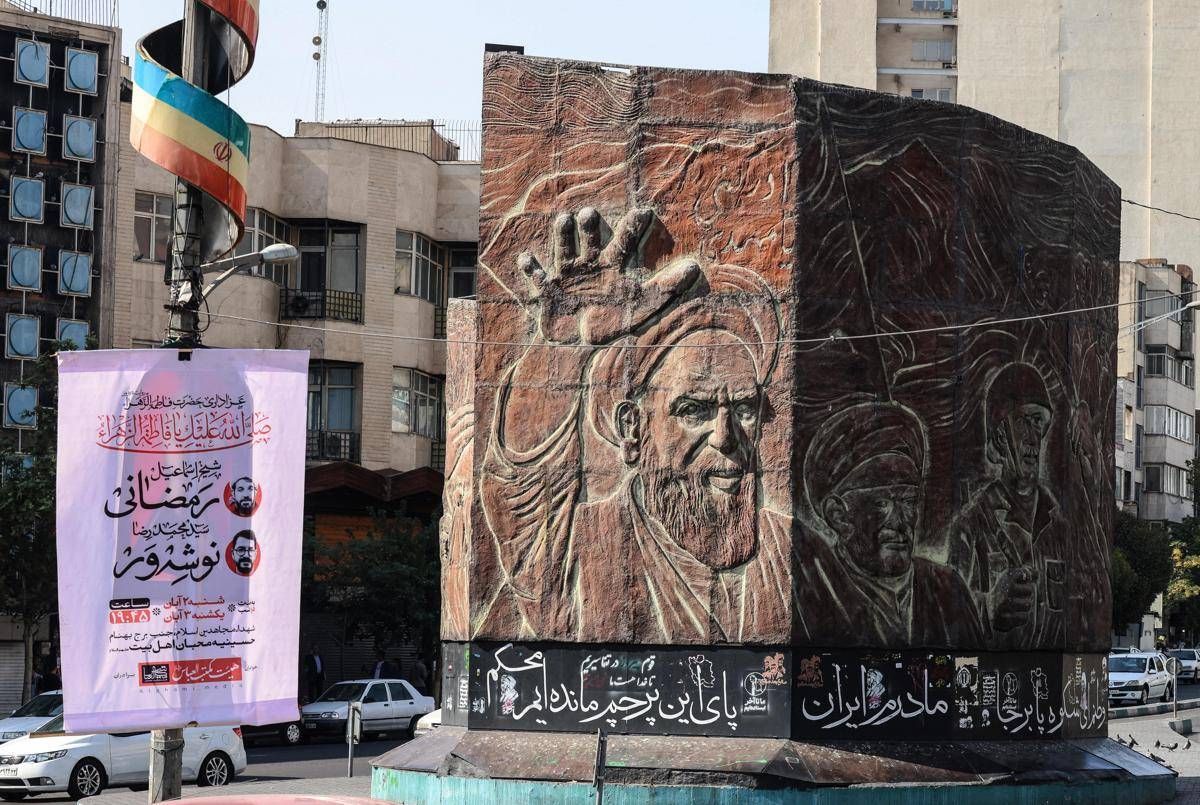
La trattativa tra Iran e Stati Uniti resta appesa alle richieste di Teheran
Nuovi attacchi in Iran, Trump rinvia ogni decisione dopo il voto del 3 novembre e lascia spazio ai negoziati. Netanyahu...

Spagna, identificate 2 italiane tra le vittime dell’incidente ferroviario
Ana Martina Conte Grand e Daniela Milan Parlanti risultavano disperse dopo lo scontro tra i due treni a Urda Il...

Juan Atkins, Architect of Detroit Techno and Electronic Music Pioneer, Dies at 64
From the industrial landscape of Detroit emerged a sound that would transform dance music worldwide. Juan Atkins, widely regarded as...

Trieste, due giovani migranti morti in un incendio al Porto Vecchio
Le vittime, un uomo e una donna, erano al primo piano del magazzino 18. Il solaio ha ceduto mentre le...


Criminalità giovanile, 644 arresti in due settimane: 69 sono minorenni
L’operazione della Polizia ha coinvolto tutte le province italiane. Identificati oltre 236mila ragazzi e sequestrati più di 244 chili di...

Quattro militari morti in Bosnia, le salme oggi in Italia: funerali martedì
I feretri arriveranno a Ciampino intorno alle 12. Meloni e Crosetto saranno presenti per accogliere i caduti dell’incidente del CH-47...


Roma, due persone trovate morte in casa dopo un incendio
Un uomo e una donna sono stati scoperti dai vigili del fuoco in un appartamento di via Spinoza, invaso dal...


Bora e Grecale fino a 70 km/h, mare agitato e neve sugli Appennini
Il vortice ciclonico sulle regioni meridionali porta un peggioramento al Centro-Sud, con precipitazioni localmente temporalesche e grandine Il termometro scende...
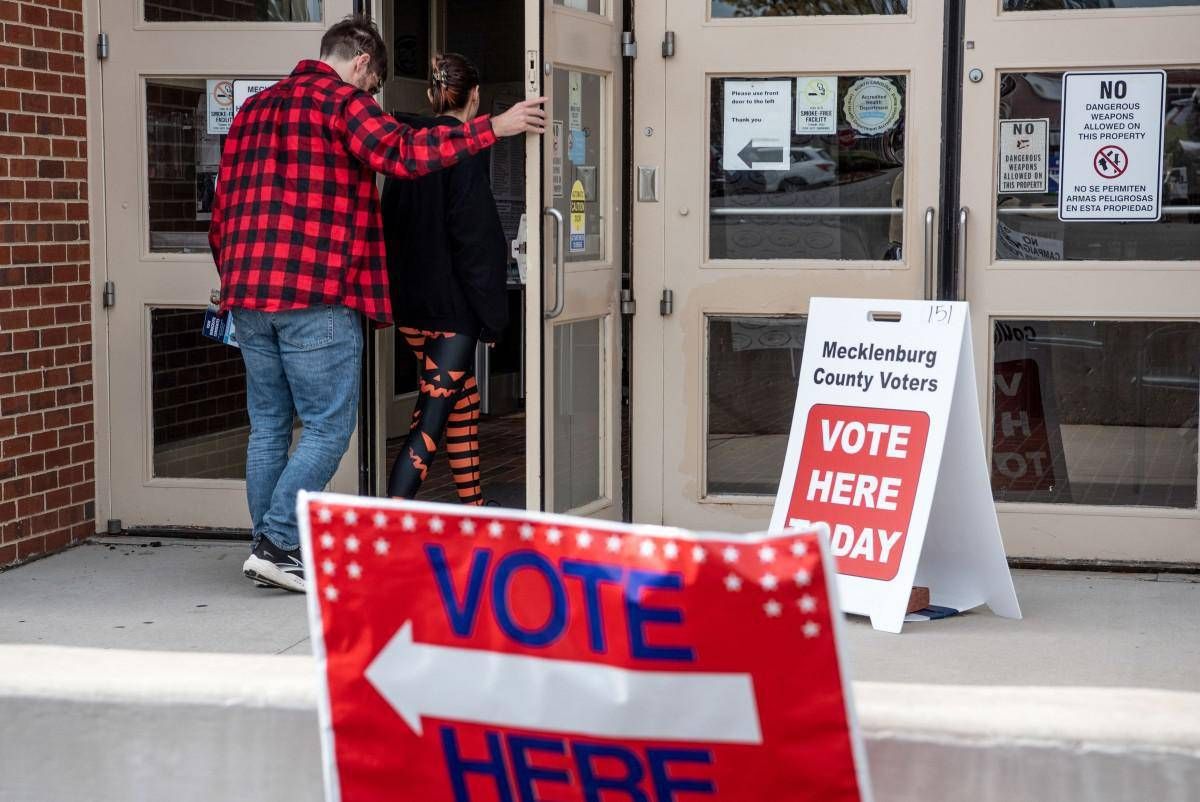
America’s Midterm Elections Keep Humbling Presidents. Trump Is Betting He Can Break the Pattern
Facing unfavorable polls and lukewarm enthusiasm within parts of his coalition, Donald Trump is asking Republicans to rally as if...

Ucraina, Rubio frena sulla pace: «Accordo difficile nei prossimi mesi»
Secondo fonti diplomatiche citate da Radio Free Europe, il segretario di Stato americano avrebbe espresso forti dubbi sulla possibilità di...

Palm Beach Plane Crash Kills Nine Aboard Learjet 60 Bound for Bahamas
Federal investigators are examining the sudden loss of altitude that preceded the crash of a private jet in a residential...

Kimi Antonelli Clinches Formula 1 World Championship, Ending Italy’s 73-Year Wait
The 20-year-old Mercedes driver secures the title with a podium finish in Mexico City, becoming the youngest Formula 1 world...

Kimi Antonelli campione del mondo: l’Italia torna sul tetto della F1
Il terzo posto in Messico consegna il titolo al ventenne bolognese: l’ultimo italiano a riuscirci era stato Alberto Ascari nel...