
International-News
Christa Pike Failed Execution Raises Unprecedented Fight Over Second Death Sentence

The Tennessee inmate who survived a lethal injection was expected to die on Sept. 30. Instead, her survival has created a rare legal and ethical confrontation over whether a state can carry out a second execution after the first one failed
Christa Pike was supposed to be dead.
Instead, the Tennessee death row inmate has emerged at the center of what advocates describe as an extraordinary legal battle, one that could force courts to confront a question almost never asked in modern American capital punishment: What happens when an execution fails to achieve its purpose?
Pike, 50, was sentenced to death for the 1995 stabbing murder of fellow student Colleen Slemmer. On Sept. 30, Tennessee attempted to carry out that sentence through lethal injection. Yet Pike survived.
According to the Death Penalty Information Center, she is the only person known to have survived the administration of lethal injection drugs during an execution. That fact alone has transformed her case from a routine death penalty proceeding into a dispute with potentially far-reaching implications for how states enforce capital punishment.
Her attorneys have now launched a legal effort aimed at preventing Tennessee from making a second attempt.
The argument is unfolding against the backdrop of Pike’s account of what followed the failed execution. After the procedure, she was intubated and, according to her lawyers, they did not expect her to survive. Weeks later, speaking through a statement released by her legal team, Pike described a condition she says remains dominated by pain.
“Healing is not the same thing as being well,” she said.
Pike reported continuing physical suffering that she says has persisted since the night of the execution attempt.
“Since that night, there has not been a single moment when I have not been in pain,” she said. “My whole body hurts. My arms hurt. My hands hurt. My throat hurts. I still struggle to speak.”
Yet her statement suggests that the legal questions now facing Tennessee extend beyond the physical aftermath of the procedure.
“The pain is not only physical,” Pike said. “There is pain in my mind and in my soul.”
For her attorneys, those consequences are inseparable from the broader legal battle now underway. The central issue is no longer simply the sentence imposed decades ago for Slemmer’s murder. It is whether the state’s unsuccessful attempt to carry out that sentence changes what can happen next.
The case has also drawn renewed attention to Pike’s conditions of confinement. She said that since the execution attempt she has spent much of her time isolated in the prison infirmary, separated from the human contact that had become important during nearly three decades on death row.
“Since that night, I have been mostly isolated in the prison infirmary, away from other people and the human connections that mean so much to me,” Pike said.
The experience, she added, has revived memories of the 28 years she says she spent in solitary confinement.
“This isolation brings its own kind of pain,” she said. “Much of what I am experiencing today is a repetition of that condition.”
For years, the defining fact of Pike’s story was that she was condemned to die. Today, the defining fact is something far rarer: the sentence was carried out, yet she remains alive. As courts prepare for the next phase of the case, the focus has shifted from the crime that put her on death row to the unprecedented legal and human consequences of an execution that failed.


Thomas Markle Report Casts New Spotlight on Sussex Family Rift
A Daily Mail investigation claims illicit material was discovered inside a storage unit allegedly rented by Meghan Markle’s father, adding...

Midterms Are a Referendum on Trump, Bolton Warns
In an interview with Italian news agency Adnkronos, former National Security Adviser John Bolton argues that inflation, rising living costs...
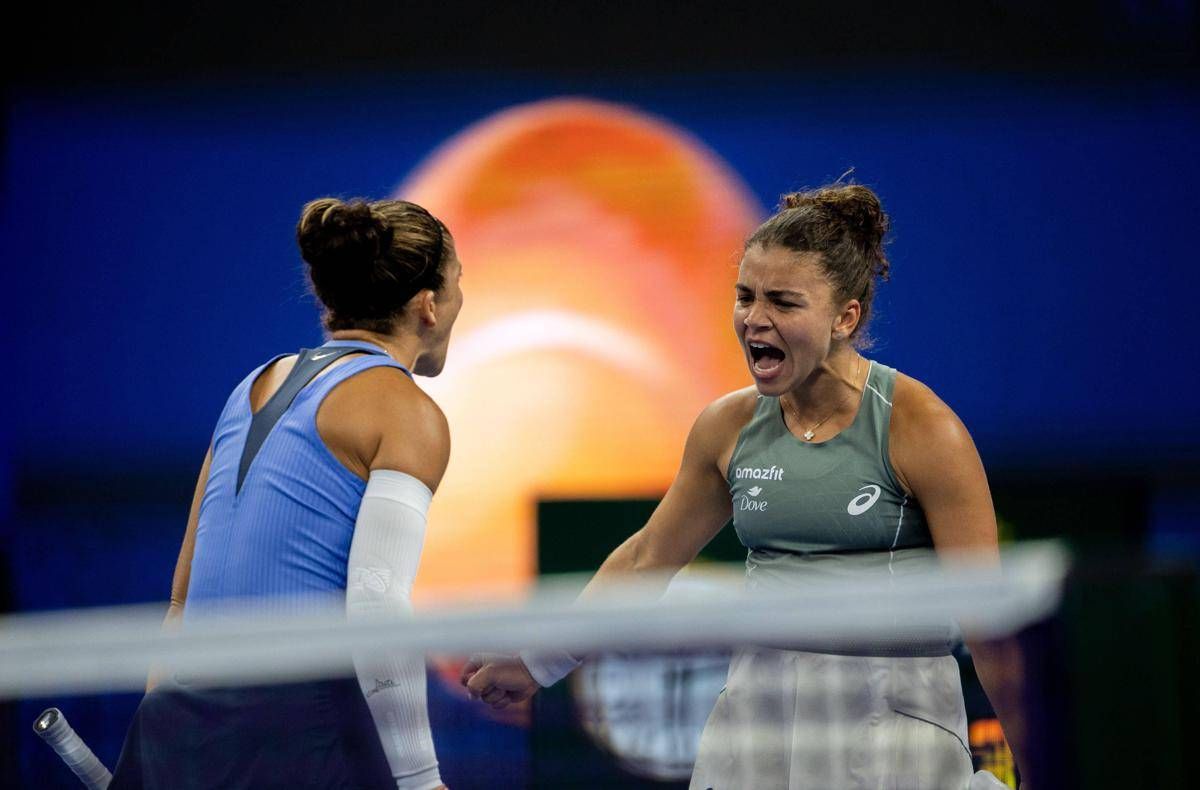
Errani e Paolini in finale a Tokyo: conquistate anche le Wta Finals
La coppia azzurra supera Mihalikova e Nicholls in due set e si assicura un posto nell’appuntamento di fine stagione riservato...


Weekend di Ognissanti, aria fredda e piogge: temperature fino a -5°C
Il maltempo raggiunge soprattutto il Centro-Sud, con rovesci insistenti fino a martedì e neve sull’Appennino centrale da domenica sera Il...

Cortei del 30 ottobre, 60 perquisizioni in 23 città dopo gli scontri
Digos e Polizia postale indagano su chi avrebbe incitato alla violenza attraverso chat e social. Il bilancio del Coisp: 11...

Lauren Bennett Suicide Ruling Reveals the Hidden Toll Behind a Pop Success Story
The former G.R.L. singer and Party Rock Anthem performer achieved the kind of international fame most artists spend a lifetime...
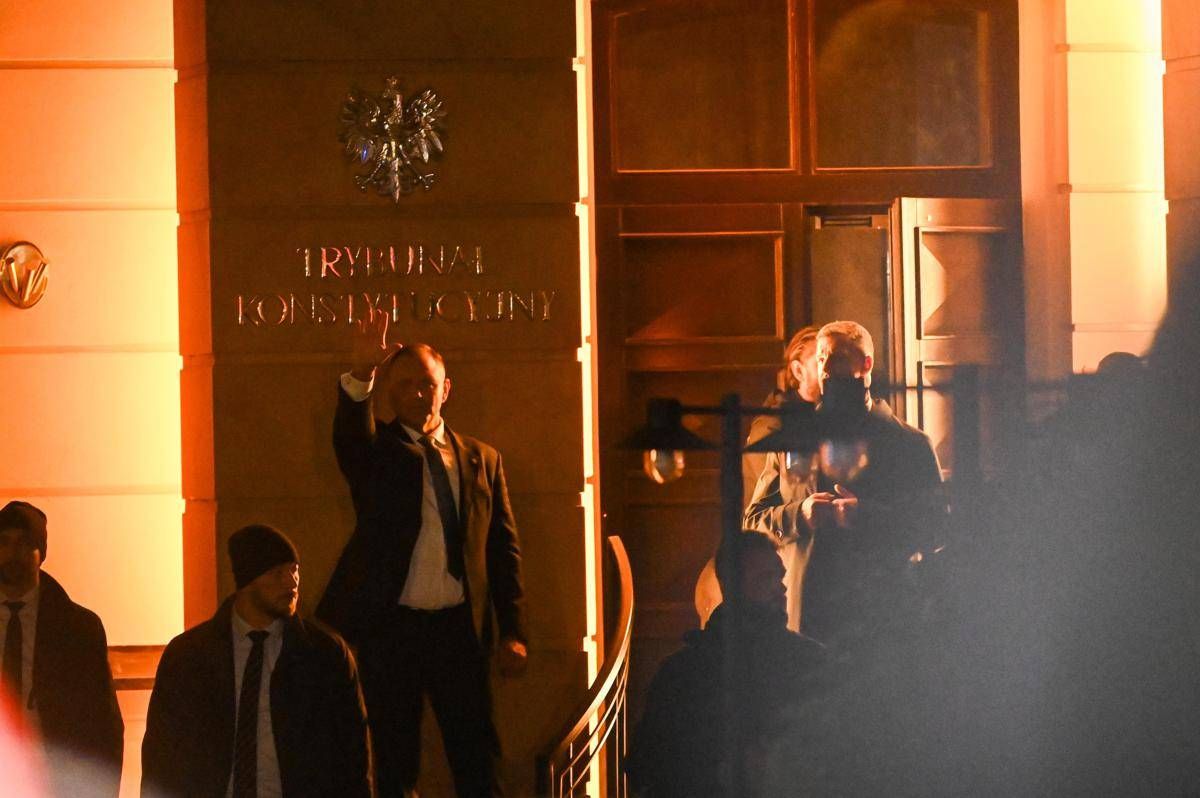
Polonia, scontro sulla Corte Costituzionale: Nawrocki contro Tusk
La sospensione di Bogdan Swieczkowski e del suo vice riaccende il conflitto sulla magistratura, dopo le controverse nomine effettuate dai...

Iran, diplomazia accelera prima delle midterm: resta rischio attacco Usa
Nell’amministrazione Trump emergono posizioni diverse sulla strategia da seguire. Netanyahu spingerebbe per un’operazione congiunta, mentre i Paesi della regione chiedono...


Trump Eyes Nicki Minaj for White House Post After Praising Her Body
With a key communications position suddenly vacant, the president is floating one of his most unconventional personnel ideas yet: a...

Trump valuta la nomina di Nicki Minaj portavoce alla Casa Bianca, dal lato B al lato C?
La rapper, 43 anni, si è avvicinata al presidente negli ultimi mesi, sostenendolo in vista delle elezioni di midterm. E...


Governo, Manovra 2027, tutte le misure: dall’Irpef alle pensioni, cosa cambia
Il testo bollinato dalla Ragioneria dello Stato contiene 157 articoli. Previsti interventi su fisco, famiglie, sanità, lavoro e previdenza, oltre...

MotoGp Malesia, Acosta vince la Sprint: Marquez secondo
Lo spagnolo della Ktm conquista Sepang davanti al connazionale della Ducati. Bezzecchi chiude terzo, mentre il leader del Mondiale allunga...

F1 in Messico, orari e dove vedere le qualifiche in tv e streaming
Si corre a Città del Messico dopo il successo di Antonelli ad Austin. Terze prove libere alle 18.30, sessione decisiva...

Polonia, scontro sulla Corte costituzionale: polizia schierata a Varsavia
Sospeso il presidente del tribunale Bogdan Swieczkowski, ma la Corte contesta la decisione e sostiene che sia ancora in carica....


Pensionati, dal 2027 le notifiche Inps arrivano anche con Send
L’Istituto introdurrà gradualmente la piattaforma digitale di PagoPA per gli atti della Pubblica amministrazione. Previsti canali alternativi per chi non...

Francia, allarme saccheggi per Halloween: 70mila tra polizia e gendarmi
Il ministro dell’Interno Nuñez segnala appelli alla violenza e all’insurrezione. Darmanin chiede ai magistrati una risposta giudiziaria rapida e severa...