
International-News
UK nations push coordinated stance on self‑determination as pressure builds on London
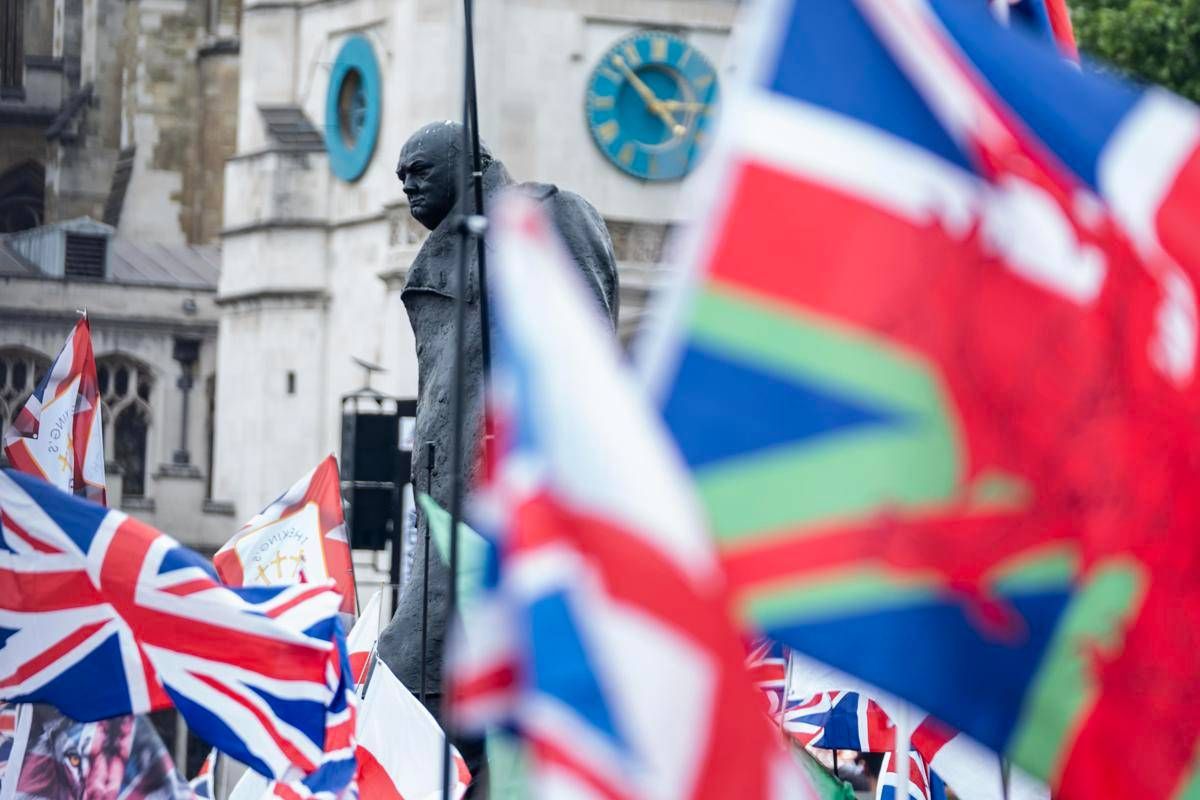
Leaders of Scotland, Wales and Northern Ireland meet in Cardiff to outline shared principles on constitutional futures and relations with Europe
Is the United Kingdom beginning to creak? Leaders from Scotland, Wales and Northern Ireland are meeting in Cardiff to craft a common position on self‑determination and the possibility of future referendums on their constitutional status. According to The Telegraph, the summit will produce a joint declaration covering the economy, energy, relations with Europe, inter‑nation cooperation within the UK and the principle of self‑determination.
The initiative comes as pressure intensifies on the government in London over the long‑term stability of the Union.
A memorandum asserting the right to choose
The document is expected to assert that the three nations should have the right to decide their constitutional future, including potential referendums. It will also call for stronger ties with European nations and outline how each nation could pursue a future relationship with the European Union.
For Scotland and Wales, independence would open the door to applying for EU membership as new states. Northern Ireland, meanwhile, could face a different scenario: the possibility of reunification with the Republic of Ireland — a topic referenced over the weekend by President Donald Trump, in remarks whose timing raised eyebrows.
The summit also aims to reinforce cooperation among the three devolved governments as they contemplate potential constitutional change.
Burnham vs. Swinney: the clash over Scotland’s future
The meeting follows a sharp exchange between UK Prime Minister Andy Burnham and Scottish First Minister John Swinney over the prospect of a second independence referendum.
Burnham initially suggested that a new vote could be considered if there were clear public consensus, drawing a parallel with Northern Ireland’s mechanism for constitutional change. But he later hardened his stance, telling Swinney that independence and a new referendum were “off limits.” He argued that Scotland lacks sufficient consensus and that another vote would distract from economic priorities and the cost‑of‑living crisis. Burnham also said he was unaware of any majority in Northern Ireland favoring separation from the UK.
Swinney countered that momentum toward independence is “undeniable.” He urged Burnham to agree on a legal pathway allowing Scotland to determine its future. The SNP leader called Burnham’s earlier comments in the House of Commons a “significant shift” and insisted that the principle of majority support must translate into a concrete legal mechanism.
A historic alignment among devolved governments
For the first time, Scotland, Wales and Northern Ireland are led by parties that — in different ways — support greater self‑determination. Welsh First Minister Rhun ap Iorwerth rejected suggestions that the Cardiff meeting represents a plot to “break up” the UK. Instead, he framed it as an effort to strengthen the role of Wales and the other nations within the Union.
The Cardiff summit signals a moment of unusual coordination among devolved leaders — and a growing willingness to challenge London’s assumptions about the future shape of the United Kingdom.
THE LATEST NEWS
[recent_post_slider design=”design-07″ show_author=”false” slider_height=”390″ lazyload=”progressive” limit=”6″ category=”11728″]
(Photo: © AndKronos)



Champagne, gli abbinamenti gastronomici che rendono preziosi i momenti di convivialità
Quando immaginiamo la freschezza dello champagne, con le sue inconfondibili bollicine, si aprono nella mente diverse finestre, tutte con la...
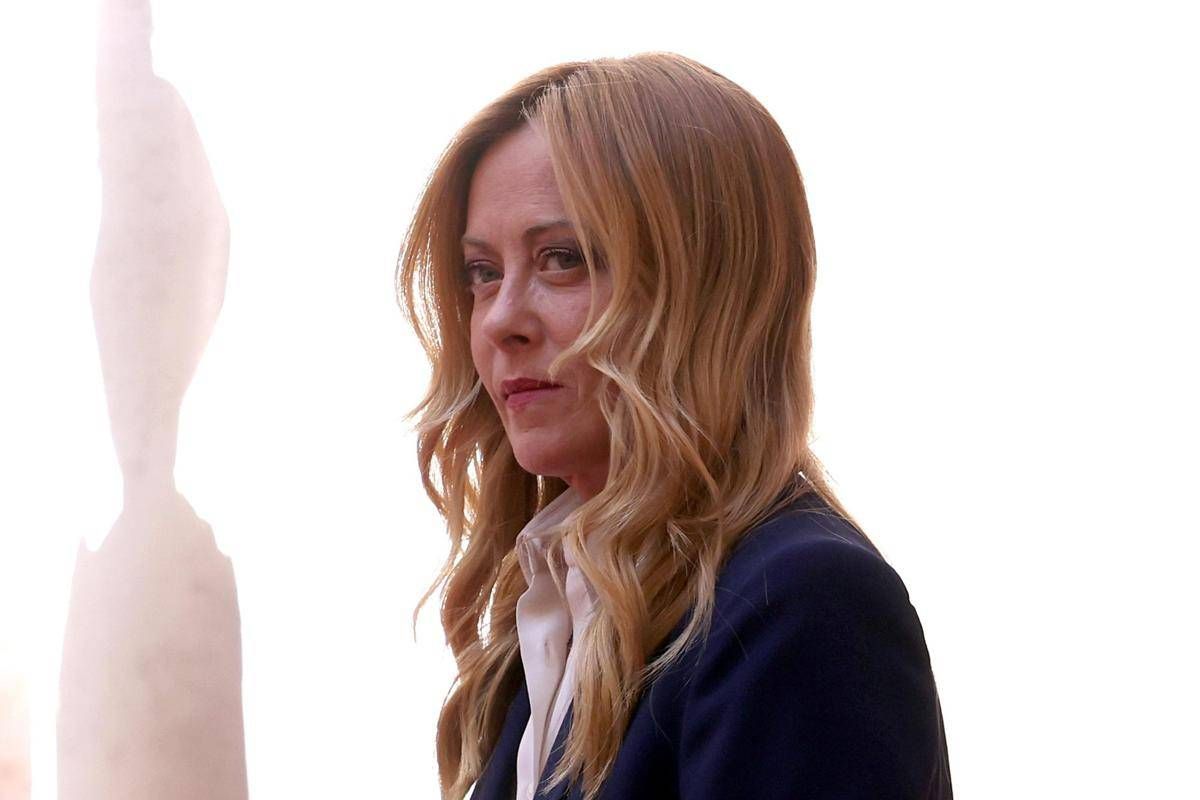
Siher scarcerato, Meloni attacca il Gip di Milano: «Decisione vergognosa»
La presidente del Consiglio critica la mancata convalida del fermo del 30enne, amministratore della chat Telegram e della pagina Instagram...
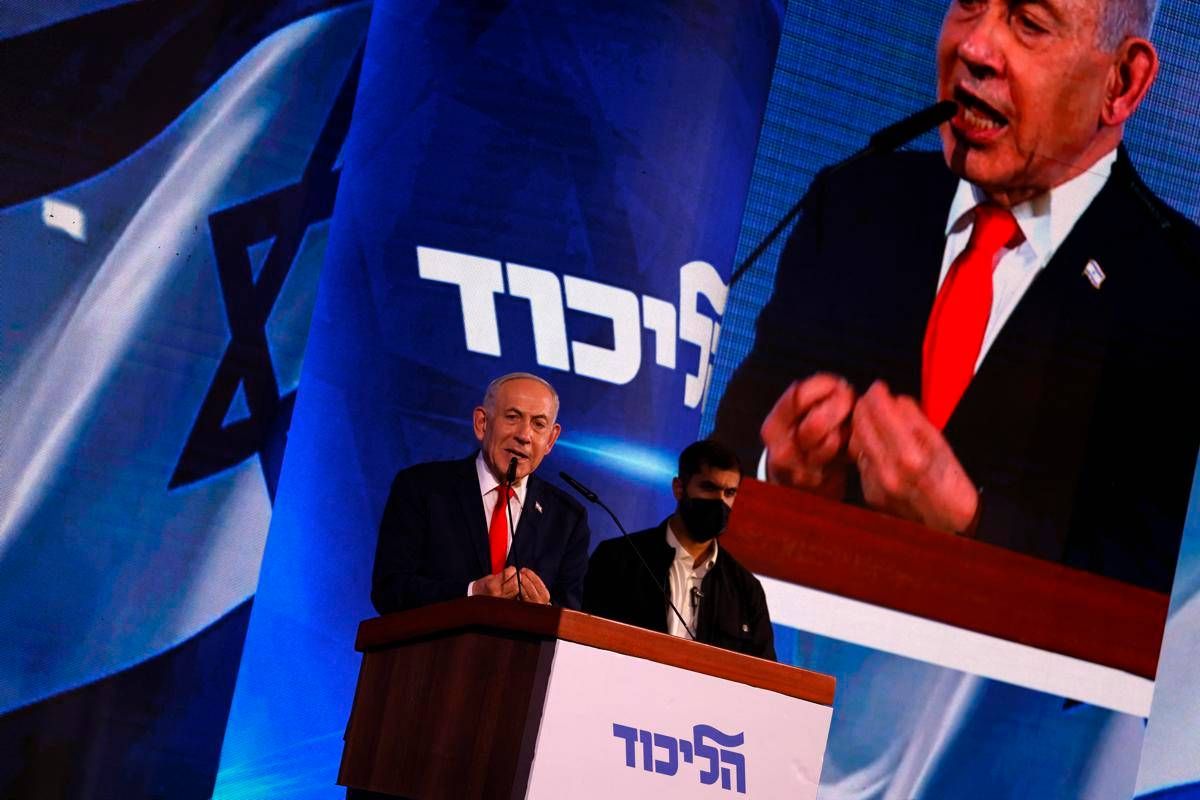
Netanyahu Bloc Leads Partial Israeli Election Count
With 84.5% of ballots counted, Prime Minister Benjamin Netanyahu’s alliance remains ahead, but neither major political bloc has secured the...


Elezioni in Israele, Netanyahu a 54 seggi con l’84,5% delle schede scrutinate
I risultati aggiornati della Commissione elettorale centrale assegnano 49 seggi al blocco di Gadi Eisenkot. Nessuno dei due schieramenti raggiunge...

Loria, famiglia di sei persone intossicata dal monossido: tutti in ospedale
I due genitori e i quattro figli sono stati soccorsi dal Suem 118 nella notte di mercoledì 28 ottobre. Il...

Spagna, scontro tra treni ad alta velocità a Toledo: 46 morti e 150 feriti
Secondo il bilancio provvisorio citato da La Razón, sono coinvolti un convoglio Renfe e uno Iryo. La circolazione sulla linea...
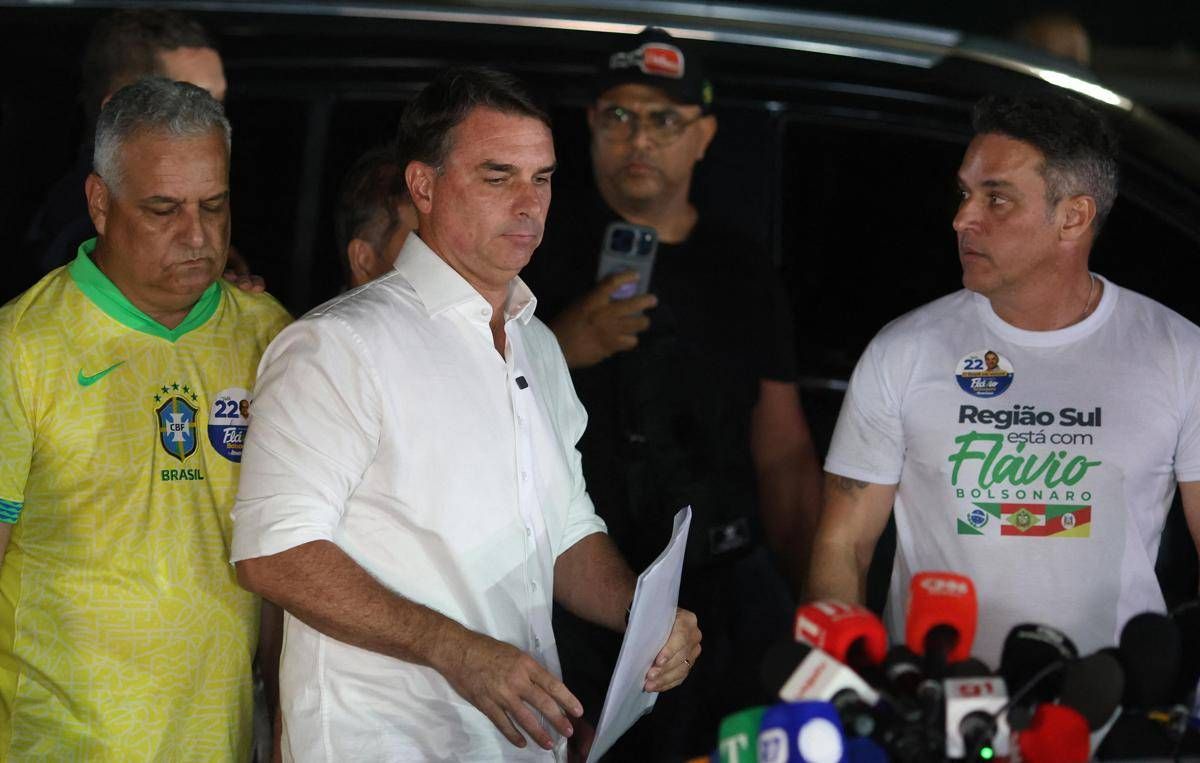
Flavio Bolsonaro, nuove versioni sulla fuga: dagli Usa all’Ecuador
Cnn e Washington Post lo danno arrivato negli Stati Uniti, citando fonti anonime. Le autorità argentine riferiscono invece che il...
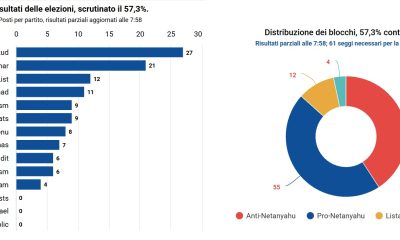

Elezioni Israele, scrutinio in corso: alleanza Netanyahu avanti ma no maggioranza seggi
Con il 57,3% delle schede scrutinato, nessuno dei due blocchi raggiunge la soglia di 61 seggi necessaria per formare il...

Acqua minerale San Zaccaria, ritirato un lotto per rischio microbiologico
Il richiamo riguarda le bottiglie da un litro del lotto L26239221100, con scadenza 27 agosto 2028. La raccomandazione è di...
Melania Trump Announces Oleshky Ceasefire as Debate Erupts Over Credit
The First Lady says a Russia-Ukraine ceasefire has taken effect ahead of schedule in the Kherson region, while social media...

Sciopero nazionale dei taxi il 15 dicembre a Roma: tre proteste a novembre
Le organizzazioni sindacali annunciano una giornata di mobilitazione nella Capitale e manifestazioni a Milano l’11 novembre, Napoli il 17 e...
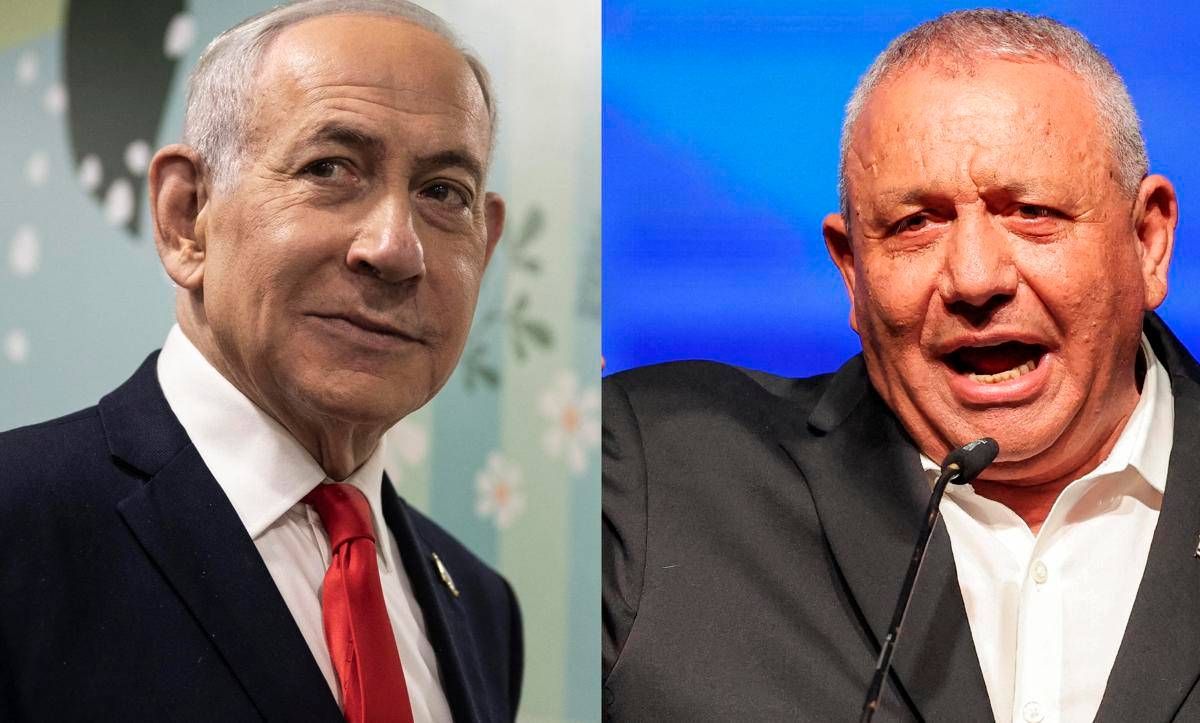
Israel Election Exit Polls Leave Power Balance Unresolved
Conflicting projections show neither Benjamin Netanyahu nor Gadi Eisenkot with a clear path to a parliamentary majority as voter turnout...
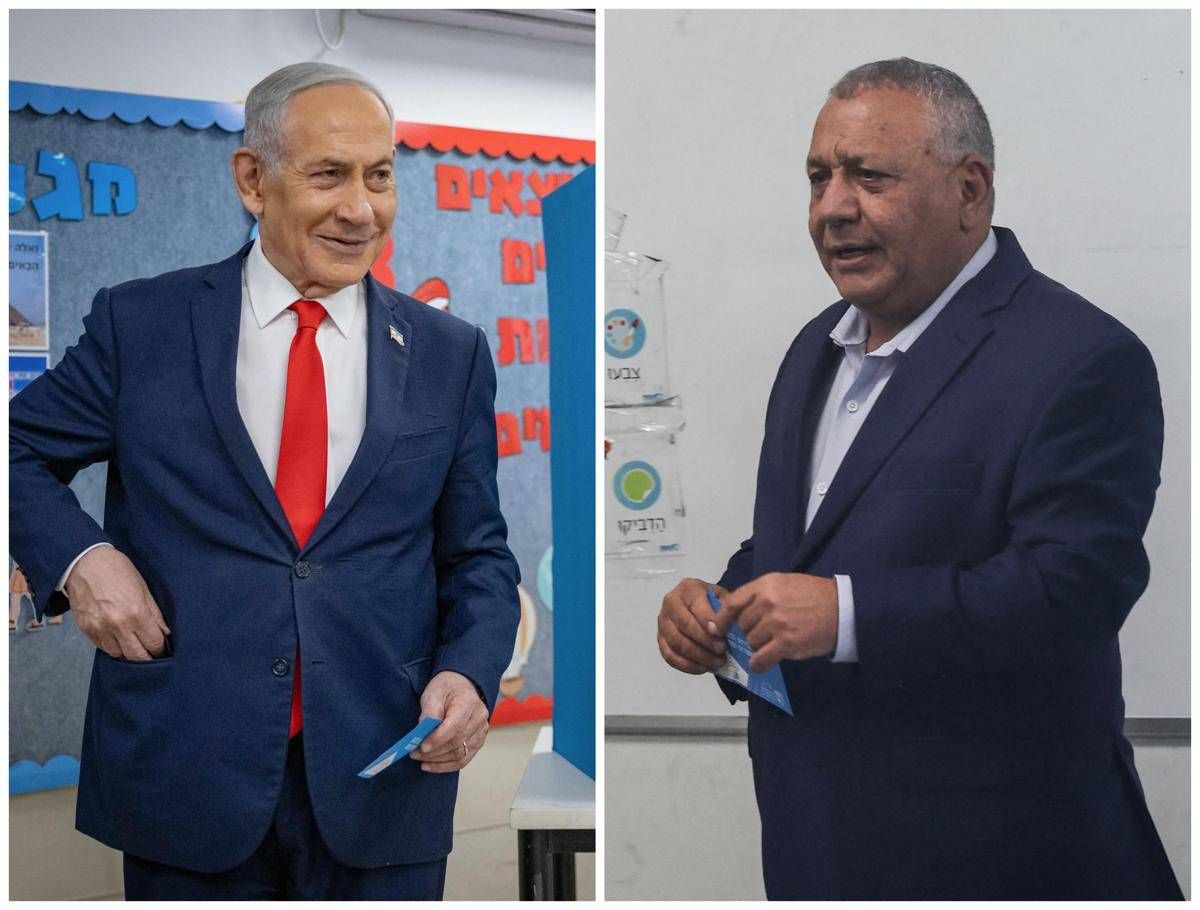
Elezioni in Israele, exit poll: testa a testa Netanyahu-Eisenkot
Gli exit poll di N12 e Channel 13 assegnano al blocco di Eisenkot 52 o 53 seggi, contro i 50...

Flavio Bolsonaro sarebbe in fuga negli Usa: «Volo verso la Florida»
Secondo Folha de São Paulo e Metrópoles, il senatore avrebbe lasciato il Brasile dopo il ritiro dei passaporti ordinato dal...
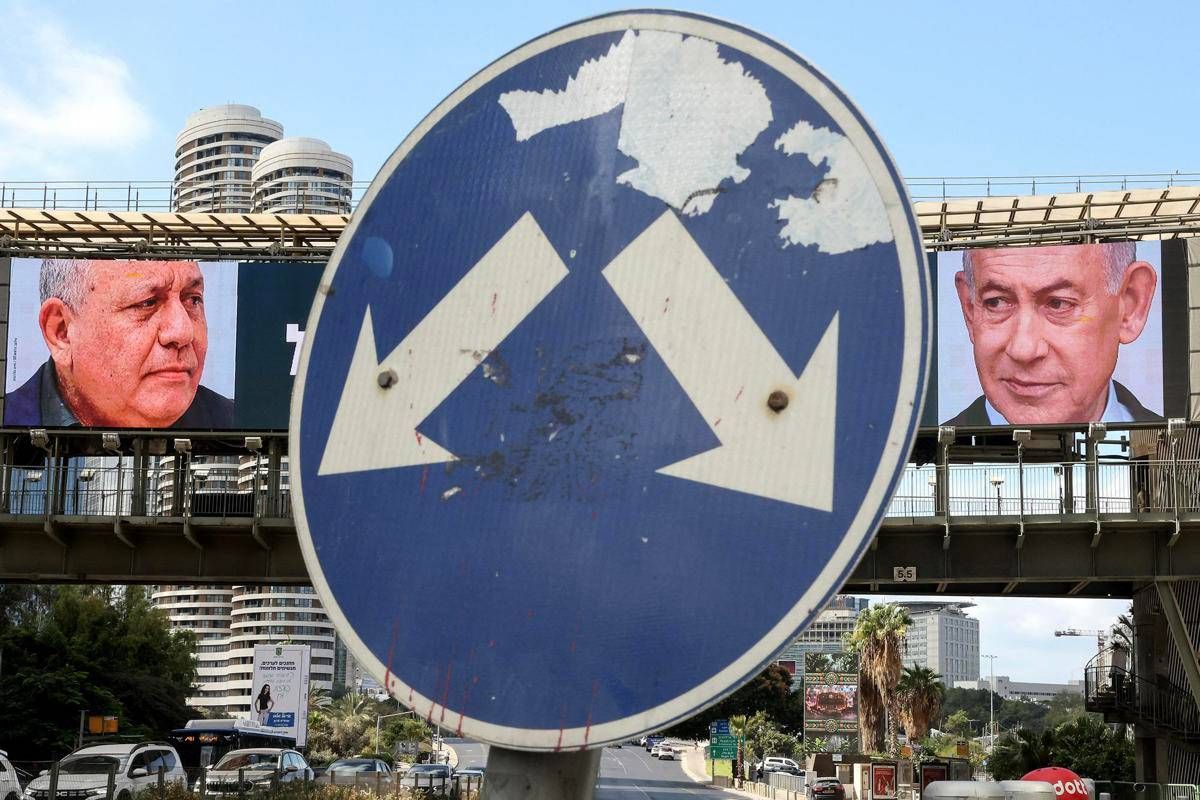
Elezioni in Israele, affluenza record al 66,7% ore 18: oltre 4,8 milioni al voto
La partecipazione supera di quasi nove punti percentuali quella registrata alla stessa ora nel 2022. La Commissione elettorale avverte che...

Olbia, uomo ucciso a coltellate in pieno centro: caccia all’aggressore
L’omicidio è avvenuto nel pomeriggio di oggi martedì 27 ottobre. La vittima sarebbe originaria del Barese Un uomo è stato...