Flight-tracking data showed Russian government aircraft circling over the capital and diverting to St. Petersburg as airport operations were suspended...
Read More
International-News
Trump’s New Iran Strategy Faces a Crucial Test in China
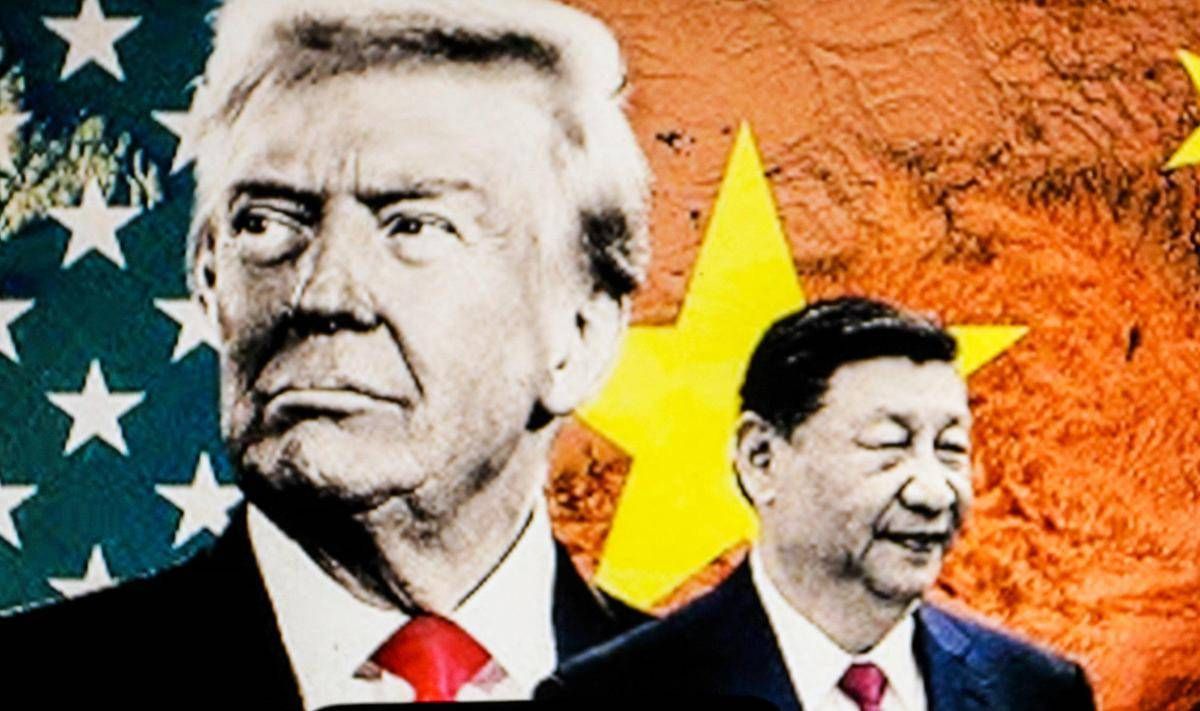
The White House is seeking to cut Tehran off from global revenues, but Beijing bought more than 80% of Iran’s oil exports in 2025
President Donald Trump and Treasury Secretary Scott Bessent are turning to a new campaign of economic pressure against Iran after the US military intervention failed to achieve its stated objectives, according to an analysis by David E. Sanger in The New York Times. The strategy, described by the White House as Operation Economic Outcast, seeks to cut off Tehran from every major source of economic revenue and force the Islamic Republic back toward negotiations.
Sanger argues that Trump and Bessent are effectively reversing the traditional American sequence for dealing with adversaries. Washington has typically relied first on diplomacy, followed by increasingly severe economic sanctions and, if necessary, additional coercive measures, with military force reserved as a last resort.
Trump instead moved to military action after a brief diplomatic effort, seeking to force Iran to surrender its stockpiles of enriched uranium and potentially bring about regime change. According to Sanger, neither objective was achieved. The campaign cost 18 American lives, while hundreds or thousands of Iranians were killed, and independent analysts have estimated the cost to the United States at more than $100 billion, although Pentagon estimates are lower.
Now, Sanger writes, Trump and Bessent are attempting what he describes as another major experiment. The White House has presented Operation Economic Outcast as an unprecedented effort to sever every source of economic support for the Islamic Republic.
The basic idea, Sanger notes, is straightforward: block transactions that move money to Tehran. But the strategy immediately raises a central question. If such sweeping sanctions were available, he asks, why were they not imposed before Trump ordered the military intervention, exposing shortages of critical ammunition and limits to American military power?
Another question concerns China.
Bessent has said that the military has already “laid the groundwork” for success. But China purchased more than 80% of Iran’s oil exports in 2025. That leaves the administration facing a potentially difficult choice over whether to risk another confrontation with Beijing, already at odds with Washington over artificial intelligence, Taiwan and China’s enormous industrial surplus, which the analysis says threatens the global economy.
This is the central vulnerability of the new economic strategy. There is nothing fundamentally new about attempting to isolate Iran economically, Sanger points out, but the latest effort requires Chinese participation. So far, he writes, there are no indications that Beijing is prepared to provide it, particularly with Chinese President Xi Jinping expected in Washington within a month.
Bessent has threatened so-called secondary sanctions against those continuing to do business with Iran. Yet, Sanger notes, the Treasury secretary did not mention China by name either in his Financial Times remarks or during Monday’s news conference.
That omission is significant, according to Sanger, who argues that Bessent went to considerable lengths not to antagonize the world’s second-largest economy and the only country capable of determining whether the White House’s new strategy has a realistic chance of succeeding.
Sanger also identifies another striking element in Bessent’s remarks: the return of a promise Trump made nearly six months ago to create the conditions for regime change in Iran, although through a somewhat different approach.
Trump’s decision in February to abandon the type of sanctions announced Monday and turn instead to military force was, Sanger argues, in part an acknowledgment that economic sanctions work slowly and that history shows they often fail. Now, with no obvious alternative producing the desired result, the administration has returned to economic pressure.
Beijing has already signaled its opposition.
China will “take all necessary measures to firmly defend” its interests, Foreign Ministry spokesman Lin Jian said. He also argued that maximum pressure through economic warfare does not resolve problems, but instead increases tensions and conflict, creates spillover effects, destabilizes the global economic and financial order and harms the legitimate rights and interests of other countries.
“China will take all necessary measures to firmly defend its rights and interests,” Lin said.
THE LATEST NEWS
Christa Pike Returns to Prison After Surviving Execution Attempt
10 October 2026
Christa Pike returns to prison after surviving a lethal injection attempt, leaving Tennessee officials facing unprecedented uncertainty over whether her...
Read More

Erie Shooting Leaves Eight Dead, Including Two Children, in Pennsylvania
10 October 2026
Authorities in northwestern Pennsylvania are investigating a mass killing that left eight people dead, including two children, after a gunman...
Read More

Hurricane Isaias Strengthens as Gulf Coast Braces for Landfall
9 October 2026
Evacuation orders are in effect in parts of the Southeast, with storm surge, torrential rain and possible tornadoes threatening coastal...
Read More
Naza: How a Gaza War Documentary Became a Global Political Flashpoint
9 October 2026
The documentary has grossed nearly €4 million in Italy, drawing fierce criticism from Netanyahu’s government and renewed scrutiny of the...
Read More

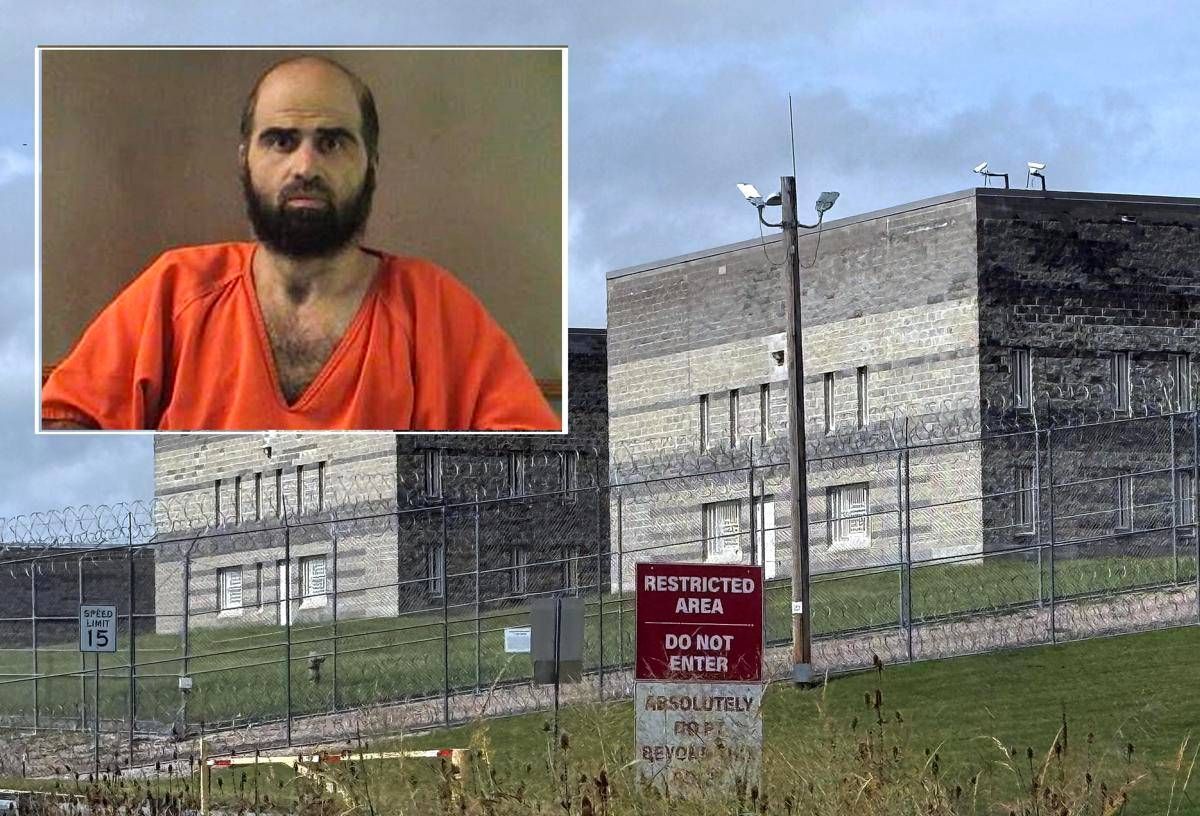
U.S. to Broadcast Nidal Hasan’s Firing-Squad Execution Live
9 October 2026
The Fort Hood mass shooter is scheduled to be executed on December 3. Defense Secretary Pete Hegseth says the public...
Read More
(Photo: © AndKronos)