The Sussexes are unlikely to join the royal family at Sandringham for Christmas, with a friend describing a reunion as...
Read More
International-News
Chernobyl Disaster at 40: Radiation Legacy and New Nuclear Tensions
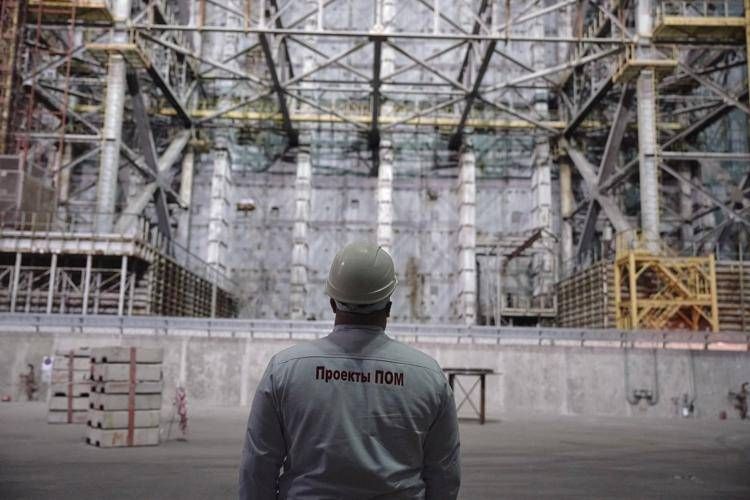
The 1986 reactor explosion remains the worst nuclear accident in history, while the site continues to face modern security risks amid the war in Ukraine
At 1:24 a.m. on April 26, 1986, a failure in reactor number 4 at the Chernobyl nuclear power plant in Pripyat, Ukraine, triggered what remains the most severe nuclear accident in history. The explosion released a massive radioactive cloud that spread across Ukraine, Belarus, Russia, and much of Europe.
The disaster was attributed to a combination of design flaws in the reactor and safety systems, along with violations of operating procedures. The International Atomic Energy Agency (IAEA) was officially informed of the incident only on April 30, several days after the explosion.
Estimates of the death toll vary significantly. A 2005 United Nations report put confirmed and projected deaths at around 4,000 across the most affected countries. Environmental group Greenpeace has estimated nearly 100,000 deaths linked to the disaster. Around 600,000 cleanup workers were reportedly exposed to high levels of radiation.
The area surrounding the plant was evacuated and transformed into an exclusion zone, spanning more than 2,200 square kilometers in Ukraine and 2,600 square kilometers in Belarus. Large parts of the zone are expected to remain uninhabitable for up to 24,000 years.
In February 2022, the Chernobyl site came under Russian control during the wider invasion of Ukraine. Since then, it has remained exposed to security risks. In February 2025, the steel-and-concrete structure covering the damaged reactor was hit by a Russian drone, leaving it in a condition that currently cannot be repaired.
Despite the long-term contamination, limited recovery efforts have been introduced over the decades, including experimental livestock farming and beekeeping in lower-risk areas.
On the anniversary of the disaster, Ukrainian President Volodymyr Zelensky accused Russia of “nuclear terrorism,” alleging that drone flights over the Chernobyl area continue regularly. He said the international community must prevent what he described as ongoing nuclear threats and urged pressure on Russia to halt such operations.
THE LATEST NEWS

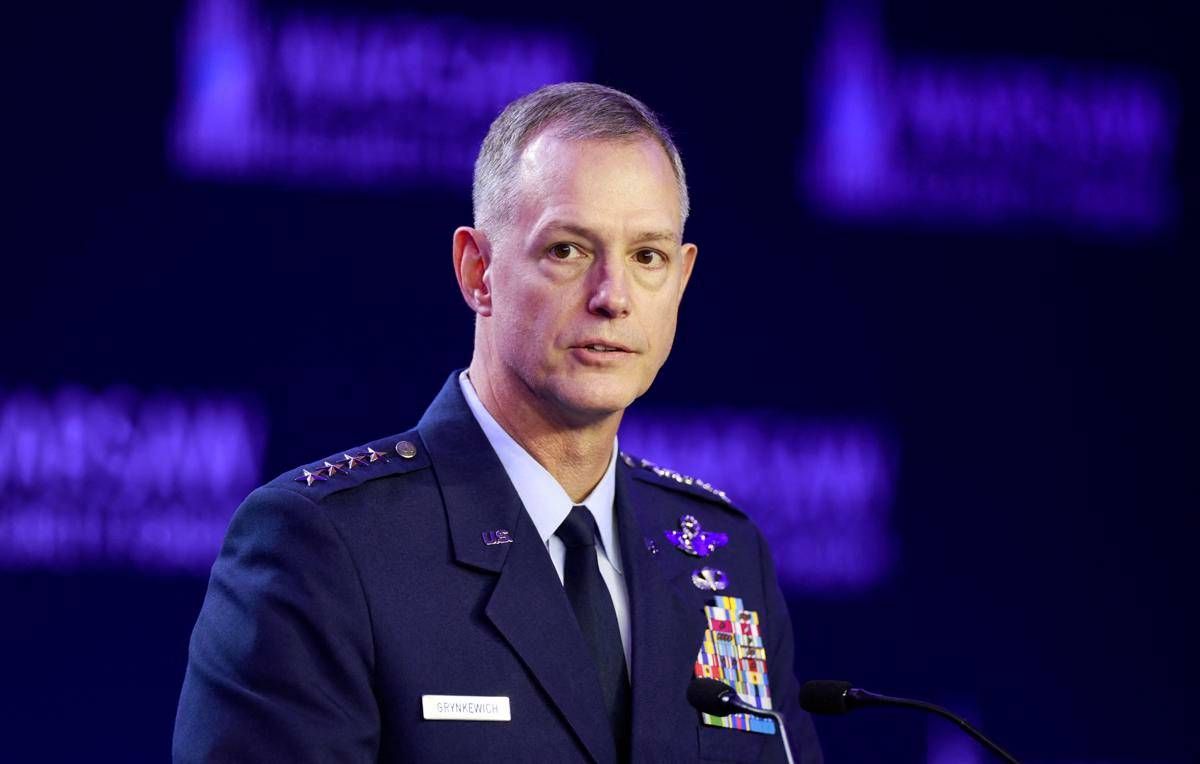
NATO Will ‘Destroy’ Any Force That Attacks the Alliance, Commander Warns
12 October 2026
In a stark address in Warsaw, NATO's top military commander coupled a forceful deterrence message to potential adversaries with an...
Read More
European Intelligence Warns of Russian Threats Against Defense Executives
11 October 2026
Financial Times report cites officials from five intelligence agencies as concerns grow over Moscow's expanding hybrid warfare campaign linked to...
Read More

White House TV Pool Boycott Triggers DOJ Antitrust Investigation
11 October 2026
Five of America's biggest television networks now face federal scrutiny after collectively refusing to cover President Donald Trump ahead of...
Read More

Putin’s Return Flight Disrupted by Drone Attack That Closed Moscow Airports
10 October 2026
Flight-tracking data showed Russian government aircraft circling over the capital and diverting to St. Petersburg as airport operations were suspended...
Read More
Christa Pike Returns to Prison After Surviving Execution Attempt
10 October 2026
Christa Pike returns to prison after surviving a lethal injection attempt, leaving Tennessee officials facing unprecedented uncertainty over whether her...
Read More

(Photo: © AndKronos)